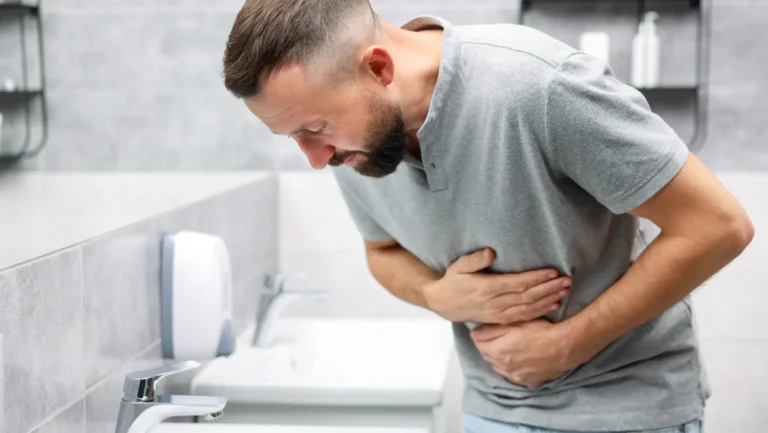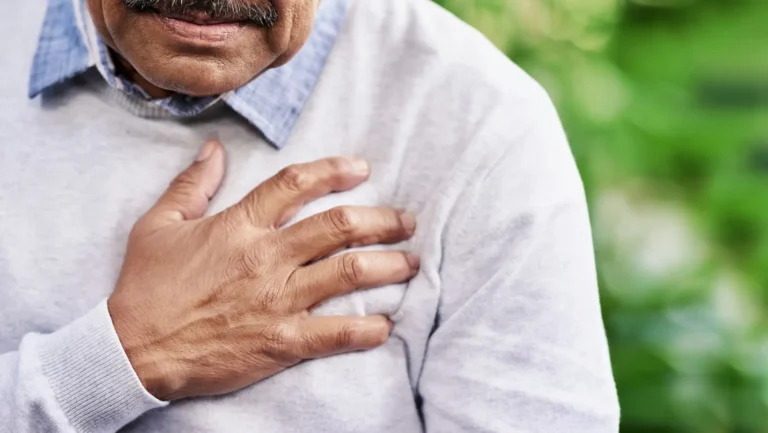

Causes for chest pain range from a pulled muscle to a life-threatening heart attack, and the difference matters enormously. In the United States, chest pain accounts for over 8 million emergency room visits annually, making it one of the most common reasons adults seek urgent care.
Most cases are not cardiac, but some are, and misreading the signs costs lives. This guide covers the most important causes for chest pain, how to identify serious warning signs, when to call 911, and how doctors confirm a diagnosis.
Common Causes of Chest Pain
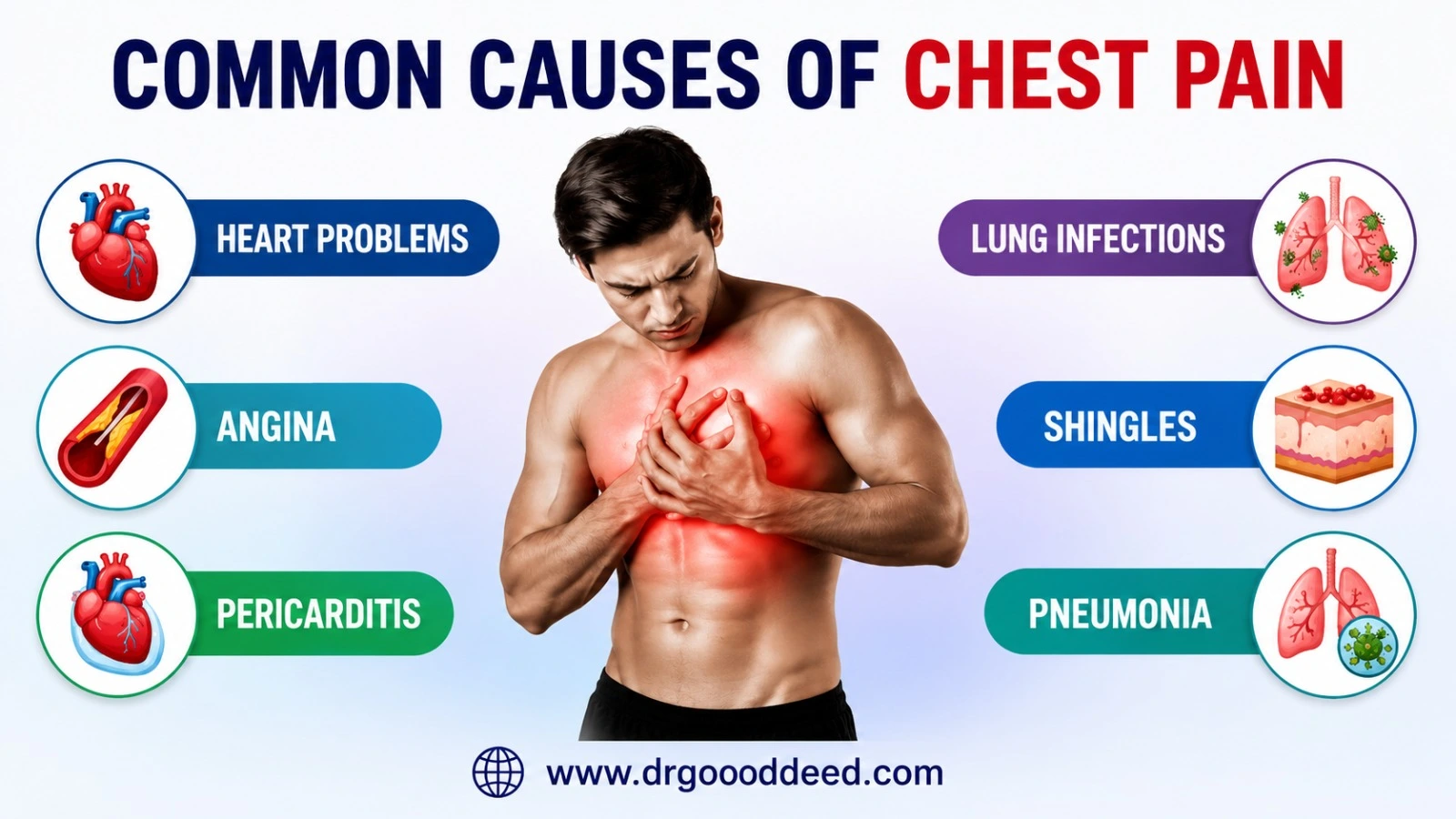
Common causes of chest pain span six major body systems. Pain in the chest does not always mean something is wrong with your heart. The chest contains your heart, lungs, esophagus (food pipe), ribs, muscles, and nerves. Problems in any of these can produce chest pain that feels nearly identical.
Heart-Related Causes
Heart problems are the most dangerous cause of chest pain. These include heart attacks, angina (chest pain from reduced blood flow), and pericarditis (inflammation around the heart). Heart-related pain typically feels like pressure, squeezing, or heaviness. It often spreads to the left arm, jaw, or neck.
Lung-Related Causes
Lung infections (pneumonia), blood clots in the lung (pulmonary embolism), and a collapsed lung (pneumothorax) all produce chest pain. Lung-related pain tends to worsen when you breathe deeply or cough.
Digestive Causes
Acid reflux, esophageal spasm (sudden tightening of the food pipe), and peptic ulcers generate chest pain that mimics cardiac symptoms closely. This is one of the most frequently missed causes of chest pain in emergency rooms.
Musculoskeletal Causes
Strained chest muscles, rib injuries, and spine-related nerve compression produce localized pain. This type is usually reproducible, meaning pressing on the area makes the pain worse.
Costochondritis (Rib Inflammation)
Costochondritis is inflammation where the ribs attach to the breastbone. It produces sharp chest pain that worsens with movement or deep breathing. It is completely benign (not dangerous) but often alarming because the location mimics heart pain.
Anxiety and Panic Attacks
Panic attacks cause real, physical chest tightness. The body releases adrenaline rapidly, which tightens chest muscles and accelerates heart rate. This is a medically recognized cause for chest pain, not imagined discomfort.
Shingles (Nerve-Related Pain)
Shingles, caused by the reactivated chickenpox virus, produces burning chest pain along a nerve path, sometimes days before any skin rash appears. Many people visit the ER with chest pain before they realize shingles is the cause.
Heart-Related Causes of Chest Pain
Heart-related causes for chest pain require the most urgent attention. The pain pattern, associated symptoms, and risk factors help distinguish cardiac pain from other types. Understanding the three main cardiac causes can help you act faster in an emergency.
Heart Attack (Myocardial Infarction)
A heart attack occurs when a blocked artery cuts blood supply to part of the heart muscle. The pain is typically described as crushing, squeezing, or like an elephant sitting on the chest.
It lasts more than 20 minutes, does not improve with rest, and often accompanies sweating, nausea, and shortness of breath. Women sometimes experience subtler symptoms: jaw pain, extreme fatigue, or upper back discomfort without obvious chest pain.
Angina (Reduced Blood Flow)
Angina is chest pain from narrowed coronary arteries (the blood vessels feeding the heart). Unlike a heart attack, blood flow is reduced but not fully blocked. The pain usually lasts 5 to 15 minutes and resolves with rest or nitroglycerin medication. Stable angina is predictable, triggered by exertion or stress. Unstable angina occurs at rest, and that is a medical emergency.
Pericarditis (Inflammation Around the Heart)
Pericarditis is inflammation of the pericardium (the thin sac surrounding the heart), often following a viral illness. The chest pain is sharp and stabbing, worsens when lying flat, and improves when sitting forward. This is a key distinguishing detail: heart attack pain does not change with position, but pericarditis pain does.
Key insight: Heart-related chest pain most often feels like pressure, tightness, or squeezing rather than a sharp stab. Sharp, positional pain is more commonly non-cardiac.
Chest Pain with Shortness of Breath Causes
Chest pain with shortness of breath causes the most concern because this combination signals possible life-threatening conditions. When both symptoms occur together, the likelihood of a serious cardiac or pulmonary (lung-related) cause increases significantly.
Heart Attack or Heart Failure
A heart attack combined with shortness of breath means the heart is struggling to pump effectively. Heart failure, where the heart muscle weakens over time, causes fluid to back up into the lungs, producing both chest heaviness and breathlessness together.
Pulmonary Embolism
A pulmonary embolism (PE) is a blood clot that travels to the lungs. It is one of the most dangerous causes of chest pain because it can be fatal within minutes if untreated. Symptoms include sudden chest pain, rapid breathing, and a drop in oxygen levels. People who have recently had surgery, long flights, or prolonged bed rest face higher risk.
Pneumonia or Lung Infection
Pneumonia causes inflammation and fluid buildup in the lungs. The chest pain is usually one-sided, sharp, and worsens with each breath. Fever, cough, and fatigue accompany it. Chest pain with shortness of breath causes related to pneumonia are particularly common in children, older adults, and immunocompromised individuals.
Collapsed Lung (Pneumothorax)
A spontaneous pneumothorax (collapsed lung) occurs when air leaks into the space between the lung and chest wall. It causes sudden, sharp, one-sided chest pain with severe shortness of breath. Tall, thin young men and people with certain lung diseases face higher risk.
Chest Pain During Exercise Causes
Chest pain during exercise causes significant concern because physical exertion stresses the heart, lungs, and muscles simultaneously. Not all exercise-related chest pain is dangerous, but some types demand immediate evaluation.
Reduced Blood Flow to the Heart (Angina)
This is the most critical cause of chest pain during exercise. When coronary arteries are partially blocked, exertion demands more blood from the heart than narrowed vessels can deliver. The result is effort-related chest pressure that resolves within minutes of stopping activity. This pattern is classic stable angina and warrants a cardiology evaluation promptly.
Muscle Strain or Overexertion
Pushing too hard too fast, especially in resistance training, strains the intercostal muscles (the muscles between your ribs). The pain is sharp, localized, worsens when you press on it, and has no connection to breathing patterns during rest. This resolves within a few days with rest.
Exercise-Induced Asthma
Exercise-induced bronchoconstriction (airway narrowing triggered by exercise) causes chest tightness within 5 to 10 minutes of starting moderate activity. It is often accompanied by wheezing, coughing, or a feeling of not being able to get enough air in. Unlike cardiac causes, it improves with an inhaler and resolves after stopping exercise.
How to Tell If Chest Pain Is Serious
Several specific features separate dangerous causes for chest pain from benign ones. Use this as a quick reference:
| Feature | More Likely Serious | More Likely Not Serious |
| Duration | Over 20 minutes | Under 5 minutes |
| Location | Radiates to arm, jaw, back | Stays in one spot |
| Trigger | Rest or mild activity | Only with press/movement |
| Associated symptoms | Sweating, nausea, breathlessness | None |
| Position effect | No change | Worsens lying flat |
Sharp pain that you can reproduce by pressing a specific rib is almost always musculoskeletal. Pressure that spreads to the left arm during rest is almost always cardiac until proven otherwise.
When to Seek Immediate Medical Help
Call 911 immediately if chest pain comes with any of these:
- Shortness of breath at rest
- Pain radiating to the arm, jaw, neck, or back
- Cold sweats or clamminess
- Sudden dizziness or fainting
- A feeling of impending doom (this is medically documented in cardiac events)
- Rapid or irregular heartbeat
Do not drive yourself. Do not wait to see if it passes. Heart muscle dies within minutes when blood supply is cut off. Time is tissue.
Diagnosis of Chest Pain
Doctors use a specific set of tests to identify causes of chest pain accurately. No single test covers all causes.
- ECG (Electrocardiogram): Records electrical activity of the heart. Detects heart attack patterns, arrhythmias (irregular heart rhythms), and pericarditis. Results are available within minutes.
- Troponin blood test: Troponin is a protein released when heart muscle is damaged. Elevated troponin confirms a heart attack. Levels are checked at arrival and repeated 3 to 6 hours later.
- Chest X-ray: Shows lung infections, collapsed lungs, and enlarged heart.
- CT Pulmonary Angiography (CTPA): The definitive test for pulmonary embolism. Uses contrast dye to show blood clots in lung vessels.
- Stress test: Measures how the heart responds to physical exertion. Used to detect angina and blockages.
- Echocardiogram: An ultrasound of the heart showing wall motion, valve function, and fluid around the heart.
Doctors typically run the ECG and troponin test simultaneously. If both are normal and pain patterns point to a non-cardiac cause, further tests target the suspected system.
FAQs
Can Acid Reflux Cause Chest Pain Similar to a Heart Attack?
Yes. Acid reflux causing chest pain mimics cardiac pain so closely that even experienced clinicians order cardiac tests first. GERD-related pain is typically burning, worsens after meals or lying down, and improves with antacids. Heart attack pain does not respond to antacids.
What Causes Chest Pain with Shortness of Breath?
Chest pain with shortness of breath includes pulmonary embolism, heart attack, heart failure, and pneumonia. This combination is a red flag combination. Pulmonary embolism is the most frequently missed because symptoms onset suddenly without prior warning.
Why Does Chest Pain Happen During Exercise?
Chest pain during exercise includes angina from blocked coronary arteries, exercise-induced asthma, and muscle strain. Cardiac-related exercise pain appears within the first 10 minutes of moderate effort and relieves within 5 minutes of rest. Pain that only appears after 30 minutes of intense exercise is more likely muscular.
How to Relieve Chest Pain at Home Safely?
Relieving chest pain at home depends entirely on the cause. For acid reflux: antacids and sitting upright. For muscle strain: rest and ibuprofen. For anxiety: slow diaphragmatic breathing. Never attempt home treatment if the pain is severe, lasts over 20 minutes, or involves shortness of breath.
When Should Chest Pain Be Considered an Emergency?
Causes for chest pain become emergencies when pain spreads to the arm or jaw, lasts over 20 minutes, combines with sweating or breathlessness, or occurs in someone with known heart disease. Call 911 immediately. Chewing one regular aspirin (325 mg) while waiting for the ambulance reduces heart muscle damage if a heart attack is occurring.
Can Anxiety Cause Chest Pain?
Yes. Anxiety triggers adrenaline release, anxiety cause tightens chest muscles and raises heart rate. The chest pain from panic attacks is real, not imagined. It usually resolves within 20 to 30 minutes. However, anxiety is a diagnosis of exclusion; cardiac causes for chest pain must be ruled out first.
How Do You Know If Chest Pain Is Heart-Related?
Heart-related causes for chest pain produce pressure or squeezing (not sharpness), radiate to the left arm or jaw, persist beyond 20 minutes, and do not change with position or touch. If three or more of these features are present, treat it as cardiac until tests confirm otherwise.
What Tests Are Done to Diagnose Chest Pain?
Doctors use an ECG, troponin blood test, chest X-ray, and sometimes a CT scan or echocardiogram to identify causes for chest pain. The ECG and troponin together rule out heart attacks in most cases within 3 to 6 hours. A normal troponin at 6 hours post-pain onset is highly reliable.
Is Mild Chest Pain Ever Safe to Ignore?
Mild chest pain reproducible by pressing on the chest wall, occurring only after heavy lifting, or improving immediately with antacids is generally low risk. However, causes for chest pain in adults over 40, smokers, diabetics, or those with high blood pressure warrant evaluation even if mild, because these groups experience atypical (unusual) cardiac symptoms more often.