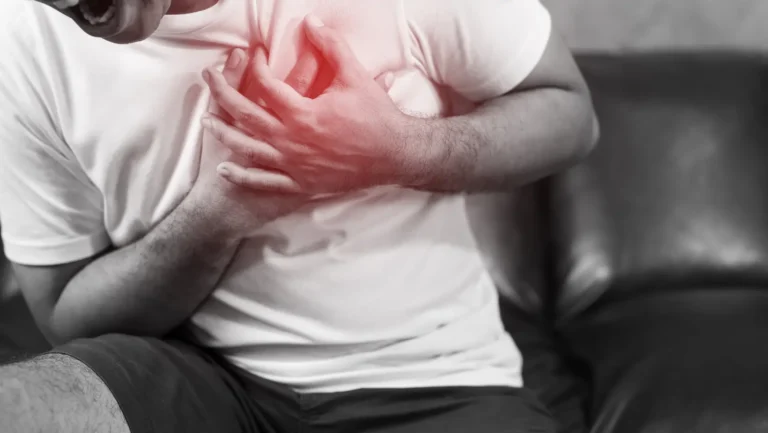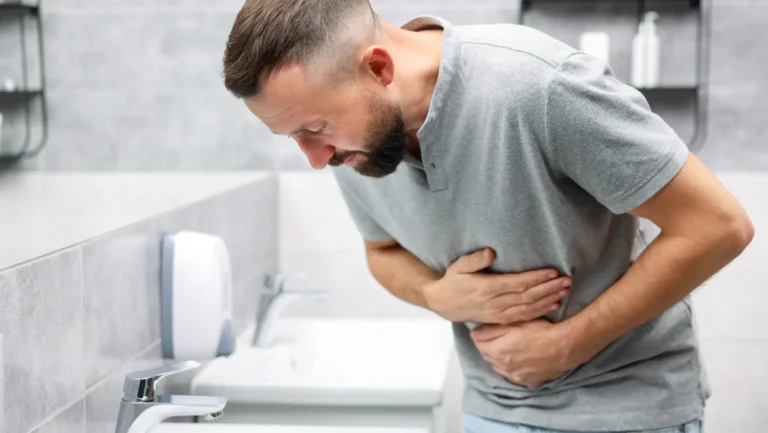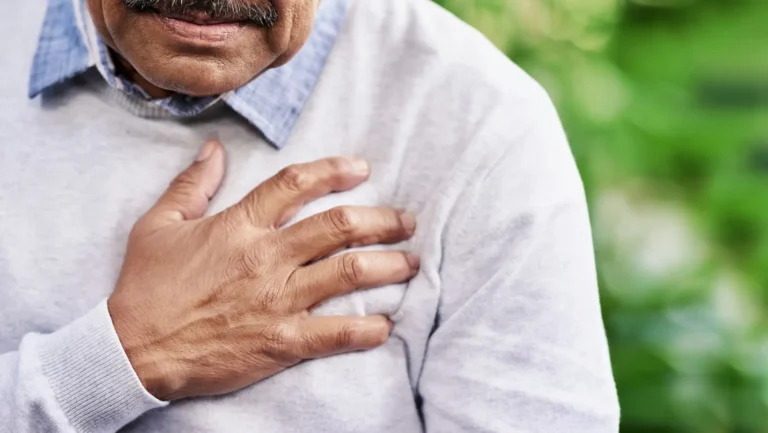

Chest pains when you take deep breaths are a warning sign your body sends when something is wrong with your lungs, chest wall, or heart lining. In the US, chest pain accounts for over 8 million emergency room visits each year, and a significant portion involves pain that worsens with inhalation. This article covers every major cause, how to identify serious symptoms, and what actually helps.
Causes of Pain with Deep Breathing
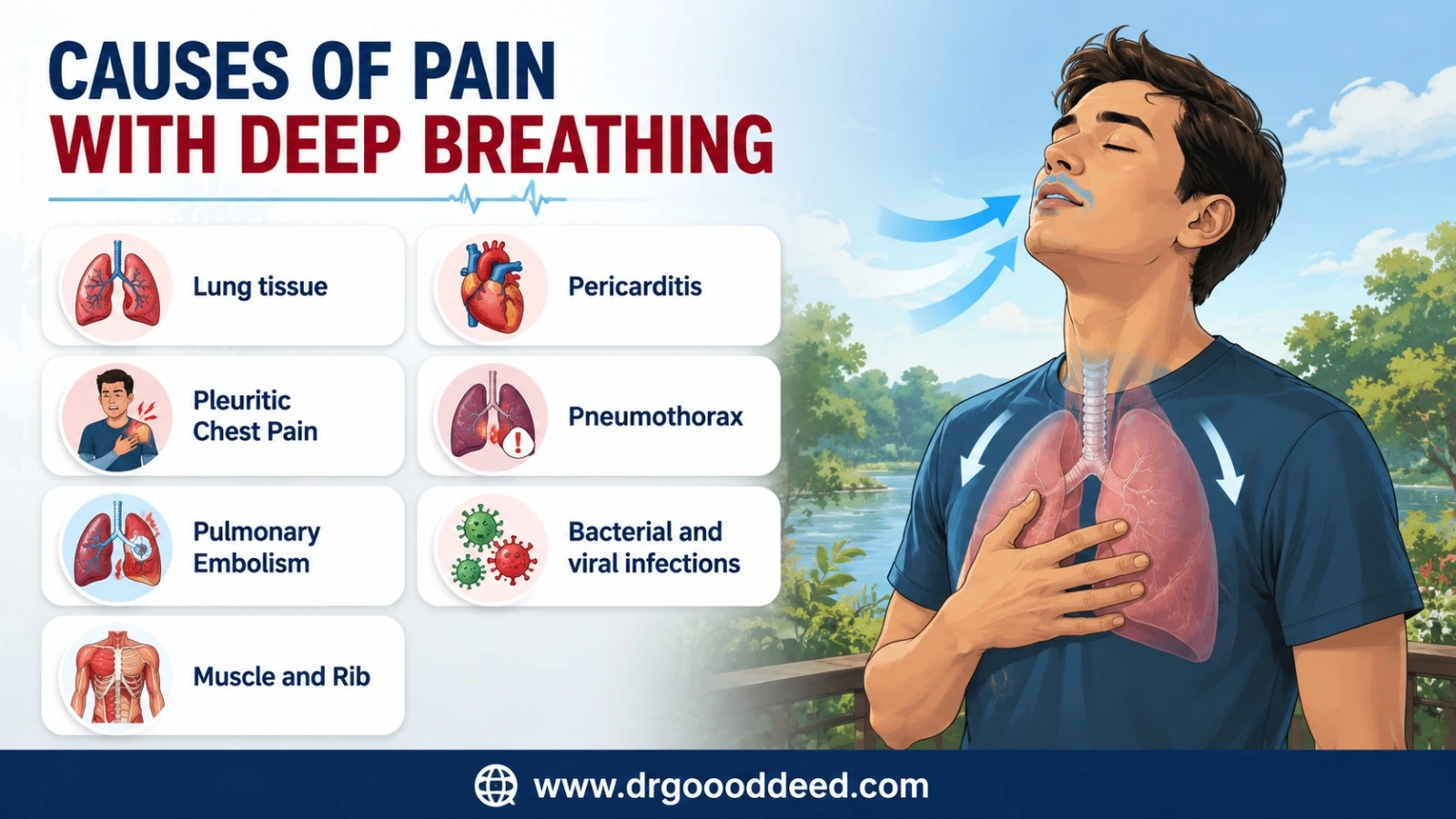
Causes of pain with deep breathing range from mild muscle strain to life-threatening lung clots. The pain often appears sharp, stabbing, or tight, and it worsens the moment you inhale fully. Where you feel it, and what else comes with it, narrows down the cause fast.
Lung-Related Causes
Lung tissue itself does not have pain receptors. Pain comes from the pleura, which is the thin lining surrounding your lungs. When the pleura gets inflamed or irritated, every breath pulls on it. Pleurisy, pneumonia, and pulmonary embolism all irritate this lining.
Muscle and Rib-Related Causes
The muscles between your ribs are called intercostal muscles. Strain them hard enough, whether from coughing, exercise, or a bad fall, and every deep breath stretches the injury. The pain stays in one spot and gets worse when you press on it.
Heart-Related Causes
Pericarditis is inflammation of the sac around your heart. It produces chest pain that sharpens with deep breathing and often eases when you lean forward. This is a real cardiac condition, not anxiety.
Infections and Inflammation
Bacterial and viral infections inflame the lung lining or airways. Pneumonia and pleurisy are the most common culprits. COVID-19 can also cause this type of pain, particularly in the early weeks of infection.
Pulmonary Embolism (Blood Clot in the Lungs)
A blood clot in the lung is a medical emergency. It blocks blood flow, triggers sudden sharp chest pain, and causes shortness of breath. The pain typically gets worse with deep breaths. Long flights, leg surgery, or extended bed rest raise the risk significantly.
Pneumothorax (Collapsed Lung)
A collapsed lung causes sudden, severe chest pain on one side. It happens when air leaks into the space between the lung and chest wall. Tall, thin young men are statistically most likely to experience a spontaneous pneumothorax, though it happens in other groups too.
Pericarditis (Heart Lining Inflammation)
Pericarditis often follows a viral infection. The pain feels similar to a heart attack but worsens when lying flat and improves when sitting up and leaning forward. This distinction matters when doctors assess you.
Pleuritic Chest Pain Causes
Pleuritic chest pain can be caused by any condition that inflames the pleura, the two-layered membrane surrounding each lung. The pain is sharp and breath-triggered. Most people describe it as a stabbing sensation that hits on one side and stops the moment they exhale.
Inflammation of the Pleura (Lung Lining)
Pleurisy is the direct inflammation of this membrane. Lupus, rheumatoid arthritis, viral infections, and bacterial pneumonia all trigger it. When the two pleural layers rub against each other instead of gliding smoothly, every breath creates friction pain.
Sharp Pain That Worsens with Inhalation
Unlike muscle pain that aches constantly, pleuritic pain is breath-dependent. Coughing and sneezing spike it. Some people hold shallow breaths to avoid triggering it. This breathing pattern can make oxygen levels drop over time.
Why Breathing Movement Triggers Pain
The pleura stretches with each inhalation. Inflamed tissue resists that stretch. This is why pleuritic pain is so distinct, it punishes full breaths and rewards shallow ones. Doctors listen for a pleural friction rub with a stethoscope, which sounds like two pieces of leather rubbing together.
Lung Infection Causing Pain with Inhalation
Lung infection causing pain with inhalation almost always includes additional symptoms beyond chest pain alone. Fever, productive cough, and fatigue usually accompany it.
Pneumonia
Pneumonia inflames the air sacs in one or both lungs. In the US, 1.5 million people are hospitalized for pneumonia annually. The chest pain from pneumonia sharpens when breathing deeply because the infected tissue and surrounding pleura are both irritated. Community-acquired pneumonia, caused by bacteria like Streptococcus pneumoniae, is the most common form.
Bronchitis
Acute bronchitis inflames the bronchial tubes. The resulting cough strains the chest muscles and can cause secondary pain with deep breathing. The pain itself is usually dull and diffuse rather than the sharp pleuritic kind.
Viral Infections
Influenza and COVID-19 both cause chest inflammation. COVID-19 specifically can trigger pleurisy and pulmonary embolism. If chest pain persists more than a week into a viral illness, imaging is necessary, not optional.
Key fact: Pain with fever above 101°F (38.3°C), cough producing yellow or green mucus, and difficulty breathing is pneumonia until proven otherwise.
Muscle Strain Chest Pain When Breathing
Muscle strain chest pain when breathing is one of the most common and most misdiagnosed causes of breath-related chest pain. It feels alarming, but it is usually not dangerous.
Overuse or Injury of Chest Muscles
Athletes who do heavy bench presses, swimmers, or people who coughed repeatedly through a bad illness often strain the intercostal muscles. The pain feels worse when twisting, lifting, or taking a full breath.
Pain Localized and Reproducible with Movement
Press directly on the painful area. If it hurts more when you push on it, the cause is almost certainly muscular. Cardiac pain and pleuritic pain do not reproduce with palpation. This one test helps separate a pulled muscle from something serious.
Common in Exercise or Sudden Strain
Muscle strain chest pain when breathing typically develops within 24 to 48 hours after the triggering activity, following the same delayed onset pattern as any other muscle injury. Rest and anti-inflammatory medication resolve it in 3 to 7 days in most cases.
Symptoms That Indicate a Serious Condition
Chest pain with breathing becomes an emergency when other symptoms appear alongside it. These combinations signal that the heart, lungs, or major blood vessels are involved.
Watch for:
- Sudden chest pain with shortness of breath and a rapid heart rate (possible pulmonary embolism)
- Chest pain with pain radiating into the jaw, left arm, or back (possible heart attack)
- One-sided chest pain with sudden breathlessness in a young person (possible pneumothorax)
- Chest pain with fever above 103°F and confusion (possible severe pneumonia or sepsis)
- Chest pain that worsens lying flat but eases when leaning forward (possible pericarditis)
- Coughing up blood with breath-triggered chest pain (requires same-day evaluation)
Any of these combinations need an ER visit, not a wait-and-see approach.
How to Relieve Chest Pain When Breathing
Relieving chest pain when breathing depends entirely on what is causing it. Treating pleurisy the same way you treat a muscle strain does not work. Match the remedy to the diagnosis.
Rest and Avoiding Strain
For muscle-related pain, rest is the first and most effective step. Avoid overhead lifting, heavy pushing, or any motion that triggers the pain. Most intercostal strains improve significantly within 5 days of rest.
Pain Relief Medications
Ibuprofen (Advil, Motrin) is the first-line treatment for both pleuritic chest pain and muscle strain because it reduces inflammation at the source. Acetaminophen (Tylenol) eases pain but does not address the underlying inflammation. For pleurisy, doctors often prescribe indomethacin or colchicine for faster resolution.
Heat or Cold Therapy
Cold packs work best in the first 48 hours after a muscle injury. After that, heat relaxes the muscle and improves blood flow. Do not apply heat to acute injuries within the first two days.
Gentle Breathing Exercises
For pleurisy recovery, controlled deep breathing prevents complications like partial lung collapse (atelectasis). Breathe in slowly to a count of four, hold for two seconds, and breathe out for four. Repeat ten times per hour when awake. This keeps lung tissue expanded and reduces the risk of pneumonia developing on top of pleurisy.
When to Seek Immediate Medical Help
Chest pains when you take deep breaths become a 911 situation, not just a doctor’s appointment, in specific circumstances.
Call 911 immediately if:
- Chest pain is sudden and severe with no obvious cause
- Breathing becomes difficult within minutes of the pain starting
- Lips or fingertips turn blue or gray
- You feel faint or lose consciousness
- Pain started after a long flight, surgery, or extended bed rest
Do not drive yourself. Blood clots and pneumothorax worsen with physical exertion.
Diagnosis of Chest Pain When Breathing
Doctors use multiple tests to identify the cause. No single test works for every case.
Physical Examination
A doctor listens with a stethoscope for a pleural friction rub, reduced breath sounds (suggesting fluid or pneumothorax), or crackles (suggesting pneumonia). Pressing on the chest wall helps rule out muscle strain.
Imaging (X-ray, CT Scan)
A chest X-ray identifies pneumonia, collapsed lung, and fluid around the lungs. A CT pulmonary angiography is the standard test for pulmonary embolism. Plain X-rays miss early-stage pneumonia about 30% of the time.
Blood Tests
A D-dimer blood test screens for blood clots. Elevated white blood cells suggest infection. Troponin levels confirm or rule out heart attack. CRP and ESR levels measure general inflammation, useful for diagnosing pleurisy.
Lung and Heart Function Tests
An ECG rules out cardiac arrhythmia and pericarditis patterns. An echocardiogram visualizes fluid around the heart. Spirometry tests lung function when chronic conditions like asthma are suspected.
FAQs
Why do I have chest pains when I take deep breaths?
Chest pains when you take deep breaths signal irritation of the pleura, intercostal muscles, or the pericardium. Pleurisy and muscle strain together account for roughly 60% of cases in outpatient settings. A sharp, one-sided pain that stops on exhale points to pleurisy first.
What are pleuritic chest pain causes?
The top pleuritic chest pain causes are viral pleurisy, bacterial pneumonia, lupus, pulmonary embolism, and post-viral inflammation from influenza or COVID-19. Lupus causes recurrent pleurisy in about 45% of affected patients.
Can lung infections cause pain with inhalation?
Yes. A lung infection causing pain with inhalation happens because infected tissue inflames the pleura. Pneumonia does this in about 30% of hospitalized cases. The pain is always accompanied by fever and cough, never chest pain alone.
How to relieve chest pain when breathing deeply?
Relieving chest pain when breathing depends on the cause. Ibuprofen 400-600 mg every 6-8 hours treats pleurisy and muscle pain. Ice for the first 48 hours helps muscle strain. Breathing exercises for chest pain 10 reps per hour prevent atelectasis during pleurisy recovery.
Can muscle strain cause chest pain when breathing?
Yes. Muscle strain chest pain when breathing reproduces when you press directly on the painful spot. Cardiac and pleuritic pain do not. Intercostal strains resolve fully in 3 to 7 days with ibuprofen and rest.
When should chest pain while breathing be serious?
Chest pains when you take deep breaths paired with shortness of breath, rapid heart rate, or pain after a long flight need an ER visit within the hour, not a scheduled appointment.
How do you know if chest pain is lung-related?
Lung-related chest pain worsens with full inhalation and often stays on one side. Fever and cough confirm infection. A pleural friction rub heard through a stethoscope is definitive for pleurisy.
Can anxiety cause chest pain when breathing?
Yes, but anxiety chest pain is typically diffuse, tightness-based, and does not sharpen precisely at full inhalation. Pleuritic and musculoskeletal pain is localized and breath-triggered. They feel different. A doctor can distinguish them in one exam.
What tests diagnose chest pain with breathing?
A chest X-ray, D-dimer blood test, ECG, and CT pulmonary angiography are the four core tests. CT angiography is definitive for pulmonary embolism. X-ray alone misses about 30% of early pneumonia cases.
Is chest pain when breathing always dangerous?
No. Chest pains when you take deep breaths from muscle strain or mild pleurisy resolve within days. Pulmonary embolism and pneumothorax are dangerous. The difference is in the speed of onset and accompanying symptoms, not the pain intensity alone.