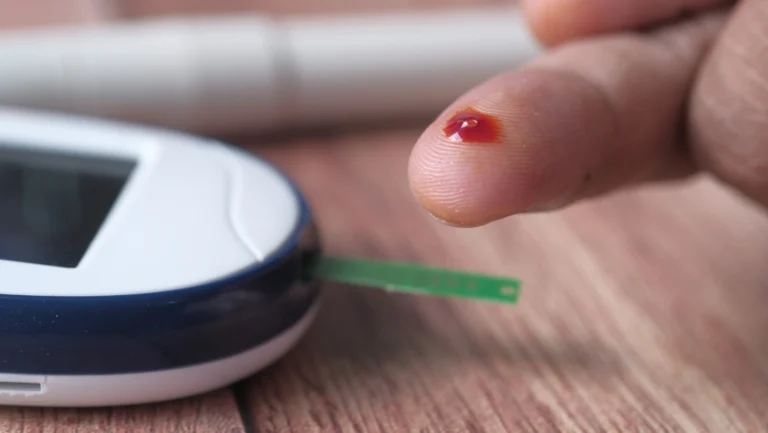

Sometimes, feeling sleepy after eating is a sign of diabetes. Occasional post-meal drowsiness is normal. But when it happens consistently after most meals, especially with increased thirst, frequent urination, or brain fog, it signals a blood sugar problem. Over 130 million American adults have diabetes or prediabetes, most undiagnosed. Knowing when post-meal fatigue crosses from normal to warning sign is a health check worth taking seriously.
Why People Feel Sleepy After Eating
Feeling sleepy after eating is not always a sign of diabetes. Several normal processes cause post-meal tiredness in healthy people.
Digestion redirecting blood flow: After eating, extra blood goes to the stomach and intestines. Less reaches the brain temporarily, triggering mild drowsiness.
High carbohydrate meals and blood sugar: A large carb-heavy meal spikes blood glucose. The brain then gets a surge of tryptophan (an amino acid), which converts to serotonin and then melatonin, both of which promote drowsiness.
Hormonal changes after meals: The gut releases a hormone called cholecystokinin (CCK) after eating. It signals fullness and activates the body’s rest-and-digest mode.
Normal post-meal tiredness is mild, lasts 20 to 30 minutes, and only follows large meals. Diabetes-related fatigue is frequent, intense, and occurs even after moderate-sized meals.
Sleepiness and Blood Sugar Spikes Symptoms
When blood sugar rises rapidly after a meal, the pancreas releases a large burst of insulin to bring it back down. In people with insulin resistance (when cells resist insulin’s effects), this process becomes dysregulated. Blood sugar rises too high, then insulin overshoots and drives it too low. That crash produces sudden, intense fatigue.
Key sleepiness and blood sugar spikes symptoms include:
- Sudden energy drop 30 to 90 minutes after eating
- Difficulty concentrating or “brain fog” after meals
- Irritability or mood changes after eating carbohydrates
- A strong craving for more sugar or caffeine shortly after a meal
- Shakiness or lightheadedness with fatigue (signs of reactive hypoglycemia)
If these symptoms are consistent and worsen over time, feeling sleepy after eating is a sign of diabetes becomes a legitimate clinical concern worth testing for.
Tiredness After Meals Diabetes Warning Signs

Tiredness after meals diabetes warning signs go beyond simple drowsiness. Diabetes-related fatigue after eating has specific patterns that separate it from routine digestion-related tiredness.
Watch for these signals:
- Fatigue after nearly every meal, not just large ones. Even modest portions cause significant energy crashes.
- Increased thirst and urination alongside post-meal tiredness. High blood sugar pulls water out of cells, causing dehydration and frequent urination.
- Brain fog that lasts hours, not minutes. Blood sugar dysregulation impairs brain glucose delivery, reducing focus and memory significantly.
- Slow-healing cuts or wounds, dark skin patches on the neck or armpits, or blurry vision. These are additional tiredness after meals diabetes warning signs that confirm a blood sugar pattern.
If you notice two or more of these together, the question of whether feeling sleepy after eating is a sign of diabetes shifts from “maybe” to “test immediately.”
Causes of Drowsiness After Eating
The causes of drowsiness after eating split into normal physiological causes and blood-sugar-related causes. Knowing which category applies to you matters.
Normal causes:
- Large meal portions that require intense digestive work
- High-fat meals that slow digestion and cause prolonged blood flow redirection
- Poor nighttime sleep making midday post-meal tiredness more intense
- Alcohol with meals, which directly suppresses the central nervous system
Blood sugar-related causes of drowsiness after eating:
- Refined carbohydrates (white bread, white rice, sugary drinks) causing rapid blood sugar spikes and crashes
- Insulin resistance preventing cells from absorbing glucose properly, leaving them energy-starved
- Poorly managed type 2 diabetes or undiagnosed prediabetes
Stress compounds both categories. Chronic stress raises cortisol, which raises blood sugar, which worsens insulin resistance over time.
Foods That May Trigger Sleepiness After Meals
Not all foods cause the same post-meal energy response. These categories most strongly trigger drowsiness:
Refined carbohydrates and sugary foods: White bread, pastries, sweetened cereals, sugary drinks, and white rice spike blood glucose fast. The faster the spike, the harder the crash. These are the most common dietary drivers of post-meal fatigue.
Heavy, high-fat meals: Large servings of fried foods, fatty meats, or creamy sauces slow stomach emptying significantly. Prolonged digestive demand keeps blood redirected to the gut longer, sustaining tiredness.
Excess alcohol: Alcohol suppresses liver glucose production. Even 1 to 2 drinks with a meal can trigger reactive hypoglycemia (blood sugar dropping too low) hours later, causing intense fatigue in people with blood sugar instability.
Portion size matters more than most realize. Eating twice the normal serving of even healthy food can trigger post-meal tiredness by overwhelming digestive and metabolic capacity simultaneously.
Diet Tips for Blood Sugar Balance
Diet tips for blood sugar balance focus on slowing glucose entry into the bloodstream, not eliminating carbohydrates entirely.
Practical diet tips for blood sugar balance that reduce post-meal fatigue:
- Pair carbohydrates with protein or fat. Adding eggs, chicken, fish, cheese, or nuts to any carb-heavy meal blunts the blood sugar spike by 30 to 50%. Protein slows glucose absorption significantly.
- Increase fiber intake. Vegetables, legumes (lentils, beans), and whole grains slow digestion and smooth out blood sugar curves. Aim for at least 25 to 38 grams of fiber daily.
- Eat smaller, balanced meals. Three moderate meals with one or two protein-rich snacks prevent the extreme glucose peaks that cause energy crashes. Huge meals in one sitting overwhelm insulin response.
- Avoid eating carbohydrates alone. A plate of white rice with nothing else sends blood sugar up fast. The same rice with grilled chicken, vegetables, and olive oil raises blood sugar much more gradually.
- Eat diet tips for blood sugar balance foods first in a meal. Research shows eating vegetables and protein before carbohydrates at the same meal reduces post-meal blood sugar by up to 29%.
How to Prevent Sleepiness After Eating
Preventing sleepiness after eating requires addressing both what you eat and what you do immediately after.
Avoiding large, sugar-heavy meals: This is the single most effective intervention. Replacing one high-glycemic meal daily (high-glycemic means foods that raise blood sugar fast) with a balanced alternative reduces post-meal fatigue significantly within days.
Staying physically active after eating: A 10 to 15-minute walk after meals reduces post-meal blood sugar by 20 to 30 mg/dL on average. Muscles absorb glucose directly during movement, bypassing insulin resistance partially. This is one of the most underused tools in preventing sleepiness after eating and blood sugar control.
Consistent meal timing: Eating at irregular times disrupts the body’s internal hormonal rhythm (circadian rhythm). Consistent meal timing, eating within the same 1 to 2-hour window daily, improves insulin sensitivity and reduces blood sugar variability throughout the day.
Hydration: Mild dehydration worsens fatigue and impairs blood sugar regulation. Drinking water before and during meals supports kidney function and glucose clearance. Aim for 8 to 10 cups daily, more if exercising.
Preventing sleepiness after eating long-term also requires addressing sleep quality; sleeping under 6 hours per night raises insulin resistance measurably, making post-meal fatigue worse regardless of diet.
Tests That May Help Identify Blood Sugar Problems
If post-meal fatigue is frequent and accompanied by other symptoms, these tests help determine whether feeling sleepy after eating is a sign of diabetes in your situation.
Fasting blood glucose test: Measures blood sugar after 8 hours without food. A reading of 100 to 125 mg/dL indicates prediabetes. Above 126 mg/dL on two separate tests confirms diabetes.
HbA1c test: Reflects average blood sugar over the past 3 months. A result of 5.7% to 6.4% indicates prediabetes. At 6.5% or higher, diabetes is confirmed. This test can’t be manipulated by one day of clean eating.
Post-meal glucose monitoring: Checking blood sugar 1 to 2 hours after eating (using a finger-prick glucometer or continuous glucose monitor) shows whether blood sugar is spiking too high and dropping too fast. A reading above 140 mg/dL at 2 hours post-meal warrants further evaluation.
The American Diabetes Association recommends blood sugar testing for adults over 35 and earlier for those with overweight, a family history of diabetes, or symptoms consistent with insulin resistance.
FAQs
Why do sugary meals sometimes cause an energy crash afterward?
Sugary meals spike blood glucose rapidly, triggering a large insulin release. In people with insulin resistance, the response overshoots, dropping blood sugar too low (reactive hypoglycemia). That rapid drop, not the sugar itself, causes the crash. Blood sugar falling below 70 mg/dL produces fatigue, shakiness, and difficulty concentrating.
Can insulin resistance make you tired after eating?
Yes. Insulin resistance prevents cells from absorbing glucose properly after meals. Even with adequate food intake, cells stay energy-starved because glucose stays trapped in the bloodstream. This creates a paradox: blood sugar is high, but cellular energy is low. Fatigue after eating is one of the earliest and most consistent signs of insulin resistance.
How do blood sugar spikes affect energy levels and alertness?
Blood sugar spikes disrupt brain function directly. The brain runs on glucose but performs best within a narrow range. Spikes above 180 mg/dL (post-meal) trigger an inflammatory response that temporarily impairs neurotransmitter function, reducing alertness, memory, and focus. The sharper the spike, the worse the subsequent cognitive fog.
Is post-meal sleepiness more common in prediabetes?
Yes. Feeling sleepy after eating is a sign of prediabetes. In prediabetes, insulin response is delayed and dysregulated. Blood sugar rises higher and stays elevated longer before insulin brings it down. This prolonged elevated state causes consistent post-meal fatigue that people often dismiss as normal tiredness for years before a formal diagnosis.
What foods help prevent fatigue after meals?
Legumes (lentils, chickpeas), non-starchy vegetables, eggs, fatty fish (salmon, sardines), and nuts. These foods release glucose slowly, avoiding the spike-crash pattern. Adding apple cider vinegar (1 tablespoon in water before meals) reduces post-meal blood sugar by up to 19% in some studies.
Can dehydration worsen tiredness after eating?
Yes. Dehydration reduces blood volume and impairs kidney glucose clearance. Even mild dehydration (1 to 2% of body weight) measurably worsens fatigue and cognitive performance. For people with elevated blood sugar, dehydration is especially problematic because the kidneys need extra water to excrete excess glucose through urine.
How long should normal post-meal tiredness last?
Normal post-meal drowsiness lasts 20 to 30 minutes and follows large meals. Feeling sleepy after eating is a sign of diabetes becomes relevant when fatigue lasts 1 to 3 hours, occurs after moderate-sized meals, or appears with other symptoms like thirst, brain fog, or frequent urination.
Does walking after meals help stabilize blood sugar?
Yes. A 10-minute walk after eating lowers post-meal blood sugar by 20 to 30 mg/dL on average. Muscles absorb glucose directly during movement, reducing insulin demand. For people with insulin resistance or prediabetes, consistent post-meal walking is one of the most effective non-medication tools available.
What is the difference between normal fullness and diabetes-related fatigue?
Normal fullness is physical, mild, and resolves within 30 minutes. Diabetes-related fatigue is neurological: it includes brain fog, difficulty forming thoughts, mood irritability, and energy drops that feel disproportionate to the meal size. Feeling sleepy after eating is a sign of diabetes. When fatigue impairs function and recurs consistently, the answer shifts from no to possibly.
When should post-meal sleepiness become a medical concern?
Seek testing if post-meal fatigue occurs after most meals, lasts over an hour, or pairs with increased thirst, frequent urination, unexplained weight changes, slow-healing wounds, or vision changes. A fasting blood glucose and HbA1c test answer that question definitively.