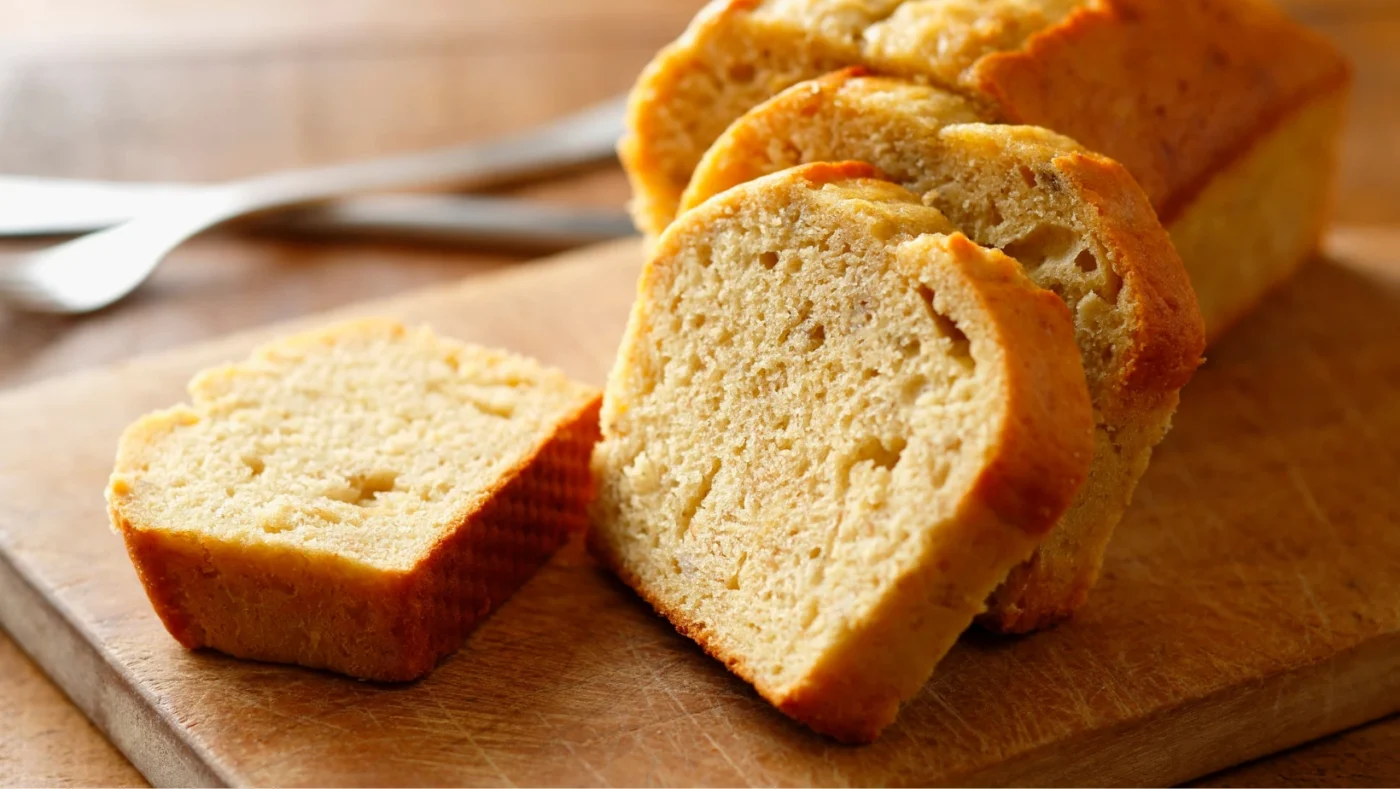

The best bread for diabetics is one that keeps postprandial glucose below 140 mg/dL two hours after eating. According to the American Diabetes Association, carbohydrate quality matters more than carbohydrate quantity for blood sugar control.
Most breads sold in American grocery stores cause glucose to spike above 160 mg/dL within 30 minutes. This article covers which breads work, which ones spike glucose fast, how to read labels correctly, and practical ways to eat bread without wrecking blood sugar.
Why Bread Affects Blood Sugar in Diabetes
Not all bread spikes blood sugar equally. The difference lies in fiber content, processing method, and how fast starch converts to glucose in the gut. Understanding this helps diabetics make choices that work, not just choices that sound healthy.
Refined Carbohydrates and Glucose Spikes
White bread converts to glucose within 15 to 20 minutes of eating. The starch in refined flour has no fiber barrier slowing it down. Blood glucose rises fast and peaks high.
A 2018 study in Cell found that white bread caused glucose spikes comparable to pure sugar in most participants. The glycemic index of bread and diabetes management are directly linked; white bread sits at a GI of 75, nearly identical to table sugar at 65.
Fiber Slowing Sugar Absorption
Fiber physically slows the rate glucose enters the bloodstream. Every additional gram of fiber in a bread serving reduces its glycemic impact measurably. Bread with 3g of fiber per slice produces a smaller glucose spike than bread with 0.5g per slice, even at the same carbohydrate count.
Portion Size and Carbohydrate Load
One slice of standard white bread contains 15g of carbohydrates. Two slices at breakfast add 30g before any toppings. For someone with Type 1 or type 2 diabetes targeting 15 to 20g of carbs per meal, two slices of the wrong bread consumes the entire carbohydrate budget in one food item alone.
Healthiest Bread for Diabetes
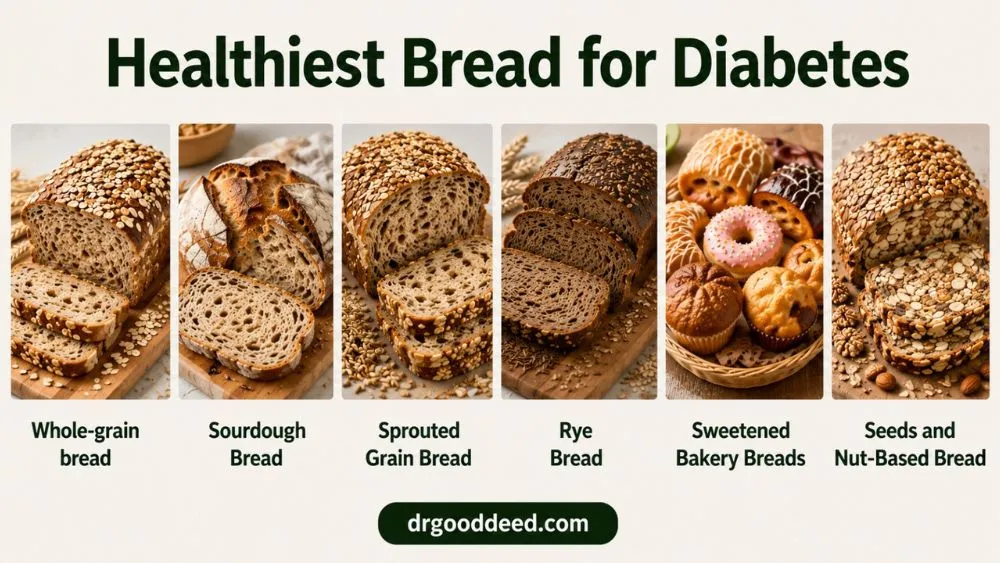
The healthiest bread for diabetes delivers at least 3g of fiber per slice, contains no added sugar in the first three ingredients, and has a glycemic index below 55. These breads raise blood glucose slowly and keep it stable for longer.
Whole Grain Bread for Diabetes
Whole-grain bread for diabetes keeps the bran and germ of the grain intact. This preserves fiber, B vitamins, and magnesium. Look for “100% whole grain” as the first ingredient, not “whole grain flour blend.” Whole-grain bread with 3g of fiber per slice has a GI of approximately 51, versus 75 for white bread made with the same wheat kernel stripped of its fiber.
Sourdough Bread
Traditional sourdough fermentation lowers the glycemic index to 54, compared to regular white bread at 75. The lactic acid produced during fermentation slows starch digestion in the gut.
A 2020 study in the British Journal of Nutrition found that sourdough bread produced a 25% lower glucose response than standard bread matched for carbohydrates. Sourdough made with refined white flour still spikes blood sugar. Look for sourdough made with whole rye or whole wheat specifically.
Sprouted Grain Bread
Sprouted grain bread, like Ezekiel 4:9 brand, has a GI of 36. Sprouting partially converts starch to simpler sugars before baking, which sounds counterintuitive but actually reduces the overall glycemic load. It also increases protein content to 4 to 5g per slice, making it one of the best choices for blood sugar stability. This is best bread for diabetics at the commercial level.
Rye Bread
Dense rye bread has a GI of 41 to 50. The high viscous fiber content slows gastric emptying significantly. A 2021 American Journal of Clinical Nutrition study found rye bread reduced postprandial glucose peaks by 19% compared to wheat bread. Choose 100% rye, not rye-wheat blends, which often contain more wheat than rye despite the name.
High-Fiber Low-Carb Bread
Brands like Dave’s Killer Bread Thin-Sliced or Sara Lee 45 Calories and Delightful deliver 5g of fiber per slice at 9g of net carbs. These are practical options for people managing strict daily carbohydrate targets. Always verify the fiber-to-carb ratio on the label rather than trusting the front packaging claims.
Protein-Rich Bread for Diabetics
Protein-rich bread for diabetics reduces blood glucose response by slowing gastric emptying and stimulating glucagon-like peptide-1 (GLP-1), a hormone that improves insulin sensitivity. Most standard breads deliver 2 to 3g of protein per slice. Better options reach 5 to 7g.
Benefits of Protein for Blood Sugar Stability
Protein at 25 to 30g per meal reduces the postprandial glucose response to carbohydrates in the same meal by up to 40%, per research published in Diabetes Care. Choosing bread that contributes 4 to 5g of protein per slice adds meaningfully to this total without requiring extra food.
Seeds and Nut-Based Bread Options
Bread containing flaxseed, sunflower seeds, sesame, or pumpkin seeds provides both protein and omega-3 fatty acids. Flaxseed bread typically delivers 4g of protein and 3g of fiber per slice. Almond flour bread reaches 6g of protein per slice with a GI below 25. These qualify as protein-rich bread for diabetics and are the strongest choices for metabolic stability.
Balancing Carbs With Protein Intake
The ideal slice of best bread for diabetics contains a fiber-to-carb ratio above 1:5. For every 5g of carbohydrates, look for at least 1g of fiber. Bread hitting 3g fiber at 15g carbs meets this standard. Bread with 0.5g fiber at 15g carbs does not, regardless of its packaging claims.
Bread Types That May Raise Blood Sugar Quickly
Some breads cause glucose spikes that rival candy. They belong off the diabetic shopping list entirely.
White Bread and Refined Flour Products
White sandwich bread: GI 75. Baguette: GI 95. Ciabatta: GI 71. Plain white hamburger buns: GI 73. These spike blood glucose within 15 to 20 minutes. The glycemic index of bread and diabetes risk shows the most damaging correlation in refined flour products, which strip all natural fiber from the grain before baking.
Sweetened Bakery Breads
Cinnamon raisin bread contains 9 to 12g of added sugar per slice. Hawaiian sweet rolls contain 7g per roll. These spike blood sugar through both starch and added sugar simultaneously, producing glucose peaks above 200 mg/dL in people with poorly controlled Type 2 diabetes.
Highly Processed Packaged Breads
Many breads labeled “whole wheat” or “multigrain” contain caramel coloring to appear brown. Check the ingredient list. If enriched white flour or bleached flour appears before whole wheat, the bread is primarily refined. These are among the worst choices under the label of best bread for diabetics on store shelves today.
How to Choose Bread for Diabetes
Choosing the right best bread for diabetics takes 60 seconds at the store. Three numbers tell the whole story.
Checking Fiber and Protein Content
Target: at least 3g of fiber per slice and at least 4g of protein per slice. Fiber controls the speed of glucose absorption. Protein extends satiety and reduces overall glucose response. Both numbers appear on the Nutrition Facts label, not the front packaging.
Avoiding Added Sugars
Check the “Added Sugars” line specifically. Under 2g of added sugar per slice is acceptable. Over 4g per slice eliminates the bread from consideration immediately. Ingredients like high fructose corn syrup, honey, molasses, and dextrose all qualify as added sugars and appear in dozens of “whole grain” packaged breads.
Understanding Ingredient Lists
Ingredients appear in descending order by weight. “Whole wheat flour” as the first ingredient is acceptable. “Enriched bleached flour” as the first ingredient, even with “whole wheat” mentioned later, means the bread is primarily refined. The first three ingredients define the product.
Best Ways to Eat Bread Without Spiking Blood Sugar
Choosing best bread for diabetics is only part of the solution. How bread gets eaten determines the actual glucose response.
Pairing Bread With Protein and Healthy Fats
Adding two eggs, 2 tablespoons of almond butter, or half an avocado to a slice of whole grain bread reduces the glycemic response of that meal by 30 to 40%. Fat and protein slow gastric emptying, delaying glucose absorption. Never eat bread alone as a snack.
Portion Control Strategies
One slice of bread per meal, not two, keeps carbohydrates within a manageable range. Open-faced sandwiches cut carb intake in half automatically. Using a food scale for the first 2 weeks builds accurate portion awareness better than estimating visually.
Timing Carbohydrates Wisely
A 10-minute walk after eating bread reduces postprandial glucose by 22%, per a 2022 Sports Medicine meta-analysis. Eating bread at breakfast, when physical activity follows, produces a lower glucose response than eating the same bread at a sedentary dinner.
Breakfast and Snack Ideas Using Diabetic-Friendly Bread
The healthiest bread for diabetes works best in meals designed around blood sugar stability, not just hunger.
Avocado and Egg Toast
One slice of sprouted grain bread, half an avocado (15g monounsaturated fat, 5g fiber), and one poached egg (6g protein). Total carbs: approximately 18g. Total protein: 10g. This combination produces a flat postprandial glucose curve in most people with Type 2 diabetes.
Nut Butter on Whole Grain Bread
Two tablespoons of almond butter on one slice of whole-grain bread for diabetes provides 8g of protein, 4g of fiber, and 14g of healthy fat. Blood glucose response stays low for 2 to 3 hours after eating. Avoid sweetened peanut butter varieties with added sugar.
High-Fiber Sandwich Options
Build sandwiches with turkey or chicken breast (25g protein), spinach, tomato, and mustard on one slice of rye or sprouted bread. Total carbs from bread: 15g. Total fiber: 4g. This structure keeps glucose below 140 mg/dL at the 2-hour postprandial mark.
Common Bread Mistakes People With Diabetes Make
Even people who research best bread for diabetics make consistent errors that undermine blood sugar control.
Assuming “Brown Bread” Is Always Healthy
Brown bread gets its color from molasses or caramel coloring in many commercial products. Color tells nothing about fiber content. Always check the label. A loaf of “brown bread” with 0.5g of fiber per slice and enriched flour as the primary ingredient raises blood sugar as fast as white bread.
Ignoring Serving Size
A standard “serving” on a bread label is one slice. Most people eat two slices and double every number on the label. Two slices of a bread with 30g of carbs total equals 60g of carbohydrates per sandwich, which exceeds the recommended carbohydrate budget for an entire meal for many people with Type 2 diabetes.
Choosing Low-Fiber Bread Products
Many “light” or “diet” breads reduce calories by cutting slice size, not by improving fiber content. A 45-calorie slice may still contain only 1g of fiber. Gluten-free bread for diabetics often falls into this trap; most gluten-free loaves use rice flour or tapioca starch, which have a GI above 70 and very low fiber.
FAQs
Which bread has the lowest impact on blood sugar levels?
Ezekiel 4:9 sprouted grain bread has a GI of 36, the lowest of any commercially available bread. It provides 4g of protein and 3g of fiber per slice at 15g total carbs. No other mainstream bread matches this combination for blood sugar stability.
Is sourdough bread healthier for diabetes than white bread?
Yes. Traditional whole wheat or rye sourdough has a GI of 54 versus white bread’s GI of 75. The fermentation process creates lactic acid that slows starch digestion. A 2020 British Journal of Nutrition study confirmed a 25% lower glucose response for sourdough versus standard bread.
How much bread can a person with diabetes eat safely?
One slice per meal, up to 2 slices per day, using best bread for diabetics options with at least 3g of fiber and 4g of protein per slice. Total daily carbohydrates from bread should stay under 30g. Pairing bread with protein and fat at every serving reduces glucose response regardless of quantity.
Does toasting bread lower its glycemic impact?
Yes. Toasting bread reduces its GI by approximately 8 to 10 points. A bread with a GI of 70 untoasted drops to around 62 after toasting. Cooling toasted bread further increases resistant starch content, lowering GI another 5 points. Toasted, cooled sprouted grain bread produces the lowest glucose response of any sandwich base tested in clinical settings.
Are multigrain breads always better for diabetes?
No. Multigrain means multiple grains were used, not that those grains are whole. Many multigrain breads use refined versions of multiple grains. Check that “whole” precedes each grain listed. If enriched flour appears anywhere in the first three ingredients, the multigrain label is misleading.
Can high-fiber bread improve fullness and appetite control?
Yes. Bread with 5g of fiber per slice reduces ghrelin (hunger hormone) levels for 2 to 3 hours post-meal, per a 2019 Appetite journal study. Lower ghrelin means fewer mid-morning cravings. High-fiber bread is the best choice for diabetics choices directly reduce total daily caloric intake by suppressing appetite between meals.
Why do some brown breads still raise blood sugar quickly?
Brown color in commercial bread frequently comes from molasses, caramel coloring, or brown sugar added to white flour dough. These ingredients add color without adding fiber. A loaf of “100% whole grain” with caramel coloring and 0.5g fiber per slice raises blood glucose identically to white bread. Color is a marketing choice, not a nutritional indicator.
Is gluten-free bread safer for diabetics?
No. Gluten-free bread for diabetics is not automatically safer. Most gluten-free loaves use rice flour, tapioca starch, or potato starch, all with a GI above 70. Many contain less fiber than standard white bread. Gluten-free bread for diabetics only makes sense for people with celiac disease, not as a general blood sugar strategy.
What ingredients should be avoided in packaged bread?
Avoid enriched bleached flour, high fructose corn syrup, dextrose, maltose, and partially hydrogenated oils. Any bread listing these in the first five ingredients raises blood sugar fast. Glycemic index of bread and diabetes risk correlates directly with these additives, confirmed by multiple ADA dietary guideline reviews.
What is the best way to combine bread with protein and healthy fats?
Pair one slice of sprouted or rye bread with 2 tablespoons of almond butter (8g protein, 14g fat) or two eggs (12g protein, 10g fat). This combination reduces the glycemic response of the bread by 35 to 40%. Fat and protein slow glucose absorption at the intestinal level, independent of the bread’s own GI value.