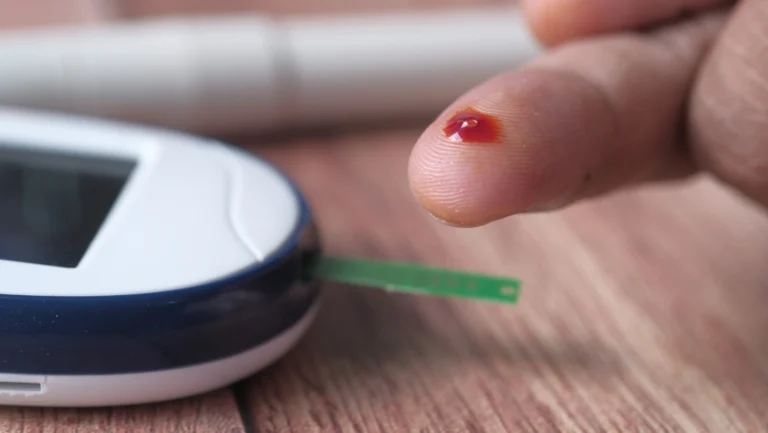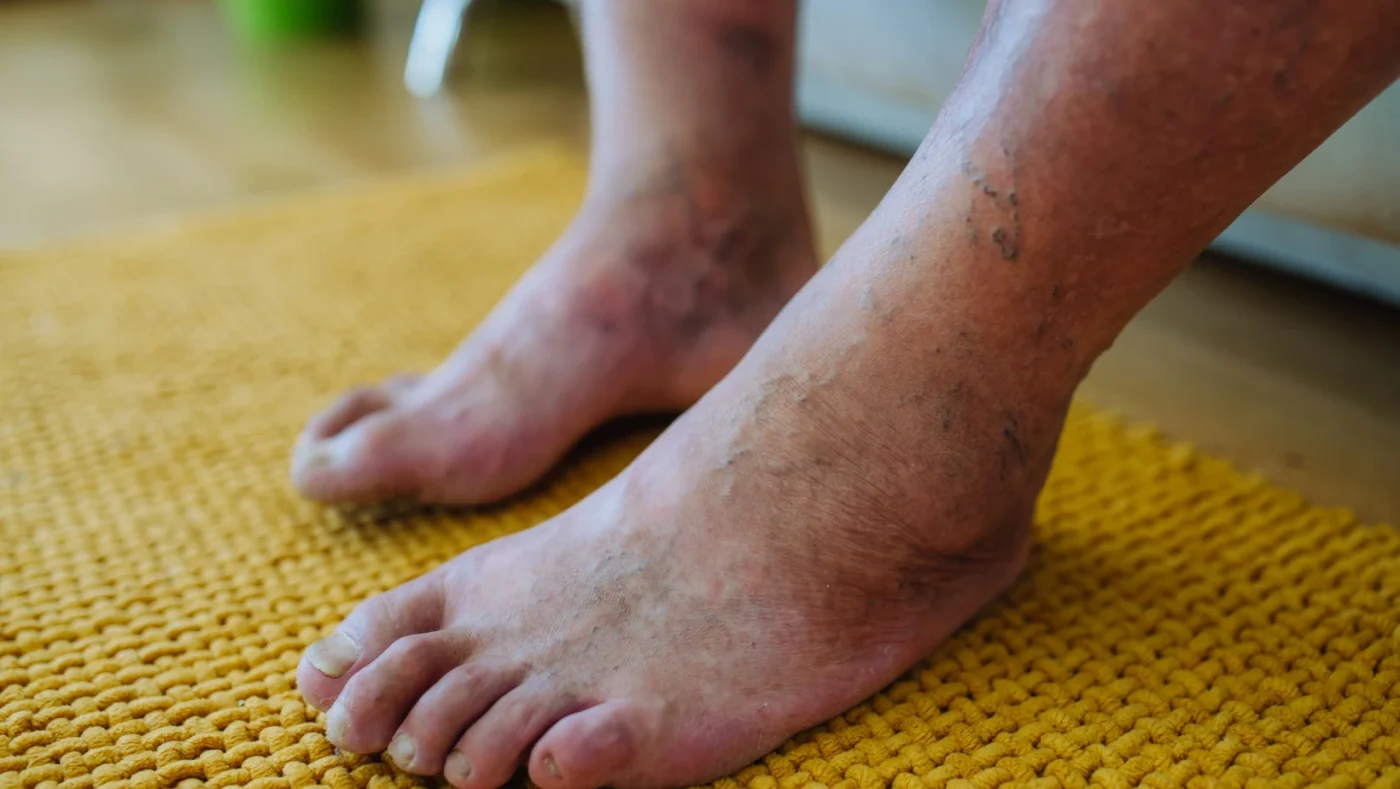

Diabetic neuropathy can be reversed in early stages, yes, partial reversal is possible with tight blood sugar control and targeted treatment. In advanced stages, full reversal is unlikely, but progression can stop and symptoms can improve significantly.
Diabetic neuropathy (nerve damage caused by diabetes) affects roughly 50% of people with diabetes in the United States. Understanding which stage you’re in determines what’s realistically achievable.
What Is Diabetic Neuropathy?
Diabetic neuropathy is nerve damage caused directly by prolonged high blood sugar. Nerves throughout the body carry signals between the brain and organs, muscles, and skin. When blood sugar stays high for years, it damages the tiny blood vessels that supply nerves with oxygen and nutrients. Starved of nourishment, nerves stop sending signals correctly.
Diabetic neuropathy can be reversed partially when caught early. The peripheral nerves (nerves in the feet, hands, and legs) are most affected first, but autonomic nerves (controlling heart rate, digestion, and bladder) can also sustain damage in longer-standing diabetes.
High Blood Sugar Causing Nerve Damage
High blood sugar causing nerve damage is a gradual, chemical process. Excess glucose chemically alters nerve proteins through a process called glycation (sugar molecules binding to proteins). This stiffens and damages nerve fibers over time. High blood sugar also reduces blood flow in the tiny capillaries (small blood vessels) that supply nerves.
Additionally, high blood sugar causing nerve damage activates inflammatory pathways that further impair nerve regeneration. The longer blood sugar stays elevated, the greater the accumulated nerve injury. This is why HbA1c (3-month average blood sugar) below 7% is the primary treatment target for slowing neuropathy progression.
Symptoms of Diabetic Neuropathy
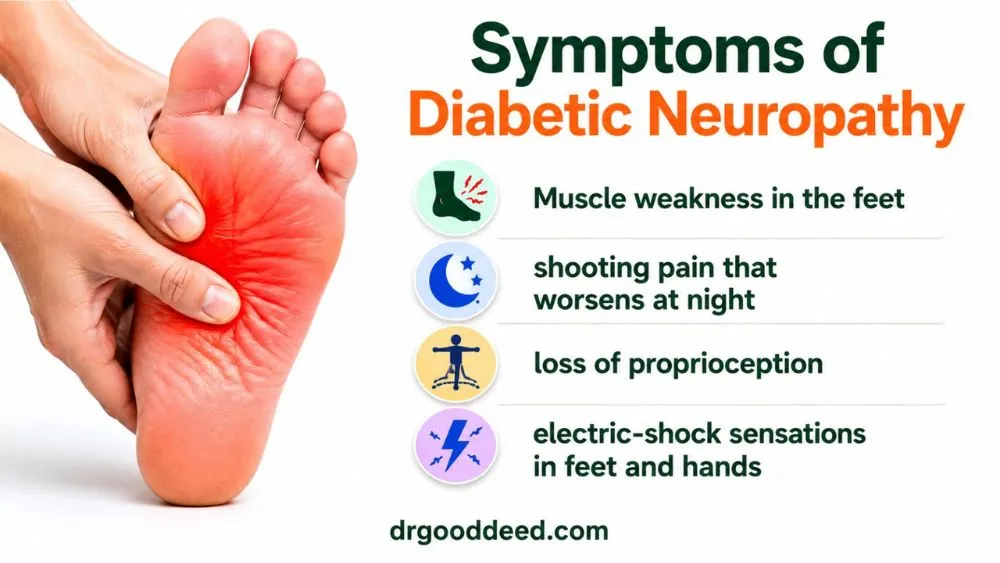
Symptoms depend on which nerves sustain damage and how advanced the injury is.
Peripheral neuropathy (most common type) symptoms:
- Tingling, burning, or electric-shock sensations in feet and hands
- Numbness starting at the toes and moving upward
- Balance problems diabetic nerve damage causes; loss of proprioception (awareness of foot position) makes walking unsteady
- Muscle weakness in the feet and lower legs
- Sharp, shooting pain that worsens at night
Autonomic neuropathy symptoms (less visible but serious):
- Irregular heart rate
- Digestive problems (gastroparesis; delayed stomach emptying)
- Bladder dysfunction and sexual dysfunction
Balance problems diabetic nerve damage are particularly dangerous because they increase fall risk, leading to fractures in people who may already have slower healing.
Stages of Diabetic Neuropathy Recovery
Stages of diabetic neuropathy recovery are directly tied to how much nerve damage exists before treatment begins.
Stage 1 (Early nerve irritation): Nerves are stressed but not structurally destroyed. Symptoms include intermittent tingling and mild burning. At this stage, Diabetic neuropathy can be reversed fully. Strict blood sugar control (HbA1c under 7%) stops further damage and allows partial nerve repair over 6 to 24 months.
Stage 2 (Partial damage with functional loss): Numbness becomes consistent. Nerve conduction tests show slowed signals. Reversal is partial at this stage; symptoms improve but rarely disappear completely. Some nerve fiber regeneration occurs with sustained glucose control.
Stage 3 (Advanced damage with structural changes): Nerve fibers are permanently lost. Loss of protective sensation in feet creates ulcer and amputation risk. At this stage, the stages of diabetic neuropathy recovery focus on preventing further loss and managing pain rather than reversal.
How to Improve Diabetic Nerve Damage
Improving diabetic nerve damage starts with one intervention above all others: lowering blood sugar and keeping it stable.
Blood sugar control: Reducing HbA1c from 10% to 7% measurably slows nerve deterioration and allows some regeneration in early-to-moderate neuropathy. This is the single most effective intervention, outperforming any medication.
Exercise and circulation support: Physical activity improves blood flow to peripheral nerves. Walking 30 minutes daily increases small blood vessel density in leg tissues, improving nerve oxygen delivery. Nerve fibers partially regrow when given adequate circulation.
Nutritional support: B vitamins (especially B1, B6, and B12) are critical for nerve health. Deficiency in B12 independently causes neuropathy. Alpha-lipoic acid (an antioxidant) reduces oxidative nerve damage and improves pain and tingling in clinical trials. Improving diabetic nerve damage with supplements requires confirming deficiencies first, particularly B12, which metformin (a common diabetes drug) depletes over time.
Long-Term Uncontrolled Diabetes Nerve Damage
Long-term uncontrolled diabetes nerve damage represents the most serious and least reversible end of the neuropathy spectrum. When blood sugar remains elevated for 10 to 20 years, nerve loss becomes structural and irreversible.
Consequences of long-term uncontrolled diabetes nerve damage:
- Loss of protective sensation: Feet can no longer feel heat, pressure, or pain. Injuries go unnoticed and untreated.
- Foot ulcers and infections: Undetected wounds become infected. Infection spreads to bone (osteomyelitis). This is the primary cause of non-traumatic lower limb amputations in the United States; diabetes accounts for over 100,000 amputations annually.
- Charcot foot: Structural foot collapse from undetected fractures in numb feet
- Autonomic failure: Heart rate irregularities, digestive paralysis, and blood pressure drops on standing (orthostatic hypotension)
Balance problems diabetic nerve damage becomes permanent at this stage, with falls and fractures becoming recurring risks.
Treatment Options for Diabetic Neuropathy
Diabetic neuropathy cannot be reversed with medication, but symptoms are significantly manageable.
Blood sugar management: The foundational treatment. Target HbA1c under 7% through diet, exercise, and medication as needed.
Medications for nerve pain:
- Pregabalin (Lyrica) and gabapentin: Reduce nerve pain signals; first-line treatments
- Duloxetine (Cymbalta): Antidepressant with strong nerve pain evidence; FDA-approved for diabetic neuropathy
- Tricyclic antidepressants (amitriptyline): Older option; effective but more side effects
- Topical capsaicin cream: Reduces pain signals locally without systemic effects
- Lidocaine patches: For localized burning pain
Physical therapy: Gait training, balance exercises, and strength work reduce fall risk and support remaining nerve function. For people with advanced balance problems diabetic nerve damage, physical therapy is often the most functional intervention available.
Lifestyle Habits That Support Nerve Health
Diabetic neuropathy can be reversed faster with better daily habits. These habits directly support nerve repair and slow progression:
- Daily foot inspection: Check feet every day for cuts, blisters, or sores that numb nerves might miss. Early detection prevents infections from escalating.
- Proper footwear: Diabetic-specific shoes with extra depth and cushioning reduce pressure points and injury risk.
- No smoking: Smoking constricts blood vessels, directly worsening nerve oxygen delivery. Quitting measurably improves peripheral circulation within weeks.
- Alcohol limitation: Alcohol independently causes diabetes and worsens diabetic nerve injury.
- Consistent blood sugar monitoring: Knowing post-meal glucose levels allows faster dietary correction before sustained damage occurs.
Can Exercise Help Neuropathy Symptoms?
Yes. Exercise is among the most evidence-backed interventions for diabetic neuropathy symptoms. Diabetic neuropathy cannot be reversed with exercise alone, but exercise delivers measurable symptom improvement.
Improving blood flow to nerves: Aerobic exercise (walking, cycling, swimming) increases capillary density in the legs, improving oxygen and nutrient delivery to damaged nerves. Studies show 16 weeks of consistent aerobic exercise reduces pain scores significantly in people with diabetic neuropathy.
Supporting balance and muscle strength: Resistance training and balance-specific exercises (single-leg standing, heel-to-toe walking) directly reduce fall risk. Balance problems diabetic nerve damage, respond well to targeted exercise programs; falls can be reduced by 30 to 40% with consistent balance training.
Reducing insulin resistance: Exercise lowers insulin resistance, improving blood sugar control without additional medication. This creates a compound benefit for nerve health over time.
When Diabetic Neuropathy Requires Urgent Medical Attention
Seek immediate medical attention if:
- A foot wound, blister, or sore does not heal within 2 to 3 days
- Redness, warmth, or swelling spreads around a foot wound
- Sudden severe worsening of numbness, weakness, or pain in the feet or legs
- Inability to walk or significant new balance problems diabetic nerve damage has caused
- Signs of infection: fever, wound drainage, or foul odor from a foot injury
These situations carry amputation risk if delayed. People with long-term uncontrolled diabetes nerve damage should treat any foot wound as a medical emergency, not a wait-and-see situation.
FAQs
Can early diabetic nerve damage improve with better blood sugar control?
Yes. Early diabetic neuropathy responds well to sustained glucose control. Reducing HbA1c to below 7% and maintaining it there for 6 to 12 months measurably improves nerve conduction velocity and reduces tingling and burning. The earlier intervention begins, the more recovery is possible. Advanced structural nerve loss does not reverse.
Why does high blood sugar damage nerves over time?
High blood sugar causing nerve damage works through glycation (sugar chemically binding to nerve proteins, stiffening them) and by impairing blood flow in the tiny capillaries that deliver oxygen to nerves. Nerves starved of oxygen and nutrients stop functioning correctly, first causing pain and tingling, then numbness as fibers die.
Is numbness from diabetic neuropathy permanent?
Not always. Early numbness with intact nerve structure can partially reverse with glucose control. Diabetic neuropathy can be reversed when numbness is present. If nerve fibers still exist, improvement is possible over 12 to 24 months. Once nerve fibers are structurally gone (confirmed by nerve biopsy or skin punch biopsy), numbness becomes permanent.
Can exercise improve circulation and nerve function in diabetes?
Yes. Regular aerobic exercise increases small blood vessel density in the legs, improving nerve oxygen supply. Sixteen weeks of consistent walking 3 to 5 times weekly reduces neuropathy pain scores by 20 to 30% in clinical studies. Balance training specifically cuts fall risk, one of the most dangerous consequences of diabetic neuropathy.
What are the first signs of diabetic neuropathy?
The first signs are typically tingling, burning, or “pins and needles” in the tips of the toes, usually worse at night. Some people notice mild numbness before pain begins. Early symptoms appear when blood sugar has been poorly controlled for 5 or more years. High blood sugar causing nerve damage starts at the smallest nerve fibers first.
How does uncontrolled diabetes affect balance and walking ability?
Balance problems diabetic nerve damage stem from loss of proprioception, the body’s ability to sense foot position without looking. When nerves in the feet can’t relay position signals to the brain, balance becomes unreliable. Walking on uneven surfaces becomes dangerous. This worsens significantly with long-term uncontrolled diabetes nerve damage affecting multiple nerve pathways.
Are there vitamins that support diabetic nerve health?
Yes. Vitamin B12 deficiency (common in metformin users) independently causes neuropathy and worsens diabetic nerve damage. B12 supplementation is essential in metformin users. Alpha-lipoic acid (600mg daily) reduces oxidative nerve damage and improves pain scores in clinical trials. Benfotiamine (fat-soluble B1) reduces glycation damage in nerve tissue.
Can diabetic neuropathy worsen even without pain?
Yes. Pain is not a reliable indicator of nerve health. Many people with advanced neuropathy feel no pain because the pain-sensing nerves themselves have died. Diabetic neuropathy can be reversed silently worsening without pain. The most dangerous stage, complete loss of protective sensation, is painless. Regular neurological exams catch progression even when symptoms seem absent.
How long does it take to notice improvement in neuropathy symptoms?
Improvement in early neuropathy begins within 3 to 6 months of sustained HbA1c reduction to under 7%. Full symptomatic benefit takes 12 to 24 months. Stages of diabetic neuropathy recovery determine the timeline: early-stage recovery is faster, and advanced damage shows minimal improvement regardless of control duration.
When should diabetic nerve symptoms become a medical emergency?
Any foot wound that doesn’t heal within 48 to 72 hours requires same-day medical evaluation. Sudden weakness in a leg, loss of ability to walk, or rapid spread of foot swelling or redness are emergencies. Diabetic neuropathy cannot be reversed after an amputation. Prevention through early intervention is the only real strategy for the most serious outcomes.