
Foods high in vitamin C help the body make collagen, support immune cell, and protect cells from oxidative stress. In the U.S., adults usually need 90 mg a day for men and 75 mg for women, with 35 mg more for smokers.
This matters because low intake can weaken connective tissue and slow healing. Foods high in vitamin C are useful for people who eat few fruits and vegetables, smoke, or need better skin and wound support.
This guide covers the best food sources, simple cooking tips, early deficiency signs, and when food beats supplements. Foods high in vitamin C are easy to fit into normal meals, and the strongest choices are often already in the grocery store.
Why Vitamin C Is Important for Health
Foods high in vitamin C matter because this nutrient supports three jobs at once, immune defense, collagen production, and antioxidant protection. It also helps the body absorb iron from plant foods, which matters for energy and blood health.
- It supports the immune system.
- It helps the body make collagen.
- It helps wounds close and skin stay firm.
- It protects cells from free radical damage.
Vitamin C Rich Foods List
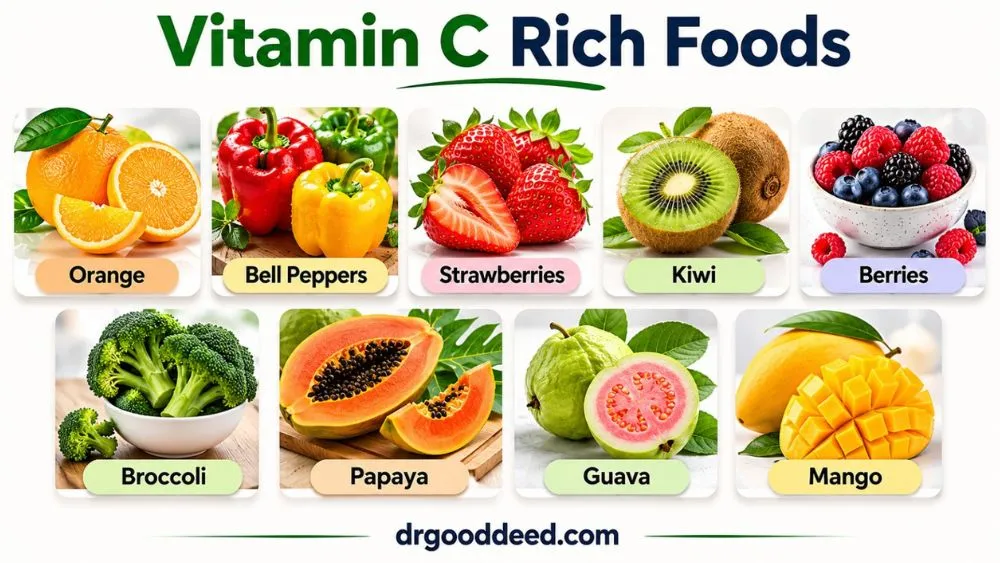
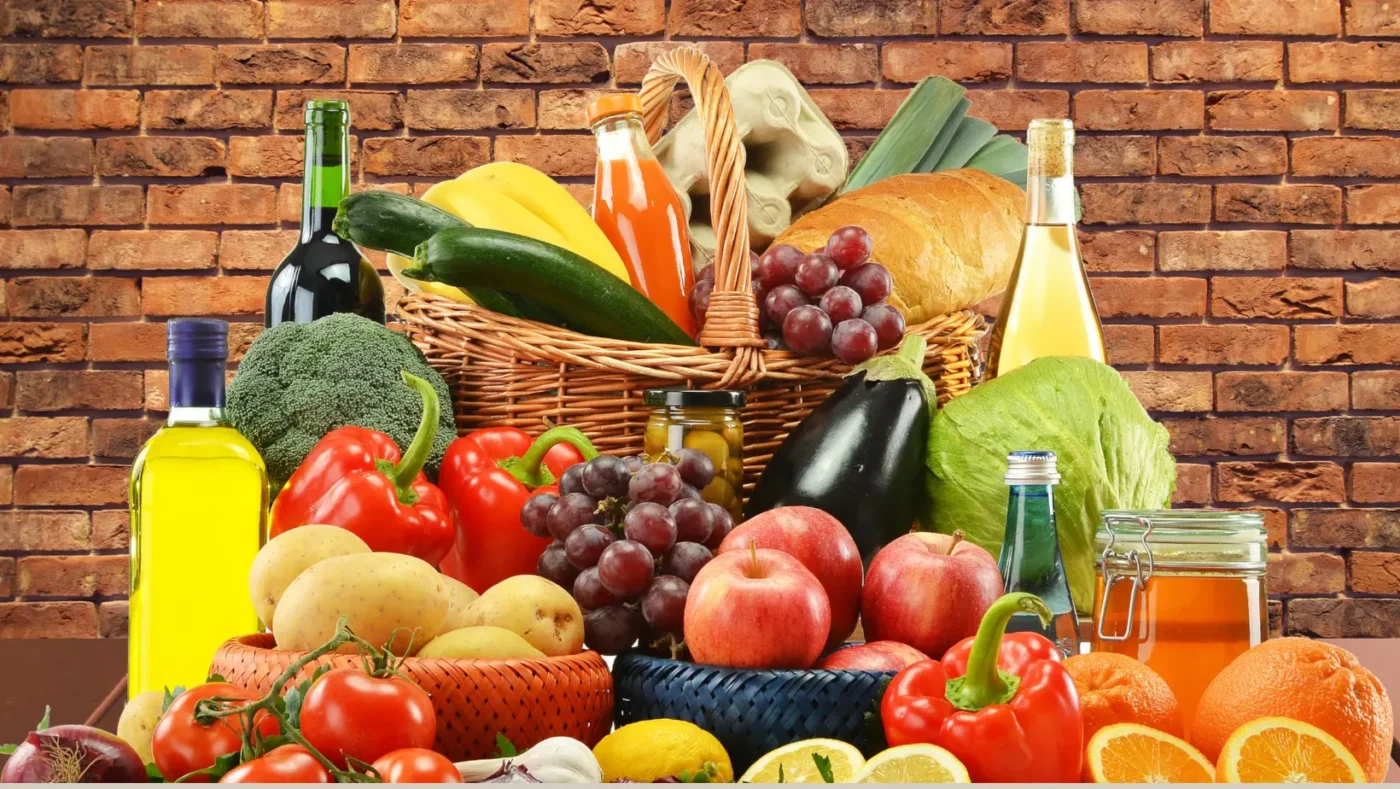
This vitamin C-rich foods list gives the best everyday options for U.S. shoppers. The highest picks are often colorful produce, and many are cheap, easy to keep at home, and simple to eat raw or lightly cooked. Foods high in vitamin C include fruit, vegetables, and even tomatoes.
Citrus fruits like oranges and lemons
Citrus is the classic source, and oranges, grapefruits, lemons, and limes remain easy options. Orange juice also supplies vitamin C, but whole fruit gives more fiber and usually feels more filling.
- Add orange slices to breakfast.
- Use lemon juice on vegetables.
- Keep clementines in a lunch bag.
Bell peppers and tomatoes
Red, yellow, and orange bell peppers are among the strongest everyday foods high in vitamin C. Tomatoes also count, especially when eaten fresh or used in simple sauces with short cooking time.
- Snack on raw pepper strips.
- Add tomatoes to sandwiches and salads.
- Use salsa on eggs, beans, or chicken.
Strawberries, kiwi, and berries
Strawberries and kiwi give a strong vitamin C hit with very little prep. Blueberries help too, and they fit well into yogurt, oatmeal, or plain snacks without added sugar.
- Mix strawberries into yogurt.
- Slice kiwi into fruit bowls.
- Freeze berries for later use.
Broccoli and leafy vegetables
Broccoli, bok choy, and other leafy greens bring vitamin C along with folate and fiber. These foods high in vitamin C work well steamed, stir-fried, or eaten raw when the texture allows it.
- Steam broccoli for a short time.
- Add greens to soups at the end.
- Toss raw bok choy into salads.
Tropical fruits high in vitamin C
Guava, papaya, mango, pineapple, and similar tropical fruits are useful when you want variety. They help you to add more vitamin C foods to diet without repeating the same fruit every day.
- Use papaya in breakfast bowls.
- Add mango to salsa.
- Keep guava as a snack when available.
Vitamin C Foods for Skin Health
Vitamin C foods for skin health work because collagen gives skin structure. Vitamin C also acts as an antioxidant, which helps reduce damage from sun exposure and daily pollution. Normal skin contains high vitamin C levels for this reason.
Collagen production support
Vitamin C foods for skin health support collagen, the protein that helps skin stay firm and helps cuts close. Without enough vitamin C, collagen production drops and skin tissue gets weaker.
Skin repair and healing benefits
Vitamin C supports repair after minor skin injury. Vitamin C foods for skin health are useful when skin needs new tissue fast, such as after scratches, acne healing, or dry, stressed skin.
Antioxidants reducing skin damage
Vitamin C helps neutralize free radicals from smoke, air pollution, and sunlight. That does not replace sunscreen, but it supports the skin from the inside.
Vitamin C and Wound Healing
Vitamin C and wound healing are closely linked because the body needs collagen to rebuild tissue. Vitamin C also helps immune cells work during the early healing stage. Low intake can slow recovery and weaken tissue.
Tissue repair and collagen formation
Vitamin C and wound healing depend on collagen building. When intake stays low, the body repairs skin and connective tissue more slowly, and wounds can stay open longer.
Immune support during healing
Vitamin C and wound healing also matter because the immune system needs vitamin C during inflammation and recovery. Food sources work best when daily intake stays steady, not just after an injury starts.
Importance after illness or injury
After an illness, surgery, or a slow-healing wound, steady intake matters more than a one-day dose. Vitamin C and wound healing work best when meals already include fruits and vegetables, especially in the days before and after injury.
Best Ways to Preserve Vitamin C in Cooking
The best ways to preserve vitamin C in cooking focus on time, heat, and water. Vitamin C is water-soluble and heat-sensitive, so long boiling causes the biggest loss.
Avoiding excessive heat exposure
The best ways to preserve vitamin C in cooking start with short cooking times. High heat for too long breaks down vitamin C faster than quick cooking does.
Steaming instead of prolonged boiling
The best ways to preserve vitamin C in cooking often include steaming, microwaving with little water, or quick stir-frying. These methods keep more vitamin C in vegetables than soaking or boiling them for too long.
Eating raw vitamin C rich foods when possible
Raw fruit, salads, and crunchy vegetables keep vitamin C intact. The best ways to preserve vitamin C in cooking also include cutting food close to eating time, since air and long storage can reduce its quality.
Signs You May Not Be Getting Enough Vitamin C
Foods high in vitamin C are worth paying attention to because low intake can show up in daily life before severe deficiency starts. Common signs include tiredness, slow wound healing, gum problems, and easy bruising. Severe lack can lead to scurvy.
Fatigue and weakness
Low vitamin C can cause fatigue and malaise. If energy stays low and the diet lacks produce, check fruit and vegetable intake first.
Slow wound healing
Slow healing is one of the clearest warning signs. Skin cuts, mouth sores, and sore gums can take longer to recover when vitamin C intake stays too low.
Frequent illness or gum problems
Bleeding gums, swelling, and repeated minor infections can show up with poor intake. These are stronger red flags when the diet rarely includes foods high in vitamin C.
Common Mistakes That Reduce Vitamin C Intake
If you want to add more vitamin C foods to diet, the biggest problem is not a lack of supplements. It is low produce intake, too much cooking, and poor food variety.
Skipping fruit at breakfast
Breakfast often has the lowest vitamin C. Use fruit at the first meal, because that makes it easier to add more vitamin C foods to diet before the day gets busy.
Cooking vegetables too long
Long boiling drains vitamin C into the water. That is why quick steaming and raw options work better when you want to add more vitamin C foods to diet without waste.
Relying on one fruit only
Oranges help, but they should not be the only source. The easiest way to add more vitamin C foods to diet is to rotate peppers, kiwi, strawberries, broccoli, and tomatoes.
Can Too Much Vitamin C Cause Problems?
Yes, too much vitamin C can cause stomach upset, diarrhea, and cramps, mostly from high-dose supplements. Food sources rarely cause this problem because the body handles them better and absorbs them in normal amounts.
Digestive discomfort from excess supplements
Large supplement doses can irritate the gut. This is the main reason to stay cautious with pills, especially when foods high in vitamin C already cover most daily needs.
Balance between food and supplementation
Food should come first. Supplements make sense when intake stays low or a clinician advises them, but they should not replace a normal diet built around foods high in vitamin C.
Importance of moderation
Vitamin C works best as a daily pattern, not a rescue dose. Moderate intake from meals is safer and more useful than chasing very high numbers.
FAQs
Which fruit contains the highest amount of vitamin C?
Guava and kiwi usually beat oranges by a wide margin. Among common U.S. fruits, kiwi, strawberries, and citrus are dependable vitamin C-rich foods list for daily use.
Does cooking destroy vitamin C in vegetables?
Yes, long boiling removes the most vitamin C. Short steaming, microwaving, or quick stir frying keeps more of it in the food.
How does vitamin C support collagen and skin health?
Vitamin C helps the body build collagen, which gives skin structure and strength. That is why vitamin C foods for skin health support firmness, repair, and better healing.
Can vitamin C improve wound healing after injury?
Yes, steady intake can support tissue repair and immune activity during healing. Vitamin C and wound healing work best when intake stays normal every day, not only after injury.
What are the best raw foods rich in vitamin C?
Red bell peppers, kiwi, strawberries, citrus, and raw broccoli are strong choices. Raw foods usually keep more vitamin C than heavily cooked foods.
Is lemon water enough to meet daily vitamin C needs?
No, lemon water alone does not usually supply enough vitamin C for the day. It helps a little, but whole fruit and vegetables do far more.
Why do smokers often require more vitamin C intake?
Smoking raises oxidative stress, which lowers vitamin C levels in the body. Smokers need 35 mg more each day than nonsmokers.
Can vitamin C help support immune function during illness?
Yes, but it works best as part of a normal diet. Foods high in vitamin C support immune function more reliably than one large supplement after symptoms start.
What happens if vitamin C intake is consistently low?
Early signs include fatigue, gum issues, easy bruising, and slow healing. Very low intake for weeks can lead to scurvy, which is rare but serious.
Are food sources of vitamin C better than supplements?
Yes, for most people, food sources are better. They supply vitamin C with fiber, water, and other nutrients, while high-dose supplements can upset the stomach.