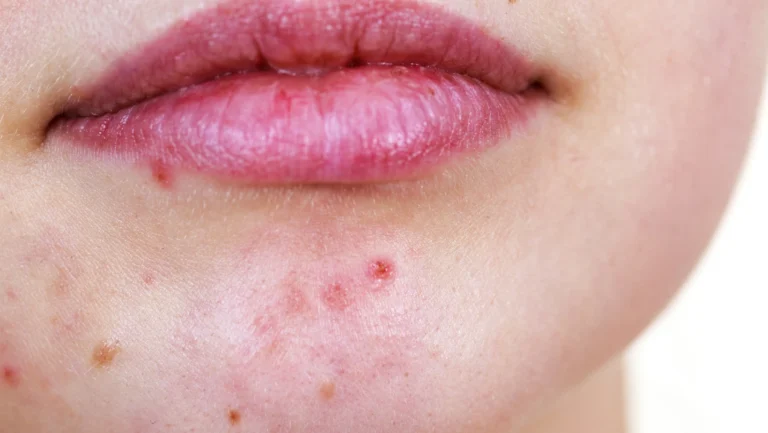

Creatine does not cause acne. Creatine monohydrate is one of the most studied sports supplements in the world, and no clinical trials have established it as a confirmed acne trigger. However, the fitness lifestyle that comes with creatine use, including heavy training, increased sweating, high-protein diets, and whey protein stacking, creates conditions where breakouts become more likely.
Acne affects over 50 million Americans annually, and gym-going adults represent one of the groups most likely to see acne worsen with lifestyle changes. Whether creatine cause acne on your skin depends less on the creatine itself and more on what else you are doing alongside it.
Can Creatine Trigger Breakouts?
Creatine cannot trigger breakouts directly through its chemistry. Creatine is a naturally occurring compound found in meat and fish. Your body also produces it in the liver, kidneys, and pancreas. It does not contain dairy, sugar, or hormone-acne disrupting compounds. It does not spike insulin on its own. So creatine does not cause acne through its own chemistry.
What creatine does is enable harder, longer workouts. More intense training leads to more sweat, higher cortisol (stress hormone), increased body heat, and greater protein demands. Those secondary effects are where the real skin risk comes from.
Indirect Effects Related to Workout Lifestyle
People who start creatine typically push harder in the gym. Harder workouts raise cortisol. Cortisol signals sebaceous glands (oil glands in skin) to produce more sebum (skin oil). More oil production equals more blocked pores. That is an indirect but real pathway from creatine use to breakouts, mediated by training intensity, not by creatine chemistry.
Increased Sweating and Oil Buildup
Creatine draws water into muscle cells to support performance. Training harder with creatine means sweating more per session. Sweat mixed with sebum on the skin surface creates a film that traps dead skin cells inside pores. If you do not shower soon after training, that buildup stays on your skin for hours and directly feeds the acne cycle.
Back acne (called bacne) and chest acne are the most common gym-related breakout patterns. These areas sweat heavily during training and stay in contact with tight, moisture-trapping clothing.
Hormonal Fluctuations During Intense Training
Intense resistance training temporarily raises testosterone. Testosterone drives sebum production. The harder and more frequently you train, the more sustained these testosterone fluctuations become. Creatine supports higher training volume, which means it indirectly amplifies this hormonal pattern for people who use it consistently.
Acne Flare-Ups After Taking Creatine
Acne flare-ups after taking creatine typically appear within two to four weeks of starting supplementation. That timeline aligns with when creatine loads into the muscles and when training intensity increases.
Many people attribute the breakout to creatine itself, but the actual trigger is usually the whey protein they are also taking, the high-calorie bulking diet they have started, or the increase in training frequency.
Individual Sensitivity Differences
Some people do report acne flare-ups after taking creatine even when their diet and training have not changed significantly. The mechanism here is unclear. One possible explanation is that creatine loading (taking high doses in the first five to seven days to saturate muscles) may temporarily affect DHT (dihydrotestosterone, a hormone derived from testosterone).
DHT is a stronger driver of sebum production than testosterone. A 2009 study involving rugby players showed creatine supplementation raised DHT levels by 56% over a three-week period. This remains one of the few studies connecting creatine to a hormone that influences acne.
Other Supplements Combined With Creatine
Most people who take creatine also take whey protein. Whey is a dairy-derived protein that spikes insulin strongly and has well-documented links to hormonal acne. If you start creatine and whey at the same time and develop breakouts, whey is the more likely acne driver, not creatine. Mass gainers that combine creatine with high-sugar calorie fillers are another common hidden trigger.
High-Calorie Bulking Diets and Acne Risk
Many athletes who use creatine are also eating in a caloric surplus (eating more calories than they burn, to build muscle). Bulking diets often include large amounts of refined carbohydrates: white rice, white bread, pasta, and sugary protein bars.
These high-glycemic foods spike insulin and IGF-1 (Insulin-like Growth Factor-1), both of which increase oil production and accelerate the acne breakout cycle.
Workout Lifestyle and Acne Triggers

Workout lifestyle and acne triggers are responsible for most gym-related breakouts, regardless of which supplements you take. Creatine can trigger breakouts indirectly through these habits by enabling harder training that produces more sweat, heat, and cortisol. The acne is not coming from the creatine. It is coming from the combination of sweat, friction, heat, poor post-workout hygiene, and dietary habits that the gym lifestyle creates.
Common gym-related acne triggers:
- Sweat and sebum mixing on skin during and after training, blocking pores within hours
- Tight synthetic gym clothing trapping heat and moisture against skin, especially on the back and chest
- Whey protein supplementation, which spikes insulin independently and is one of the most documented dietary acne triggers
- High-glycemic bulking diets including white bread, pasta, sports drinks, and sugary mass gainers
- Pre-workout supplements containing artificial sweeteners, stimulants, and large amounts of B12 (vitamin B12 supplementation has independent links to acne in high doses)
- Not washing your face before training, which means makeup, sunscreen, and daily debris get mixed into sweat and pushed deeper into pores
- Touching your face during workouts transfers gym equipment bacteria to skin
Does Creatine Affect Hormones Linked to Acne?
Creatine does not cause acne through hormone changes. The evidence is limited, but there is one specific hormonal pathway worth knowing. Pure creatine does not contain hormones. It does not directly raise testosterone or estrogen.
However, the DHT link identified in the 2009 rugby study raises a question that has not been definitively answered by follow-up research.
Testosterone and Acne Concerns
Testosterone converts to DHT through an enzyme called 5-alpha reductase. DHT binds to androgen receptors in sebaceous glands and signals them to produce more oil than testosterone does.
The 2009 study suggested creatine loading may increase the rate of this conversion, temporarily raising DHT without raising testosterone itself. That is a different and more targeted pathway to acne than most people realize.
Limited Evidence About Hormonal Changes
The evidence here is genuinely limited. One study is not sufficient to confirm a direct creatine-DHT-acne chain. No subsequent large-scale trials have replicated those DHT findings in a skin context.
Most sports nutrition researchers classify creatine causing acne as plausible but unproven at the clinical level. The honest answer is that the hormonal pathway is real but the evidence confirming it causes measurable acne is still thin.
Why Acne Triggers Vary Between Individuals
Genetics determine how sensitive your sebaceous glands are to DHT. Someone with naturally DHT-sensitive skin will react more strongly to any small DHT increase. That is why one gym partner can take creatine for years with clear skin while another breaks out within weeks of starting. Skin type, baseline testosterone, and gut health all interact with supplement use in ways that make individual responses hard to predict.
Choosing Supplements That Do Not Worsen Acne
Choosing supplements that do not worsen acne means avoiding the ones with the strongest documented links to breakouts, and keeping your supplement stack as clean as possible.
Supplements most likely to trigger acne:
- Whey protein: dairy-derived, spikes insulin, and contains IGF-1 precursors. The single highest-risk supplement for acne-prone athletes
- Mass gainers: high sugar content spikes insulin consistently
- Pre-workouts with high B12 doses: doses above 1,000 mcg per day are associated with acne in several studies
- Anabolic steroids and SARMs: the most direct hormonal acne triggers in fitness supplementation
Supplements with lower acne risk:
- Creatine monohydrate (pure form, no sugar added): lowest documented risk
- Plant-based protein powders (pea or rice protein): no dairy, lower insulin response than whey
- Magnesium glycinate: reduces cortisol and supports sleep, both of which improve skin
- Zinc: reduces sebum production and kills acne-causing bacteria
Choosing supplements that do not worsen acne comes down to removing dairy-based proteins, cutting sugary formulas, and monitoring your skin response every two to three weeks after starting anything new.
How to Prevent Acne While Taking Creatine
The most effective way to prevent acne while taking creatine is to manage the workout-related skin triggers that creatine indirectly amplifies.
Showering After Workouts
Shower within 30 minutes of finishing your training session. Every additional hour that sweat and sebum sit on your skin increases pore-clogging risk. Use a body wash with salicylic acid (BHA) on acne-prone areas like the back, chest, and shoulders. Salicylic acid dissolves dead skin cells inside pores.
Wearing Breathable Gym Clothing
Wear moisture-wicking fabrics like polyester-spandex blends during training and change out of gym clothes immediately after. Staying in sweaty gym clothing is one of the most direct causes of back and chest acne in athletes. Wash gym clothes after every session. Bacteria grows in unwashed training gear and transfers to skin during the next workout.
Using Gentle Non-Comedogenic Skin Care
Use non-comedogenic (pore-safe) skincare products on your face and body. Look for this label on moisturizers, sunscreens, and body lotions. Wash your face before training if you wear any makeup, sunscreen, or daytime moisturizer. Leaving those products on skin during a sweat session pushes them deeper into pores.
A basic routine to prevent acne while taking creatine is to wash face before training, shower within 30 minutes after, apply a lightweight non-comedogenic moisturizer, and use a salicylic acid body wash on breakout-prone areas at least three times per week.
Common Causes of Acne in Fitness Lifestyles
Most acne in gym-going adults traces back to a short list of consistent lifestyle patterns. Workout lifestyle and acne triggers are predictable once you know what to look for.
The most common acne causes in fitness-focused individuals:
- Whey protein consumption, the single most-documented dietary acne driver for athletes
- High-glycemic bulking diets with excessive white carbs, sugary sports drinks, and mass gainers
- Poor post-workout hygiene: not showering for one or more hours after training
- Friction acne (acne mechanica): from tight gym straps, helmet edges, or tight waistbands pressing against skin during long training sessions
- Sleep deprivation from overtraining: less than six hours of sleep raises cortisol and inflammatory markers, both of which drive breakouts
- Pre-workouts with stimulants: high-dose caffeine raises cortisol, which signals oil glands to produce more sebum
Creatine does not cause acne the way whey or high-glycemic diets do. The evidence does not support creatine as a primary cause. It is typically one of the less likely culprits in a stack full of higher-risk habits.
FAQs
Why Do Some People Notice Breakouts After Starting Creatine?
Most breakouts that appear after starting creatine are actually caused by whey protein or high-calorie bulking diets started at the same time. The only direct creatine-related mechanism is a potential DHT (dihydrotestosterone) increase during loading, based on a 2009 study showing a 56% DHT rise over three weeks in rugby players.
Can Intense Workouts Worsen Acne Even Without Supplements?
Yes. Intense training raises cortisol and testosterone, both of which increase sebum production. Sweat also mixes with sebum to block pores. Athletes who train six or more days per week and skip post-workout showers develop back and chest acne from workout friction and sweat alone, with no supplements involved.
Does Sweating During Exercise Increase Clogged Pores?
Yes. Sweat itself does not clog pores, but sweat combined with sebum, dead skin cells, and gym equipment bacteria creates a surface film that does. Waiting more than one hour to shower after training gives this mixture enough time to push into follicles and start the blockage cycle.
Are Protein Powders More Likely to Trigger Acne Than Creatine?
Yes. Whey protein is a dairy-derived supplement that spikes insulin independently, raises IGF-1, and contains casein, all confirmed acne drivers. Creatine does not cause acne the way whey does. Pure creatine monohydrate contains no dairy, no sugar, and no hormones. Whey protein is a significantly higher acne risk than creatine.
Can Creatine Affect Testosterone or Hormones Linked to Acne?
The evidence is limited. One study showed creatine loading raised DHT (dihydrotestosterone) levels by 56% without raising testosterone. DHT binds to oil glands more aggressively than testosterone and increases sebum production. This remains unconfirmed by large follow-up trials, but it is the most specific hormonal pathway connecting creatine to potential breakouts.
What Skin-Care Habits Help Prevent Gym-Related Breakouts?
The most effective steps to prevent acne while taking creatine and gym training: shower within 30 minutes of every workout, use salicylic acid body wash on the back and chest three times weekly, change out of gym clothes immediately after training, and use only non-comedogenic (pore-safe) skincare products on face and body.
Is There Scientific Proof That Creatine Directly Causes Acne?
No. Creatine does not cause acne according to clinical trials. No clinical trial has confirmed creatine as a direct acne cause. The 2009 DHT study is the closest evidence, but it measured hormone levels, not skin outcomes. No study to date has documented a statistically significant increase in acne incidence from isolated creatine supplementation.
How Can Athletes Monitor Whether Supplements Affect Their Skin?
Introduce one supplement at a time. Use only that supplement for four weeks with no other changes to diet or routine. Track breakout location, frequency, and severity weekly. If acne worsens, remove that supplement and wait four weeks. Acne flare-ups after taking creatine should be mapped against timing to isolate the true trigger from the full supplement stack.
Can Poor Sleep and Workout Stress Worsen Acne Flare-Ups?
Yes. Sleep deprivation below six hours raises morning cortisol by up to 50% compared to getting seven to nine hours. Higher cortisol increases sebum production for the entire next day. Overtraining syndrome, which causes chronically elevated cortisol, is a frequently overlooked cause of persistent gym-related acne that no supplement change will fix.
When Should Persistent Acne Symptoms Be Evaluated Professionally?
See a dermatologist if acne involves cystic nodules (deep, painful lumps under the skin), is leaving scars, covers your chest or back extensively, or has not improved after eight to twelve weeks of skincare and diet changes. A dermatologist can run DHT and testosterone panels to identify whether a hormonal pathway from your supplement use is the real driver.