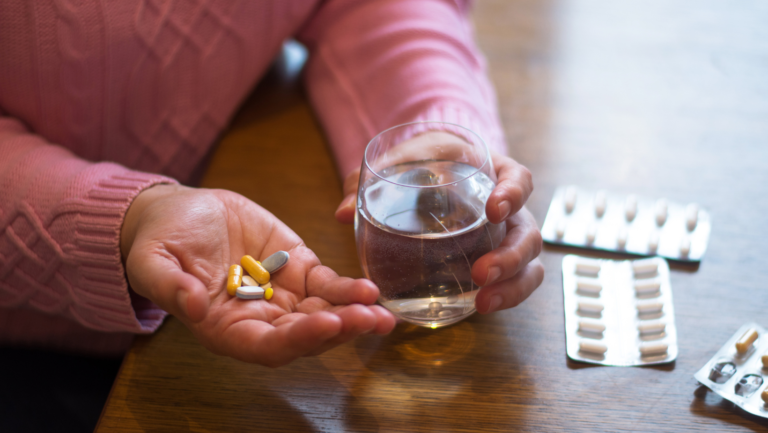

Sertraline takes 4-6 weeks for anxiety relief between weeks 4 and 6, with full benefits reached around weeks 8 to 12. Some physical symptoms, like racing heart or sleep trouble, may shift within the first two weeks, but the deeper emotional relief takes longer.
Anxiety disorders affect roughly 40 million adults in the United States, according to the Anxiety and Depression Association of America (ADAA). Sertraline, sold under the brand name Zoloft, is one of the most prescribed first-line medications for these conditions, approved by the FDA across multiple anxiety-related diagnoses.
What Is Sertraline?
Sertraline is a selective serotonin reuptake inhibitor (SSRI), a class of medication that adjusts how the brain handles serotonin, a chemical that affects mood and anxiety. It is one of the most widely used psychiatric medications globally.
Overview of Sertraline (Zoloft)
The FDA approved sertraline in 1991. It is available in 25 mg, 50 mg, and 100 mg tablets, as well as a liquid concentrate. Generic sertraline is widely available and costs significantly less than the brand-name version.
Conditions Treated With Sertraline
Sertraline has FDA approval for multiple conditions, not just depression.
Generalized Anxiety Disorder
Generalized Anxiety Disorder (GAD) involves persistent, hard-to-control worry about everyday situations. Sertraline reduces the frequency and intensity of that worry over time.
Panic Disorder
Sertraline reduces the frequency of panic attacks. In clinical trials published in the Journal of Clinical Psychiatry (2001), sertraline reduced panic attack frequency by over 80% in responders within 10 weeks.
Social Anxiety Disorder
Social Anxiety Disorder (SAD) causes intense fear in social situations. A 2004 meta-analysis in the British Journal of Psychiatry confirmed sertraline as a first-line treatment, with significant symptom reduction compared to placebo.
Obsessive-Compulsive Disorder
Sertraline received FDA approval for OCD in adults and children as young as six. The average effective dose for OCD tends to be higher than for anxiety, often reaching 150 to 200 mg.
How SSRIs Work for Anxiety Disorders
SSRIs block the reabsorption of serotonin into the sending neuron, leaving more serotonin available in the gap between nerve cells (the synapse). More available serotonin gradually calms overactive fear circuits in the brain.
Understanding Serotonin and Anxiety
The amygdala, the brain’s alarm center, is hyperactive in anxiety disorders. Serotonin acts as a brake on this hyperactivity. Low serotonin availability in the amygdala and prefrontal cortex correlates with heightened fear responses, per research published in Neuropsychopharmacology (2015).
How SSRIs Affect Brain Function
Sertraline does not create a sedative effect. It does not slow the brain down the way benzodiazepines do. Instead, it gradually rebalances signaling pathways, which is why relief takes weeks rather than minutes.
Brain Chemistry Changes With Sertraline
The brain chemistry changes with sertraline happen in two phases. Within 24 to 48 hours, serotonin availability in synapses increases. But the actual anxiety relief requires adaptive changes in postsynaptic serotonin receptors, a process that takes four to six weeks.
How Long Does Sertraline Take to Work for Anxiety?
How long sertraline takes to work for anxiety depends on the type of anxiety, the dose, and individual biology. The timeline below reflects findings from FDA prescribing information and peer-reviewed clinical data.
What Happens During the First Week
During days 1 to 7, sertraline is building up in the bloodstream. Blood plasma levels stabilize after about five to seven days of consistent dosing. You notice very little change in anxiety. Some experience temporary increases in nervousness, restlessness, or GI discomfort as the brain begins adjusting.
Early Changes During Weeks 2 to 4
Sleep quality often shifts during this window, sometimes improving, sometimes worsening initially. Some people report feeling slightly less tense. The 2001 sertraline panic disorder trial referenced above showed that 30% of participants reported measurable improvement by week 4, though full response took longer.
Improvements During Weeks 4 to 6
This is typically when it becomes visible in daily life. Catastrophic thinking becomes less frequent. Physical symptoms of anxiety, such as chest tightness and GI discomfort, start to ease. For GAD specifically, a 2006 randomized controlled trial in JAMA Psychiatry found the most significant symptom reduction occurring between weeks 4 and 8.
Full Benefits After 6 to 12 Weeks
Full response typically arrives between weeks 8 and 12. Psychiatrists at the American Psychiatric Association define “full response” as a 50% or greater reduction in anxiety symptom scores. This milestone is tracked using validated tools like the Hamilton Anxiety Rating Scale (HAM-A) and the Generalized Anxiety Disorder 7-item scale (GAD-7).
Factors That Affect Response Time
- Dose: starting at 25 mg and staying there too long delays benefit
- Consistency: missing doses resets synaptic serotonin levels
- Severity of anxiety: severe GAD or OCD may need 10 to 12 weeks minimum
- Concurrent medications: some drugs affect sertraline metabolism via CYP2C19 enzymes
- Genetics: CYP2C19 poor metabolizers retain higher sertraline plasma levels and may respond faster
How Quickly Does Sertraline Help Anxiety?
How quickly sertraline helps anxiety depends on which symptoms you are tracking. Physical and sleep-related symptoms tend to shift first. Cognitive symptoms, like constant worry and intrusive thoughts, take longer.
Symptoms That May Improve First
- Sleep disturbances (improved in some patients by week 2 to 3)
- Muscle tension
- Irritability
- Frequency of panic attacks (often reduces within weeks 3 to 5)
Individual Differences in Response
A 2016 genome-wide association study in The Lancet Psychiatry found that patients with specific variants of the SLC6A4 serotonin transporter gene responded faster to SSRIs. This is the science behind why two people on the same dose can have very different experiences.
When Improvement May Take Longer
OCD and PTSD respond more slowly to sertraline than GAD or panic disorder. Comorbid depression combined with anxiety also extends the response window. In these cases, psychiatrists often delay reassessment until the 10 to 12 week mark.
Side Effects During First Weeks of Sertraline
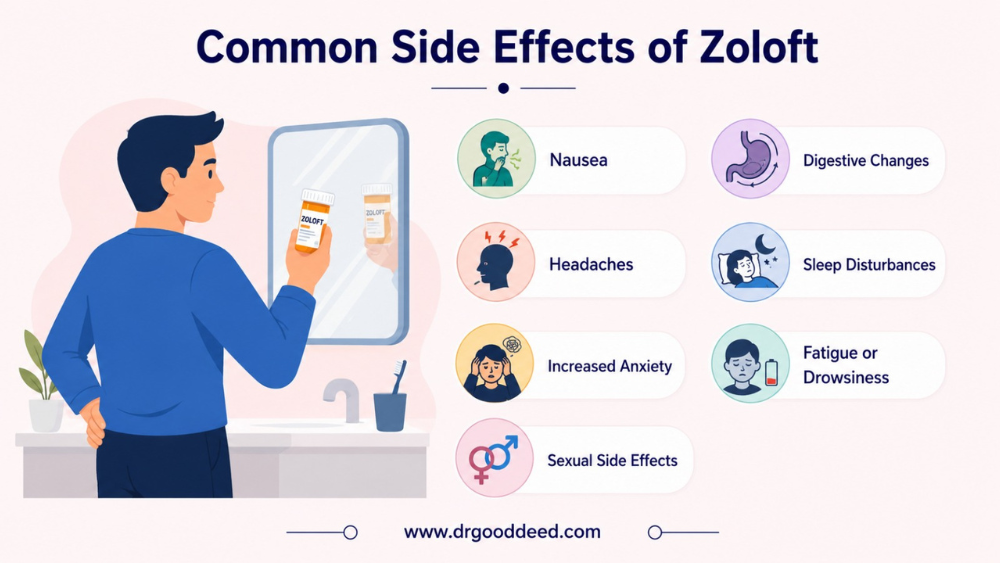
Side effects during the first weeks of sertraline are the leading reason you stop the medication too soon.
Nausea and Digestive Changes
Nausea occurs in up to 26% of patients in the first one to two weeks, per FDA prescribing data. Taking sertraline with food reduces this significantly. It typically resolves by week 3.
Headaches
Mild headaches during the first week are common and typically self-limiting. Over-the-counter acetaminophen is safe to use alongside sertraline for this.
Sleep Disturbances
Some patients experience vivid dreams or insomnia in weeks 1 to 2. Shifting the dose to morning instead of evening often resolves this.
Increased Anxiety or Nervousness
About 5 to 10% of patients experience a temporary spike in anxiety during the first two weeks. This is driven by an initial surge in serotonin stimulation before receptor adaptation occurs. It is not a sign sertraline is wrong for you, but it should be disclosed to your prescriber.
Fatigue or Drowsiness
Fatigue affects roughly 11% of patients in the adjustment phase. It is more common when starting at 50 mg rather than 25 mg.
Sexual Side Effects
Delayed orgasm, reduced libido, and erectile dysfunction are among the most clinically significant long-term side effects. They affect 15 to 30% of users, per a 2009 review in the Journal of Sexual Medicine. These do not improve over time the way early GI symptoms do and should be discussed with your prescriber if they persist past eight weeks.
Which Side Effects Usually Improve Over Time?
| Side Effect | Typical Resolution Timeline |
| Nausea | 1 to 3 weeks |
| Headaches | 1 to 2 weeks |
| Fatigue | 2 to 4 weeks |
| Increased anxiety | 1 to 2 weeks |
| Sleep disruption | 2 to 4 weeks |
| Sexual dysfunction | Does NOT self-resolve |
Sertraline Dosage for Anxiety Treatment
Sertraline dosage for anxiety treatment follows a structured titration protocol. Starting too high increases side effects.
Typical Starting Dosages
| Condition | Starting Dose | Target Therapeutic Dose |
| GAD | 25 to 50 mg/day | 50 to 100 mg/day |
| Panic Disorder | 25 mg/day | 50 to 200 mg/day |
| Social Anxiety Disorder | 25 mg/day | 50 to 200 mg/day |
| OCD | 50 mg/day | 150 to 200 mg/day |
How Doctors Adjust Dosages
Prescribers typically increase the dose by 25 to 50 mg every two to four weeks if the initial dose is not producing results. Jumping too fast increases side effect risk without proportional benefit.
Maximum Recommended Dosages
The FDA-approved maximum is 200 mg per day for adults. Higher doses do not linearly improve outcomes and increase the risk of serotonin syndrome.
Importance of Taking Sertraline Consistently
Sertraline’s half-life is approximately 26 hours. Missing even two consecutive doses causes measurable drops in plasma levels. Consistent daily dosing at the same time is essential for stable serotonergic activity.
Factors That Affect How Well Sertraline Works
Whether how long sertraline takes to work for anxiety becomes weeks or months often comes down to modifiable and non-modifiable factors.
- Dose adequacy: Sub-therapeutic dosing is the most common reason sertraline appears not to work
- Therapy combination: Cognitive Behavioral Therapy (CBT) combined with sertraline produces significantly better outcomes than either alone, per a 2018 JAMA Psychiatry meta-analysis
- Alcohol use: Alcohol worsens anxiety and directly opposes sertraline’s mechanism
- Sleep quality: Chronic sleep deprivation impairs serotonin receptor sensitivity
- Underlying conditions: Hypothyroidism and anemia can mimic treatment-resistant anxiety
- CYP2C19 metabolism status: Genetic slow metabolizers maintain higher drug plasma levels; ultra-rapid metabolizers may need higher doses
When Sertraline Finally Worked
Sarah, a 31-year-old teacher from Ohio, spent three weeks convinced sertraline was making things worse. She had nausea, two nights of broken sleep, and felt more on-edge than before starting.
Her psychiatrist encouraged her to continue and bumped her dose from 25 mg to 50 mg at week three. By week six, she was no longer waking up at 3 a.m. with a pounding heart. By week ten, her GAD-7 score dropped from 18 to 7. “I thought it wasn’t working,” she said. “It was working. I just hadn’t waited long enough.”
Name altered for patient privacy.
What If Sertraline Is Not Working?
Psychiatrists recommend waiting a minimum of eight weeks at an adequate dose before concluding sertraline is ineffective. Reassessing before eight weeks, especially before reaching the target dose, is premature.
Dosage Adjustments
If 50 mg is not producing results after four to six weeks, increasing to 100 mg is the standard next step. Many patients respond only after reaching 100 to 150 mg.
Switching Medications
If sertraline fails at maximum dose, alternatives include escitalopram, venlafaxine (an SNRI), or duloxetine. Augmentation strategies, such as adding buspirone for anxiety, are also used before switching.
Combining Medication With Therapy
CBT specifically addresses the thought patterns that maintain anxiety. Sertraline reduces the biological intensity of anxiety; CBT changes the cognitive response to that intensity. Both together produce the most durable outcomes.
When to Speak With Your Doctor
Contact your prescriber if:
- Suicidal thoughts emerge, especially in patients under 25 (FDA black box warning applies)
- Serotonin syndrome symptoms appear: fever, agitation, rapid heart rate, muscle twitching
- Manic episodes occur, particularly if bipolar disorder has not been ruled out
- No improvement at 12 weeks despite dose optimization
Tips for Getting the Best Results From Sertraline
People who understand how long sertraline takes to work for anxiety before starting are more likely to stay on the medication long enough to see results. The dropout rate within the first four weeks is high, and most of those patients stop before the drug has had a fair chance.
- Take sertraline at the same time every day, with or without food but consistently one way
- Avoid alcohol entirely for the first 12 weeks
- Track symptoms weekly using the free GAD-7 questionnaire, available via the American Psychiatric Association website
- Tell your prescriber about all supplements, including St. John’s Wort, which interacts with serotonergic medications
- Do not stop sertraline abruptly; taper under medical supervision to avoid discontinuation syndrome
Risks and Safety Considerations
Sertraline is considered safe for long-term use when monitored appropriately. The most serious risks are rare but need awareness.
Sertraline carries an FDA black box warning for increased suicidal ideation in children, adolescents, and young adults up to age 24 during the first two months of treatment. This does not mean sertraline causes suicidal behavior, but it does mean close monitoring in this age group is mandatory.
Serotonin syndrome is a rare but potentially life-threatening condition caused by excessive serotonin activity. Risk increases when sertraline is combined with other serotonergic drugs, including tramadol, triptans, or certain antidepressants.
Sertraline is pregnancy category C. The FDA has documented a small association with neonatal withdrawal syndrome when taken in the third trimester. This risk must be weighed against untreated anxiety, which also carries fetal risks.
When to Seek Urgent Medical Attention
Go to an emergency room or call 911 if you experience:
- High fever with muscle rigidity and confusion (serotonin syndrome)
- Suicidal thoughts or self-harm urges
- Sudden onset of chest pain or irregular heartbeat
- Seizures
FAQs
How long does sertraline take to work for anxiety?
Most people see measurable anxiety relief between weeks 4 and 6. Full response, defined as a 50% or greater reduction on the HAM-A or GAD-7 scale, typically occurs by weeks 8 to 12. Staying at a sub-therapeutic dose extends this timeline significantly.
How quickly does sertraline help anxiety symptoms?
How quickly sertraline helps anxiety varies by symptom type. Physical symptoms like muscle tension and panic attack frequency often reduce by weeks 3 to 5. Cognitive symptoms, such as persistent worry and catastrophic thinking, take closer to 6 to 8 weeks.
Can sertraline make anxiety worse before it gets better?
Yes. Approximately 5 to 10% of patients experience increased nervousness in weeks 1 to 2. This is caused by an acute serotonin increase before receptor adaptation occurs. It resolves within two weeks in most cases and is not a reason to stop.
What are the most common side effects during the first weeks of sertraline?
Side effects during first weeks of sertraline include nausea (26% of patients), headache, insomnia, and increased anxiety. Nausea resolves by week 3 in the majority of users. Sexual dysfunction is the one side effect that does not self-resolve.
How do SSRIs work for anxiety disorders?
How SSRIs work for anxiety disorders centers on blocking serotonin reabsorption in the synapse. This increases serotonin availability, which progressively dampens hyperactivity in the amygdala, the brain structure responsible for fear responses.
What brain chemistry changes occur with sertraline?
Brain chemistry changes with sertraline happen in two stages: an immediate increase in synaptic serotonin within 24 to 48 hours, followed by gradual postsynaptic receptor adaptation over four to six weeks. The second stage, not the first, produces anxiety relief.
What is the typical sertraline dosage for anxiety treatment?
Sertraline dosage for anxiety treatment starts at 25 to 50 mg daily. Most anxiety disorders respond at 50 to 100 mg. OCD typically requires 150 to 200 mg. The FDA-approved maximum is 200 mg per day.
Is 25 mg of sertraline enough for anxiety?
No. 25 mg is a starting dose to minimize early side effects, not a therapeutic dose. Most clinical guidelines recommend titrating to at least 50 mg within the first two weeks before assessing early response.
What should I do if sertraline is not working after several weeks?
Wait until week 8 at an adequate dose before concluding failure. If 50 mg shows no response by week 6, discuss increasing to 100 mg. Adding CBT at any stage improves outcomes significantly.
Can I stop taking sertraline once I feel better?
No. Stopping abruptly causes discontinuation syndrome: dizziness, electric shock sensations (“brain zaps”), irritability, and flu-like symptoms. Stopping too soon also risks anxiety relapse. Taper slowly under a doctor’s supervision, typically over four to eight weeks.
Sources
- https://adaa.org
- FDA Prescribing Information for Sertraline (Zoloft): https://www.accessdata.fda.gov/drugsatfda_docs/label/2023/019839s103lbl.pdf
- Journal of Clinical Psychiatry, Sertraline Panic Disorder Trial (2001): https://www.psychiatrist.com/jcp
- British Journal of Psychiatry, Social Anxiety Meta-Analysis (2004): https://www.cambridge.org/core/journals/the-british-journal-of-psychiatry
- Biological Psychiatry, SSRI Receptor Adaptation Study (2013): https://www.biologicalpsychiatryjournal.com
- JAMA Psychiatry, CBT and Sertraline Combination Meta-Analysis (2018): https://jamanetwork.com/journals/jamapsychiatry
- The Lancet Psychiatry, SLC6A4 Pharmacogenomics Study (2016): https://www.thelancet.com/journals/lanpsy
- Journal of Sexual Medicine, SSRI Sexual Side Effects Review (2009): https://www.jsm.jsexmed.org