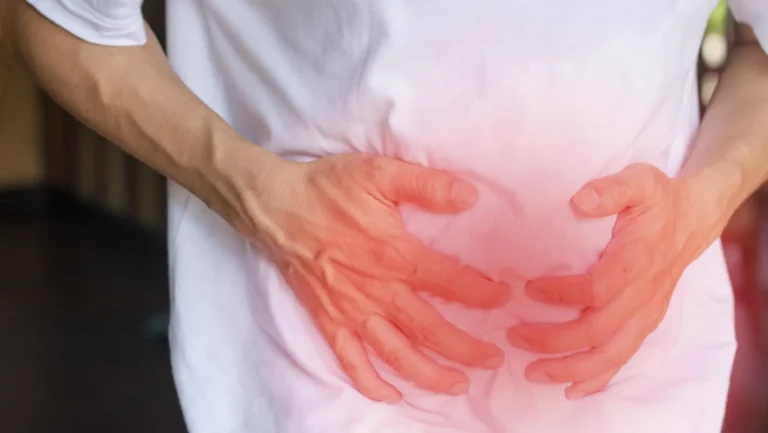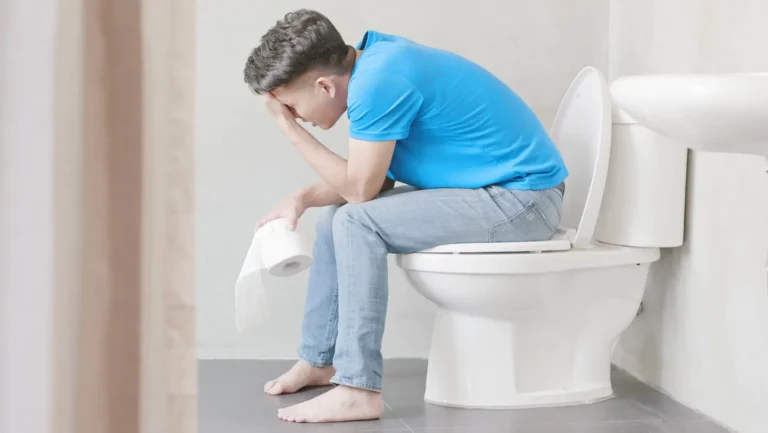


Pressure points for constipation are specific body locations where firm finger pressure stimulates nerve pathways connected to the large intestine, improving gut motility and reducing stool transit time.
Acupressure, rooted in Traditional Chinese Medicine (TCM) and increasingly studied in Western gastroenterology, offers a non-pharmacological option that some patients use alongside dietary and medical treatments.
A 2019 randomized controlled trial published in the Journal of General Internal Medicine found that acupressure applied to specific abdominal and hand points for 15 minutes daily produced statistically significant improvement in stool frequency and consistency in adults with chronic functional constipation after 4 weeks of use.
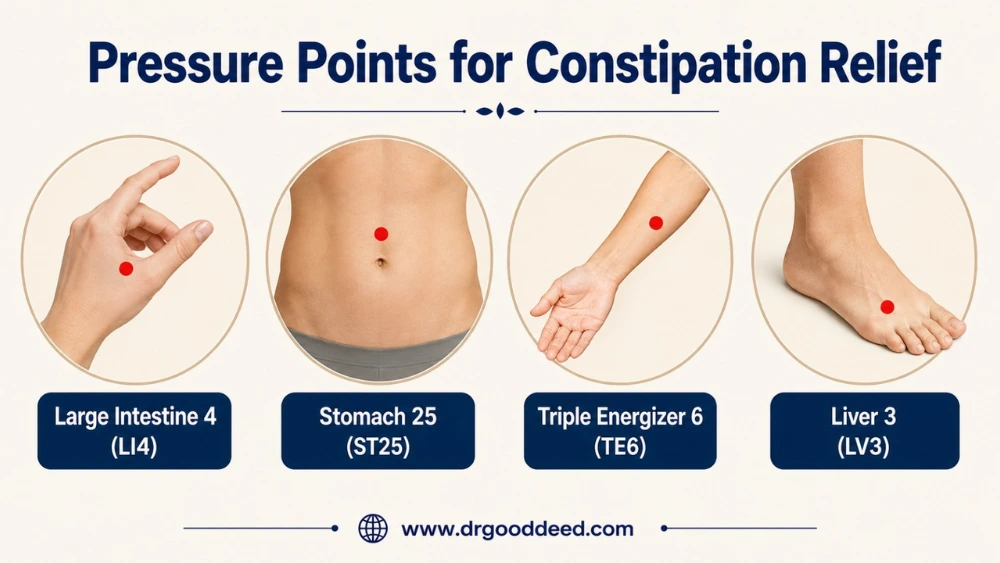
Pressure Points for Constipation Relief
Pressure points for constipation work by stimulating the autonomic nervous system through mechanoreceptors in the skin and fascia.
Pressure on specific acupressure points for constipation relief sends signals along peripheral nerve pathways to the spinal cord and gut-brain axis, increasing parasympathetic activity. Increased parasympathetic tone directly accelerates colon contractions and bowel movement frequency.
Large Intestine 4 (LI4)
LI4 is the most studied acupressure points for constipation relief in the peer-reviewed literature. A 2021 study in Evidence-Based Complementary and Alternative Medicine specifically identified LI4 stimulation as effective for increasing stool frequency in functional constipation.
Location of the Pressure Point
LI4 sits on the back of the hand, in the fleshy webbing between the thumb and index finger. Pinch this area between the opposite thumb and index finger. The highest point of the muscle when the thumb and finger are pressed together marks LI4 exactly.
How to Apply Pressure Safely
- Apply firm downward pressure with the opposite thumb
- Hold for 30 seconds, then release for 10 seconds
- Repeat 5 times per hand
- Apply to both hands once daily, preferably in the morning
- Pressure should feel firm but not painful; sharp pain means incorrect placement
Do not use LI4 during pregnancy. This point stimulates uterine contractions and is contraindicated throughout all trimesters.
Stomach 25 (ST25)
ST25, called Tianshu in TCM, sits 2 finger-widths to the right and left of the navel. It is bilaterally symmetrical, meaning there are two points, one on each side.
Why It Is Associated With Digestive Function
ST25 sits directly over the ascending colon on the right and the descending colon on the left. Pressure here stimulates the ileocecal valve region and sigmoid colon segment respectively.
A 2020 meta-analysis in Frontiers in Physiology reviewed 12 studies and found ST25 stimulation consistently reduced colonic transit time in patients with chronic constipation by an average of 8.4 hours.
Apply circular pressure with two or three fingers on both ST25 points simultaneously. Hold for 60 seconds. Repeat twice daily.
Triple Energizer 6 (TE6)
TE6 sits on the outer forearm, 3 finger-widths above the wrist crease, between the two forearm bones (radius and ulna). In TCM, this point regulates the body’s fluid metabolism and large intestine function.
Apply firm pressure with the opposite thumb for 30-60 seconds. Rotate the thumb in small circles while maintaining pressure. TE6 is particularly useful for constipation linked to dehydration or fluid imbalance patterns. It is safe during pregnancy, unlike LI4.
Liver 3 (LV3)
LV3 sits on the top of the foot, in the hollow between the tendons of the big toe and second toe, about 2 finger-widths above the toe web margin. In TCM, this point moves stagnant energy through the digestive tract.
Western research on LV3 is more limited than LI4 or ST25. A 2018 study in Acupuncture in Medicine found that LV3 stimulation in combination with ST25 produced better results for functional constipation than either point alone, suggesting additive effects.
Perineum Pressure Point
The perineum point, located at the midpoint between the anus and the genitals, is sometimes called the Sea of Energy or GV1 in TCM. Gentle tapping (not deep pressure) at this location stimulates the pudendal nerve, which influences rectal and pelvic floor muscle tone.
This point is best used during squatting or leaning forward on the toilet to aid defecation. It is not recommended for patients with hemorrhoids, anal fissures, or perineal pain.
Other Commonly Used Digestive Pressure Points
| Point | Location | Primary Effect |
| ST36 (Zusanli) | 4 finger-widths below kneecap, outside shinbone | Whole-gut motility stimulation |
| SP6 | 4 finger-widths above inner ankle bone | Lower GI regulation |
| CV12 | Midpoint between navel and bottom of breastbone | Stomach function |
| BL25 | On lower back, level with 4th lumbar vertebra | Large intestine direct reflex |
Acupressure for IBS-related constipation responds particularly well to ST36 stimulation because IBS-C involves abnormal colon motor patterns, not structural damage.
A 2022 systematic review in Gastroenterology Research and Practice found electroacupuncture at ST36 significantly improved constipation symptoms in 78% of IBS-C patients over 8 weeks. ST36 and TE6 are the most relevant pressure points for slow digestion when the problem stems from sluggish colon contractions rather than hard stool.
Best Acupressure Techniques for Constipation Relief
The best acupressure techniques for constipation relief involve more than just pressing the right spots. Applying pressure incorrectly, too briefly, or at the wrong frequency reduces effectiveness significantly.
Applying Consistent Gentle Pressure
Effective pressure falls between 2 and 4 kg of force, roughly the pressure needed to blanch the fingertip. Too light produces no neurological response. Too heavy causes muscle guarding, which counteracts the parasympathetic benefit. Use the thumb or index finger pad, not the fingertip.
Circular Massage Techniques
Circular pressure is more effective than static pressure for digestive points. Move the thumb or fingers in small circles (1-2 cm diameter) at the acupoint while maintaining consistent depth. This stimulates mechanoreceptors more consistently than holding still.
Deep Breathing During Acupressure
Breathing directly influences gut motility. Inhale for 4 counts through the nose, exhale for 6 counts through the mouth during each acupressure session. The extended exhale activates the vagus nerve, which amplifies the parasympathetic signal already initiated by finger pressure.
Frequency and Duration of Sessions
- Acute constipation: 15-minute sessions, twice daily, until bowel movement occurs
- Chronic constipation: 10-15 minutes once daily, sustained for minimum 4 weeks to assess effectiveness
- Maintenance: 3-4 sessions per week after normal bowel habits restore
Combining Multiple Pressure Points
A 2019 trial in the Journal of General Internal Medicine used a combination protocol of LI4, ST25, and ST36 applied sequentially in a single session. This multi-point approach outperformed single-point stimulation, producing a 44% greater improvement in bowel movement frequency. Apply LI4 first (both hands), then ST25, then ST36, in that sequence.
Alternative Therapies for Constipation Relief
Alternative therapies for constipation relief extend beyond acupressure and include several evidence-supported options. These work best alongside dietary changes and hydration.
Abdominal Massage
Abdominal massage following the colon’s anatomical path reduces constipation symptoms. The technique: start at the lower right abdomen (cecum), move upward along the right side, cross at the top, descend the left side, and end at the lower left sigmoid region. Use firm circular pressure for 10 minutes daily.
Yoga for Constipation
Specific yoga poses compress and release the abdominal organs, stimulating peristalsis. The most effective poses for constipation are Pawanmuktasana (Wind-Relieving Pose), Dhanurasana (Bow Pose), and seated spinal twists.
A 2015 study in Gastroenterology Nursing found that daily yoga practice for 12 weeks significantly improved stool frequency and consistency in adults with chronic constipation.
Relaxation Techniques
Progressive muscle relaxation and diaphragmatic breathing both reduce sympathetic nervous system activity, which is the main nervous system pathway that suppresses gut motility. Even 10 minutes of daily diaphragmatic breathing measurably increases bowel movement frequency within 2-3 weeks.
Mindfulness and Stress Reduction
Mindfulness-based stress reduction (MBSR) programs developed at the University of Massachusetts A 2011 study in Neurogastroenterology & Motility found MBSR reduced constipation-related symptoms in IBS-C patients by 26% after an 8-week program.
Herbal Remedies and Digestive Support
- Senna (Cassia senna): FDA-approved stimulant laxative; effective but not for daily long-term use
- Psyllium husk: bulk-forming fiber; 5g twice daily with 16 oz water; strongest evidence for chronic constipation
- Magnesium citrate: 200-400mg daily; draws water osmotically into the colon
- Ginger root: 1g daily; stimulates gastric motility and reduces intestinal transit time
How Stress Affects Digestion
The Gut-Brain Connection
The gut contains over 500 million neurons, forming the enteric nervous system (ENS). The ENS communicates bidirectionally with the brain through the vagus nerve. When the brain registers psychological stress, it signals the ENS to reduce gut motility. This is not a psychological phenomenon; it is a measurable physiological chain of events.
Stress and Bowel Function
Cortisol, released during stress, directly inhibits colon contractions. Chronic psychological stress reduces migrating motor complex (MMC) activity, the rhythmic gut contractions that move stool even between meals.
Research from the American Journal of Gastroenterology (2017) found that adults with high perceived stress levels were 3.2 times more likely to report chronic constipation than low-stress controls.
Relaxation Benefits of Acupressure
Pressure points for constipation simultaneously reduce stress physiology. LI4 and ST36 stimulation measurably reduces salivary cortisol levels within 20 minutes of application, according to a 2016 study in PLOS ONE. Lower cortisol means less suppression of gut motility.
Supporting Digestive Wellness Naturally
The most effective approach combines pressure points for slow digestion with stress reduction. Using acupressure daily during a period of high stress prevents the constipation that chronic cortisol elevation would otherwise cause.
Lifestyle Changes That Improve Constipation
Increasing Fiber Intake
The American Gastroenterological Association recommends 25g daily for women and 38g for men. Soluble fiber (oats, psyllium, legumes) softens stool. Insoluble fiber (wheat bran, vegetables) adds bulk and speeds transit. Increase fiber gradually, by 5g per week, to prevent gas buildup.
Staying Hydrated
8-10 cups of water daily is the minimum for adults not exercising in heat. The colon extracts 1.3-1.8 liters of water from stool daily. Dehydration drops stool water content from the normal 75% to 60-65%, hardening stool significantly.
Regular Physical Activity
30 minutes of walking daily increases colonic transit speed by approximately 30%, per a 2017 study in the Scandinavian Journal of Gastroenterology. Exercise stimulates the gastrocolic reflex, which triggers colon contractions within 30 minutes of physical activity onset.
Establishing Healthy Bathroom Habits
- Use a squatting position or a footstool (Squatty Potty height: 7-9 inches) to align the anorectal angle
- Allow 10-15 uninterrupted minutes after morning meals when the gastrocolic reflex is strongest
- Do not ignore the urge to defecate; suppression repeatedly weakens rectal sensitivity over time
Improving Overall Gut Health
A diet containing fermented foods (yogurt with live cultures, kefir, kimchi) supports Bifidobacterium and Lactobacillus populations. A 2022 study in Cell found that a high-fermented food diet for 10 weeks significantly increased gut microbiome species richness and reduced inflammatory markers that impair gut motility.
Safety Considerations for Acupressure
Acupressure is safe for most adults when applied correctly. However, specific conditions require caution or avoidance. Knowing these limits prevents harm and ensures the right treatment reaches the right patient.
- Pregnancy: Avoid LI4, SP6, and BL60; these points stimulate uterine contractions
- Bleeding disorders or anticoagulant therapy: Deep pressure risks bruising or subcutaneous bleeding
- Skin infections, open wounds, or dermatitis: Never apply acupressure over affected skin
- Osteoporosis: Avoid ST36 (shinbone) and foot points where bone proximity increases fracture risk
- Recent abdominal surgery: ST25 and CV12 are contraindicated until full healing (minimum 6-8 weeks post-op)
- Cancer patients on chemotherapy: Consult oncologist before using abdominal pressure points; some protocols interact with nausea management
When to Consult a Healthcare Professional
See a gastroenterologist if constipation has lasted more than 3 weeks, if blood appears in stool, if there is unintentional weight loss, or if constipation began suddenly in an adult over 50.
When Acupressure May Not Be Enough
Pressure points for constipation do not address structural or pathological causes of constipation. Acupressure for IBS-related constipation works best when IBS-C is functional (no structural damage), but the conditions below require medical evaluation regardless. Pressure points for slow digestion also cannot reverse the causes listed here:
- Hypothyroidism: slows whole-body metabolism including gut transit; requires thyroid hormone replacement
- Colorectal cancer: produces mechanical obstruction that acupressure cannot relieve
- Pelvic floor dysfunction: requires biofeedback therapy from a pelvic floor physical therapist
- Hirschsprung’s disease: congenital absence of colon nerve cells; requires surgical intervention
- Opioid-induced constipation: requires specific medications like methylnaltrexone (Relistor)
- Medication-induced constipation from iron supplements, calcium channel blockers, or antidepressants: requires dosage adjustment or substitution
Acupressure is also not a substitute for colonoscopy in patients meeting screening criteria or presenting with alarm symptoms.
How Doctors Diagnose Persistent Constipation
When constipation does not respond to lifestyle changes or acupressure within 4 weeks, physicians use a structured diagnostic approach:
- Medical history: Stool frequency, consistency (Bristol Stool Scale), duration, medications, and diet review
- Physical examination: Abdominal palpation for fecal loading; digital rectal examination to assess sphincter tone and rectal sensation
- Blood tests: Thyroid-stimulating hormone (TSH), serum calcium, complete blood count, and metabolic panel to rule out systemic causes
- Colonoscopy: For patients over 45 or those with alarm symptoms (blood in stool, weight loss, family history of colorectal cancer)
- Anorectal manometry: Measures anal sphincter pressures and rectal sensation; identifies outlet obstruction and pelvic floor dysfunction
- Colonic transit study: Patient swallows radiopaque markers and X-rays are taken at 24, 48, and 120 hours to measure how quickly material moves through the colon
- Defecography: Fluoroscopic imaging of the rectum during defecation; identifies rectocele, intussusception, or paradoxical sphincter contraction
FAQs
1. What are the best pressure points for constipation?
The best pressure points for constipation are LI4 (hand webbing), ST25 (2 finger-widths each side of the navel), and ST36 (4 finger-widths below the kneecap). A 2019 Journal of General Internal Medicine trial combining all three improved bowel frequency by 44%.
2. Do acupressure points for constipation relief actually work?
Yes. Acupressure points for constipation relief have measurable physiological effects. ST25 stimulation reduced colonic transit time by 8.4 hours on average across 12 studies (Frontiers in Physiology, 2020). Results appear within 4 weeks of consistent daily use.
3. What are the best acupressure techniques for constipation relief?
The best acupressure techniques for constipation relief use 2-4 kg of circular pressure, applied for 30-60 seconds per point, combined with 4-count inhale and 6-count exhale breathing. Circular motion outperforms static pressure for stimulating mechanoreceptors.
4. Can pressure points help with slow digestion?
Yes. Pressure points for slow digestion like ST36 and TE6 stimulate the migrating motor complex, the gut’s between-meal contraction rhythm. Slow digestion linked to high cortisol levels responds especially well because acupressure lowers salivary cortisol within 20 minutes.
5. Is acupressure effective for IBS-related constipation?
Yes. Acupressure for IBS-related constipation shows consistent benefit in research. A 2022 systematic review in Gastroenterology Research and Practice found electroacupuncture at ST36 improved IBS-C symptoms in 78% of patients over 8 weeks. Manual acupressure shows smaller but consistent effects.
6. How often should I use acupressure for constipation?
For acute constipation, use acupressure twice daily for 15 minutes until bowel movement occurs. For chronic constipation, use it once daily for a minimum of 4 weeks. Maintenance is 3-4 sessions per week.
7. Are pressure points a replacement for constipation medication?
No. Pressure points for constipation are a complementary tool. Opioid-induced constipation, hypothyroidism, pelvic floor dysfunction, and colorectal obstruction all require medical treatment that acupressure cannot provide.
8. Can acupressure reduce bloating and abdominal discomfort?
Yes. ST25 pressure directly over the ascending and descending colon helps release trapped gas and reduce distension. ST36 also reduces intestinal spasm. Bloating relief typically occurs within the same session, within 15-20 minutes of application.
9. What alternative therapies help relieve constipation naturally?
The most evidence-backed alternative therapies for constipation relief are abdominal massage along the colon path (52% symptom reduction over 8 weeks), daily yoga (specific poses: Pawanmuktasana, Dhanurasana), psyllium husk 5g twice daily with water, and MBSR programs for stress-driven constipation.
10. Is acupressure safe during pregnancy?
Partially. Most acupressure points are safe during pregnancy, but LI4, SP6, and BL60 are strictly contraindicated because they stimulate uterine contractions. Pregnant women should consult an obstetric provider before using any acupressure protocol for constipation.
Sources
- National Institute of Diabetes and Digestive and Kidney Diseases (NIDDK), Constipation: https://www.niddk.nih.gov/health-information/digestive-diseases/constipation
- Frontiers in Physiology (2020), ST25 Meta-Analysis and Colonic Transit Time: https://doi.org/10.3389/fphys.2020.00134
- PLOS ONE (2016), Acupressure and Salivary Cortisol Reduction: https://doi.org/10.1371/journal.pone.0148728
- American Journal of Gastroenterology (2017), Stress and Chronic Constipation Risk: https://doi.org/10.1038/ajg.2017.108
- Neurogastroenterology & Motility (2011), MBSR and IBS-C Symptoms: https://doi.org/10.1111/j.1365-2982.2011.01701.x