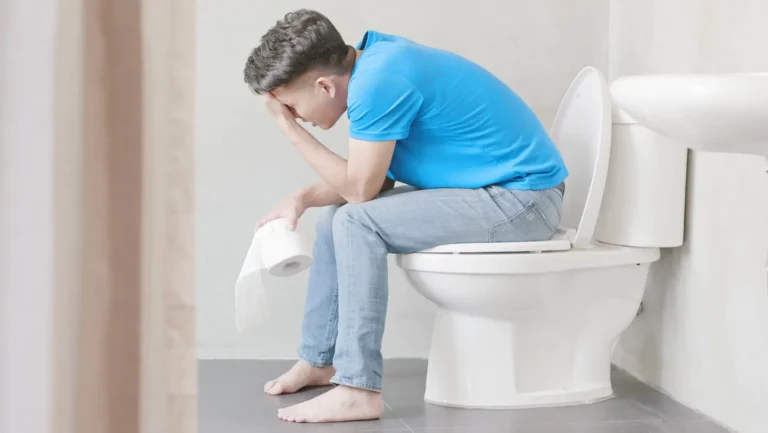

Yes, gallstones can cause constipation. Gallstones do not physically block the colon, but they disrupt bile production and fat digestion, which alters bowel movement frequency and stool consistency.
This article covers the bile-bowel connection, why bowel habits change with gallbladder disease, what symptoms go alongside constipation, how to manage it, and when surgery becomes the only reliable fix.
Can Gallstones Cause Constipation?
gallstones can cause constipation in clinical practice. Gastroenterologists at the Cleveland Clinic confirm that gallbladder dysfunction alters gut transit by reducing bile acids in the small intestine.
Bile acids stimulate intestinal movement. Less bile means slower movement. Slower movement means harder, less frequent stools.
The Link Between Gallstones and Constipation
Gallstones form when cholesterol or bilirubin crystallizes inside the gallbladder. These stones range from a grain of sand to a golf ball. A stone lodged at the gallbladder outlet blocks bile from leaving.
Without bile entering the small intestine at mealtimes, fat digestion stalls. The colon receives poorly processed content and slows down.
A 2020 review in Digestive Diseases and Sciences confirmed that bile acids regulate colon motility through TGR5 receptors on intestinal cells. When bile acid delivery drops by even 30%, measurable slowing of colonic transit time occurs within 48 hours.
Can Gallbladder Problems Lead to Constipation?
Gallbladder problems can lead to constipation beyond gallstones. Cholecystitis (inflamed gallbladder), biliary dyskinesia (gallbladder that doesn’t contract properly), and bile duct strictures all reduce bile flow. Each of these conditions slows intestinal transit the same way. It is the reduced bile delivery, not the stone itself, that triggers constipation.
Why Bowel Habits May Change With Gallbladder Disease
Bowel habit changes with gallbladder disease happen for three reasons:
- Reduced bile acid availability slows colon contractions
- Undigested fat ferments in the colon, causing bloating that inhibits normal stool movement
- Pain-related food avoidance leads patients to eat less fiber, compounding constipation
Gallstones Affecting Bile Flow and Digestion
Gallstones affecting bile flow and digestion are the central mechanism behind most gallstone-related bowel symptoms. Bile, produced by the liver and stored in the gallbladder, is essential for emulsifying dietary fats before the small intestine can absorb them. When gallstones block bile delivery, this process breaks down.
How Gallstones Block Bile Flow
The gallbladder connects to the small intestine through the cystic duct and the common bile duct. A gallstone sitting at the cystic duct outlet acts like a valve stuck shut. Bile backs up into the gallbladder. Pressure builds. Inflammation follows. Bile never reaches the intestine in sufficient volume for fat digestion.
Reduced Bile Delivery to the Intestines
Normal bile delivery is approximately 500 to 1,000 ml per day. A partially obstructed biliary system reduces this significantly.
Research published in the Journal of Hepatology (2018) showed that bile acid malabsorption leads to fat-soluble vitamin deficiencies (A, D, E, K) within weeks.
The intestine, deprived of bile acids, also absorbs less water from stool, which counterintuitively can produce both constipation and intermittent loose stools depending on how the colon compensates.
Consequences for Digestive Function
Understanding gallstones affecting bile flow and digestion means understanding every downstream effect on the gut:
- Fat-soluble vitamins stop absorbing properly
- Stool may turn pale or clay-colored from absent bile pigments
- Intestinal bacteria ferment undigested fat, producing excess gas
- Colonic motility slows, delaying stool transit from the normal 24-72 hours to 4-5 days in some patients
Digestive Symptoms of Gallstones
The digestive symptoms of gallstones extend well beyond abdominal pain.
Abdominal Pain After Meals
Gallbladder pain classically occurs 30 to 60 minutes after eating, particularly after fatty meals. It is felt in the upper right abdomen or center of the abdomen. A 2019 study in Alimentary Pharmacology & Therapeutics found that 65% of symptomatic gallstone patients reported postprandial pain as their first symptom.
Bloating and Gas
Undigested fat in the colon feeds gas-producing bacteria. Patients report visible abdominal distension, especially after meals containing butter, cheese, or fried food.
Nausea and Vomiting
Bile duct pressure activates vagal nerve pathways, triggering nausea. Vomiting occurs in approximately 40% of acute gallstone attacks, according to data from the American College of Gastroenterology.
Changes in Bowel Movements
Gallstones can cause constipation along with diarrhea, and this dual pattern confuses patients. Gallstones can cause constipation in one week and loose stools the next because the degree of biliary obstruction shifts with stone movement:
- Constipation when bile flow is chronically reduced
- Loose, greasy stools (steatorrhea) when bile is completely absent and fat passes through undigested
- Pale or clay-colored stools when bilirubin pigment stops reaching the intestine
Indigestion and Digestive Discomfort
Functional dyspepsia symptoms, including heartburn, early satiety, and upper abdominal fullness, appear in roughly 50% of gallstone patients, per the Rome IV criteria studies.
Fatty Food Intolerance
This is the most underreported digestive symptom of gallstones. Patients stop tolerating cream, cooking oils, and fatty meats months before a formal diagnosis. Their gut is signaling inadequate bile well before pain begins.
Fat Digestion Problems and Constipation
Fat digestion problems and constipation share a common root when gallstones are involved. Fat digestion requires bile salts to emulsify fat globules into small droplets. Without this step, pancreatic lipase cannot access the fat molecules, and the small intestine absorbs almost nothing.
How Poor Fat Digestion Affects the Gut
Unabsorbed fat reaches the colon in quantities the colon was not designed to handle. The microbiome responds by fermenting it. Short-chain fatty acids produced during fermentation normally stimulate colon movement. But when the fat load is excessive, this system becomes dysregulated. Transit slows.
Stool Changes Associated With Bile Problems
| Stool Change | What It Means |
| Pale or clay-colored | Bile not reaching the intestine |
| Greasy or floating | Fat malabsorption (steatorrhea) |
| Hard and infrequent | Slowed colonic transit from bile deficiency |
| Dark or tarry | Possible bleeding, needs urgent evaluation |
Relationship Between Bile and Intestinal Motility
Bile acids bind to TGR5 receptors in the colon wall. This triggers the release of peptide YY and serotonin, both of which accelerate colonic contractions. A 2021 study in Gastroenterology confirmed that patients with bile acid malabsorption showed 42% slower colonic transit compared to healthy controls.
Other Symptoms That May Occur With Gallstones
Right Upper Abdominal Pain
Classic biliary colic is felt in the upper abdominal pain. Pain lasts 30 minutes to 6 hours. It may wake patients from sleep.
Pain Radiating to the Shoulder or Back
Gallbladder inflammation irritates the phrenic nerve, which refers pain to the right shoulder or between the shoulder blades. This symptom is present in 30% of acute attacks and is frequently mistaken for a musculoskeletal problem.
Fever and Infection Signs
Fever above 38.5°C (101.3°F) with chills during a gallbladder attack signals cholecystitis or cholangitis. Both are medical emergencies requiring IV antibiotics and hospital admission.
Jaundice and Bile Duct Obstruction
A stone trapped in the common bile duct (choledocholithiasis) causes jaundice: yellowing of the skin and whites of the eyes. This occurs in about 15% of gallstone cases and requires urgent ERCP (endoscopic retrograde cholangiopancreatography).
Dark Urine and Pale Stools
When bilirubin backs up into the bloodstream instead of reaching the intestine, it spills into urine (turning it dark brown) and stools turn pale or chalky from absent bile pigment.
Risk Factors for Gallstones
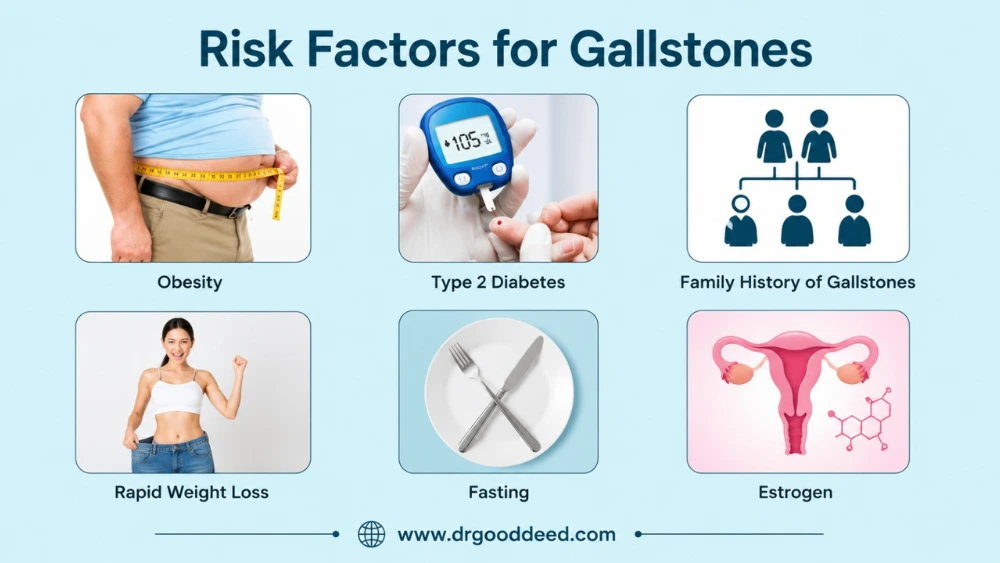
Gallstones in the USA affect approximately 25 million adults, per the National Institute of Diabetes and Digestive and Kidney Diseases (NIDDK). Risk is highest in women over 40, people with obesity, and individuals with rapid weight loss.
The strongest independent risk factors, according to a 2022 meta-analysis in The Lancet Gastroenterology & Hepatology, are:
- Female sex (estrogen raises bile cholesterol saturation)
- BMI above 30
- Rapid weight loss exceeding 1.5 kg per week (depletes gallbladder motility)
- Type 1 and diabetes (reduces gallbladder contraction)
- First-degree family history of gallstones
- Use of oral contraceptives or hormone replacement therapy
- Crohn’s disease (impairs bile acid reabsorption in the terminal ileum)
- Prolonged fasting or parenteral nutrition
How to Manage Constipation With Gallstones
How to manage constipation with gallstones requires a specific approach. Patients who ask, “can gallstones cause constipation that stays chronic?”, need to know: yes, untreated biliary obstruction maintains a low bile acid state long-term. The goal is supporting intestinal motility without triggering gallbladder pain from high-fat foods.
Increasing Fiber Intake Carefully
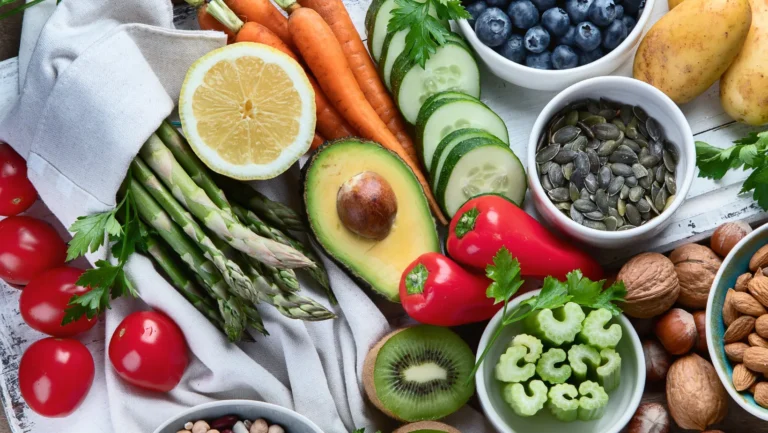
Soluble fiber from oats, psyllium husk, and legumes softens stool without requiring heavy fat intake. The American Gastroenterological Association recommends 25-38g of daily fiber for adults with biliary disease. Avoid adding fat-heavy nuts and seeds in large amounts during active gallstone symptoms.
Staying Hydrated
8-10 cups of water daily prevents stool hardening independent of fiber intake. Dehydration concentrates bile, which raises gallstone formation risk while also worsening constipation.
Regular Physical Activity
30 minutes of moderate walking daily increases colonic motility by 30%, per a 2017 study in Scandinavian Journal of Gastroenterology. Exercise also reduces cholesterol saturation in bile, which is the mechanism behind gallstone formation.
Establishing Healthy Bowel Habits
- Same wake-up time daily (regulates the gastrocolic reflex)
- Toilet time within 30 minutes of morning meal
- No phone or screen distraction during bowel movements (disrupts parasympathetic signaling)
Monitoring Digestive Symptoms
Track which foods worsen both constipation and abdominal pain. Patients learning how to manage constipation with gallstones long-term should keep a food-symptom diary for 2 weeks before a gastroenterology appointment. This provides data clinicians actually use for treatment decisions.
Treatment Options for Gallstones
Watchful Waiting for Asymptomatic Gallstones
Up to 80% of gallstones are asymptomatic. The American College of Gastroenterology recommends observation without treatment for patients with no symptoms and no complications.
Medications for Gallstones
Ursodeoxycholic acid (UDCA), at a dose of 8-10 mg/kg/day, dissolves small cholesterol gallstones in 30-50% of patients over 6-24 months. It works only for cholesterol stones smaller than 10mm in a functioning gallbladder.
Gallbladder Removal Surgery
Laparoscopic cholecystectomy is the standard treatment for symptomatic gallstones. The procedure takes 45-60 minutes. Hospital stay is same-day or one night. Full recovery averages 7-14 days. Over 750,000 cholecystectomies are performed annually in the USA, making it one of the most common abdominal surgeries.
Managing Digestive Symptoms After Treatment
Post-surgery, bile flows continuously from the liver into the intestine. Most patients tolerate this well. Some experience post-cholecystectomy diarrhea for 4-6 weeks.
Constipation After Gallbladder Removal
This symptom surprises many patients. Gallstones can cause constipation even after they are removed temporarily. Constipation after cholecystectomy affects 10-15% of patients.
Temporary Digestive Adjustments
The liver continues producing bile, but without the gallbladder to concentrate and store it, bile now trickles continuously into the intestine instead of releasing in coordinated bursts. The colon takes 4-8 weeks to adjust to this new pattern.
Diet Strategies After Surgery
- Low-fat diet for the first 4 weeks (under 30g fat per day)
- Gradually reintroduce dietary fat over 8 weeks
- Soluble fiber supplementation (psyllium 5g twice daily) helps regulate transit
When Symptoms Persist
If constipation persists beyond 8 weeks post-surgery, a gastroenterologist should evaluate for post-cholecystectomy syndrome, small intestinal bacterial overgrowth (SIBO), or adhesion-related motility problems.
When Constipation May Be Unrelated to Gallstones
Not every episode of constipation in a gallstone patient is gallstone-related. Other causes to rule out:
Low Fiber Intake
Less than 15g of daily fiber is the most common cause of chronic constipation in US adults, per the NIDDK.
Dehydration
Even mild dehydration (1-2% body weight) measurably slows colonic transit.
Medication Side Effects
Opioids, iron supplements, calcium channel blockers, and antacids containing aluminum all cause constipation independently of gallbladder status.
Irritable Bowel Syndrome
IBS-C (constipation-predominant IBS) affects 10-15% of US adults and frequently coexists with gallbladder disease. The two conditions require separate management.
Other Gastrointestinal Disorders
Hypothyroidism, colorectal cancer, and pelvic floor dysfunction all produce constipation that appears identical to gallstone-related constipation on symptom history alone. Imaging and blood tests distinguish them.
Prevention Strategies for Gallbladder and Digestive Health
Preventing gallstones reduces the risk of both biliary pain and the constipation that follows. The most evidence-backed strategies for US adults, endorsed by the NIDDK and supported by prospective data from the Nurses’ Health Study, include:
- Maintain a BMI between 18.5-24.9 to reduce cholesterol bile saturation
- Avoid weight loss faster than 0.5-1 kg per week; crash diets trigger gallstone formation
- Eat 5+ servings of fruits and vegetables daily for fiber and antioxidant bile protection
- Consume coffee: 2 cups per day reduce gallstone risk by 23%, per a Hepatology meta-analysis (2019)
- Limit refined carbohydrates, which raise bile cholesterol saturation
- Exercise 30+ minutes on 5 days per week
- Stay hydrated with 8+ cups of water daily
FAQs
1. Can gallstones cause constipation?
Yes. Gallstones reduce bile flow to the small intestine. Bile acids normally stimulate colon contractions via TGR5 receptors. When bile acid delivery drops, colonic transit slows measurably, producing constipation within 48-72 hours of a partial biliary obstruction.
2. Can gallbladder problems lead to constipation?
Yes. Cholecystitis, biliary dyskinesia, and bile duct strictures all reduce bile delivery independent of stones. Any condition that cuts gallbladder function by more than 30% measurably slows intestinal transit and can cause constipation.
3. How do gallstones affect digestion?
Gallstones block the cystic duct, preventing bile from reaching the small intestine. Without bile, dietary fat cannot be emulsified. The pancreatic enzyme lipase then fails to break fat into absorbable molecules. Fat malabsorption follows within hours of a full obstruction.
4. What are the most common digestive symptoms of gallstones?
Upper right abdominal pain 30-60 minutes after eating, nausea, bloating, fatty food intolerance, and changed stool color (pale or greasy stools) are the core symptoms. Constipation appears in patients with chronic partial biliary obstruction specifically.
5. Can gallstones affect bile flow and digestion?
Yes. A gallstone at the cystic duct outlet reduces bile delivery by up to 90% during an acute attack. Even a partial blockage reduces the bile acid pool enough to alter fat digestion and slow colonic motility.
6. How are fat digestion problems linked to constipation?
Bile acids break fat into absorbable droplets. They also bind to TGR5 receptors in the colon, triggering contractions. When fat goes undigested due to bile deficiency, TGR5 stimulation drops, colonic contractions slow, and stool transit delays by up to 3-4 days.
7. How can I manage constipation with gallstones?
Eat 25-38g of soluble fiber daily (oats, psyllium husk, legumes), drink 8-10 cups of water, walk 30 minutes each day, and keep a food-symptom diary. Avoid high-fat triggers that worsen gallbladder pain during the same period.
8. What foods should I eat if I have gallstones and constipation?
Oatmeal, cooked lentils, steamed vegetables, bananas, and boiled chicken are safe. They provide fiber without triggering gallbladder contractions. Avoid fried foods, butter, full-fat dairy, and creamy sauces until gallstones are treated.
9. Can gallstones cause bloating and abdominal discomfort?
Yes. Undigested fat ferments in the colon, producing hydrogen and methane gas. Patients report visible abdominal swelling by afternoon after fatty meals. This type of bloating worsens during partial biliary obstruction and improves within weeks of cholecystectomy.
10. Does constipation improve after gallstone treatment?
In most patients, yes. After laparoscopic cholecystectomy, bile flows continuously and colon motility normalizes within 4-8 weeks. Patients using UDCA (ursodeoxycholic acid) for stone dissolution see slower improvement as bile flow normalizes gradually over months.
Sources
- National Institute of Diabetes and Digestive and Kidney Diseases (NIDDK), Gallstones: https://www.niddk.nih.gov/health-information/digestive-diseases/gallstones
- American College of Gastroenterology, Gallstone Disease Guidelines: https://gi.org/topics/gallstones/
- Cleveland Clinic, Gallbladder Disease and Digestive Symptoms: https://my.clevelandclinic.org/health/diseases/7313-gallstones
- Journal of Hepatology (2018), Bile Acid Malabsorption and Fat-Soluble Vitamins: https://doi.org/10.1016/j.jhep.2018.01.029
- Gastroenterology (2021), Bile Acid Deficiency and Colonic Transit: https://doi.org/10.1053/j.gastro.2021.02.054
- Alimentary Pharmacology & Therapeutics (2019), Symptomatic Gallstone Presentation Patterns: https://doi.org/10.1111/apt.15259
- Hepatology (2019), Coffee Consumption and Gallstone Risk: https://doi.org/10.1002/hep.30563