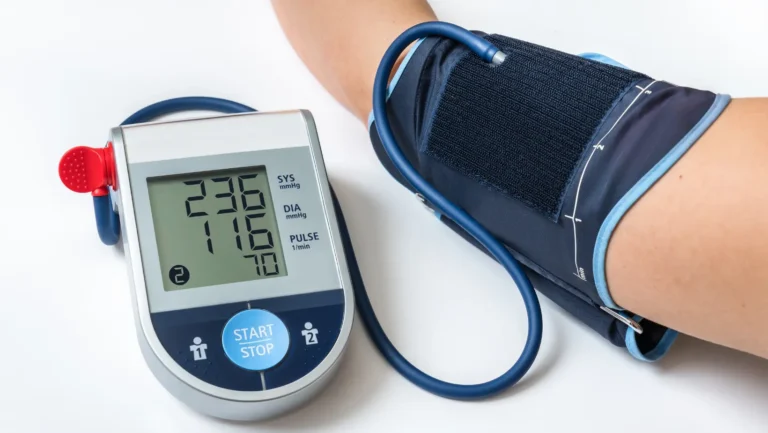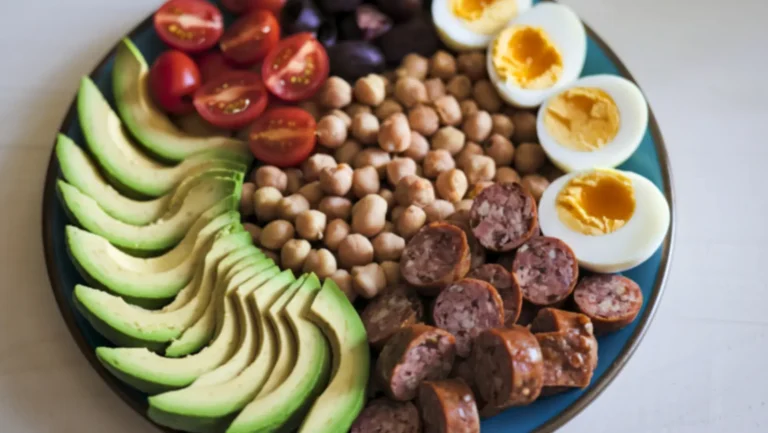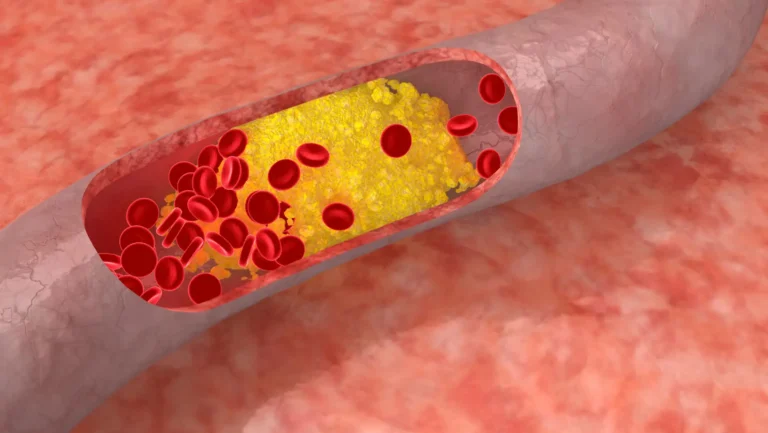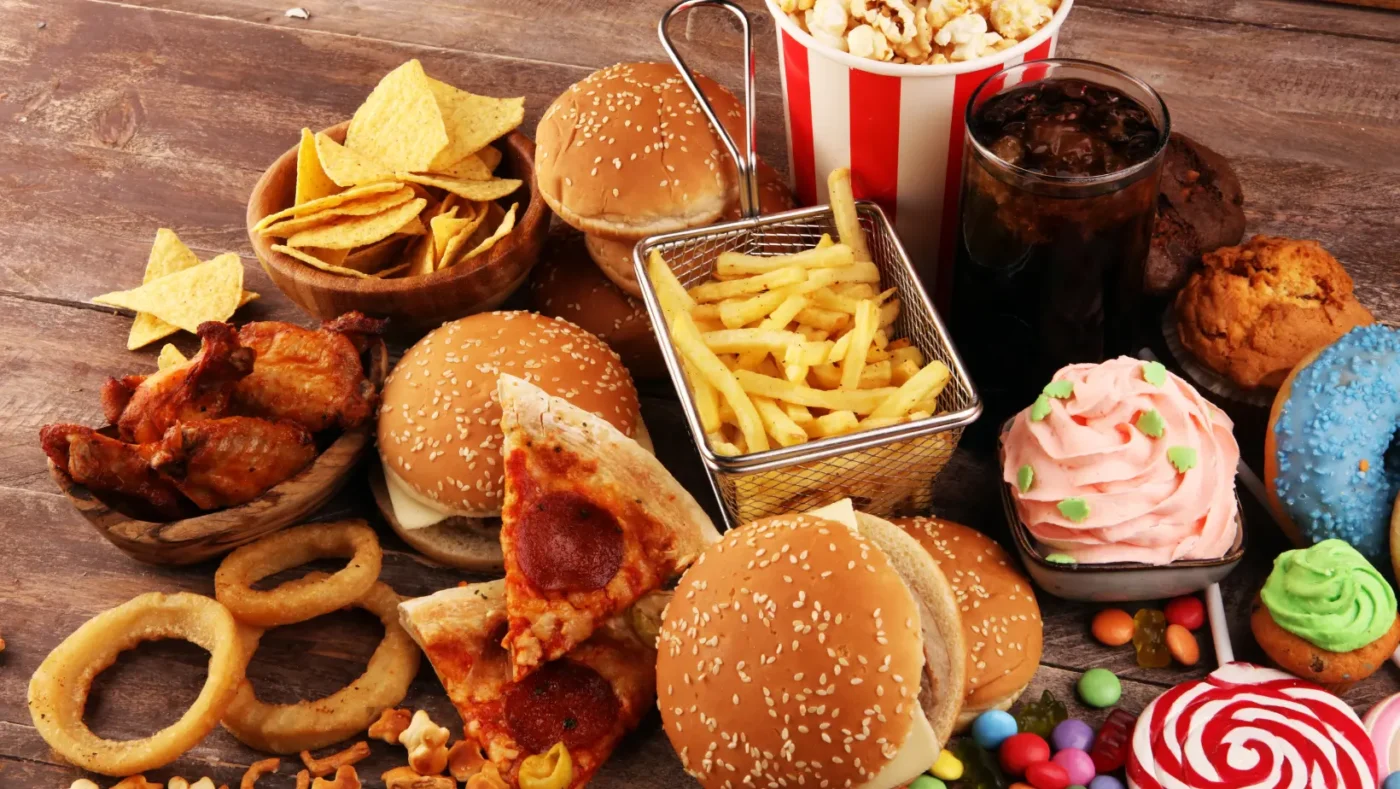

The worst foods for high cholesterol are the ones loaded with artificial trans fats, saturated fat, and refined sugar, since these three raise LDL and triglycerides at the same time. High cholesterol affects roughly 86 million US adults age 20 and older, according to the CDC, and diet quality is the single biggest behavioral factor behind it. This guide breaks down exactly which foods do the damage, which “bad” foods are actually overrated, and what to eat instead.
What Makes a Food “Bad” for High Cholesterol?
Not every food raises cholesterol the same way, and that distinction barely shows up online. Some foods push LDL up directly. Others spike triglycerides instead. A few don’t touch your lipids at all but still wreck your heart health through weight gain and inflammation.
Foods That Raise LDL Cholesterol
Three categories drive most of the LDL increase seen in worst foods for high cholesterol lists:
- Saturated fats: found in butter, fatty beef, pork, poultry skin, and tropical oils like palm and coconut. The American Heart Association recommends keeping saturated fat under 6% of total daily calories.
- Trans fats: artificial trans fats raise LDL and lower HDL at the same time, a double hit no other fat causes. They form during partial hydrogenation of vegetable oil.
- Certain ultra-processed foods: packaged items combining refined flour, added sugar, and industrial fats compound the damage beyond what any single ingredient would cause alone.
Foods That Worsen Triglycerides
Triglycerides matter just as much as LDL, and sugar drives them up fast.
- Added sugars: NIH research shows that fructose specifically pushes the liver to manufacture more fat, raising triglyceride-carrying particles called VLDL.
- Refined carbohydrates: white bread, white rice, and pastries break down into sugar quickly, triggering the same liver response as straight table sugar.
Foods That Promote Overeating and Metabolic Dysfunction
Highly processed snacks engineered for taste rather than nutrition encourage overeating, and the resulting weight gain raises LDL and lowers HDL on its own. This explains why two people eating “similar” diets can end up with very different lipid panels.
Understanding the connection between saturated fat and high cholesterol matters here too, since saturated fat is the one nutrient tying nearly every item on this list together, whether the food spikes LDL directly or triggers overeating that does the same job indirectly.
The Worst Foods for High Cholesterol
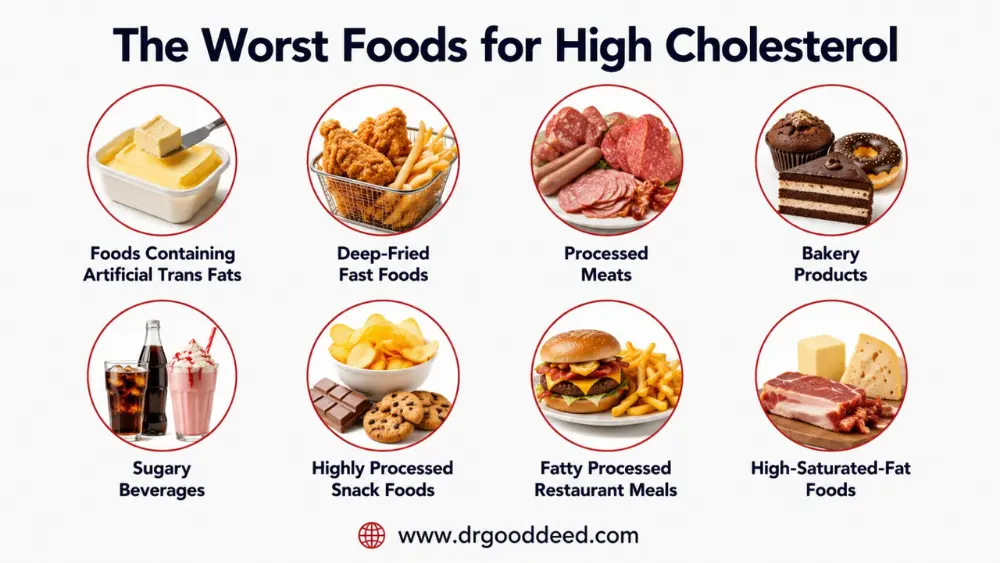
Here’s the actual ranked list of worst foods for high cholesterol, based on how directly each one drives LDL and triglycerides upward, plus exactly why each one causes damage.
1. Foods Containing Artificial Trans Fats
Severity Rating: Very High
Shortening, some margarines, and old-style fried fast food can still contain artificial trans fats. This makes the category one of the worst foods for high cholesterol on the entire list. The AHA states trans fats raise LDL and lower HDL simultaneously, and some studies show industrial trans fats may raise cardiovascular risk even more than saturated fat does.
2. Deep-Fried Fast Foods
Fried chicken, french fries, and fried fish sticks soak up oil that’s often reused at high heat, which generates harmful fat byproducts beyond the original oil’s fat content. Restaurant fryer oil also frequently contains partially hydrogenated fat.
3. Processed Meats
Bacon, sausage, hot dogs, and deli meat combine saturated fat with dietary cholesterol and sodium. The AHA specifically calls out processed meat as one of the most concentrated sources of dietary cholesterol in the average American diet.
4. Commercial Pastries and Bakery Products
Donuts, cookies, and packaged cakes pack saturated fat, sugar, and refined flour into one bite. This combination raises both LDL and triglycerides at once, which single-nutrient warnings rarely capture.
5. Sugary Beverages
Soda, sweetened tea, and energy drinks deliver pure fructose with zero fiber to slow it down. NCBI research links high intake of sugar-sweetened beverages directly to elevated triglycerides and increased cardiovascular risk.
6. Highly Processed Snack Foods
Chips, crackers, and packaged cookies often combine refined starch with saturated or partially hydrogenated fat, plus enough sodium and flavor enhancers to make portion control difficult.
7. Fatty Processed Restaurant Meals
Cream-based pasta dishes, breaded entrees, and creamy restaurant sauces frequently hide more saturated fat in one serving than a person should eat in a full day, since portion sizes at restaurants run far larger than standard servings.
8. Excessive Intake of Certain High-Saturated-Fat Foods
Full-fat cheese, butter, and fatty cuts of red meat aren’t dangerous in small amounts, but regular, large portions add up fast. The link between saturated fat and high cholesterol is the most established finding in all of cardiovascular nutrition research, and NCBI’s clinical review confirms saturated fat intake, not dietary cholesterol alone, has the biggest measurable effect on LDL levels.
The Most Overrated “Bad” Foods for Cholesterol
This is where most worst foods for high cholesterol lists get it wrong, and where real evidence tells a different story than decades-old advice. Knowing the difference between genuine offenders and overhyped ones is one of the best diet changes for high cholesterol management you can make, since it stops you from cutting out nutritious foods for no real benefit.
Eggs
Dietary cholesterol and blood cholesterol are not the same thing. A 2023 review in the Journal of Nutritional Science found that observational studies generally don’t show a significant link between dietary cholesterol and cardiovascular disease risk in most people.
The liver compensates for cholesterol eaten in food by making less of its own. About one-third of people are “hyper-responders” whose blood cholesterol does rise more with egg intake, but for most adults, the AHA’s 2019 science advisory says up to one whole egg daily fits comfortably into a heart-healthy diet.
Shellfish
Shrimp gets blamed constantly, but the full picture is more interesting. A study published in Mayo Clinic Proceedings tracking shrimp consumers found shrimp intake was tied to a 7.1% rise in LDL, but also a 12.1% rise in protective HDL, alongside lower rates of heart failure, coronary disease, and stroke compared to non-consumers. Shrimp delivers roughly 0.5 grams of omega-3s per 100 grams, which helps explain the favorable overall pattern despite the cholesterol content.
Whole-Food Dairy
Older advice treated all dairy fat as equally harmful, but newer evidence is more nuanced. The 2025 Dietary Guidelines Advisory Committee found that swapping between different forms of dairy, like whole milk for low-fat milk, showed no meaningful difference in cardiovascular disease risk in their review of current evidence. Whole-food dairy in modest amounts behaves differently than dairy-derived butter or cream used in processed snacks.
Key takeaway: Some foods have a worse reputation than the evidence supports. Eggs, shellfish, and whole dairy deserve a second look, while ultra-processed foods deserve the warnings they get.
Hidden Sources of Cholesterol-Damaging Ingredients
These sources rarely make typical foods to avoid with high cholesterol lists, yet they add up fast across a normal week.
Restaurant Foods
Restaurant kitchens use butter, cream, and oil liberally for flavor and speed, and portions run large. A single restaurant entree can quietly contain a full day’s worth of recommended saturated fat.
Coffee Creamers
Many powdered and liquid creamers use partially hydrogenated oils or high amounts of saturated palm oil, even when the label says “non-dairy.”
Frozen Convenience Meals
Frozen dinners often combine sodium, saturated fat, and refined starch to extend shelf life and improve texture after reheating, a combination working against your lipid panel from three directions at once.
Packaged Snack Foods
Granola bars and “healthy-sounding” snack packs frequently contain as much added sugar and saturated fat as a cookie, just marketed differently.
“Low-Fat” Foods Loaded With Sugar
This is one of the biggest diet mistakes that increases cholesterol today. Manufacturers cut fat from products like yogurt and salad dressing, then add sugar to restore flavor and texture, which spikes triglycerides instead of solving the original problem.
The Best Cholesterol-Friendly Foods to Prioritize
These are the proven foods that help lower LDL cholesterol, backed by repeated clinical research.
- Oats and whole grains: soluble fiber binds cholesterol in the gut and carries it out before absorption. A meta-analysis in the American Journal of Clinical Nutrition found that soluble fiber intake meaningfully lowers LDL.
- Beans and legumes: lentils, chickpeas, and black beans deliver fiber and plant protein with zero saturated fat.
- Fruits rich in soluble fiber: apples, pears, and citrus fruits contain pectin, a fiber type shown to reduce LDL absorption.
- Nuts and seeds: walnuts and almonds provide unsaturated fat that replaces saturated fat in the diet, which NCBI research confirms is the change that actually lowers LDL.
- Fatty fish: salmon, mackerel, and sardines supply EPA and DHA omega-3s, shown in a 2021 meta-analysis of 25 cohort studies covering over 2 million participants to lower cardiovascular mortality risk.
- Plant-based protein sources: tofu and tempeh replace red meat without adding saturated fat or dietary cholesterol.
Best Cooking Methods for Heart Health
How food gets cooked changes its impact on cholesterol almost as much as the ingredient list does, something most nutrition articles barely mention.
Grilling
Grilling lets fat drip away from meat instead of soaking back in, cutting total saturated fat per serving compared to frying the same cut.
Baking
Baking needs little to no added oil and works for proteins, vegetables, and even foods normally fried, without the oil absorption that frying causes.
Steaming
Steaming uses no added fat at all and preserves more water-soluble nutrients than boiling does, which matters for vegetables in particular.
Air Frying
Air frying cuts oil use dramatically compared to deep frying while still producing a crisp texture, making it one of the easier swaps for people who eat a lot of fried food.
Avoiding Deep Frying
Deep frying adds fat directly into food and exposes oil to repeated high heat, which generates harmful compounds with continued reuse. This single change, skipping deep frying, may matter more than any other single food swap on this list.
FAQ
Do eggs raise cholesterol levels?
For most people, no significant rise occurs since the liver reduces its own cholesterol output. About one-third of people are hyper-responders whose LDL does increase with egg intake.
Is red meat bad for high cholesterol?
Yes, particularly fatty and processed cuts. Saturated fat in red meat raises LDL more reliably than the meat’s actual cholesterol content does, according to NCBI’s 2026 dietary therapy review.
How do saturated fats affect cholesterol?
Saturated fat reduces LDL receptor activity in the liver, which slows LDL clearance from blood and raises circulating LDL levels, the well-documented mechanism behind decades of dietary guidance.
What are trans fats and why are they harmful?
Trans fats form during partial hydrogenation of vegetable oil. They uniquely raise LDL while simultaneously lowering HDL, a combined effect no other dietary fat produces.
Can sugary foods increase cholesterol?
Yes, specifically triglycerides. Fructose drives the liver to produce more VLDL particles, which carry triglycerides through the bloodstream and worsen the overall lipid profile.
Is the Mediterranean diet good for high cholesterol?
Yes. The Lyon Diet Heart Study and later trials show this pattern lowers LDL and reduces cardiovascular events, largely by replacing saturated fat with olive oil, fish, and fiber-rich plants.
Can losing weight lower cholesterol levels?
Yes. Even moderate weight loss lowers LDL and triglycerides while raising HDL, because excess body fat itself drives unfavorable changes in liver lipid processing.
Are fried foods bad for cholesterol?
Yes. Frying adds absorbed fat directly into food and often involves reused oil that generates harmful compounds, compounding the saturated and trans fat already present.
Do processed meats increase heart disease risk?
Yes. The AHA identifies processed meats like sausage and hot dogs as concentrated dietary cholesterol sources that combine with high sodium and saturated fat to raise cardiovascular risk.
Sources
- American Heart Association: Saturated Fats
- American Heart Association: Fats in Foods
- American Heart Association: Latest on Dietary Cholesterol
- NCBI StatPearls: Dietary Therapy for LDL Cholesterol Reduction
- NCBI Endotext: The Effect of Diet on Cardiovascular Disease and Lipid Levels
- Journal of Nutritional Science: Cracking the Myths Around Eggs and Cardiovascular Disease
- Mayo Clinic Proceedings: Impact of a High-Shrimp Diet on Cardiovascular Risk
- 2025 Dietary Guidelines Advisory Committee: Food Sources of Saturated Fat
- MDPI Nutrients: Fish and Marine Omega-3 Intake Meta-Analysis
- American College of Cardiology: Dietary Approaches for Elevated LDL-C
Disclaimer: This article is for general education only and does not replace medical advice. Talk to your doctor before making major diet changes, especially if you take cholesterol medication.