
Acne is one of the most common skin conditions on the planet. About 85% of people between 12 and 24 years old get it at some point. Yet most people still don’t fully understand what causes it, what makes it worse, or how to actually treat it properly.
What Is Acne?
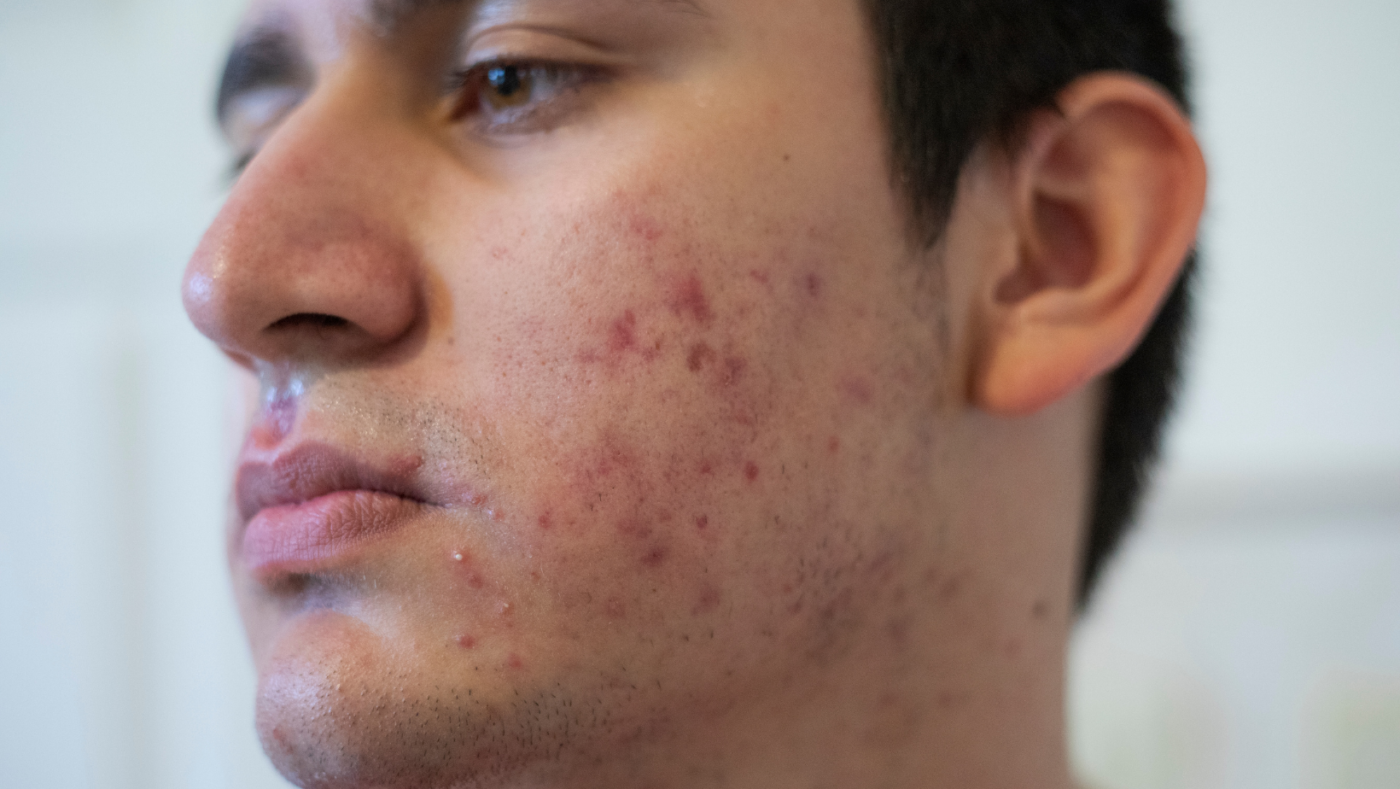
Acne happens when hair follicles get blocked by oil and dead skin cells. Bacteria then grow inside the clog, causing redness, swelling, or pus. It mostly appears on the face, chest, and back acne because those areas have the most oil glands. Hormones, diet, and stress all play a role.
What Are the 7 Types of Acne?
Acne covers 7 distinct types, and treating the wrong one with the wrong product makes skin worse, not better. Knowing your type is the first real step toward clearing your skin.
| Type | What It Looks Like | Pain Level |
| Whiteheads | Small white bumps, pore is closed | None |
| Blackheads | Dark open pores, not dirt | None |
| Papules | Small red raised bumps | Mild |
| Pustules | Red bumps with white/yellow pus tip | Mild to moderate |
| Nodules | Large, hard, deep bumps under skin | High |
| Cysts | Soft, painful, pus-filled deep lumps | Very high |
| Fungal acne | Uniform small bumps, often itchy | Mild |
Fungal acne is commonly misdiagnosed. It’s caused by yeast, not bacteria, so standard acne treatments don’t work on it at all.
What Are the Signs of Getting Acne?
Early signs include skin feeling oily or rough around the nose and chin, small, tender bumps under the skin, skin looking congested or dull, and slight redness in pore-dense areas. Breakouts rarely appear suddenly. The skin usually gives warning signs days before anything visible shows up.
Does Vitamin D Cause Acne Breakouts?
Low vitamin D is linked to more inflammation, which worsens acne. But very high supplemental doses (above 10,000 IU daily) have triggered breakouts in some people by raising calcium and altering sebum production. The right range (1,000 to 4,000 IU daily) generally doesn’t cause acne.
Can Sleeping Early Reduce Acne?
Yes. Sleeping before midnight gives the skin more time during peak repair hours (10 PM to 2 AM) when growth hormone is highest. This hormone helps skin heal and reduces inflammation. Poor sleep raises cortisol, which directly increases oil production. Better sleep alone won’t cure acne, but it does reduce flare-ups.
What Are Four Factors That Can Affect Acne?
Four major acne triggers most people underestimate:
- Hormones: Androgens (especially testosterone) raise oil production. This is why teenagers and people with PCOS break out more.
- Diet: High-glycemic foods spike insulin, which triggers oil production. Dairy also increases IGF-1, a hormone linked to acne.
- Stress: Cortisol tells oil glands to produce more sebum. Chronic Stress Cause Acne.
- Skincare products: Comedogenic ingredients (coconut oil, lanolin, some silicones) physically block pores and create acne that looks hormonal acne but isn’t.
Which Foods Trigger Acne?
The biggest dietary acne triggers are white bread, white rice, sugary drinks, skim milk, and whey protein. A 2020 study in JAAD found that high-glycemic diets significantly worsened acne severity. Chocolate with high sugar content also ranks high. Plain dark chocolate (70%+) shows much weaker links to breakouts.
What Does B12 Acne Look Like?
B12-induced acne looks exactly like regular inflammatory acne but appears suddenly after starting B12 supplements or injections. It clusters mostly on the cheeks and chin. The mechanism: B12 alters the skin’s bacterial metabolism, causing Cutibacterium acnes to produce more inflammatory compounds. Stopping the supplement usually resolves it within weeks.
What Does PCOS Acne Look Like?
PCOS acne forms deep, painful cysts and nodules mostly along the jawline acne, chin, and neck. It doesn’t respond well to standard acne washes. It also tends to flare up in patterns, often worsening around the menstrual cycle. Hormonal treatment (spironolactone or combined oral contraceptives) works better for PCOS acne than topical creams.
How to Not Get Acne While Sleeping?
Change pillowcases every 2 to 3 days. Pillowcases collect oil, sweat, and bacteria fast. Sleep on your back when possible. Wash your face before bed without fail. Avoid thick, greasy night creams if you’re acne-prone. Hair products that touch your face while sleeping (pomades, serums) are a common and overlooked cause of forehead and cheek breakouts.
How to Clear Acne in 3 Days?
Realistically, 3 days won’t clear existing acne. But it can significantly reduce swelling and redness. Use ice wrapped in a cloth on inflamed spots for 5 minutes twice daily. Apply 2.5% benzoyl peroxide directly on the pimple. Hydrocortisone cream (1%) reduces redness fast. A cortisone injection from a dermatologist is the only real 24-hour solution. Pro tip How To Remove Acne Scars.
What Naturally Kills Acne?

Proven natural options include:
- Tea tree oil (5%): Clinically shown to reduce acne lesions. Works slower than benzoyl peroxide but with fewer side effects.
- Niacinamide (topical): Reduces inflammation and sebum production.
- Zinc (oral): Zinc gluconate at 30 mg daily reduced acne in multiple trials.
- Witch hazel: Tightens pores and has mild antibacterial properties.
Apple cider vinegar is popular online but has weak evidence and can irritate skin badly.
How Do I Stop Getting Acne?
Consistent habits matter more than any single product. Wash your face twice daily with a gentle, non-comedogenic cleanser. Moisturize even if your skin is oily (dry skin overproduces oil to compensate). Avoid touching your face. Change pillowcases frequently. Keep hair off your face. And if hormonal acne keeps returning, get bloodwork done rather than treating only the surface.
How Does a Doctor Diagnose Acne?
Doctors diagnose acne visually, mostly. They look at lesion type, location, and severity. For suspected hormonal acne (especially in adult women), they check androgen levels, DHEAS, and sometimes rule out PCOS. In cases where standard treatment fails repeatedly, a culture test checks for antibiotic-resistant bacteria or Treat Fungal Acne involvement.
What Is Grade 1, 2, 3, and 4 Acne?
Acne severity is graded on a 1 to 4 scale:
- Grade 1 (Mild): Mostly whiteheads and blackheads. Little to no inflammation.
- Grade 2 (Moderate): Papules and pustules. Some redness. Covers limited areas.
- Grade 3 (Moderately Severe): Many pustules and nodules. Widespread across face or body.
- Grade 4 (Severe/Cystic): Deep cysts and nodules. High risk of scarring. Requires medical treatment, not over-the-counter products.
What Is the Best Treatment to Treat Acne?
For most people, benzoyl peroxide (2.5% to 5%) combined with a retinoid (like tretinoin or adapalene) is the strongest over-the-counter combination. Benzoyl peroxide kills acne-causing bacteria. Retinoids speed up skin cell turnover and unclog pores. Together, they target two of the three main causes of acne simultaneously.
What Is the Most Effective Way to Cure Acne?
Consistency beats intensity. Using a gentle cleanser, retinoid, and non-comedogenic moisturizer every single day for 12 weeks outperforms aggressive spot treatments used randomly.
Tretinoin 0.025% used nightly for 3 months clears moderate acne better than most OTC regimens. Diet changes and stress reduction speed up results, but a stable skincare routine is the foundation.
What Is the Most Effective Treatment for Acne?
For severe or cystic acne, isotretinoin (Accutane) remains the most effective single treatment available. It permanently reduces sebaceous gland size by up to 90%. One course clears acne in about 85% of users for the long term. It requires medical supervision due to side effects, but nothing else comes close for severe cases.
What Are the Top 3 Best Acne Treatments?
- Tretinoin (topical): Gold standard for mild to moderate acne. FDA-approved, decades of clinical evidence.
- Benzoyl Peroxide: Best antibacterial option available without a prescription. Reduces antibiotic resistance risk.
- Isotretinoin (oral): For severe acne only. Highest long-term success rate of any acne therapy.
Antibiotics (like doxycycline) work short-term but aren’t a standalone long-term solution because resistance builds up.