
Gout is a type of arthritis caused by too much uric acid in the blood. When uric acid builds up, it forms sharp crystals in your joints, usually starting in the big toe. Those crystals cause sudden, intense pain. The right food choices directly control how often attacks happen.
What you eat raises or lowers it within hours. Most people with gout can reduce attacks significantly by changing their diet. This article breaks down exactly which foods make gout worse, which drinks trigger attacks, and what to eat instead.
Foods That Trigger Gout Attacks
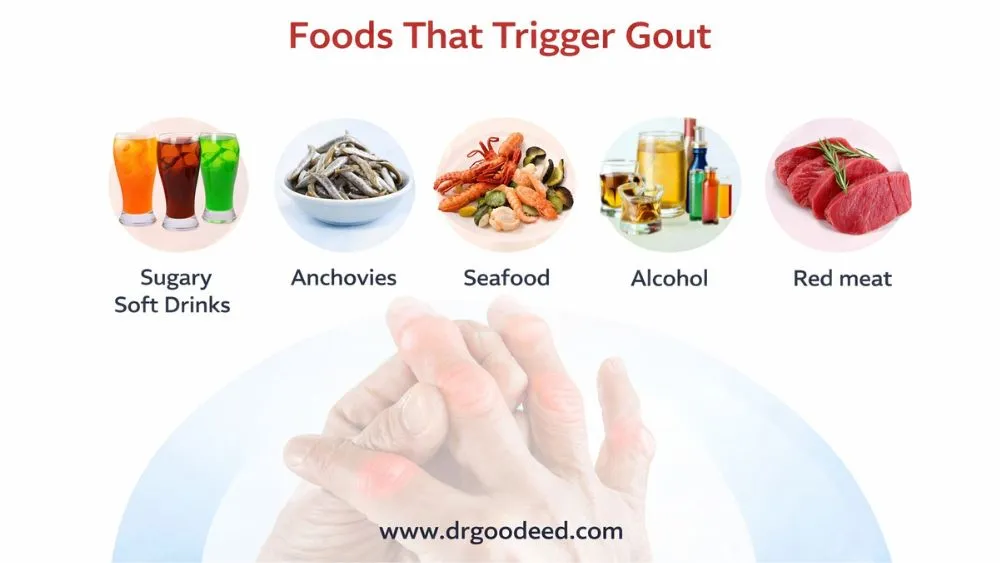
Foods that trigger gout attacks are mostly high in purines, a natural compound your body breaks down into uric acid. When purine intake spikes, uric acid rises fast. A joint attack can follow within 12 to 24 hours. Not all high-purine foods are equal, though. Some are more dangerous than others.
High-Purine Foods and Uric Acid Spikes
Purines are in almost every food. The problem is quantity. Foods with over 200mg of purines per 100g are considered high-risk for gout. These include:
- Organ meats (liver, kidney, heart)
- Anchovies, sardines, herring, mackerel
- Red meat, especially lamb and beef
- Game meats like venison
A single large serving of beef liver delivers around 300mg of purines. That alone pushes uric acid levels up measurably within hours.
Alcohol and Uric Acid Retention
Alcohol blocks your kidneys from excreting uric acid. It also increases uric acid production in the liver. Beer is the worst offender because it contains both alcohol and its own purines from yeast. A 2004 study published in The Lancet found that men who drank two or more beers per day had a 2.5 times higher risk of gout compared to non-drinkers.
Sugary Foods and Fructose Impact
Fructose, the sugar found in fruit juice, soda, and high-fructose corn syrup, raises uric acid through a different pathway than purines. Fructose metabolism produces purines as a byproduct inside your cells. This means you get a uric acid spike even without eating purine-rich foods. Sweetened beverages are one of the most underrated foods to avoid with gout.
Processed Foods and Inflammation
Ultra-processed foods, such as packaged snacks, fast food, and cured meats, increase systemic inflammation. Inflammation alone worsens joint swelling during a gout attack, even when uric acid levels are stable. Processed meats like salami and hot dogs contain added purines and high sodium, both of which stress the kidneys.
Foods Increasing Uric Acid Levels
Foods increasing uric acid levels tend to share one trait: they are dense in purines or fructose. Uric acid rises when the body produces more than the kidneys can filter out. These specific foods are the biggest drivers.
Organ Meats (Liver, Kidney)
100g of beef liver contains roughly 233mg of purines. Kidney tops that at around 269mg. These are the highest purine foods in the typical diet. Even a single weekly serving keeps uric acid elevated in people who already have gout.
Red Meat and Game Meat
Beef, pork, and lamb average 100 to 150mg of purines per 100g serving. Game meats like venison and rabbit run higher, sometimes reaching 200mg. People with gout who eat red meat more than three times a week have measurably higher uric acid levels compared to those who limit it to once a week.
Seafood (Anchovies, Sardines, Shellfish)
Anchovies top the seafood list at around 411mg of purines per 100g. Sardines, mussels, and scallops also rank high. Shrimp and lobster are moderate. White fish like cod and tilapia are much lower and safer for regular consumption.
High-Fructose Beverages
Orange juice, apple juice, and regular soda all contain fructose in significant amounts. A 350ml can of regular cola delivers around 40g of fructose. Research from Harvard Medical School linked one or more sugary drinks per day to a 45% higher risk of gout in men.
Gout Pain After Eating Certain Foods
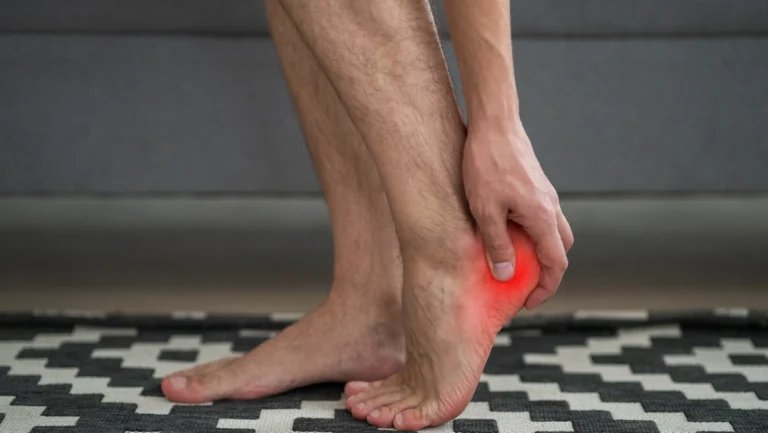
Gout pain after eating certain foods follows a predictable pattern. The pain is not gradual. It tends to arrive suddenly, often during the night, starting hours after a triggering meal. The joint becomes hot, red, and so sensitive that even a bed sheet touching it causes pain.
Why Symptoms Flare Within Hours
After a high-purine meal, uric acid levels in the blood rise within 4 to 8 hours. Crystals form when uric acid concentration crosses a threshold (around 6.8 mg/dL). The immune system detects these crystals as foreign objects and attacks them, which is what causes the inflammation and pain.
Joint Inflammation and Crystal Formation
The most affected joint is the metatarsophalangeal joint (the base of the big toe). Uric acid crystals have a needle-like shape and physically pierce the joint tissue, which triggers immune cells called neutrophils. The neutrophil response produces intense swelling and heat.
Common Patterns After Meals
Most gout attacks occur at night or in the early morning. Body temperature drops during sleep, and cooler temperatures push uric acid out of solution faster, encouraging crystal formation. A heavy dinner with red meat and beer creates the ideal conditions for a nighttime attack.
Foods Most Linked to Sudden Attacks
- Shellfish (especially mussels and scallops)
- Beer consumed with a high-purine meal
- Red meat in large portions
- Organ meats, even in small amounts
Alcohol and Drinks That Worsen Gout
Any amount of alcohol worsens gout. Beer is the worst. Spirits are second. Even wine, though lower-risk, still impairs uric acid excretion. The drinks below are some of the most important foods to avoid with gout.
Beer and Its Purine Content
Beer contains both alcohol and guanosine, a purine from brewer’s yeast. This double combination makes beer the single most potent gout trigger among alcoholic drinks.
Spirits and Dehydration Effects
Whiskey and vodka do not contain purines, but alcohol causes dehydration. Dehydration concentrates uric acid in the blood, making crystal formation more likely. Even two standard drinks without water intake creates measurable dehydration within 3 hours.
Sugary Soft Drinks and Fructose
Coca-Cola, Pepsi, and similar drinks deliver fructose fast. Diet versions with artificial sweeteners are safer, though some research suggests aspartame has a minor effect on uric acid too.
Hidden Sources of Uric Acid Triggers
- Energy drinks (fructose content)
- Sweetened iced teas
- Fruit punches and cocktail mixers
- Kombucha with added sugar
Low Purine Diet for Gout Management
A low purine diet for gout management limits daily purine intake to under 400mg. This keeps uric acid within a range the kidneys can handle without allowing crystal buildup. It does not require eliminating all protein.
What Is a Low-Purine Diet
It focuses on replacing high-purine proteins with low-purine alternatives. Most vegetables, eggs, dairy, and certain grains are low in purines and safe to eat regularly.
Safe Protein Sources
- Eggs (less than 5mg purines per egg)
- Low-fat dairy (yogurt, milk, cheese)
- Tofu (moderate, around 68mg per 100g)
- White fish like cod or tilapia
Role of Dairy and Plant-Based Foods
Low-fat dairy actively lowers uric acid. Milk proteins, especially casein and lactalbumin, increase uric acid excretion through the kidneys. A daily serving of low-fat yogurt or milk shows measurable benefits in clinical studies.
Hydration and Uric Acid Excretion
Drinking 2 to 3 liters of water per day increases the kidney’s capacity to flush uric acid. Every 500ml increase in daily water intake reduces serum uric acid by approximately 0.18 mg/dL.
Diet Plan to Prevent Gout Attacks
A diet plan to prevent gout attacks works by keeping daily uric acid production below the kidney’s clearance capacity. The structure matters as much as the food choices.
Daily Meal Structure for Gout Control
- Breakfast: Low-fat yogurt, oats with berries, coffee (unsweetened)
- Lunch: Grilled chicken breast, brown rice, leafy greens
- Dinner: Baked cod, quinoa, steamed vegetables (broccoli, carrots, zucchini)
- Snacks: Cherries, walnuts, low-fat cheese
Foods to Include Regularly
Tart cherries deserve specific mention. A 2012 study in Arthritis & Rheumatism found that eating cherries reduced gout attack risk by 35%. Anthocyanins in cherries lower inflammation and reduce uric acid.
Coffee, despite assumptions, also lowers gout risk. Men who drink 4 to 5 cups per day have 40% lower gout risk, according to a Harvard study of over 45,000 participants.
Portion Control and Timing
Large meals spike uric acid more than smaller, spread-out meals. Eating one large serving of meat in a day is safer than eating meat at every meal, even if total quantity is similar.
Long-Term Dietary Habits
Consistency matters more than occasional restriction. Short-term dieting around a flare does not prevent future attacks. People who maintain a steady low-purine diet see uric acid normalization within 4 to 8 weeks.
Foods You Can Eat Instead
These foods are low in purines and actively support uric acid control.
Low-Purine Vegetables and Fruits
Most vegetables are safe, including spinach, broccoli, mushrooms, and asparagus. Spinach and asparagus contain moderate purines but do not raise uric acid in the same way meat does. Cherries, blueberries, and strawberries are excellent choices.
Whole Grains and Fiber-Rich Foods
Oats, brown rice, and whole wheat bread are low in purines and reduce inflammation markers. Fiber helps regulate insulin, which affects uric acid excretion indirectly.
Low-Fat Dairy Products
Milk, cheese (in moderation), and unsweetened yogurt are among the most protective foods for gout. They lower uric acid and provide protein without purine load.
Nuts, Seeds, and Plant Proteins
Walnuts, almonds, flaxseed, and pumpkin seeds are low in purines. They provide protein and healthy fats without triggering uric acid spikes.
Lifestyle Factors That Worsen Gout
Diet is not the only factor. Several lifestyle habits accelerate uric acid buildup regardless of food intake.
- Obesity: Fat cells produce uric acid. Each 10kg increase in body weight raises uric acid by roughly 0.5 mg/dL.
- Dehydration: Uric acid concentrates in less fluid, forming crystals faster.
- Certain medications: Diuretics (water pills) and low-dose aspirin raise uric acid levels. Talk to your doctor before stopping any prescribed medication.
- Fasting or crash dieting: Rapid weight loss produces ketones that compete with uric acid for kidney excretion, temporarily raising uric acid and triggering attacks.
- Lack of sleep: Poor sleep raises inflammatory markers that worsen joint flares.
When to See a Doctor
Frequent Gout Attacks
If you experience more than two gout attacks per year, diet changes alone will not be enough. Urate-lowering therapy, such as allopurinol, becomes necessary to prevent permanent joint damage.
Severe Joint Swelling and Pain
Swelling that does not subside within 10 days, or pain severe enough to prevent walking, needs medical evaluation. Septic arthritis, a bacterial joint infection, mimics gout and requires antibiotics immediately.
Kidney-Related Complications
Chronic high uric acid causes kidney stones and, over time, damages kidney tissue directly. Flank pain, blood in urine, or reduced urine output alongside gout symptoms requires urgent evaluation.
Need for Long-Term Medication
Allopurinol and febuxostat reduce uric acid production chronically. Probenecid increases its excretion. These medications work best when combined with dietary changes, not as a replacement for them.
Frequently Asked Questions
What foods should I completely avoid with gout?
Organ meats (liver, kidney), anchovies, sardines, beer, and fructose-sweetened drinks are the highest-risk foods to avoid with gout. Even small amounts of organ meat push uric acid above safe thresholds. These four categories cause more attacks than any other dietary source.
Can I eat chicken or eggs with gout?
Yes. Chicken contains moderate purines (around 175mg per 100g in dark meat, lower in white meat). Breast meat once daily is safe. Eggs contain under 5mg of purines each and are one of the safest protein sources for people with gout.
Does alcohol always trigger gout attacks?
Not always, but beer does so consistently. Spirits raise risk through dehydration. Wine is the lowest-risk alcohol, but even one glass impairs uric acid excretion for several hours. No safe alcohol limit exists for people with frequent attacks.
What is the fastest way to reduce gout pain?
NSAIDs like ibuprofen or naproxen reduce gout inflammation fastest, typically within 24 hours. Colchicine, taken within 12 hours of attack onset, is clinically proven to shorten flare duration. Ice packs applied for 20 minutes reduce joint temperature and slow crystal activation.
Are fruits bad for gout due to sugar?
Whole fruits are not. The fiber in whole fruit slows fructose absorption and limits the uric acid spike. Fruit juice removes that fiber. Apple juice and orange juice raise uric acid comparably to soda. Eat fruit; avoid juice.
Can diet alone control gout?
Yes, in mild cases with uric acid under 8 mg/dL. A strict low-purine diet lowers uric acid by 1 to 1.5 mg/dL on average. People with readings above 9 mg/dL usually need medication alongside diet changes to reach the target of under 6 mg/dL.
How long does it take for uric acid levels to drop?
4 to 8 weeks of consistent dietary changes produce measurable uric acid reduction. Adding 2 to 3 liters of daily water intake accelerates this. Medication (allopurinol) reaches effective uric acid reduction in 2 to 4 weeks.
Is coffee good or bad for gout?
Good. Regular coffee (caffeinated) lowers gout risk. Men drinking 4 to 5 cups daily had 40% lower gout incidence in a Harvard cohort study of 45,869 men. Caffeine is not the active factor; coffee’s antioxidants lower insulin and uric acid together.
What vegetables should be avoided in gout?
None need complete avoidance. Spinach, asparagus, and cauliflower contain moderate purines but do not trigger gout attacks the way meat does. Clinical evidence consistently shows vegetable purines do not raise serum uric acid meaningfully.
Can fasting trigger gout attacks?
Yes. Fasting raises ketone bodies, which compete with uric acid for renal excretion, causing uric acid to accumulate. Rapid weight loss during fasting also releases purines from dying cells. Gradual caloric restriction (500 calories below maintenance) avoids this effect.