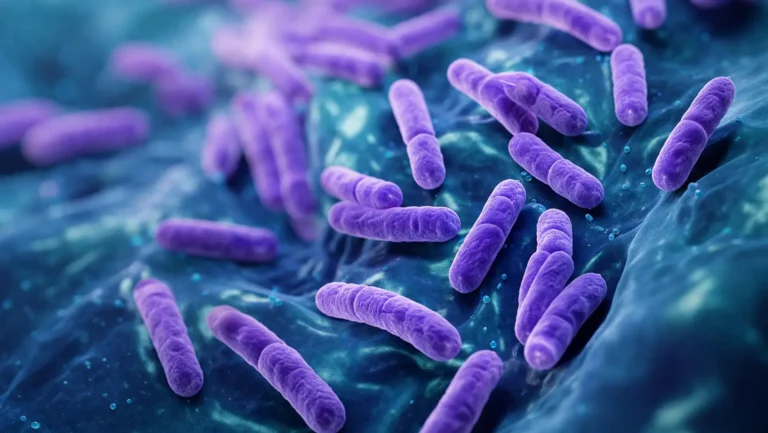

Antibiotics kill bacteria or stop them from multiplying. They don’t work on viruses. That’s why your doctor won’t prescribe them for a cold or flu. They’re used for bacterial infections: strep throat, urinary tract infections, antibiotic for ear infections, and skin infections.
Antibiotics work when used correctly. The damage comes from misuse, not from the drugs themselves. Most side effects are short-lived, most gut disruption is reversible, and most infections clear completely with the right course.
What Are the Top 3 Antibiotics?
The three most prescribed antibiotics globally are amoxicillin, azithromycin, and ciprofloxacin. Amoxicillin treats ear, throat infection, and chest infections. Azithromycin covers respiratory and skin infections. Ciprofloxacin targets urinary and gut infections. The “best” one depends entirely on which bacteria is causing the infection.
Which Antibiotic Kills All Bacteria?
No antibiotic kills all bacteria. Broad-spectrum antibiotics like ciprofloxacin and amoxicillin-clavulanate cover a wide range, but they still miss certain strains. “Broad-spectrum” means wider coverage, not total coverage. Doctors confirm the right antibiotic through lab tests when the infection is serious or unclear.
Which Fruit Is a Natural Antibiotic?
Cranberry and lemon have real antibacterial evidence. Cranberry juice stops E. coli from sticking to the bladder wall. Lemon’s citric acid creates an environment bacteria struggle to survive in. These fruits help. But they don’t replace prescription antibiotics when a real bacterial infection is present.
Which Vegetable Is a Natural Antibiotic?
Garlic is the strongest. It contains allicin, a compound that disrupts bacterial cell walls. Studies confirm allicin works against Staphylococcus aureus and E. coli. Onion and ginger also have antibacterial properties. Garlic has the most clinical research behind it, by a wide margin.
What Kills 100% of Bacteria?
Nothing kills 100% of bacteria inside a living body. Autoclave sterilization at 121 degrees Celsius for 15 minutes kills bacteria on medical tools. Inside the body, strong antibiotics combined with a functioning immune system clear most infections. Some resistant strains survive even aggressive treatment.
What to Eat to Remove an Infection?
Garlic, ginger, turmeric, and raw honey have documented antibacterial properties. Probiotic foods like yogurt and kefir replenish gut bacteria destroyed during antibiotic treatment. Vitamin C from oranges and bell peppers strengthens your white blood cell response. Food won’t cure an infection, but it helps your body fight back.
How to Fight Infection Naturally?
Rest and hydration matter more than most people think. Manuka honey, garlic, ginger tea, and echinacea supplements have documented antibacterial and antiviral effects. Sleep deprivation cuts immune response by nearly 30%. For mild infections, these approaches work. For serious ones, antibiotics are not optional.
What to Avoid While Taking an Antibiotic?
Avoid alcohol. It weakens immune response and reacts badly with some antibiotics, especially metronidazole, causing vomiting and flushing. Skip grapefruit juice, it interferes with drug absorption. Dairy blocks certain antibiotics like tetracycline from absorbing properly. Never stop the course early because you feel better. That creates resistant bacteria.
What Are the Rules When Taking Antibiotics?
Take the full course, even if symptoms stop on day two. Space doses evenly through the day. Don’t share or reuse old prescriptions. Store them at room temperature unless told otherwise. Always check the label for food instructions. Missing doses or quitting early trains bacteria to resist the drug.
What Are the Do’s and Don’ts of Antibiotics?
Do finish every dose, take them at consistent times, and tell your doctor about all other medications you’re on.
Don’t crush capsules unless told to, borrow someone else’s prescription, or double-dose after a missed one. If you miss a dose, take it when you remember, unless the next one is almost due.
What Are the Golden Rules of Antibiotics?
Antibiotics are for bacterial infections only, never viral ones. Take them exactly as prescribed and finish every last dose. The WHO reported 1.27 million deaths per year from antibiotic-resistant bacteria, most caused by misuse. Every skipped dose or unnecessary course adds to that number.
How Much Water to Drink When Taking Antibiotics?
At least 8 glasses, around 2 liters, daily. Some antibiotics like ciprofloxacin can form crystals in the kidneys when you’re dehydrated. Water helps your kidneys process and flush the drug efficiently. More water means fewer side effects. It also reduces the stomach discomfort many people feel.
What Is the Perfect Time to Take Antibiotics?
Equal time intervals work best. Twice daily means every 12 hours. Amoxicillin works fine with or without food. Tetracyclines need an empty stomach. Metronidazole goes with food to prevent nausea. Check your specific antibiotic’s instructions. The timing isn’t random, it keeps drug levels stable in your blood.
What Foods Help Antibiotics Work Better?
Probiotic foods like yogurt support gut health during treatment. Vitamin C-rich foods, like kiwi and citrus, support immune function while the antibiotic handles bacteria. Eating regularly reduces the stomach irritation that comes with many antibiotics. Avoid calcium-heavy foods with tetracycline specifically, calcium blocks its absorption significantly.
What Are the Most Common Side Effects of Antibiotics?
Diarrhea is the most common, affecting up to 30% of users. Nausea, stomach cramps, and yeast infections are also frequent. Rashes can occur with penicillin-based antibiotics. Rarely, a severe allergic reaction called anaphylaxis occurs. Always tell your doctor about past antibiotic reactions before starting a new course.
Can I Take Antibiotics 1 Hour After Food?
Yes, for most antibiotics. Taking them shortly after food reduces stomach irritation without blocking absorption. But tetracycline and some fluoroquinolones need an empty stomach for full effectiveness. One hour after a light meal is generally fine for common antibiotics like amoxicillin. Always confirm with the prescription label.
What Organ Is Affected by Antibiotics?
The gut takes the biggest hit. Antibiotics don’t only kill infection-causing bacteria, they also kill beneficial gut bacteria. The liver processes most antibiotics, and some cause temporary liver enzyme changes. The kidneys filter them out of the body. Long-term or high-dose use strains both organs.
How Much Damage Do Antibiotics Do to Your Body?
Short courses at prescribed doses cause minimal lasting damage. The main concern is gut microbiome disruption, which can take 6 to 12 months to fully recover. Repeated antibiotic use can permanently reduce gut bacterial diversity. Some antibiotics, like aminoglycosides, carry kidney and hearing damage risk at high doses.
Why Do Doctors Not Recommend Antibiotics?
Doctors avoid antibiotics for viral infections because antibiotics do nothing against viruses. Overprescribing creates resistant bacteria. The CDC estimated that 28% of antibiotic prescriptions in U.S. outpatient settings in 2022 were unnecessary. Every unnecessary course increases the chance of a resistant superbug forming in that patient’s body.