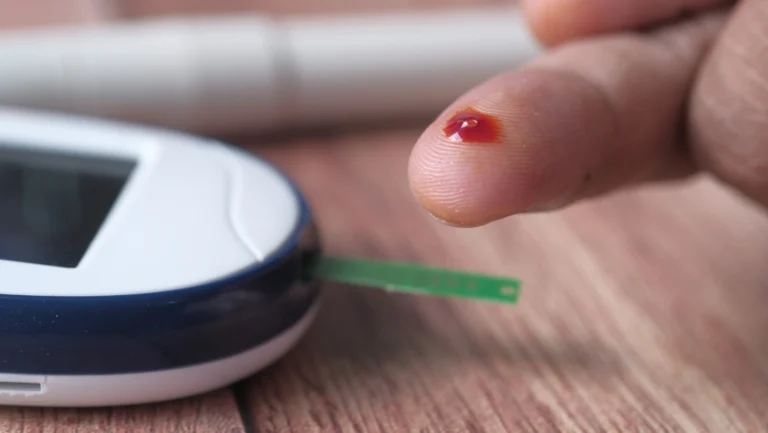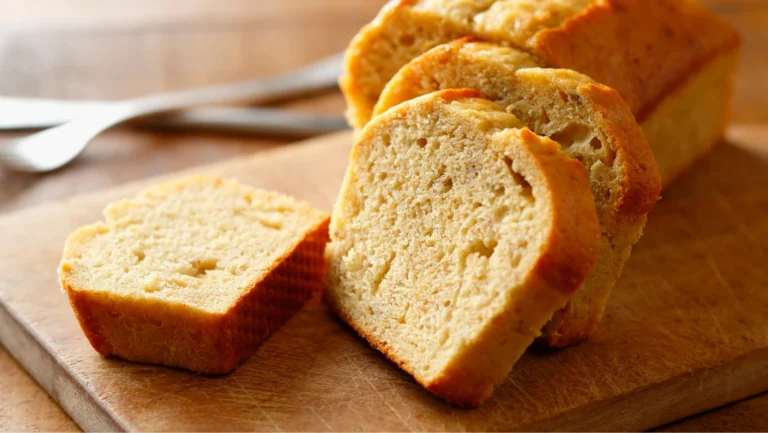

Breakfast foods for diabetes determine how blood sugar behaves for the rest of the day. According to the American Diabetes Association, the morning meal affects postprandial glucose peaks more than any other meal, because insulin sensitivity is at its lowest after an overnight fast.
The wrong breakfast can push glucose above 180 mg/dL within 30 minutes of eating. This article covers the best options, the worst habits, and specific meal prep strategies that keep blood sugar stable from morning through noon.
Why Breakfast Matters in Diabetes Management
Breakfast foods for diabetes carry more weight than most people expect. After 7 to 9 hours of fasting, blood glucose is already rising due to the dawn phenomenon, a cortisol-driven surge that naturally elevates glucose between 4 and 8 AM. Eating a carbohydrate-heavy breakfast on top of this pushes glucose significantly higher and keeps it elevated for hours.
Blood Sugar Regulation After Fasting Overnight
The liver releases stored glucose overnight to keep the brain fueled. People with type 1 or type 2 diabetes often wake up with fasting glucose already between 100 and 140 mg/dL. A high-carb breakfast adds more glucose directly on top of this baseline. Blood sugar then stays elevated well past noon.
Preventing Glucose Spikes During the Morning
Foods with a glycemic index (GI) above 70 cause glucose to peak within 30 to 45 minutes. White bread sits at a GI of 75. Cornflakes: 81. Instant oatmeal: 83. These are common “healthy” breakfasts that spike blood sugar as fast as candy.
Reducing Cravings and Overeating Later in the Day
A protein-rich breakfast suppresses ghrelin (the hunger hormone) for 3 to 4 hours. A high-carb breakfast drops blood sugar within 90 minutes, triggering hunger by mid-morning. The right breakfast controls the entire day’s eating pattern, not just the morning.
Best Breakfast for Diabetics

The best breakfast for diabetics combines protein, fiber, and healthy fat in every meal. This combination slows glucose absorption, blunts insulin spikes, and keeps blood sugar stable for 3 to 4 hours.
Eggs and Protein-Rich Breakfasts
Two whole eggs contain zero carbohydrates and 12g of protein. A 2020 study in the American Journal of Clinical Nutrition found that eggs at breakfast reduced postprandial glucose by 38% compared to a carbohydrate-matched cereal breakfast. Scrambled, boiled, or as a vegetable omelet, eggs are the most clinically studied protein source for diabetes management.
Oatmeal With Nuts and Seeds
Steel-cut oats have a GI of 42. Instant oats sit at 83. Add 1 tablespoon of chia seeds and 10 almonds. This delivers 8g of fiber and 9g of protein per serving, keeping glucose flat for up to 3 hours. Flavored instant oatmeal packets contain 12 to 20g of added sugar per serving and are not appropriate breakfast foods for diabetes.
Greek Yogurt With Berries
Plain unsweetened Greek yogurt provides 17g of protein per 6 oz serving, with a GI of 11. Half a cup of blueberries adds 9g of carbs and 2g of fiber. A 2019 Nutrients journal study confirmed this combination produces a lower glucose spike than toast with peanut butter.
Vegetable-Based Breakfast Options
Spinach, zucchini, mushrooms, and bell peppers contain under 5g of carbs per cup. A vegetable omelet or scramble delivers fiber, micronutrients, and a near-zero glucose impact. These are the most underused breakfast foods for diabetes in American households.
Whole Grain and High-Fiber Meals
Ezekiel sprouted grain bread has a GI of 36 versus white bread’s 75. One slice with 2 tablespoons of almond butter delivers 7g of protein and 3g of fiber. It’s a portable, practical option for time-limited mornings.
Low-Sugar Breakfast Foods for Diabetes
Low-sugar breakfast foods for diabetes prioritize whole ingredients over products labeled “light” or “low fat,” which frequently compensate with added sugar.
Unsweetened Yogurt and Dairy Options
Full-fat plain Greek yogurt, cottage cheese (1/2 cup gives 14g of protein and 3g of carbs), and unsweetened kefir all qualify as low-sugar breakfast foods for diabetes. Avoid “fruit on the bottom” yogurts; they contain 20 to 28g of sugar per serving, comparable to a candy bar.
Low-Glycemic Fruits
Strawberries, raspberries, and blueberries all have a GI below 40. Half a cup delivers 7 to 10g of carbs. Cherries: GI of 20. Grapefruit: GI of 25. These are safe morning fruit choices. Watermelon (GI 76) and pineapple (GI 66) are not.
Natural Sweetener Alternatives
Half a teaspoon of cinnamon in oatmeal or yogurt slows gastric emptying and reduces postprandial glucose spikes, confirmed by a 2013 meta-analysis in the Journal of Medicinal Food. Stevia and monk fruit don’t raise blood glucose and are safe daily additions for anyone following low-sugar breakfast foods for diabetes.
Low-Carb Breakfast Ideas for Diabetics
Low-carb breakfast ideas for diabetics keep total carbohydrates under 15 to 20g per meal. This range keeps postprandial glucose below 140 mg/dL in most people with Type 2 diabetes.
Egg-Based Meals
Three scrambled eggs with spinach and cheese: approximately 3g carbs, 21g protein, 18g fat. Egg muffins (eggs baked in a muffin tin with diced vegetables): 2g carbs each, easy to batch-prep for the full week. These are the most practical low-carb breakfast ideas for diabetics with minimal cooking time.
Avocado and Healthy Fat Combinations
Half an avocado delivers 6g of carbs, 5g of fiber, and 15g of monounsaturated fat. Paired with two boiled eggs, the total comes to 8g net carbs. The fat delays gastric emptying, keeping blood sugar flat for hours post-meal.
Low-Carb Smoothies and Bowls
Blend unsweetened almond milk, half a cup of frozen spinach, a quarter cup of frozen berries, one scoop of plain protein powder, and a tablespoon of flaxseed. Total net carbs: approximately 12g. Total protein: 25g. Skip banana and mango; both spike blood glucose faster than most people expect from fruit.
Meal Prep Breakfast for Diabetics
Meal prep breakfast for diabetics removes the 6 AM decision-making problem. When a healthy meal is already prepared, compliance with dietary goals improves dramatically throughout the week.
Overnight Oats With Controlled Portions
Combine 1/3 cup steel-cut oats with 1/2 cup unsweetened almond milk, 1 tablespoon chia seeds, and a handful of raspberries. Refrigerate overnight. Total carbs: approximately 22g. Fiber: 8g. This is one of the most effective meal prep breakfast options for diabetics available.
Boiled Eggs and Pre-Cut Vegetables
Six boiled eggs prepared on Sunday evening last all week, refrigerated. Pair with pre-cut cucumber, bell pepper strips, and cherry tomatoes. Zero cooking is required each morning. Total carbs per serving: under 10g.
Make-Ahead Diabetic-Friendly Breakfast Bowls
Batch-cook a tray of egg muffins with vegetables and cheese. Each muffin delivers 2g of carbs and keeps refrigerated for 5 days. Eating 2 to 3 muffins with plain Greek yogurt is a 5-minute breakfast that outperforms most commercial diabetic products nutritionally. This is a meal-prep breakfast for diabetics done right.
Breakfast Mistakes to Avoid in Diabetes
Breakfast mistakes to avoid in diabetes include foods and habits that appear harmless but push blood sugar significantly higher within minutes.
Sugary Cereals and Pastries
Frosted Flakes: 37g carbs per cup. A glazed doughnut: 31g of sugar. Flavored instant oatmeal packets: 12 to 20g of added sugar. Each spikes blood glucose above 200 mg/dL in people with Type 2 diabetes and reinforces insulin resistance over time.
Skipping Breakfast Completely
Skipping breakfast raises cortisol levels, which raises blood sugar. A 2019 Diabetes Care study found that people with Type 2 diabetes who skipped breakfast had postprandial glucose at lunch 37% higher than those who ate a morning meal. Skipping is not a neutral choice for blood sugar.
Drinking Sweetened Coffee Beverages
A 16 oz Starbucks Caramel Macchiato contains 35g of sugar. A medium Dunkin’ Donuts iced coffee with cream and sugar: 30g. These spike blood glucose within 15 minutes, faster than solid food. Drinking sweetened coffee beverages is among the most common breakfast mistakes to avoid in diabetes.
Foods That Can Spike Blood Sugar Quickly
Some breakfast foods for diabetes are glucose landmines. They don’t look dangerous, but act like pure sugar in the bloodstream.
Refined White Bread and Bakery Foods
White bread: GI of 75. A plain bagel: GI of 72, with 48 to 55g of carbs. A croissant: 27g of carbs and a GI of 67. These cause major blood sugar spikes within 30 minutes.
Sweet Fruit Juices
Orange juice (8 oz): 26g of sugar. Apple juice: 28g. Juice removes the fiber from whole fruit entirely, leaving concentrated sugar in liquid form. It raises blood glucose as fast as a soda. Eating a whole orange instead delivers 3g of fiber and produces a fraction of the glucose impact.
Processed Breakfast Snacks
Breakfast bars, toaster pastries, and grab-and-go muffins contain 25 to 45g of sugar per serving. Even when labeled “whole grain” or “natural,” these are not appropriate breakfast foods for diabetes and should be avoided completely.
Building a Balanced Diabetic Breakfast Plate
The best breakfast for diabetics follows a consistent plate structure: protein, fiber, and healthy fat at every meal. All three together slow digestion and prevent rapid glucose spikes after eating.
Protein for Blood Sugar Stability
Target 20 to 30g of protein at breakfast. Three eggs provide 18g. Add plain Greek yogurt for another 17g. Research shows 25g of protein at breakfast reduces the postprandial glucose response to a carbohydrate load in the same meal by up to 40%.
Fiber for Slower Digestion
Target 6 to 10g of fiber at breakfast. Chia seeds give 5g per tablespoon. Steel-cut oats: 4g per serving. Raspberries: 4g per half cup. Ground flaxseed: 3g per tablespoon. Combining two of these at breakfast hits the target easily.
Healthy Fats for Satiety
Avocado, nuts, olive oil, and full-fat unsweetened Greek yogurt all delay gastric emptying, which slows the rate glucose enters the bloodstream. People who add healthy fat to breakfast consistently show lower 2-hour postprandial glucose than those eating low-fat versions of the same meal.
Daily Habits That Improve Morning Blood Sugar
Choosing the right breakfast foods for diabetes works better when consistent daily habits support it.
Eating Breakfast Consistently
Eating at the same time each morning stabilizes the body’s insulin response. Irregular breakfast timing increases fasting glucose variability by 18 to 22%, per a 2022 Diabetologia study. Consistency matters as much as content.
Portion Control and Mindful Eating
Even healthy foods raise blood sugar in large amounts. Measure carbohydrate portions specifically: 1/3 cup of steel-cut oats, not a heaping bowl. Using a food scale for the first 2 weeks of dietary change improves accuracy more than estimating by eye.
Morning Movement and Hydration
A 10-minute walk after breakfast reduces postprandial glucose by 22% on average, per a 2022 Sports Medicine meta-analysis. Drinking 8 to 16 oz of water before eating also helps; dehydration concentrates blood glucose and distorts fasting readings.
FAQs
Can skipping breakfast worsen blood sugar control?
Yes. Skipping breakfast elevates cortisol, triggering liver glucose release. A 2019 Diabetes Care study found that people with Type 2 diabetes who skipped breakfast had postprandial glucose at lunch 37% higher than those who ate a protein-rich morning meal. Skipping is not a safe strategy.
Which carbohydrates are safest for a diabetic breakfast?
Steel-cut oats (GI 42), Ezekiel bread (GI 36), and berries (GI below 40) are the safest carbohydrate sources at breakfast. Keep total breakfast carbs under 20g and pair every carb source with at least 15g of protein to reduce glucose response.
Are oats good or bad for morning blood sugar levels?
Steel-cut oats are good. Instant oats are not. The GI difference is 42 versus 83. Steel-cut oats release glucose slowly over 2 to 3 hours. Instant oats spike blood sugar as fast as white bread. The processing method, not the ingredient itself, determines the impact.
How much protein should a diabetic breakfast include?
25 to 30g. Three eggs (18g) plus 6 oz of plain Greek yogurt (17g) reaches this target. Research shows 25g of protein at breakfast reduces the postprandial glucose response to the same meal’s carbohydrates by up to 40%, regardless of the carb source.
Can fruit be eaten safely at breakfast with diabetes?
Yes, but only low-GI varieties in measured portions. Berries, cherries, and grapefruit are safe in half-cup amounts. Banana, watermelon, and pineapple cause glucose spikes at breakfast comparable to white bread in people with diabetes people and should be avoided in the morning.
What breakfast foods keep blood sugar stable the longest?
Breakfast foods for diabetes that combine eggs, avocado, and non-starchy vegetables keep blood sugar stable for 3 to 4 hours. This combination delivers protein, fat, and fiber with near-zero carbohydrate impact. It consistently outperforms grain-based breakfasts in postprandial glucose studies.
Are smoothies a good breakfast choice for diabetics?
Yes, with strict rules. Use unsweetened almond milk, half a cup of frozen berries, plain protein powder (one scoop), and a tablespoon of ground flaxseed. Total net carbs: under 15g. Avoid banana, mango, and sweetened yogurt bases; each adds 20 to 30g of fast-releasing carbohydrates.
How does meal timing affect morning glucose levels?
Eating within 60 minutes of waking prevents the cortisol-driven glucose rise from escalating further. A 2022 Diabetologia study found that people who ate breakfast within 30 minutes of waking had 18% lower fasting glucose variability than those who waited 2 or more hours before eating.
What are the worst breakfast habits for diabetes management?
Drinking fruit juice, eating instant oatmeal or sweetened cereal, skipping breakfast, and ordering sweetened coffee beverages are the four most damaging breakfast mistakes to avoid in diabetes. Each one pushes blood glucose above 180 mg/dL within 30 minutes in most people with Type 2 diabetes.