
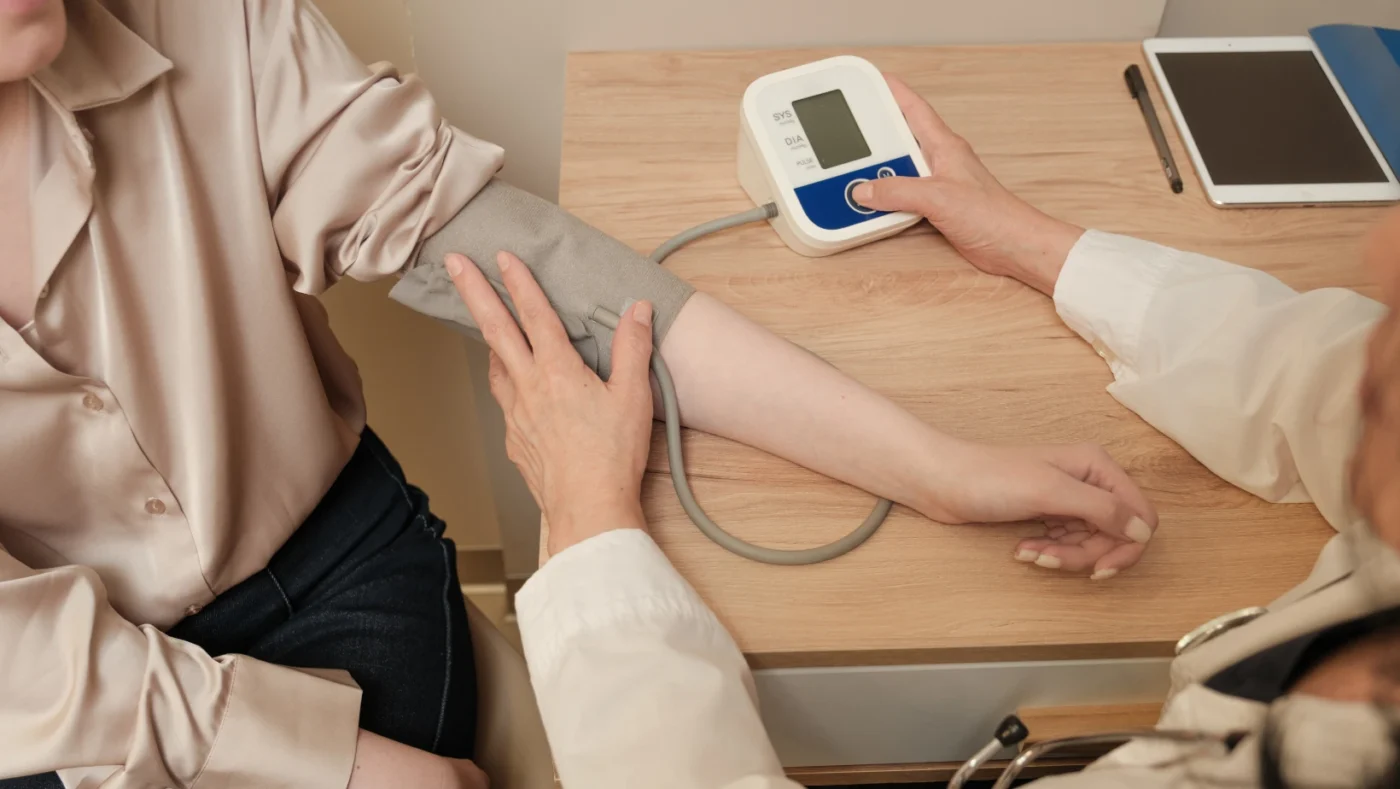

Anxiety causes high blood pressure in the short term, but not always permanently. Whether it leads to chronic hypertension depends on how often anxiety occurs and how well it gets managed.
The American Heart Association reports nearly half of all U.S. adults live with high blood pressure. The Anxiety and Depression Association of America (ADAA) estimates over 40 million Americans have active anxiety disorders. These two conditions overlap far more than most clinicians used to acknowledge.
How Anxiety Affects Blood Pressure
Anxiety affects blood pressure through a direct chain reaction in the body. When the brain perceives a threat, whether real or imagined, it triggers changes that push blood pressure upward within seconds.
The Fight-or-Flight Response
The fight-or-flight response is the body’s built-in emergency system, designed for physical danger. The problem is the brain cannot distinguish between a physical threat and a stressful email at 11 PM.
Adrenaline Release
When anxiety hits, the adrenal glands release adrenaline (epinephrine) into the bloodstream in under 60 seconds. Adrenaline tells the heart to pump harder and blood vessels to tighten. Blood pressure rises almost immediately.
Increased Heart Rate
Heart rate during acute anxiety can jump from a resting 70 beats per minute to over 120 bpm. The heart pushes more blood through vessels that are simultaneously constricting. That combination sends systolic readings climbing.
Blood Vessel Constriction
Adrenaline narrows peripheral blood vessels. Less space, same volume of blood, higher pressure. This explains why anxious people often feel cold hands even when their body is warm.
Stress Hormones and Cardiovascular Changes
Cortisol Production
Beyond adrenaline, chronic anxiety keeps cortisol elevated for hours or days after a stressful event. A 2021 study published in Psychoneuroendocrinology found sustained high cortisol directly associated with elevated diastolic blood pressure in adults under 50. This is one mechanism through which anxiety causes high blood pressure even between acute episodes.
Effects on Blood Circulation
Cortisol causes the kidneys to retain sodium. Sodium retention increases fluid volume in the bloodstream. More fluid in the same system means more pressure on arterial walls, the same mechanism that makes high-salt diets dangerous for blood pressure.
How Anxiety Affects Blood Pressure Readings
A reading taken during an anxious moment can run 20 to 30 mmHg higher than a calm baseline taken an hour later. Clinicians who treat the anxious reading as a true baseline risk prescribing medication patients do not actually need.
Anxiety Causing Temporary Blood Pressure Spikes
Anxiety-causing temporary blood pressure spikes is one of the most documented cardiovascular effects of stress. These spikes are short-lived in most cases but can hit alarming numbers during severe episodes.
Panic Attacks and Sudden Blood Pressure Changes
During a panic attack, systolic blood pressure can spike above 180 mmHg. That is the clinical threshold for a hypertensive crisis in someone with no prior history of high blood pressure. The reading normalizes, but repeated spikes of that intensity over years contribute to arterial stiffness.
How Long Anxiety-Related Spikes Last
Blood pressure typically returns to baseline within 30 to 60 minutes after an anxiety episode ends. If it stays elevated beyond 2 hours without a clear trigger, the cause is likely no longer anxiety alone.
White Coat Hypertension and Anxiety
White coat hypertension occurs when anxiety causes high blood pressure spikes specifically in clinical settings due to appointment-related anxiety. Studies show up to 30% of people diagnosed with in-office hypertension have normal home readings. The American College of Cardiology recommends 24-hour ambulatory blood pressure monitoring to rule this out before starting medication.
Rapid Heartbeat and Anxiety Symptoms
Rapid heartbeat and anxiety symptoms arrive together often enough that distinguishing them becomes difficult. The cardiovascular symptoms of anxiety are sometimes mistaken for heart disease, which creates more anxiety and raises blood pressure further.
Palpitations and Cardiovascular Symptoms
Heart palpitations during anxiety feel like the heart is skipping, pounding, or fluttering. Adrenaline changes the electrical conduction rhythm of the heart. The palpitations are usually benign. Persistent palpitations with chest pain or fainting require cardiac evaluation.
Chest Tightness and Shortness of Breath
Anxiety tightens chest muscles and triggers shallow, rapid breathing simultaneously. Together these create chest pressure that many people mistake for a cardiac event.
Dizziness and Lightheadedness
Hyperventilation during anxiety lowers blood carbon dioxide, which constricts cerebral blood vessels. The anxiety is dizziness. Blood pressure readings in this phase can paradoxically drop briefly before the adrenaline rebound pushes them back up.
Risk Factors That Worsen Anxiety and Blood Pressure
Chronic Stress
Harvard T.H. Chan School of Public Health research shows people with job-related chronic stress have a 40% higher risk of developing hypertension over a 10-year period. Chronic stress keeps the hypothalamic-pituitary-adrenal axis permanently activated, which is a primary reason sustained anxiety causes high blood pressure over time.
Sleep Deprivation
Sleeping under 6 hours per night raises systolic blood pressure by an average of 3 to 5 mmHg over time, per National Institutes of Health data. Poor sleep raises next-day cortisol levels by up to 37%. Anxiety worsens sleep. Poor sleep worsens anxiety. It is a closed loop.
Obesity and Sedentary Lifestyle
Excess body weight increases the blood volume the heart must move. Sedentary behavior reduces arterial flexibility. Both amplify the blood pressure effects of anxiety considerably.
Excessive Caffeine Intake
Caffeine blocks adenosine receptors and stimulates adrenaline release. In people with anxiety disorders, even 200mg of caffeine (roughly one strong coffee) triggers measurable blood pressure spikes, amplifying the same mechanism that anxiety causes high blood pressure through.
Smoking and Alcohol Use
Nicotine causes vasoconstriction lasting about 30 minutes per cigarette. Smoking to calm anxiety stacks two blood pressure-raising stimuli simultaneously. Alcohol lowers blood pressure initially but raises it on rebound, especially in heavy drinkers.
Existing Heart Conditions
People with pre-existing cardiovascular conditions have less capacity to buffer sudden blood pressure changes. A spike that a healthy person normalizes in 30 minutes can sustain elevation in someone with arterial stiffness.
Other Causes of High Blood Pressure
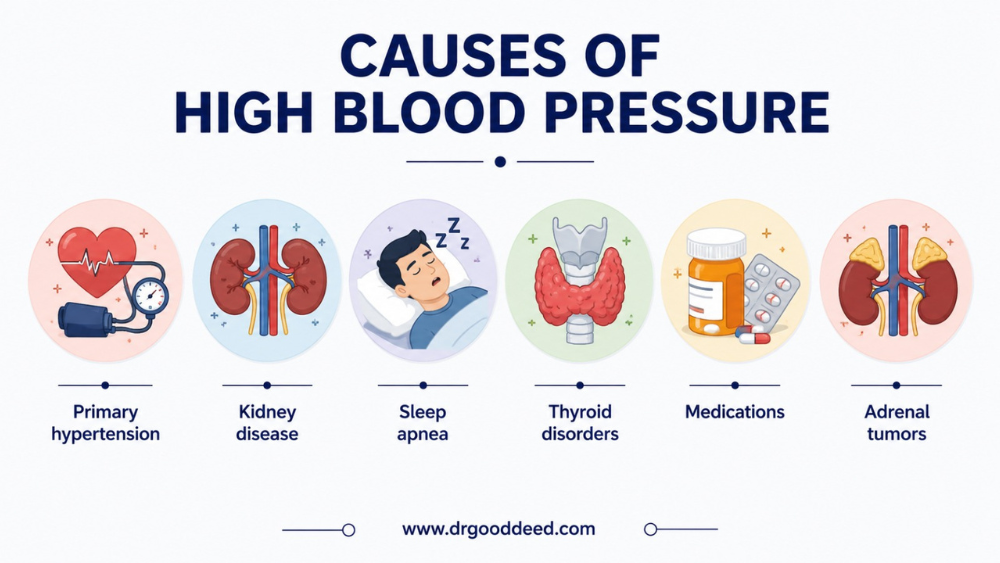
High blood pressure has multiple causes beyond anxiety. Identifying the primary driver changes the treatment approach entirely.
- Primary hypertension: No single identifiable cause. Develops over years. Accounts for 90 to 95% of U.S. hypertension diagnoses, per the CDC.
- Kidney disease: Damaged kidneys retain sodium and fluid, raising blood pressure directly.
- Sleep apnea: Repeated overnight oxygen drops activate the sympathetic nervous system, driving daytime hypertension.
- Thyroid disorders: Both hyperthyroidism and hypothyroidism alter heart rate and vessel tone in opposite directions.
- Medications: NSAIDs, decongestants, hormonal contraceptives, and some antidepressants raise blood pressure as a side effect.
- Adrenal tumors (pheochromocytoma): Rare but cause episodic, severe hypertension that is often mistaken for anxiety attacks.
How to Lower Anxiety-Related Blood Pressure
Lowering anxiety-related blood pressure requires targeting both the anxiety and the physiological state it triggers. Treating only the blood pressure numbers without addressing anxiety is like mopping a flood while the tap stays on.
Evidence-backed steps:
- Regular aerobic exercise: A meta-analysis in the British Journal of Sports Medicine found moderate-intensity aerobic activity reduces systolic pressure by 5 to 8 mmHg in hypertensive adults and significantly lowers anxiety scores.
- DASH diet: Adherence reduces systolic pressure by up to 11 mmHg. Sodium below 2,300mg daily prevents cortisol-driven fluid retention.
- Magnesium intake: Low magnesium is associated with both anxiety and elevated blood pressure. The NIH recommends 400 to 420mg daily for adult men and 310 to 320mg for adult women.
- Cognitive Behavioral Therapy (CBT): Multiple randomized controlled trials confirm CBT reduces both anxiety severity and systolic blood pressure in people with co-occurring hypertension.
- Consistent sleep schedule: Standardizing sleep times rebuilds cortisol rhythm and reduces baseline blood pressure within weeks.
Breathing Exercises for Anxiety and BP Control
Breathing exercises for anxiety and BP control activate the parasympathetic nervous system, the direct counterforce to fight-or-flight. A 2022 study in the Journal of the American Heart Association found 5-minute sessions of slow-paced breathing at 5 to 6 breath cycles per minute, done daily over 6 weeks, reduced systolic blood pressure by an average of 9 mmHg. That is comparable to some first-line antihypertensive medications.
Deep Diaphragmatic Breathing
Breathe into the belly, not the chest. Inhale for 4 seconds, exhale slowly for 6 to 8 seconds. The extended exhale activates the vagus nerve and lowers heart rate via the baroreceptor reflex.
Box Breathing Technique
Inhale for 4 counts, hold for 4 counts, exhale for 4 counts, hold for 4 counts. U.S. Navy SEALs use box breathing specifically for physiological control under acute stress.
4-7-8 Breathing Method
Inhale for 4 seconds, hold for 7 seconds, exhale for 8 seconds. Dr. Andrew Weil at the University of Arizona documented its effectiveness in reducing acute anxiety response. The extended exhale signals safety to the brain’s threat-detection systems.
Guided Relaxation Exercises
Progressive muscle relaxation (PMR) involves tensing then releasing muscle groups sequentially. The Benson-Henry Institute at Massachusetts General Hospital has published clinical evidence supporting its blood pressure-lowering effects.
Benefits of Controlled Breathing for Blood Pressure
Slow breathing reduces sympathetic nervous activity and increases heart rate variability. Higher heart rate variability is an independent marker of cardiovascular health and lower all-cause mortality risk, per the European Heart Journal.
Treatment Options for Anxiety
Most people see measurable improvement within 6 to 12 weeks of starting anxiety treatment. Evidence-based options in U.S. clinical practice:
- CBT: First-line per the American Psychological Association. Meta-analyses show 50 to 60% reduction in anxiety symptoms for generalized anxiety disorder.
- SSRIs and SNRIs: Sertraline, escitalopram, and venlafaxine are FDA-approved for anxiety disorders. They do not raise blood pressure.
- Beta-blockers: Propranolol blocks adrenaline’s cardiovascular effects. Useful for situational anxiety. Controls the physical response without treating the underlying disorder.
- Buspirone: A non-addictive anxiolytic with lower sedation than benzodiazepines, suitable for long-term use.
- Mindfulness-Based Stress Reduction (MBSR): The 8-week program from UMass Medical School reduces cortisol and produces consistent blood pressure reductions in clinical trials.
Anxiety-driven hypertension that persists despite lifestyle changes warrants dual management from a cardiologist and a mental health provider working in coordination.
FAQs
1. Does anxiety cause high blood pressure permanently?
No. Anxiety causes high blood pressure temporarily. Sustained unmanaged anxiety over years accelerates arterial stiffness, which contributes to permanent hypertension over time, but anxiety alone is not classified as a direct cause of chronic hypertension in current clinical guidelines.
2. Can anxiety cause temporary blood pressure spikes?
Yes. Anxiety-causing temporary blood pressure spikes is documented in peer-reviewed cardiology literature. Systolic readings jump 20 to 30 mmHg within minutes and return to baseline within 30 to 60 minutes after the episode resolves.
3. How does anxiety affect blood pressure levels?
Anxiety affects blood pressure through two simultaneous actions: adrenaline constricts blood vessels while increasing heart rate, and cortisol causes sodium retention that raises fluid volume. Both push pressure up through different mechanisms.
4. Can panic attacks increase blood pressure?
Yes. Panic attacks push systolic blood pressure above 180 mmHg in documented cases. That is the hypertensive crisis threshold. In people with pre-existing heart disease, spikes of that magnitude carry real cardiac risk.
5. What is the connection between rapid heartbeat and anxiety symptoms?
Rapid heartbeat and anxiety symptoms share one trigger: adrenaline. It raises heart rate, constricts blood vessels, and tightens chest muscles simultaneously, all within 60 seconds of a perceived threat.
6. How long does anxiety-related high blood pressure last?
Typically 30 to 60 minutes after the anxiety episode ends. Elevation that persists past 2 hours without a clear trigger requires medical evaluation; structural hypertension is likely involved at that point.
7. Can chronic anxiety increase the risk of hypertension?
Yes. People with untreated generalized anxiety disorder have a 2.5x greater risk of developing sustained hypertension over 10 years compared to the general population, based on longitudinal cardiovascular cohort data.
8. What are the best breathing exercises for anxiety and BP control?
Slow-paced diaphragmatic breathing at 5 to 6 breath cycles per minute has the strongest clinical evidence for breathing exercises for anxiety and BP control, with average systolic reductions of 9 mmHg after 6 weeks of daily 5-minute practice, per the Journal of the American Heart Association.
9. How can I lower anxiety-related blood pressure naturally?
To lower anxiety-related blood pressure without medication: practice slow breathing daily, complete 150 minutes of aerobic exercise weekly, reduce sodium below 2,300mg per day, and pursue CBT or MBSR for the anxiety itself. These four together show the strongest combined evidence.
10. Should I monitor my blood pressure during anxiety attacks?
Only if monitoring does not worsen the anxiety. Repeated checking during an episode often pushes readings higher. A more accurate baseline comes from measuring 30 minutes after the episode has fully resolved.
Sources
- American Heart Association – High Blood Pressure
- National Institutes of Health – Magnesium Fact Sheet
- Journal of the American Heart Association – Breathing and Blood Pressure (2022)
- American College of Cardiology – Ambulatory Monitoring Guidelines
- Harvard T.H. Chan School of Public Health – Stress and Hypertension
- Psychoneuroendocrinology – Cortisol and Diastolic Blood Pressure (2021)
- Centers for Disease Control and Prevention – Hypertension Statistics
- British Journal of Sports Medicine – Exercise and Blood Pressure Meta-Analysis
- European Heart Journal – Heart Rate Variability and Mortality