
Medical Disclaimer: This content is for informational purposes only and is not a substitute for professional medical advice, diagnosis, or treatment. Always consult a qualified healthcare professional for medical concerns.
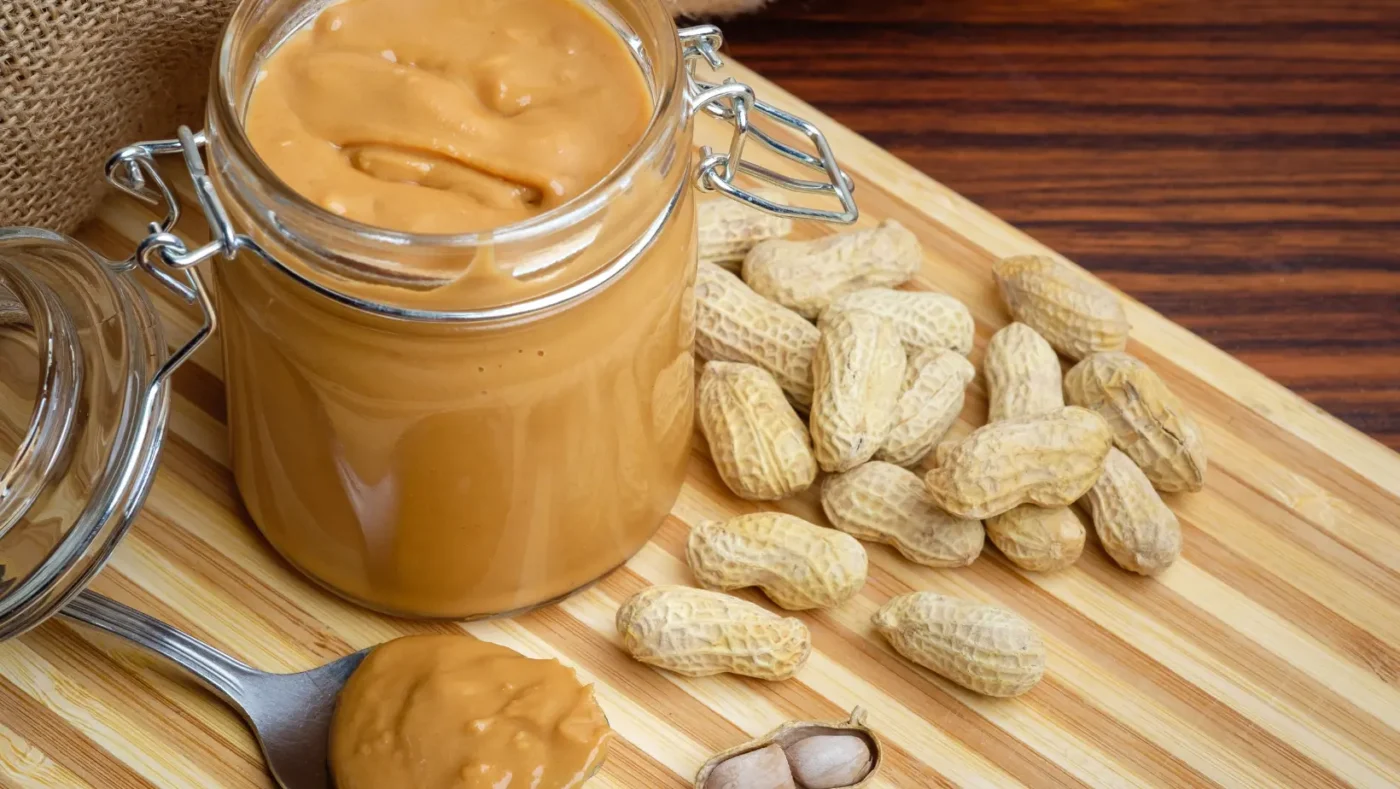
Peanut butter can cause constipation, but only under specific conditions. Peanut butter contains about 1.9 grams of fiber per two-tablespoon serving, which is relatively low. Eaten in large amounts, paired with low-fiber foods, or consumed without enough water, it slows bowel movement.
In the USA, roughly 16% of adults experience chronic constipation, and diet is a primary contributor, according to the American College of Gastroenterology. This article covers the exact ingredients behind digestive issues linked to peanut butter, risk factors, better food pairings, and prevention steps backed by clinical data.
How Does Peanut Butter Affect Digestion?
Peanut butter ingredients affecting digestion vary by brand and processing method. The type you eat matters more than most people realize. Some ingredients support digestion; others slow it down. Reading the label before buying is the most practical first step.
Natural Peanut Butter vs Processed Peanut Butter
Natural peanut butter contains only peanuts and sometimes salt. Processed versions add hydrogenated oils, sugar, and stabilizers that change how the product behaves in the gut.
- Natural peanut butter: higher in unsaturated fats, no emulsifiers, fewer gut disruptions
- Processed peanut butter: longer shelf life, but more additives that reduce digestive efficiency
A 2021 review in Nutrients by researchers at the University of Toronto found that diets high in ultra-processed foods were associated with a 22% higher risk of functional constipation compared to minimally processed diets.
Can Added Sugar in Peanut Butter Affect Digestion?
Many commercial brands contain 3 to 5 grams of added sugar per serving. High sugar intake alters gut microbiota. Specifically, it reduces populations of Bifidobacterium and Lactobacillus, bacteria that produce short-chain fatty acids needed for colon motility. This was documented in a 2020 study in Cell Host & Microbe by Dr. Justin Sonnenburg’s lab at Stanford University.
Do Oils in Peanut Butter Cause Constipation?
Partially hydrogenated oils are trans fats added to prevent oil separation. The FDA banned them in 2018, but some products still use fully hydrogenated oils as a substitute. These fats slow gastric emptying, meaning food stays in the stomach longer before reaching the colon.
Can Salt in Peanut Butter Affect Bowel Movements?
Some brands contain 120 to 150 mg of sodium per serving. Excess sodium draws water out of the colon wall. Less water in the colon means harder stools and slower transit time, confirmed in a 2019 paper in The American Journal of Clinical Nutrition by researchers at Wageningen University in the Netherlands.
Additives and Preservatives
Stabilizers like mono- and diglycerides are common in processed peanut butter. Research published in Nature in 2015 by Dr. Andrew Gewirtz at Georgia State University showed that dietary emulsifiers disrupted mucosal gut bacteria and promoted intestinal inflammation in animal models.
What Digestive Problems Can Peanut Butter Cause?
Digestive issues linked to peanut butter are often misattributed. Most people blame the peanuts, but the real trigger is frequently the quantity eaten, accompanying foods, or an underlying sensitivity.
Food Sensitivities and Intolerances
Peanuts contain lectins and phytic acid, compounds that bind minerals and resist digestion in the small intestine. In sensitive individuals, lectins can irritate the gut lining and trigger bloating or slowed motility. This is not an allergy. It is a tolerance issue that varies widely across individuals.
Peanut Allergies and Digestive Symptoms
A true IgE-mediated peanut allergy triggers immune responses including abdominal cramping, nausea, and diarrhea, not constipation. If someone experiences constipation specifically after peanut butter, an allergy is rarely the cause. Delayed hypersensitivity reactions can cause gut motility changes over 24 to 48 hours.
Irritable Bowel Syndrome (IBS)
For people with IBS, peanut butter sits in a gray area. It is low in FODMAPs when eaten in two-tablespoon servings, which is why Monash University in Australia classifies it as IBS-safe at that portion. Larger servings, above four tablespoons, push it into a moderate FODMAP load and can trigger IBS-C (constipation-dominant IBS).
Digestive Reactions to Large Portions
The fat content in peanut butter, about 16 grams per two tablespoons, slows gastric emptying. Fat takes longer to digest than carbohydrates or protein.
Can eating too much peanut butter cause constipation? Eating four to six tablespoons at once significantly delays the time food spends moving through the digestive tract.
Individual Variations in Digestion
Gut transit time varies from 12 to 72 hours across healthy adults, according to the Mayo Clinic. Someone with naturally slower motility notices constipation from peanut butter more easily than someone with faster transit. Age, hydration, and activity level also affect how the body processes high-fat foods.
What Increases the Risk of Constipation After Eating Peanut Butter?
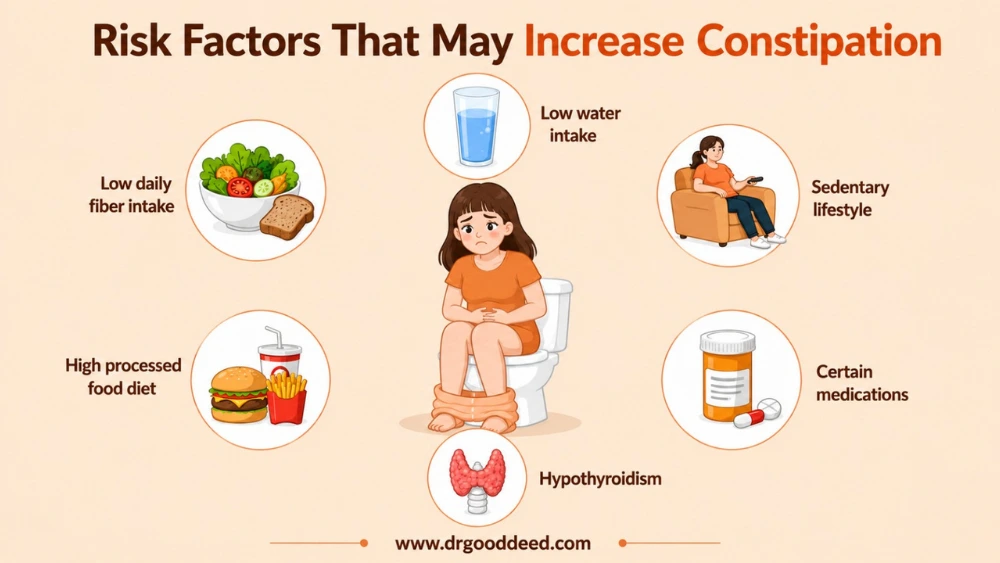
Certain habits and conditions can make peanut butter more likely to cause constipation. People already at risk face compounding effects when peanut butter is eaten in the wrong context.
- Low daily fiber intake: Less than 15 grams per day leaves little fiber to push food through the colon (recommended: 25 to 38 grams)
- Low water intake: Less than 1.5 liters daily reduces stool hydration significantly
- Sedentary lifestyle: Physical inactivity slows colonic motility by up to 30%, per a 2019 clinical analysis in the Journal of Gastroenterology
- High processed food diet: Peanut butter alongside white bread or sugary snacks creates a low-fiber, high-fat meal with almost no colon-stimulating bulk
- Hypothyroidism: Slows gut motility independently; peanut butter worsens this when eaten in large amounts
- Certain medications: Opioids, iron supplements, and some antidepressants already cause constipation; a high-fat meal amplifies their effect on gut transit
Foods to Eat With Peanut Butter for Better Digestion
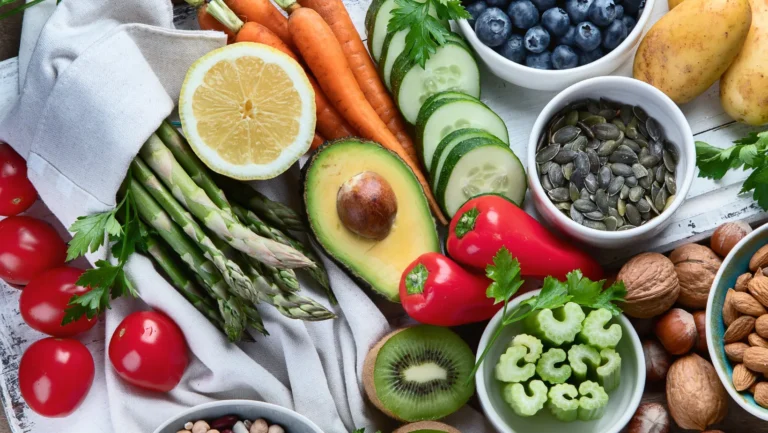
Foods to eat with peanut butter for better digestion are fiber-rich options that offset peanut butter’s low-fiber, high-fat profile. The pairing matters as much as the portion size.
Whole Grain Bread
Two slices of 100% whole grain bread add 4 to 6 grams of fiber. Combined with two tablespoons of peanut butter, the meal reaches 6 to 8 grams of fiber, a meaningful step toward the daily target.
Apples and Pears
Both contain pectin, a soluble fiber that forms a gel in the gut. Pectin improves stool consistency. One medium apple adds 4.4 grams of fiber. Eating it alongside peanut butter is one of the most effective combinations for digestive balance.
Bananas in Moderation
Ripe bananas add 3 grams of fiber per medium fruit. Unripe bananas are high in resistant starch, which ferments slowly and causes gas in sensitive people. Stick to ripe bananas when pairing with peanut butter.
Oatmeal and Whole Grains
Half a cup of rolled oats contains 4 grams of fiber, mostly beta-glucan, a viscous fiber that increases stool bulk and speeds colon transit. Adding one tablespoon of peanut butter to oatmeal increases satiety without disrupting digestion.
Chia Seeds and Flaxseeds
One tablespoon of chia seeds adds 5.5 grams of fiber. Flaxseeds add 2.8 grams per tablespoon and also contain omega-3 fatty acids that reduce gut inflammation. Stirring either into peanut butter-based smoothies is one of the highest-fiber delivery methods available.
Fiber-Rich Smoothies
Blending peanut butter with spinach, frozen berries, and flaxseed creates a meal with 10 to 14 grams of fiber. Spinach contains insoluble fiber that stimulates bowel movement. This combination directly counters the constipating effect of peanut butter’s fat content.
How Can You Prevent Constipation When Eating Peanut Butter?
Does peanut butter make you constipated regularly? These specific steps address the actual mechanisms behind the problem.
Increase Daily Fiber Intake
The American Dietetic Association recommends 25 grams of fiber daily for women and 38 grams for men. Most Americans consume only 15 grams. Pair peanut butter with high-fiber foods at every meal.
Drink Adequate Water
Fiber needs water to work. Without enough fluid, fiber becomes a dry mass that worsens constipation. Aim for at least 8 cups (64 ounces) of water daily. For many people, increasing water intake alone resolves the problem within three to five days.
Watch Portion Sizes
Can eating too much peanut butter cause constipation? Two tablespoons is the clinically recognized serving size; four or more tablespoons significantly increases fat load and slows gastric emptying.
Eating four or more tablespoons in one sitting significantly increases fat load and slows gastric emptying. Peanut butter rarely cause constipation at two tablespoons. At four or more, much more likely.
Choose Natural Peanut Butter
Natural peanut butter (ingredients: peanuts and salt only) avoids hydrogenated oils, added sugars, and gut-disrupting emulsifiers. Brands like Smucker’s Natural, Teddie, and Adams contain only peanuts and salt. These produce fewer digestive issues linked to peanut butter than processed versions.
Stay Physically Active
Walking for 30 minutes daily increases colon contraction frequency. A 2020 study in Scandinavian Journal of Gastroenterology by researchers at the University of Gothenburg found that moderate aerobic exercise reduced constipation symptoms by 49% in sedentary adults over 12 weeks.
When Should You Consider Other Causes of Constipation?
If constipation persists despite dietary changes, the cause is likely not peanut butter. Several clinical conditions produce chronic constipation that food adjustments alone cannot fix. Peanut butter cannot cause constipation severe enough to need a doctor. But these conditions can.
- Hypothyroidism: Slows gut motility; affects roughly 5% of Americans, per the American Thyroid Association
- Irritable Bowel Syndrome (constipation-dominant): Affects 10 to 15% of the US population; requires specific low-FODMAP dietary management
- Pelvic floor dysfunction: Causes obstructed defecation unrelated to diet
- Medication-induced constipation: Common with opioids, antacids containing aluminum, and calcium channel blockers
- Colorectal structural issues: Strictures or slow-transit colon require medical evaluation
Constipation lasting more than three weeks, or accompanied by blood in stool, unexplained weight loss, or severe abdominal pain, requires evaluation by a gastroenterologist. These are red-flag symptoms beyond diet.
FAQs
1. Can peanut butter cause constipation?
Yes. Two tablespoons provide only 1.9g of fiber. Eating it with low-fiber foods and little water slows bowel transit. The fat content (16g per serving) delays gastric emptying, making constipation more likely in people with already slow gut motility.
2. Does peanut butter make you constipated if you eat it every day?
Daily consumption causes constipation only when total fiber intake stays below 20g and water intake falls under 6 cups. Pairing peanut butter daily with high-fiber foods consistently prevents this. The full meal context determines the outcome, not peanut butter alone.
3. What peanut butter ingredients affect digestion?
Hydrogenated oils slow gastric emptying. Added sugars deplete Bifidobacterium in the gut. Sodium dehydrates the colon wall. Among peanut butter ingredients affecting digestion, hydrogenated oils and added sugar have the strongest documented impact on bowel transit time.
4. Why do I experience stomach discomfort after eating peanut butter?
Stomach discomfort and peanut butter digestion problems stem most often from fat overload when eating more than two tablespoons at once. Fat delays stomach emptying by 30 to 40 minutes per gram consumed, causing bloating and prolonged fullness.
5. Are digestive issues linked to peanut butter common?
Yes. Digestive issues linked to peanut butter affect people with IBS, lectin sensitivity, and low baseline fiber intake most frequently. Processed brands trigger more gut complaints than natural varieties because of emulsifier content.
6. Is natural peanut butter better for digestion than processed peanut butter?
Yes. Natural peanut butter contains no hydrogenated oils or emulsifiers. Processed varieties with mono- and diglycerides disrupt gut mucosal bacteria, directly affecting bowel regularity, as shown in Dr. Gewirtz’s 2015 Nature study.
7. What foods should I eat with peanut butter for better digestion?
The best foods to eat with peanut butter for better digestion are apples (4.4g fiber), whole grain bread (3g per slice), oatmeal (4g per half cup), and chia seeds (5.5g per tablespoon). Each offsets peanut butter’s low fiber and high fat load.
8. Can peanut butter worsen IBS symptoms?
Yes, above four tablespoons per sitting. Monash University rates two tablespoons as low-FODMAP and safe. Larger portions increase fructan load, triggering IBS-C flares. Keeping servings at two tablespoons avoids this consistently.
9. Does peanut butter contain enough fiber to support bowel health?
No. At 1.9g per two tablespoons, it covers less than 8% of the daily fiber target. It cannot serve as a fiber source independently. High-fiber pairings are required to prevent it from contributing to stomach discomfort and peanut butter digestion issues.
10. How can I prevent constipation after eating peanut butter?
Drink 64 ounces of water daily, eat it only with high-fiber foods, limit servings to two tablespoons, choose natural varieties, and walk 30 minutes daily. These five steps reliably prevent peanut butter from causing constipation from becoming a recurring issue.
Sources
- American College of Gastroenterology, Constipation Guidelines
- Sonnenburg Lab, Stanford University, Cell Host & Microbe 2020
- Monash University FODMAP Diet Program
- American Thyroid Association, Thyroid Disease Statistics
- Gewirtz AT, Georgia State University, Nature 2015
- American Dietetic Association, Dietary Fiber Recommendations
- University of Gothenburg, Scandinavian Journal of Gastroenterology 2020