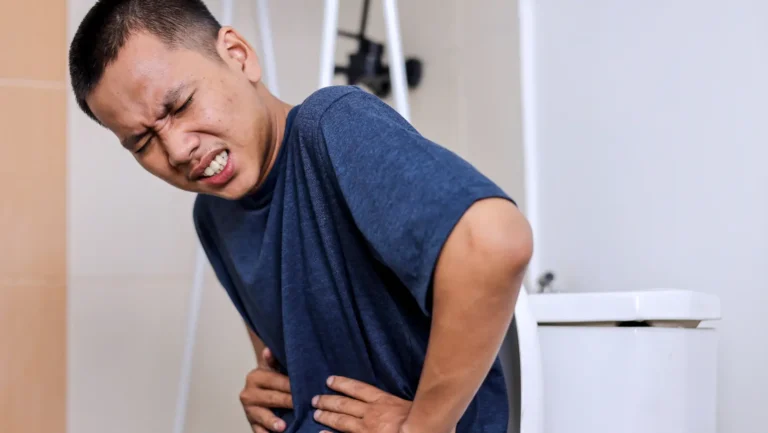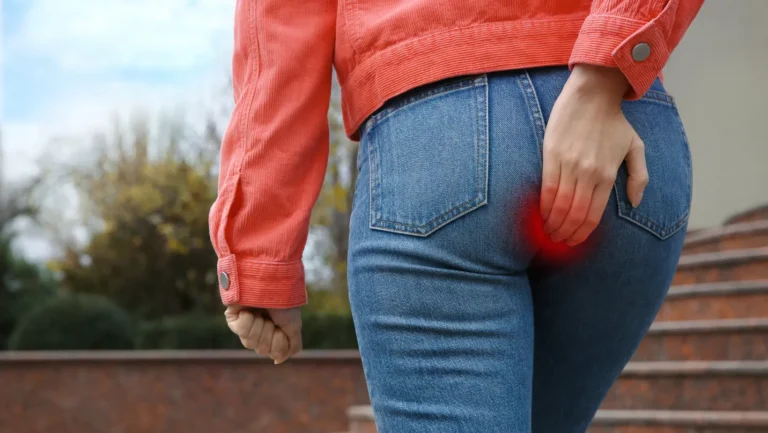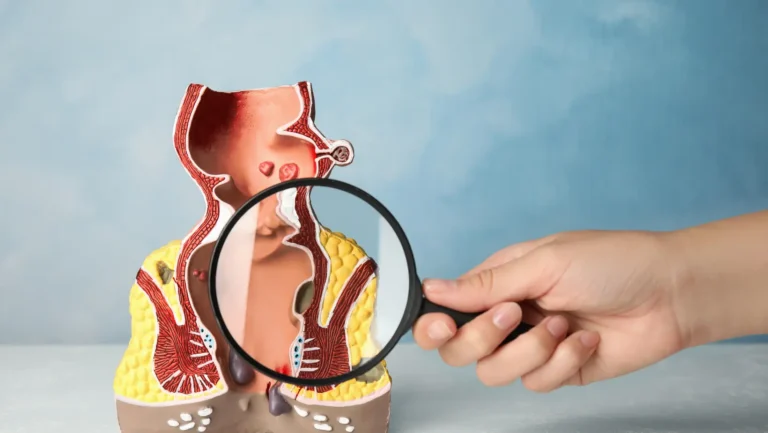

External hemorrhoids form under the skin around the anus. Both types respond well to dietary changes, sitz baths, and consistent self-care. This guide covers the most effective home remedies, what to eat, what to avoid, and when to see a doctor.
Home Remedies for Hemorrhoids
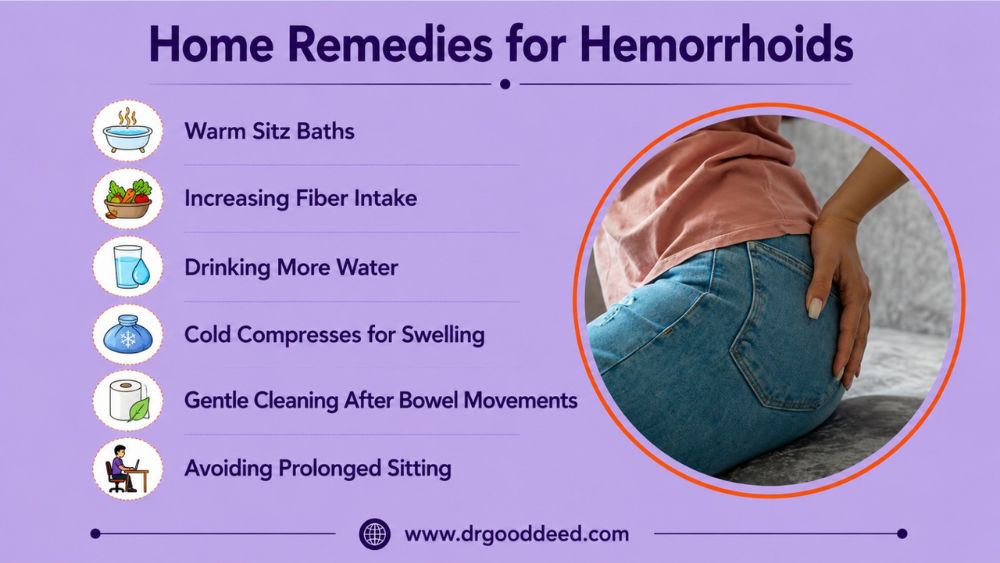
Home remedies for hemorrhoids work by reducing swelling, softening stool, and lowering pressure on the anal veins. Most mild hemorrhoids improve within 1–2 weeks with consistent self-care. The remedies below have the strongest clinical backing.
Warm Sitz Baths
A sitz bath is a shallow warm water soak for the anal area. Sitting in 3–4 inches of warm water (not hot) for 15–20 minutes, 2–3 times daily, reduces inflammation and relieves pain. Sitz baths rank among the most effective home remedies for hemorrhoids with no side effects.
A 2021 study in Diseases of the Colon & Rectum confirmed sitz baths lower anal sphincter spasm and reduce hemorrhoid-related pain within 48–72 hours of consistent use. You do not need a special tub. A plastic sitz bath kit fits over a standard toilet seat.
Increasing Fiber Intake
Low fiber intake is the most common cause of hemorrhoids in the USA. Fiber softens stool and reduces straining. The American College of Gastroenterology (ACG) recommends 25–35 grams of fiber daily for hemorrhoid management.
Most Americans consume only 15 grams per day. Adding psyllium husk (1 tablespoon in water daily) consistently reduces hemorrhoid bleeding and discomfort, per a 2020 Cochrane review on fiber supplementation.
Drinking More Water
Fiber works only when hydration is adequate. Drinking at least 8 cups (2 liters) of water daily keeps stool soft and prevents the straining that worsens hemorrhoids. Dehydration increases stool hardness and transit time, both of which directly worsen hemorrhoid symptoms.
Cold Compresses for Swelling
Applying an ice pack wrapped in a cloth to the anal area for 15–20 minutes reduces external swelling and numbs acute pain. Among natural remedies for hemorrhoids, cold compresses provide the fastest symptom relief, within 10–15 minutes of application.
Cold constricts the blood vessels, lowering inflammation. Use cold compresses 3–4 times daily during the first 48 hours of a flare. Never apply ice directly to skin.
Gentle Cleaning After Bowel Movements
Rough wiping with dry toilet paper tears inflamed tissue and worsens bleeding. Use unscented, alcohol-free wet wipes or a bidet after each bowel movement. Pat dry gently rather than rubbing.
Avoiding Prolonged Sitting
Sitting for more than 1 hour at a time increases pressure on the anal veins. Using a donut-shaped cushion distributes pressure more evenly. Standing or walking for 5 minutes every hour reduces venous pressure and speeds up hemorrhoid recovery.
External Hemorrhoid Home Care Remedies
External hemorrhoid home care remedies target the skin-level swelling, itching, and pain that sit outside the anus. These remedies differ from internal hemorrhoid care because the tissue is directly accessible.
Reducing Swelling Naturally
Witch hazel is one of the most clinically supported topical remedies for external hemorrhoids. It contains tannins that constrict blood vessels and reduce swelling. Apply a cotton ball soaked in distilled witch hazel (alcohol-free) directly to the external hemorrhoid for 5 minutes, up to 4 times daily. A 2022 review in Phytotherapy Research confirmed witch hazel’s anti-inflammatory action on perianal tissue.
Managing Pain and Itching
Aloe vera gel applied to external hemorrhoids cools inflamed tissue and reduces itching. Use pure aloe vera gel (no added alcohol or fragrance). Coconut oil applied twice daily reduces friction and soothes irritated skin. Neither replaces medical treatment, but both provide measurable short-term relief.
Keeping the Area Clean
Soap residue irritates hemorrhoidal tissue. Rinse with plain warm water after bowel movements rather than using soap directly on the anal area. Fragrance-free hypoallergenic soap works if soap is necessary. Moisture-wicking cotton underwear reduces humidity around the area, lowering infection risk.
Preventing Further Irritation
Avoid scratching. Scratching tears delicate tissue and introduces bacteria. If itching is severe, apply a small amount of over-the-counter 1% hydrocortisone cream for no more than 7 days (as per the American Academy of Dermatology guideline). Do not use products containing benzocaine, which causes contact dermatitis in sensitive tissue.
Foods to Eat for Hemorrhoids
Foods to eat for hemorrhoids are high in fiber, water content, and compounds that reduce inflammation. Diet is the most controllable factor in hemorrhoid prevention and recovery.
High-Fiber Fruits
- Prunes: 2 grams of fiber per prune; also contain sorbitol, a natural stool softener
- Pears (with skin): 5.5 grams of fiber per medium pear
- Apples (with skin): 4.4 grams of fiber; also contain pectin, which feeds beneficial gut bacteria
- Berries (raspberries, blackberries): 6–8 grams of fiber per cup; high in antioxidants that reduce vascular inflammation
Fiber-Rich Vegetables
- Broccoli: 5 grams of fiber per cup, cooked
- Brussels sprouts: 4 grams of fiber per half cup
- Carrots: 3.6 grams per cup; soft when cooked, easy on the digestive tract
- Sweet potatoes: 4 grams of fiber per medium potato; gentle on the gut
Whole Grains
Oatmeal, brown rice, quinoa, and whole wheat bread all provide soluble and insoluble fiber. Oatmeal contains beta-glucan, which forms a gel in the gut and makes stool softer and easier to pass.
Legumes and Beans
Lentils (15.6g fiber per cooked cup), black beans (15g per cup), and chickpeas (12.5g per cup) are the highest-fiber foods available. Adding half a cup of any legume to one daily meal gets most people to the 25–35g fiber target quickly.
Hydrating Foods
Cucumbers (96% water), celery, watermelon, and zucchini contribute to daily hydration alongside drinking water. These foods also provide electrolytes that keep bowel movements regular.
Foods That Support Digestive Health
Plain yogurt with live cultures (Lactobacillus acidophilus, Bifidobacterium lactis) improves gut motility and reduces constipation. A 2021 meta-analysis in Nutrients found that probiotic supplementation reduced straining in constipated patients by 34%.
Foods to Avoid When You Have Hemorrhoids
Avoiding the wrong foods matters as much as eating the right ones. Certain foods harden stool, increase inflammation, and worsen hemorrhoid bleeding.
Low-Fiber Processed Foods
White bread, packaged snacks, and processed meats contain almost no fiber. They slow transit time and increase straining. Replacing one processed snack with a high-fiber alternative daily makes a measurable difference within 1–2 weeks.
Excessive Fast Food
Fast food is high in saturated fat and sodium, both of which worsen constipation. Sodium causes water retention that increases vascular pressure, including in the hemorrhoidal veins. Eating fast food more than twice per week is associated with higher hemorrhoid recurrence rates, per colorectal surgery data published in Colorectal Disease (2022).
Highly Refined Grains
White rice, white pasta, and refined flour products strip fiber entirely during processing. Replacing these with whole grain versions of the same foods requires no additional effort and doubles fiber intake from those meals.
Foods That Worsen Constipation
Cheese, red meat, and fried foods slow gut motility significantly. Cheese in particular absorbs water from stool, making it harder. Limiting red meat to 2–3 servings per week and pairing it with high-fiber vegetables offsets its constipating effect.
Excess Alcohol Consumption
Alcohol is a diuretic. It dehydrates the body, hardens stool, and increases the risk of straining. Even 2–3 drinks daily can reduce gut motility enough to worsen hemorrhoid symptoms. Replacing alcohol with water or herbal tea during a flare speeds recovery.
How to Heal Hemorrhoids Faster Naturally
Heal hemorrhoids faster naturally by combining multiple approaches simultaneously, not just one. Single-strategy approaches (fiber only, or sitz baths only) take 2–3 weeks longer than combined protocols.
Preventing Constipation
Take 1 tablespoon of psyllium husk in 8 oz of water daily, at the same time each day. Do not strain. If the urge to defecate passes, it will return. Responding to the urge immediately, rather than delaying, prevents the stool from hardening in the rectum.
Improving Bathroom Habits
Squatting, not sitting, is the physiologically correct position for defecation. A footstool (7–9 inches high) placed under the feet while sitting on the toilet mimics a squat position. This straightens the anorectal angle and reduces straining by 30%, per a 2020 study in the Journal of Clinical Gastroenterology. Limit time on the toilet to 5 minutes maximum. Reading or using a phone on the toilet increases sitting time and worsens hemorrhoidal pressure.
Staying Physically Active
30 minutes of walking daily improves gut transit time and reduces constipation-related straining. Avoid heavy lifting and high-intensity exercises like squats or deadlifts during an active flare, as these increase intra-abdominal pressure and worsen hemorrhoids.
Maintaining Proper Hydration
Drink water first thing in the morning, before coffee. Warm water on an empty stomach stimulates gut motility within 30 minutes. Aim for pale yellow urine as the hydration benchmark throughout the day.
Following a Consistent Fiber Intake
Do not increase fiber rapidly. Adding more than 5–8 grams of fiber per day too quickly causes gas and bloating. Increase fiber by 3–5 grams per week until reaching 25–35 grams daily. This prevents the discomfort that makes people abandon fiber supplementation.
Real Patient Case: Fiber, Footstool, and Sitz Baths Combined Resolved a 3-Month Hemorrhoid Flare
How Robert Davenport Finally Got Relief from Chronic External Hemorrhoids After Failing Over-the-Counter Creams
Robert Davenport, a 47-year-old truck driver from Dallas, Texas, had external hemorrhoids for three months. He had tried three different OTC hemorrhoid creams with no lasting relief. His colorectal specialist found that Robert consumed only 9 grams of fiber daily and sat for 10+ hours during work shifts.
His treatment plan combined three changes: psyllium husk twice daily (reaching 30g fiber total), a 7-inch footstool during bathroom use, and twice-daily sitz baths for 2 weeks. The key insight his doctor added: Robert was drinking only 4 cups of water per day. Fiber without adequate hydration was making his stool harder, not softer.
Within 3 weeks, his hemorrhoids reduced in size and bleeding stopped. After 6 weeks, his symptoms had fully resolved without medication or procedures. Robert now incorporates all three habits permanently.
Name has been altered to protect patient privacy.
Lifestyle Changes That Help Prevent Hemorrhoids
Preventing hemorrhoid recurrence in the USA requires consistent lifestyle habits, not occasional remedies. Hemorrhoids return in 30–50% of patients within 5 years without long-term prevention strategies, per data from the American Society of Colon and Rectal Surgeons (ASCRS).
Evidence-backed prevention habits:
- Reach and maintain 25–35g of daily fiber intake permanently, not just during a flare
- Drink 2 liters of water daily and reduce alcohol and caffeine intake
- Use a footstool with every bowel movement to reduce straining year-round
- Walk 30 minutes daily to keep gut transit time regular
- Avoid sitting on hard surfaces for more than 1 hour at a time
- Address constipation immediately with psyllium husk rather than waiting for it to resolve on its own
- Check stool for blood regularly; early detection of bleeding prevents complications
- Maintain a healthy BMI; obesity increases intra-abdominal pressure and hemorrhoid risk significantly
How Hemorrhoids Are Diagnosed
Hemorrhoids do not always need a doctor’s visit. But certain symptoms require clinical evaluation to rule out more serious conditions.
Medical History Review
A doctor asks about bowel habits, fiber intake, straining, rectal bleeding, and duration of symptoms. This history alone often identifies hemorrhoids as the cause. They also ask about family history of colorectal cancer and inflammatory bowel disease.
Physical Examination
A visual examination of the anus identifies external hemorrhoids immediately. A digital rectal exam (gloved finger) and anoscopy (a small lighted tube) identify internal hemorrhoids. Anoscopy takes under 5 minutes and causes minimal discomfort.
Evaluation of Rectal Bleeding
Hemorrhoidal bleeding is bright red and appears on toilet paper or in the toilet bowl, not mixed into the stool. Blood mixed into stool or dark/tarry stool requires urgent evaluation, as it signals bleeding higher in the digestive tract.
Ruling Out Other Causes
Colorectal polyps, rectal prolapse, anal fissures, and colorectal cancer all produce symptoms that overlap with hemorrhoids. Any person over 45 with rectal bleeding, or anyone with persistent bleeding regardless of age, should undergo colonoscopy to rule out these conditions.
FAQ
Which natural remedies for hemorrhoids work the fastest?
Natural remedies for hemorrhoids that work fastest: cold compresses reduce swelling within 15 minutes; witch hazel reduces itching within 30 minutes; sitz baths reduce anal muscle spasm within 20 minutes. For bleeding, psyllium husk softens stool within 12–24 hours.
Can bleeding hemorrhoids be treated naturally?
Yes. Bleeding hemorrhoids natural treatment starts with psyllium husk (1 tablespoon daily) to soften stool and stop friction-bleeding. Bleeding that persists beyond 1 week of consistent home care, or blood mixed into stool, requires immediate medical evaluation.
How can I heal hemorrhoids faster naturally?
Heal hemorrhoids faster naturally by combining three things simultaneously: psyllium husk (30g fiber daily), twice-daily sitz baths, and a footstool during bowel movements. This combined protocol reduces hemorrhoid size 2–3 times faster than any single approach alone.
Do sitz baths help hemorrhoids heal?
Yes. Sitz baths at 104°F (40°C) for 15–20 minutes reduce anal sphincter spasm and lower vascular inflammation. Three sitz baths daily for 5–7 days is the protocol confirmed in clinical literature to produce measurable hemorrhoid shrinkage.
How much fiber should I eat to prevent hemorrhoids?
25–35 grams daily, per the ACG. Most Americans consume only 15 grams. The fastest way to close that gap is 1 tablespoon of psyllium husk daily (3.5g) plus replacing white bread with whole grain bread (adds 3–4g per serving).
Can drinking more water help hemorrhoids?
Yes. Water activates fiber’s stool-softening function. Without 8+ cups of water daily, fiber supplements like psyllium husk can actually harden stool further. Drinking 250ml of warm water each morning on an empty stomach also stimulates bowel movement within 30 minutes.
When should I see a doctor for hemorrhoids?
See a doctor if: rectal bleeding lasts more than 7 days, blood appears mixed into stool (not just on paper), pain is severe, a lump does not reduce after 1 week of home remedies for hemorrhoids, or you are over 45 and have not had a colonoscopy.
Can exercise help prevent hemorrhoids?
Yes. 30 minutes of walking daily improves gut transit time and reduces constipation-driven straining. Avoid heavy weightlifting and high-impact exercises during an active flare. Yoga poses like child’s pose and legs-up-the-wall reduce rectal venous pressure measurably.
Can hemorrhoids come back after they heal?
Yes. Hemorrhoid recurrence affects 30–50% of patients within 5 years without lifestyle changes, per the ASCRS. Maintaining 25–35g of daily fiber and using a footstool during bowel movements are the two habits most strongly associated with preventing recurrence.
Are home remedies enough for severe hemorrhoids?
Home remedies for hemorrhoids work for Grade 1 and Grade 2 internal hemorrhoids and mild external hemorrhoids. Grade 3 or 4 internal hemorrhoids (prolapsed, unable to reduce manually) and thrombosed external hemorrhoids (hard, extremely painful, purple-black) require medical procedures such as rubber band ligation or hemorrhoidectomy.
Sources
Journal of Clinical Gastroenterology (2020), Footstool posture and straining study
National Institute of Diabetes and Digestive and Kidney Diseases (NIDDK), Hemorrhoids
Diseases of the Colon & Rectum (2021), Sitz bath and hemorrhoid pain study
Phytotherapy Research (2022), Witch hazel anti-inflammatory review
Cochrane Review (2020), Fiber supplementation and hemorrhoids
Nutrients (2021), Probiotics and constipation meta-analysis
Colorectal Disease (2022), Diet and hemorrhoid recurrence
DISCLAIMER: This article is for informational purposes only. It does not substitute professional medical advice, diagnosis, or treatment. Always consult a licensed healthcare provider about your symptoms, especially if you notice rectal bleeding.
Home remedies for hemorrhoids relieve symptoms in most mild-to-moderate cases without medication. Hemorrhoids, also called piles, are swollen veins in the rectum or around the anus. They affect roughly 75% of Americans at some point in their lives, according to the National Institute of Diabetes and Digestive and Kidney Diseases (NIDDK). Internal hemorrhoids form inside the rectum.