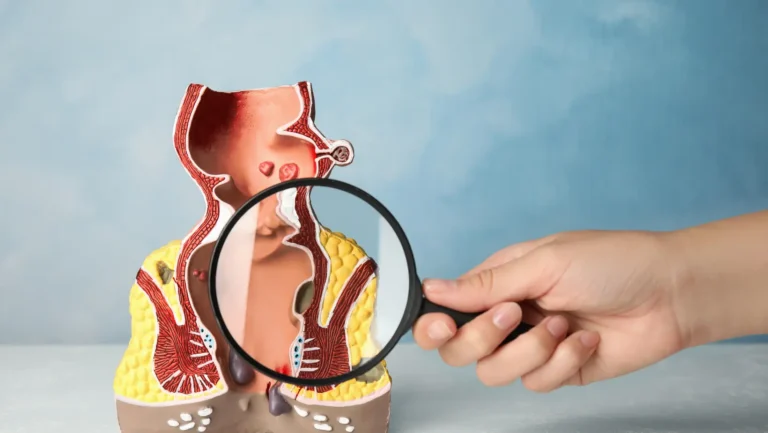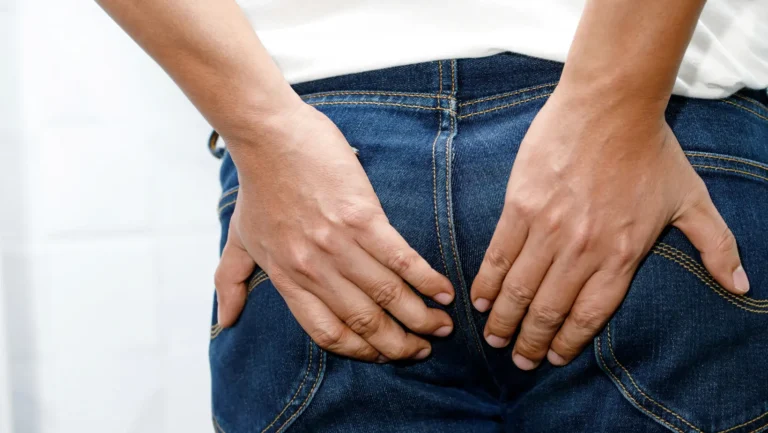

Hemorrhoids are swollen, inflamed veins in the lower rectum or around the anus. Stress alone does not directly create hemorrhoids, but it sets off physical changes that raise rectal pressure, disrupt bowel movements, and irritate the very veins that form hemorrhoids. If you already have them, stress can prevent healing and make symptoms significantly worse.
Stress Doesn’t Directly Cause Hemorrhoids But It Can Set the Stage
A direct cause creates hemorrhoids on its own. Chronic straining, a low-fiber diet, sitting too long on the toilet, pregnancy, and obesity all directly increase pressure on hemorrhoidal veins. A contributor creates the conditions for hemorrhoids to form or worsen. Stress belongs here.
Stress does not cause haemorrhoids by itself. But when stress hits, your body releases cortisol, a hormone that disrupts digestion. Changed bowel habits follow. Those changes lead to straining, irritation, and inflammation, all of which add pressure on hemorrhoidal veins.
The chain looks like this:
Stress → cortisol spike → digestive disruption → constipation or diarrhea → straining or irritation → increased rectal pressure → hemorrhoid flare-up or formation
How Stress Affects the Gut–Hemorrhoid Connection
How stress affects hemorrhoids runs through the gut-brain axis, a two-way communication system between your brain and digestive tract. Your gut has over 100 million nerve cells. When your brain detects stress, it fires signals straight to your gut, changing digestion speed, inflammation levels, and muscle tension in your intestines.
Stress Can Trigger Constipation
Stress slows down the colon in many people. Stool moves too slowly, the colon pulls out too much water, and the result is hard, dry stool that is difficult to pass. Straining to push it out forces blood into the veins around your rectum. Repeated straining over days or weeks is a direct driver of worsening hemorrhoid symptoms with stress.
Stress Can Cause Diarrhea Too
For others, cortisol speeds up colon movement. Food races through too fast, the colon absorbs too little water, and loose and urgent stools follow. Each trip to the bathroom means wiping. Frequent wiping inflames the sensitive skin around the anus. That constant irritation is another clear path toward worsening hemorrhoid symptoms with stress, and it is just as damaging as constipation-related straining.
Stress Changes Bathroom Habits
Stress changes behavior too. Many people delay bathroom trips because they are distracted or too busy. Held stool hardens. When they finally go, more straining is needed. Others spend 15 to 20 minutes on the toilet, waiting for relief. Sitting that long relaxes the muscles supporting the anus and lets hemorrhoidal tissue sag under its own weight. Both patterns damage hemorrhoidal veins over time.
Stress May Increase Pelvic and Anal Muscle Tension
Stress can cause haemorrhoids through muscle tension alone. During stress, your body enters fight-or-flight mode. Every muscle tightens, this includes your pelvic floor muscles, which support your bladder, bowel, and reproductive organs. Under chronic stress, these muscles stay partially tense all day, even while resting.
Tight pelvic floor muscles interfere with normal bowel movements. Even when stool is soft, your rectal muscles resist the relaxation needed to pass it smoothly. You end up straining without an obvious reason. Every bowel movement puts extra pressure on hemorrhoidal veins.
How Sarah Mitchell Finally Traced Her Flare-Ups to Workplace Stress
Sarah Mitchell, a 36-year-old accountant from Phoenix, Arizona, had managed mild hemorrhoids for three years with a fiber-rich diet. But every tax season, when her workload tripled and days stretched past 11 hours, her symptoms returned with pain, itching, and rectal bleeding.
Her diet had not changed. A gastroenterologist (a doctor who specializes in digestive conditions) found that her pelvic floor muscles were chronically tight from prolonged desk tension and skipped bathroom breaks. Her rectal muscles were not relaxing fully during bowel movements, adding pressure to her hemorrhoidal veins every single time.
After tax season ended, Sarah added 20-minute daily walks, twice-daily belly breathing, and regular sitz baths. Her symptoms cleared within 12 days without changing her diet or medication.
The name in this case history has been changed to protect privacy.
Signs Your Hemorrhoid Flare-Up May Be Stress-Related
- Flare-ups appear right during or shortly after high-stress events, like work deadlines, exams, relationship conflict, or family emergencies.
- Your diet and water intake have not changed, but symptoms appear anyway.
- You notice physical tension throughout the day: clenched jaw, stiff shoulders, a tightened stomach.
- You are skipping bathroom trips or sitting on the toilet far longer than usual.
- Digestive changes, including bloating, irregular stools, and gas, started at the exact same time as the stress.
Hemorrhoid flare-ups during stressful periods typically bring pain around the anus, itching, swelling, and bright red blood on toilet paper after a bowel movement. If your symptoms peak when your life stress peaks, the connection is not a coincidence.
How to Break the Stress–Hemorrhoid Cycle
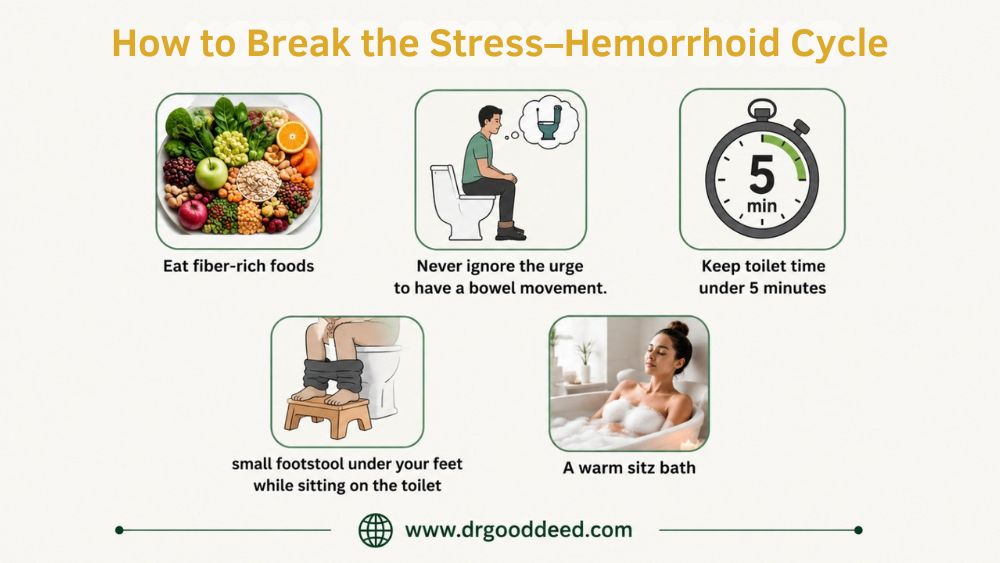
Managing stress-related hemorrhoids requires fixing the bowel habit changes stress creates and reducing the physical stress response itself.
Address the Bowel Habit Changes First
Since stress can cause haemorrhoids to worsen through gut disruption, correcting bowel habits is the first priority. Start here:
- Eat fiber-rich foods: oats, lentils, leafy greens, apples, and beans. Target 25 to 35 grams of fiber daily.
- Never ignore the urge to have a bowel movement.
- Keep toilet time under 5 minutes per visit. Set a timer if needed.
- Place a small footstool under your feet while sitting on the toilet. This tilts your hips into a semi-squat position, reducing the downward pressure on hemorrhoidal veins.
- A warm sitz bath (10 to 15 minutes in a few inches of warm water) relaxes the anal muscles and improves blood flow to swollen veins.
Reduce Physical Effects of Stress
Stress reduction techniques for digestive health work on the gut-brain axis directly. When your nervous system calms, your gut calms too, pelvic muscles release tension, and digestion normalizes.
- Belly breathing: breathe deeply into your abdomen for 5 minutes when stress peaks. This activates the parasympathetic nervous system, your body’s rest-and-digest mode.
- Progressive muscle relaxation: tense and then fully release each muscle group from head to toe. Focus especially on the pelvic area.
- Daily walking: 20 to 30 minutes of walking each day lowers cortisol and stimulates normal bowel movement.
- Cutting caffeine and alcohol: both irritate the gut lining and can worsen stress-related diarrhea and rectal inflammation.
Protect Against Flare-Ups During Stressful Periods
Hemorrhoid flare-ups during stressful periods are predictable. Before high-stress events, increase fiber intake and start daily walks a week in advance. Add sitz baths as a preventive tool, not just a treatment.
Managing stress-related hemorrhoids proactively means using stress reduction techniques for digestive health consistently, not only when symptoms appear. This keeps rectal pressure lower and gives hemorrhoidal veins time to recover between stressful periods.
When Hemorrhoids Are Probably Not Related to Stress
Stress does not cause haemorrhoids in every case. Some causes have no significant connection to stress:
- Pregnancy, because the growing uterus presses directly on rectal veins
- A consistently low-fiber diet with no psychological stress component
- Obesity and prolonged sitting from desk jobs or long-haul driving
- Portal hypertension (high blood pressure in the blood vessels supplying the liver)
- A strong family history of hemorrhoids
In these cases, how stress affects hemorrhoids might still be a secondary factor, but addressing stress alone will not resolve the problem. The root cause needs direct medical treatment.
FAQs
Can anxiety trigger hemorrhoid flare-ups?
Yes. Anxiety raises cortisol, disrupts gut motility (how fast your intestines move), and keeps pelvic floor muscles contracted. All three increase hemorrhoidal vein pressure. Stress causes haemorrhoids from anxiety alone, especially when anxiety also changes bathroom habits for weeks at a time.
Does chronic stress increase hemorrhoid risk?
Yes. Stress causes haemorrhoids long-term. Months of high cortisol disrupts bowel habits and keeps pelvic muscles tense. Repeated straining damages hemorrhoidal veins over time, raising the risk of new hemorrhoids and making existing ones worse.
How can I manage stress-related hemorrhoids?
Combine a high-fiber diet, 8 glasses of water, and under-5-minute toilet visits with stress reduction techniques for digestive health like belly breathing and daily walks. Treating the bowel issue and the stress response together gives lasting results.
Can improving sleep reduce hemorrhoid symptoms?
Yes. Poor sleep keeps cortisol elevated day and night, disrupting digestion and sustaining pelvic muscle tension. Improving sleep is one of the most underrated steps in managing stress-related hemorrhoids. Getting 7 to 9 hours nightly lowers cortisol and reduces hemorrhoid irritation.
Can stress cause rectal bleeding from hemorrhoids?
Yes. When stress-triggered straining or repeated diarrhea irritates internal hemorrhoids, they bleed during bowel movements. Any rectal bleeding should be evaluated by a doctor to rule out conditions beyond hemorrhoids.
What lifestyle changes help prevent hemorrhoid flare-ups?
Eat 25 to 35 grams of fiber daily, drink 8 glasses of water, walk 30 minutes a day, and keep toilet visits under 5 minutes. Consistent stress management reduces rectal pressure and keeps hemorrhoidal veins stable between hemorrhoid flare-ups during stressful periods.
When should I see a doctor for hemorrhoids?
See a doctor if you notice rectal bleeding, a persistent lump near your anus, severe pain, or symptoms that do not improve within two weeks of home care. Rectal bleeding should never be self-diagnosed or left without medical evaluation.
DISCLAIMER: This article is for educational purposes only. It does not replace professional medical advice, diagnosis, or treatment. Always consult a licensed healthcare provider before making any health decisions.