
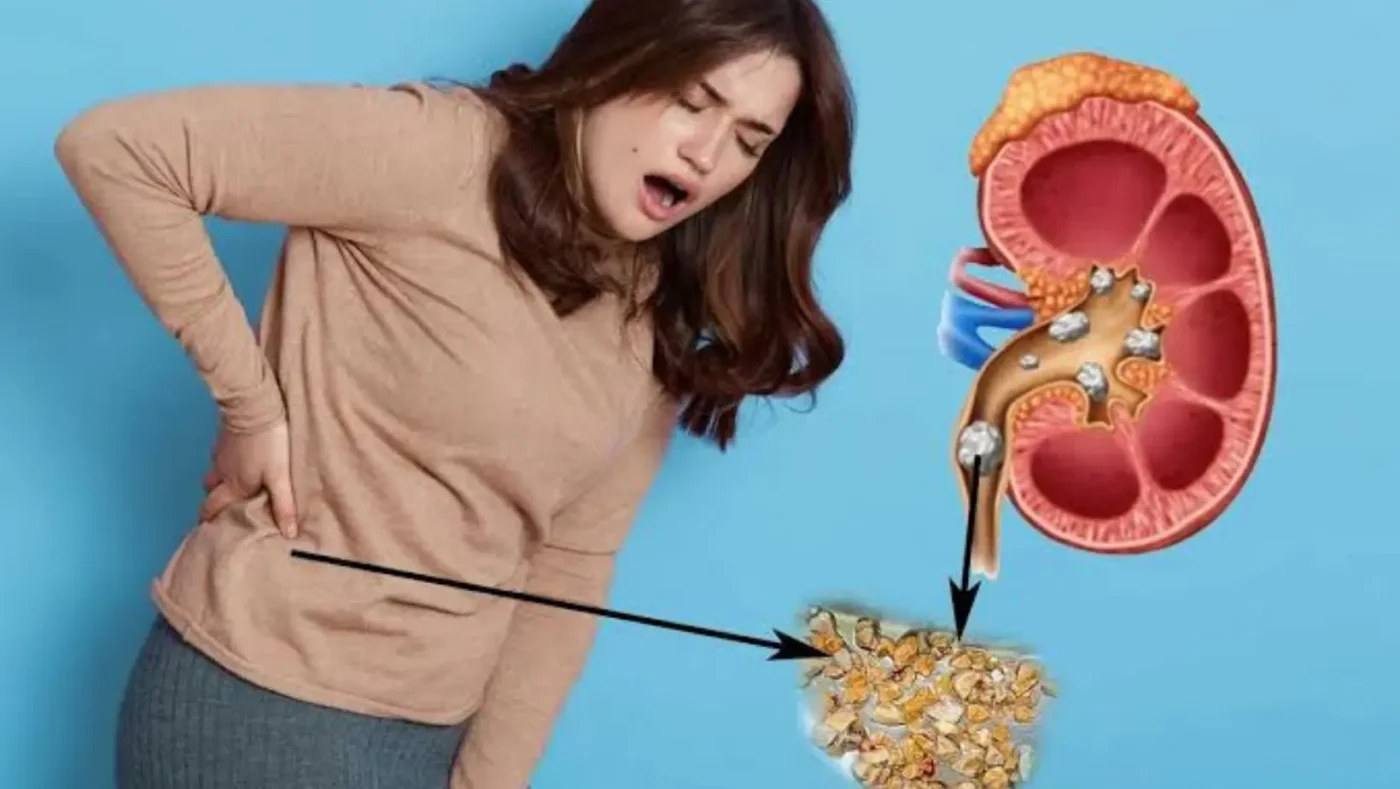

Home remedies for kidney stones work best as support tools, not replacements for medical care. The right approach depends on your stone type, so this guide breaks down what actually helps, what doesn’t, and when a home strategy stops being enough. Kidney stones affect roughly 1 in 11 people in the United States at some point in their lives. Most small stones pass on their own.
Before Trying Any Remedy, Identify Which Type of Kidney Stone You Most Likely Have
Not every home remedy for kidney stones works for every stone. Calcium oxalate stones respond to hydration, citrate, and calcium timing. Uric acid stones respond to urine alkalinization. Struvite stones need antibiotics, not diet changes. Cystine stones are genetic and need specialized care.
Calcium Oxalate Stones
These make up about 80% of all kidney stones. They form when oxalate, a compound in many plant foods, binds with calcium in your urine. Low fluid intake, high sodium, and low dietary calcium all raise your risk.
Uric Acid Stones
These form when urine stays too acidic for too long. High-protein diets, obesity, and gout raise risk. Doctors can sometimes dissolve these stones by raising urine pH with medication, something no home remedy can safely replicate on its own.
Struvite Stones
These grow fast after urinary tract infections, sometimes filling the whole kidney within weeks. They need antibiotics and often surgery. No natural remedy treats an active infection stone.
Cystine Stones
A rare genetic condition called cystinuria causes these. They need lifelong management with a nephrologist, including high fluid targets and sometimes medication.
10 Natural Ways to Support Kidney Stone Relief (Evidence Ranked from Strongest to Weakest)
Clinical trials with real urine chemistry data back the strongest natural remedies for kidney stones. Ranking this list by evidence lets you spend your effort where it counts instead of chasing myths.
1. Increase Fluid Intake Strategically (Highest Evidence)
This is the single most proven of all home remedies for kidney stones. A dose-response meta-analysis covering more than 350,000 people found that every extra 500 mL of water lowered stone risk by about 7%. Doctors at Cleveland Clinic and the National Kidney Foundation both point to the same target: drink enough to produce 2.5 liters of urine a day, which usually means around 3 liters (about 13 cups) of fluid total.
Spread it out. Sipping water across the day dilutes urine consistently. Chugging a liter at once just sends you to the bathroom faster without lowering your average mineral concentration. Good choices for drinks that help pass kidney stones include:
- Plain water (your baseline)
- Water with citrus (lemon or lime) added
- Unsweetened tea or coffee, which the National Kidney Foundation lists as acceptable fluids
- Avoid sugary sodas and grapefruit juice, both linked to higher stone risk
2. Use Lemon Juice to Increase Urinary Citrate
Citrate stops calcium from binding into stone crystals in your urine. Lemons carry more citric acid than any other citrus fruit, which is why lemon water shows up on nearly every list of what dissolves kidney stones naturally.
A 2008 Duke University study found lemonade therapy raised urinary citrate in most hypocitraturic patients. A more recent 2021 randomized trial published in eClinicalMedicine found fresh lemon juice did NOT significantly raise 24-hour citrate levels, though it still trended toward fewer stone recurrences, possibly by lowering urinary sodium. The honest takeaway: lemon juice helps some people, especially those with genuinely low citrate, but it does not dissolve an existing stone. That claim is an internet myth, not a clinical fact.
To use it safely, mix the juice of one to two lemons into a liter of water daily. Don’t drink concentrated juice straight, since the acid can wear down tooth enamel over time.
3. Eat Calcium the Right Way, Don’t Avoid It
Cutting dairy feels logical if you have calcium oxalate stones, but it backfires. Dietary calcium binds oxalate inside your gut before it reaches your kidneys, so less oxalate gets absorbed into your bloodstream in the first place.
The National Kidney Foundation recommends three servings of dairy daily, eaten with meals. Timing matters. Calcium eaten with an oxalate-rich meal, like spinach, binds oxalate right there in your digestive tract. Calcium taken as a supplement on an empty stomach skips this step and can actually raise stone risk instead of lowering it. Aim for food sources: milk, yogurt, and cheese, not high-dose calcium pills, unless a doctor prescribes them.
4. Reduce Sodium to Lower Urinary Calcium
Sodium and calcium travel together through your kidneys. Eat more salt, and your kidneys dump more calcium into your urine, raising your stone risk. Guidelines recommend keeping sodium under roughly 2,300 mg a day, and stricter limits if you’re prone to stones.
Easy swaps:
- Swap canned soups and vegetables for low-sodium versions, or rinse canned beans before eating
- Order sauces and dressings on the side at restaurants
- Replace processed deli meats and chips with fresh options
- Read labels: “reduced sodium” can still mean over 500 mg per serving
5. Moderate Animal Protein Intake
Red meat, poultry, and seafood raise uric acid and make urine more acidic. Acidic urine dissolves less citrate, and citrate is your natural stone blocker. High animal protein also increases calcium loss through urine, a double hit for calcium oxalate formers.
This matters most for people with uric acid stones or a history of recurrent calcium stones. One clinical reference recommends keeping protein under roughly 8 ounces (about 226 grams) daily. Swap some meat meals for beans, lentils, or tofu instead of cutting protein entirely.
6. Pair High-Oxalate Foods With Calcium Instead of Eliminating Them
People hear “oxalate” and panic-cut spinach, almonds, and chocolate completely. Oxalate only becomes a problem when it’s absorbed unbound into your bloodstream. Pairing it with calcium at the same meal keeps it locked in your gut instead.
Practical pairings:
- Spinach salad? Add shredded cheese or a yogurt-based dressing
- Almonds as a snack? Pair with a glass of milk
- Beet greens in a stir fry? Cook with a calcium-fortified sauce
- Craving chocolate? Eat it with dairy, like a glass of milk, not on its own
7. Stay Physically Active to Encourage Stone Movement
Movement supports blood flow and hydration habits, both of which matter for stone passage. Some clinicians believe upright activity and gentle movement help small fragments travel down the ureter more easily than lying still.
Exercise does not “shake” a stone loose like a soda bottle. Vigorous jumping or intense workouts won’t dislodge a lodged stone, and dehydration from heavy sweating during exercise can actually raise your risk if you don’t replace fluids. Walking, staying upright, and drinking water during activity is the realistic version of this remedy, and it ties directly into kidney stone relief naturally achieved through daily habits.
8. Heat Therapy for Temporary Pain Relief
A heating pad on your back or side, or a warm bath, is one of the most accessible best home remedies for kidney stone pain available at home. Heat relaxes the smooth muscle in your ureter that’s spasming around the stone, which is what causes the sharp, wave-like pain of renal colic.
Apply a heating pad for 15 to 20 minutes at a time. Warm baths work the same way and add relaxation on top. Heat manages pain, it doesn’t move the stone or shrink it. If pain stays above a 7 out of 10 despite heat and over-the-counter medication, that’s your signal to seek care.
9. Herbal Remedies: What Has Limited Evidence?
Herbal options sit at the bottom of this ranked list because human trials are small and inconsistent. Still, some deserve an honest look rather than a blanket dismissal.
Chanca piedra (Phyllanthus niruri), nicknamed “stone breaker,” has the most research behind it. A 2020 meta-analysis found it produced a statistically significant, but modest, drop in stone size and number across two controlled trials. A separate 12-week study of 56 patients found it raised urinary potassium and magnesium while lowering stone count.
Nettle, parsley, and horsetail all carry long traditional use as mild diuretics. Solid human clinical trials on stone outcomes are largely missing for these three. They’re generally considered low-risk in normal food amounts, but avoid horsetail if you have kidney disease, since it contains compounds that stress the kidneys at high doses. Talk to your doctor before combining any herbal supplement with prescribed stone medication.
10. Foods That Naturally Increase Citrate and Hydration
Certain foods that help kidney stones pass work through the same citrate and hydration mechanisms as remedies 1 and 2, just in whole-food form:
- Watermelon: over 90% water content plus potassium
- Oranges: citrate-rich, though weigh the natural sugar if you’re managing weight
- Cucumbers: high water content, low calorie
- Basil and mint: traditionally used as mild diuretics in herbal teas
These won’t dissolve a stone, but they stack naturally on top of your hydration and citrate goals throughout the day.
Expert Takeaway: The Most Effective Natural Strategy Depends More on Stone Type Than on Any Single Home Remedy
There’s no single best answer among home remedies for kidney stones. Your stone composition decides which strategy actually moves the needle.
For calcium oxalate stones: Prioritize hydration first, then dietary calcium with meals, sodium reduction, and citrate-rich foods. This combination directly targets the three mechanisms driving over 80% of stones.
For uric acid stones: Hydration still matters, but urine alkalinization usually needs medical guidance. Some uric acid stones can fully dissolve with the right treatment plan, something no home approach replicates alone.
For unknown stone type: Stick to low-risk moves, hydration, balanced sodium and protein, symptom tracking, while you arrange a 24-hour urine test to identify exactly what you’re dealing with. This is the safest form of kidney stone home treatment until you have real data.
When Home Remedies May Not Be Enough
Severe or Persistent Pain
Pain that doesn’t ease with heat, hydration, and over-the-counter medication within a few hours needs medical evaluation. Renal colic pain is often described as worse than childbirth by people who’ve experienced both.
Fever or Signs of Infection
A fever above 100.4°F alongside stone symptoms can mean an infected, obstructed kidney. This is a medical emergency, not a wait-and-see situation.
Difficulty Passing Urine
Little to no urine output, despite drinking fluids, can signal a blocked ureter. This needs same-day evaluation.
Large Kidney Stones
Stones over 10 mm have less than a 5% chance of passing on their own, based on AUA and EAU guideline data. If imaging shows a stone this size, home strategies alone won’t resolve it.
FAQs
Can kidney stones pass naturally at home?
Yes, stones under 5 mm pass on their own in 68-98% of cases, usually within one to two weeks with hydration and pain control. Stones over 10 mm rarely pass without medical help.
What is the fastest way to help pass a kidney stone?
Drink enough fluid to produce 2.5 liters of urine daily and stay upright and active. Doctors may add tamsulosin, a prescription drug shown to speed passage by relaxing the ureter within about 30 days.
Does drinking water dissolve kidney stones?
No, water does not dissolve existing stones. It dilutes urine and lowers the concentration of minerals that build new stones, supporting passing a kidney stone naturally rather than breaking down current ones.
Does lemon water help with kidney stones?
Partially. Lemon juice raises urinary citrate in many people, which blocks new crystal formation, but a 2021 randomized trial found it doesn’t reliably dissolve stones already formed.
When should I see a doctor for kidney stones?
See a doctor immediately for fever, inability to urinate, pain lasting over a few hours despite treatment, or vomiting that prevents fluid intake. These signal complications beyond relieving kidney stone pain at home.
Sources
- National Kidney Foundation: Kidney Stone Diet Plan and Prevention
- NIDDK: Prevention of Urinary Stones with Hydration (PUSH) Study
- Cleveland Clinic: Study Raises New Questions About Achieving Adequate Fluid Intake for Kidney Stones
- PMC: Hydration for Adult Patients with Nephrolithiasis
- eClinicalMedicine (The Lancet): Fresh Lemon Juice Supplementation Randomized Trial
- PubMed: Long-Term Lemonade Therapy for Hypocitraturic Nephrolithiasis, Duke University
- PMC: Kidney Stone Prevention, Nutrition-Based Strategies
- PubMed: Phyllanthus Niruri Meta-Analysis for Kidney Stones
- American Urological Association: Surgical Management of Kidney and Ureteral Stones Guideline
- Uroweb (EAU): Guidelines on Urolithiasis
Medical Disclaimer: This article is for general information only. It does not replace advice from a doctor. Talk to a urologist or your physician before starting any remedy, especially if you have a diagnosed kidney stone or ongoing symptoms.










2 Comments
Comments are closed.