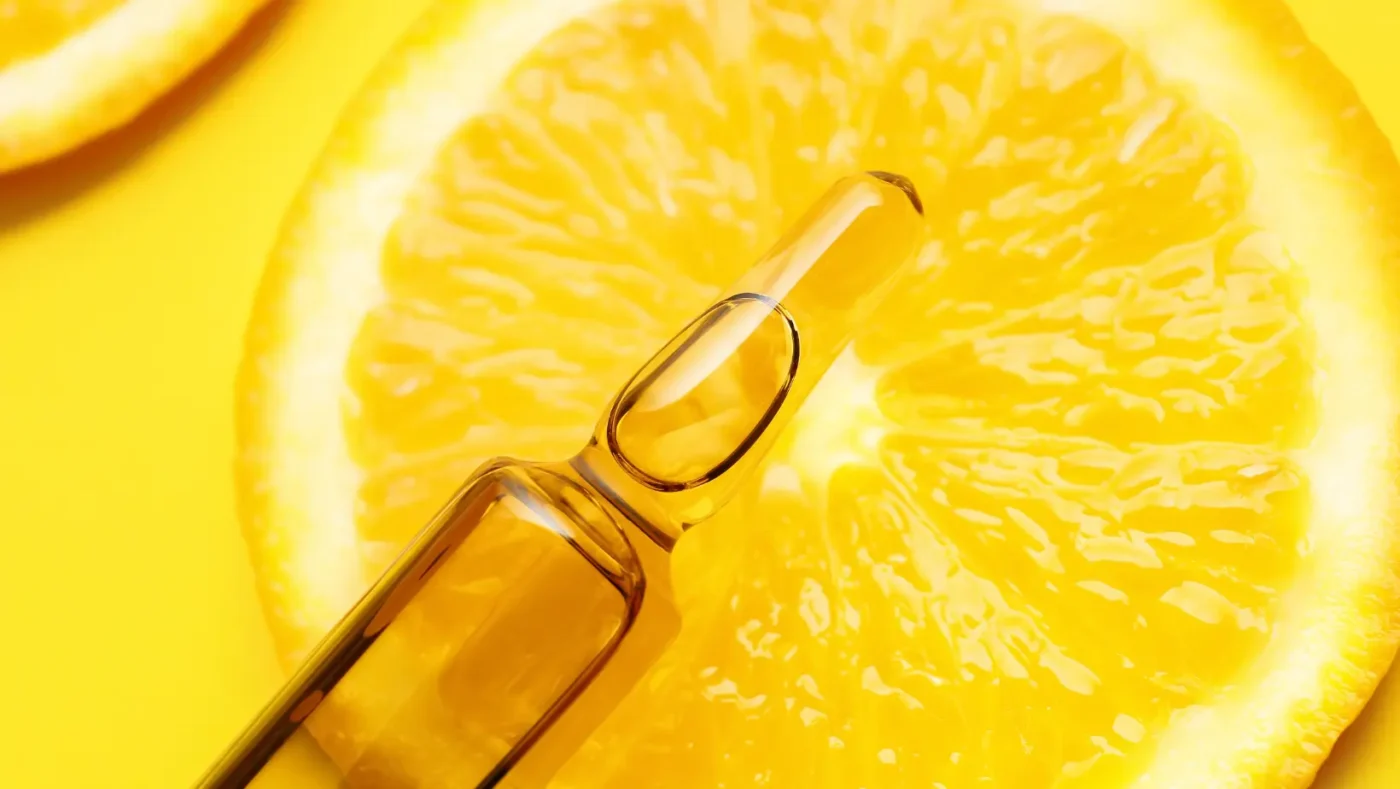

The benefits of vitamin C serum are clinically backed. Topical vitamin C reduces melanin production, neutralizes free radical damage, and stimulates collagen. It works on all skin tones and brightening face is one of the few OTC skincare ingredients with strong dermatological support.
Most people start using it for dull or uneven skin. The science behind it goes further than brightness alone. This guide covers how it works, when to use it, what to pair it with, and what most blogs skip.
What Is Vitamin C Serum?
Vitamin C serum is a liquid skincare product with ascorbic acid or a stabilized derivative. It penetrates the upper skin layers at a cellular level, something a cream or cleanser with vitamin C typically cannot achieve.
Antioxidants and Skin Protection Explained
UV rays, pollution, and smoke generate free radicals. These damage skin cells. Vitamin C neutralizes free radicals before they cause visible harm. It is water-soluble, so it works well in the surface layers where most environmental damage begins.
How Topical Vitamin C Works on the Skin
L-ascorbic acid absorbs through the outermost skin layer and blocks tyrosinase, the enzyme that produces melanin. Less melanin means fewer dark spots. It also signals fibroblasts to produce collagen, which keeps skin firm.
Different Forms of Vitamin C in Skincare
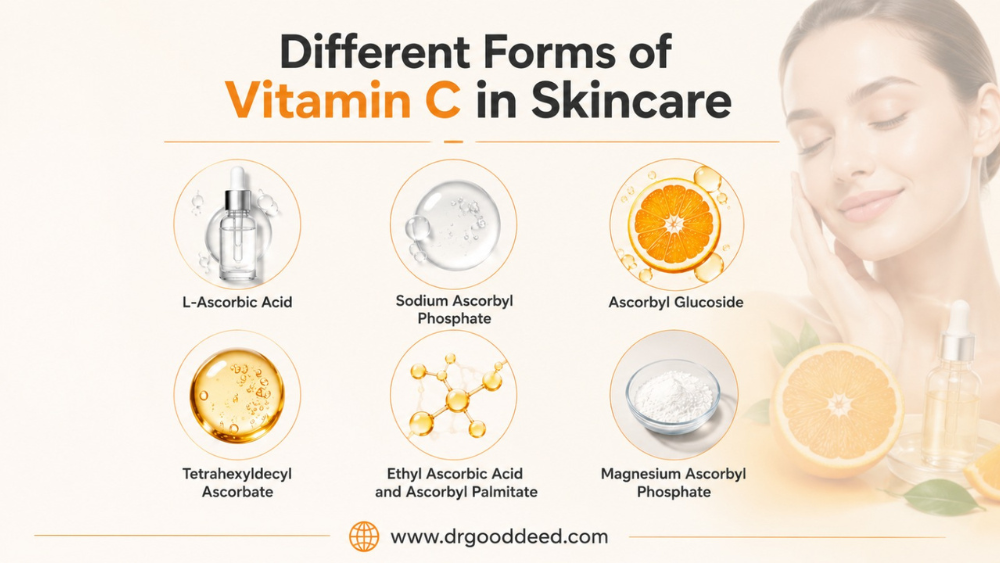
| Form | Stability | Best For |
| L-Ascorbic Acid | Low (oxidizes fast) | Oily or normal skin |
| Sodium Ascorbyl Phosphate | High | Sensitive skin |
| Ascorbyl Glucoside | High | Beginners |
| Tetrahexyldecyl Ascorbate | Very High | Dry or aging skin |
Vitamin C Serum Skincare Benefits
Vitamin C serum skincare benefits go beyond brightness. Consistent use over 8 to 12 weeks improves texture, reduces pigmentation, and strengthens the skin barrier. A 2017 study in the Journal of Clinical and Aesthetic Dermatology confirmed topical L-ascorbic acid at 10% improved hyperpigmentation and radiance after 16 weeks.
- Brightens dull skin by reducing excess melanin
- Fades post-acne marks faster than untreated skin
- Reduces redness and inflammation in acne-prone skin
- Boosts collagen to reduce fine lines over 3 to 6 months
- Speeds up UV damage recovery when paired with sunscreen
Vitamin C Serum for Dark Spots
Vitamin C serum for dark spots works by blocking tyrosinase, the enzyme that produces excess pigment. It is effective for post-inflammatory hyperpigmentation, melasma, and sun-induced dark spots. Results appear in 6 to 8 weeks with daily use.
- Fades post-acne marks by reducing localized melanin deposits
- Targets sun spots by interrupting the pigment production cycle
- More effective on superficial (epidermal) pigmentation than deep dermal spots
- Works on melasma when combined with sunscreen and niacinamide
One point most blogs miss: vitamin C treats existing spots but does not prevent new ones. Without SPF 30 or higher, UV exposure triggers melanin production faster than the serum can slow it down.
How Vitamin C Helps Protect the Skin
Vitamin C is one of the most abundant antioxidants in human skin. A single day outdoors without protection drops skin vitamin C levels by up to 50%, per research by Pinnell SR et al. in Free Radical Biology and Medicine (2002).
Free Radicals and Environmental Stress
Free radicals steal electrons from skin cells, damaging DNA and collagen. Vitamin C donates electrons to neutralize them. This makes it effective against pollution and cigarette smoke damage.
UV Exposure and Antioxidant Defense
Vitamin C does not block UV rays. It reduces the oxidative damage they cause after penetrating skin. It is a second line of defense, not a sunscreen replacement.
Skin Barrier Support and Repair
Vitamin C stimulates ceramide production. Ceramides hold skin cells together and lock in moisture. A stronger barrier means less water loss and less visible irritation over time.
Best Time to Apply Vitamin C Serum
The best time to apply vitamin C serum is in the morning, before sunscreen. This lets it work with your skin’s natural defense against daytime environmental damage.
Morning Application and Antioxidant Protection
Morning use lets vitamin C fight UV and pollution-triggered oxidative stress all day. Nighttime use is not wrong, but you lose the synergistic benefit with SPF.
Using Sunscreen With Vitamin C Serum
A 2005 study in the Journal of Investigative Dermatology (Lin FH et al.) showed combining vitamin C, vitamin E, and sunscreen reduced UV-induced damage more than sunscreen alone. Always follow vitamin C with SPF 30 or higher.
Nighttime Use and Skin Repair Routines
If you use retinol at night, keep it separate from vitamin C. Retinol needs higher pH. L-ascorbic acid needs low pH. Combined, they cancel each other out and increase irritation.
How to Use Vitamin C Serum Correctly
Using vitamin C serum correctly determines whether you see results in 8 weeks or never. Understanding the benefits of vitamin C serum only matters if the product is applied in a way that lets it absorb.
Cleansing Before Application
Cleanse and pat dry. Wait 60 seconds before applying. Damp skin dilutes the formula and reduces absorption.
Applying Serum Before Moisturizer
Apply 3 to 4 drops to face and neck. Press gently. Do not rub. Wait 90 seconds, then apply moisturizer.
Layering Vitamin C With Other Skincare Products
- Apply before niacinamide (safe together at standard concentrations)
- Pair with vitamin E for better stability and antioxidant effect
- Wait 30 minutes after AHA or BHA exfoliants before applying
Starting Slowly to Reduce Irritation
Start with 10% concentration, three days a week. If no redness appears in two weeks, move to daily use. Concentrations above 20% increase irritation without meaningfully better results.
Common Skin Concerns Vitamin C Serum May Help Improve
The benefits of vitamin C serum extend to skin concerns Americans spend significantly on treating. Sun damage and hyperpigmentation vitamin C research consistently shows meaningful improvement with daily use and SPF combined.
- Uneven skin tone and blotchiness
- Post-acne marks (post-inflammatory hyperpigmentation)
- Early fine lines and skin firmness loss
- Dullness from pollution exposure
- Rough texture from chronic sun exposure
Ingredients That Pair Well With Vitamin C
Hyaluronic Acid for Hydration
Vitamin C formulas at low pH can feel drying. Hyaluronic acid applied after draws moisture in without interfering with the serum.
Niacinamide and Skin Barrier Support
Old advice warned against mixing these two. That was based on outdated in-vitro research. At under 5% niacinamide, there is no practical issue. Together, they fade dark spots and reduce redness.
Sunscreen and UV Protection
SPF is non-negotiable. Vitamin C slightly increases photosensitivity. Use SPF 30 minimum; SPF 50 for daily outdoor exposure.
Vitamin E and Antioxidant Synergy
Vitamin E regenerates vitamin C after it neutralizes a free radical. A serum with both L-ascorbic acid and tocopherol is more stable and more effective than either alone.
Mistakes People Make While Using Vitamin C Serum
Most people who say vitamin C did not work made one of these errors. The benefits of vitamin C serum are real, but the ingredient is sensitive to misuse.
- Using an oxidized serum that has turned dark orange or brown
- Storing it in a warm, sunny bathroom instead of a cool, dark drawer
- Expecting results in two weeks instead of six to eight
- Jumping to 20%+ concentration as a beginner
- Skipping sunscreen and undoing the brightening work each day
- Buying serum in clear packaging (light degrades L-ascorbic acid fast)
Who May Need Caution With Vitamin C Serum
Sensitive or Reactive Skin
People with rosacea should start with sodium ascorbyl phosphate, not L-ascorbic acid. Low-pH formulas irritate reactive skin more.
Over-Exfoliated Skin Barriers
If skin stings with most products, the barrier is compromised. Use ceramide-based moisturizers for two to four weeks before starting vitamin C.
Allergic Reactions and Irritation Signs
Mild tingling in the first minute is normal with L-ascorbic acid. Burning lasting longer than 5 minutes, or persistent redness and swelling, means stop using the product.
How to Choose a Good Vitamin C Serum
Stable Packaging and Formulation
Choose amber, dark glass, or opaque airless pump bottles. Clear bottles cause oxidation within weeks of opening.
Concentration Levels for Beginners
- 10%: starting point, effective and low risk
- 15%: suitable after a few months
- 20%: for experienced users with non-sensitive skin
Texture and Skin-Type Considerations
- Oily skin: lightweight water-based serum with L-ascorbic acid
- Dry skin: oil-based serum with tetrahexyldecyl ascorbate
- Sensitive skin: sodium ascorbyl phosphate at neutral pH
FAQs
What are the main benefits of vitamin C serum for the skin?
The benefits of vitamin C serum include reduced melanin production, collagen stimulation, free radical neutralization, and stronger skin barrier function. It fades dark spots, improves firmness, and reduces dullness. Visible changes begin in 6 weeks with daily consistent use.
How does vitamin C help reduce dark spots and hyperpigmentation?
Vitamin C serum for dark spots blocks tyrosinase, stopping excess melanin formation. It fades epidermal sun spots and post-acne marks in 6 to 8 weeks. Deep dermal melasma responds more slowly and needs niacinamide and SPF 50 alongside it.
What is the best time to apply vitamin C serum?
Morning. The best time to apply vitamin C serum is after cleansing and before SPF. It maximizes antioxidant protection against daytime UV damage and amplifies sunscreen performance per the 2005 Lin FH et al. study.
Why is sunscreen important while using vitamin C products?
Vitamin C treats sun damage and hyperpigmentation vitamin C targets, but does not stop new UV-triggered melanin. Without SPF 30+, daily sun exposure reverses the serum’s brightening results. Combining both outperforms sunscreen alone.
Can vitamin C serum help with acne marks and uneven skin tone?
Yes. Vitamin C serum skincare benefits include targeting melanin in post-inflammatory hyperpigmentation from acne. Results appear in 6 to 10 weeks. Pairing with niacinamide speeds up the fading process.
How should vitamin C serum be layered with moisturizer and sunscreen?
Cleanse, apply vitamin C serum on dry skin, wait 90 seconds, apply moisturizer, wait 2 minutes, then apply sunscreen. Sunscreen must never go before the serum.
Which ingredients work well alongside vitamin C serum?
Vitamin E, hyaluronic acid, and niacinamide. Vitamin E stabilizes vitamin C. Hyaluronic acid prevents dryness from low-pH formulas. Niacinamide enhances brightening without interfering at standard concentrations.
Can vitamin C serum irritate sensitive skin?
L-ascorbic acid irritates reactive skin at low pH. Sodium ascorbyl phosphate delivers the same benefits of vitamin C serum with significantly less irritation. Always start at 10% concentration, three days per week.
How long does it take to notice visible skincare results?
Brightening appears in 4 to 6 weeks. Dark spot reduction takes 8 to 12 weeks. Collagen-driven firmness improvements take 3 to 6 months. Daily use and consistent SPF together determine how fast results show.
What signs indicate that a vitamin C serum has oxidized or expired?
A color change from clear or pale yellow to dark orange or brown means the serum has oxidized. It no longer delivers the benefits of vitamin C serum and can irritate skin. A metallic or rancid smell confirms it. Discard immediately.