
Traditional Chinese medicine for weight loss works differently than any diet you’ve tried. It doesn’t count calories. It reads your body. TCM practitioners look at digestion, energy flow, fluid retention, and emotional patterns together, then treat the root cause rather than the symptom. This guide covers the herbs, What is acupuncture methods, dietary rules, and lifestyle changes that TCM uses to address weight gain at the source.
TCM Approach to Obesity Treatment
The TCM approach to obesity treatment doesn’t classify excess weight as a single problem. It identifies which internal system is out of balance and targets that specifically. In most cases, weight gain in TCM links back to poor digestion, stagnant energy, or excess fluid buildup, not just food intake.
Imbalance of Qi and Metabolism
Qi is the body’s functional energy. When Qi flows properly, digestion works, nutrients get absorbed, and waste gets eliminated. When Qi stagnates, food doesn’t process efficiently, and the body stores more than it uses. Think of it as a slow metabolic drain that doesn’t show up on any blood test.
Spleen Deficiency and Poor Digestion
The Spleen in TCM controls digestion and nutrient absorption. A weak Spleen means food doesn’t convert into usable energy. Instead, it transforms into what TCM calls “dampness,” a kind of internal sluggishness that causes bloating, fatigue, and gradual weight gain over time.
Dampness and Phlegm Accumulation
Dampness is TCM’s term for metabolic waste that the body hasn’t cleared. It builds up in tissues, slows circulation, and contributes to stubborn fat, especially around the abdomen. Phlegm is a denser form of the same problem. Both respond to specific herbs and dietary changes.
Emotional Eating and Stress
TCM connects the Liver organ system to stress and emotional regulation. Chronic stress causes Liver Qi stagnation, which disrupts digestion and triggers cravings. This is the TCM explanation for why stressed people gain weight even without changing their diet.
Weight Gain Due to Slow Metabolism in TCM
Weight gain due to slow metabolism TCM practitioners identify three main internal causes: weakened digestive energy, low Qi reserves, and fluid retention. Each requires a different herbal and dietary approach.
Role of Spleen and Digestive Energy
The Spleen-Stomach system in TCM functions like a furnace. It generates the “digestive fire” that breaks down food. When this fire is low, the body struggles to process even moderate meals. People with Spleen deficiency often feel full quickly, bloat after eating, and gain weight despite eating small portions.
Low Qi and Energy Imbalance
Low Qi doesn’t just mean tiredness. It slows every metabolic process. The body burns fewer calories at rest, holds onto fat as a reserve, and reduces its detox capacity. Traditional chinese medicine for weight loss addresses this directly with Qi-tonifying herbs like Ginseng and Astragalus.
Fluid Retention and Sluggish Metabolism
TCM treats fluid retention as a separate category from fat gain. Excess dampness causes the body to hold water in tissues, which shows up as puffiness, heaviness, and a higher number on the scale that doesn’t respond to exercise alone.
15 Chinese Herbs for Weight Loss
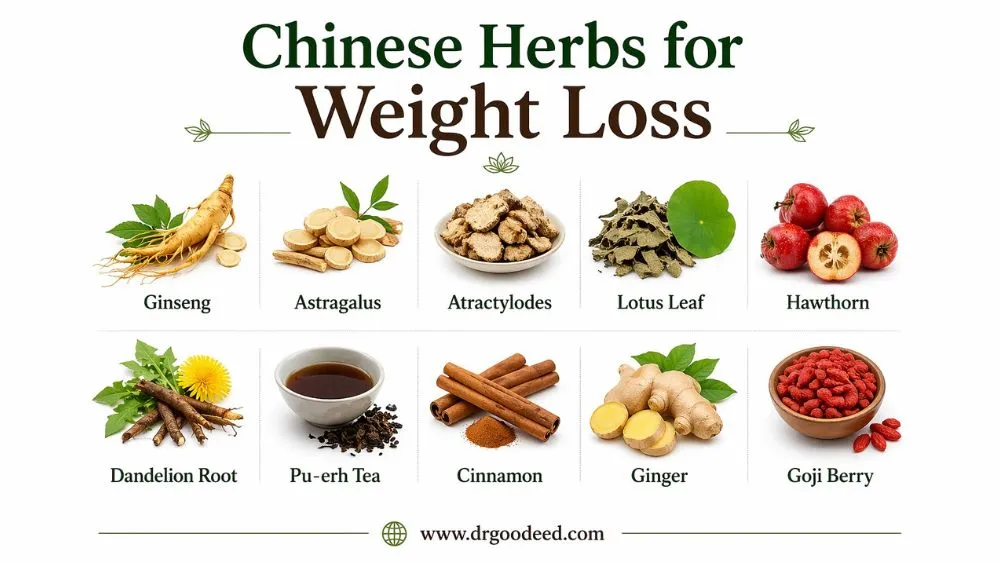
These 15 Chinese herbs for weight loss target different root causes. Some address digestion, some clear dampness, others balance blood sugar or reduce bloating. Most are used in combinations prescribed by a TCM practitioner rather than alone.
1. Ginseng (Ren Shen)
Boosts cellular energy production. Research published in PLOS ONE (2014) showed that Panax Ginseng reduced body weight and improved gut bacteria in obese mice. It supports the Qi needed for proper metabolism.
2. Astragalus (Huang Qi)
Strengthens the Spleen and boosts Wei Qi (defensive energy). It reduces fatigue, which indirectly supports more physical activity and better calorie use.
3. Atractylodes (Bai Zhu)
One of the most used herbs for Spleen deficiency. It dries dampness and improves digestive absorption. Often paired with Fu Ling in classical formulas for bloating and sluggish digestion.
4. Lotus Leaf (He Ye)
Reduces fat absorption in the gut. Studies show lotus leaf alkaloids inhibit lipase activity, the enzyme that breaks down dietary fat for absorption. Less absorption means fewer stored calories.
5. Job’s Tears (Yi Yi Ren)
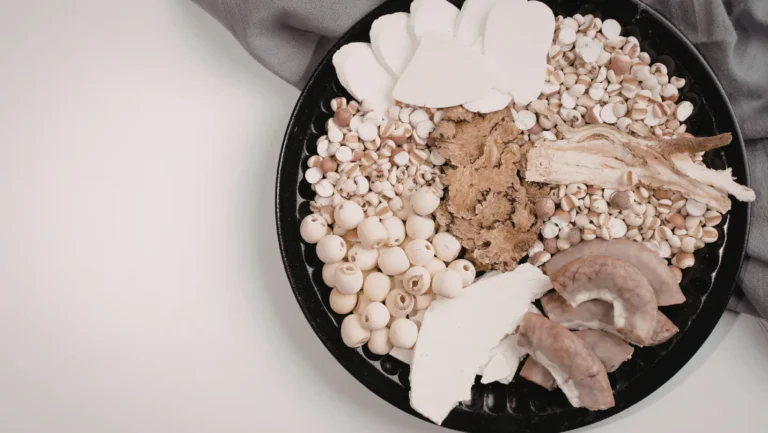
Drains dampness and reduces water retention. Used in cases where weight gain is more fluid-based than fat-based. Also supports kidney function.
6. Hawthorn (Shan Zha)
Specifically targets fat digestion. TCM uses it after heavy meals to prevent food stagnation. Modern research shows it reduces LDL cholesterol and triglycerides.
7. Dandelion Root
Supports liver detox and bile production. Better bile flow means better fat digestion. It also acts as a mild diuretic, reducing water retention.
8. Pu-erh Tea
A fermented tea that directly targets fat metabolism. Clinical studies in China found regular Pu-erh consumption reduced body weight and waist circumference over 12 weeks. It activates fat-burning enzymes in the liver.
9. Cinnamon (Rou Gui)
Warms the body and regulates blood sugar by improving insulin sensitivity. Stable blood sugar reduces fat storage, especially around the belly.
10. Ginger
Stimulates digestive fire. Ginger increases thermogenesis (heat production) and suppresses appetite. A 2012 study in Metabolism found ginger significantly reduced hunger in overweight men.
11. Licorice Root
Harmonizes other herbs in a formula and reduces inflammation. Used carefully because excess licorice raises blood pressure. A TCM practitioner determines the right dose.
12. Goji Berry
Supports kidney and liver function, which TCM links to metabolic regulation. Also provides steady energy, reducing sugar cravings.
13. Chen Pi (Aged Orange Peel)
Moves stagnant Qi in the digestive tract. Reduces bloating, gas, and fullness after meals. Also dries dampness in the Spleen.
14. Fu Ling (Poria)
Calms the mind and drains dampness. Reduces fluid retention and supports the Spleen. Commonly found in classical weight-loss formulas like Fang Feng Tong Sheng San.
15. Mint (Bo He)
Moves Liver Qi and relieves digestive tension. It reduces appetite by cooling the Stomach and calming stress-related cravings.
Bloating and Weight Gain: TCM Treatment
Bloating and weight gain TCM treatment focuses on clearing dampness, restoring digestive fire, and removing food stagnation. These are separate problems in TCM, and treating all three is what produces lasting results.
Dampness and Fluid Retention Explained
Dampness forms when the Spleen fails to transform fluids properly. It settles in the abdomen first, causing bloating and a heavy, waterlogged feeling. Left untreated, it progresses to phlegm accumulation and more stubborn fat deposits.
Herbs That Reduce Bloating
Chen Pi, Fu Ling, Yi Yi Ren, and Bai Zhu are the core four. They’re often combined in classical formulas like Er Chen Tang for phlegm-dampness patterns.
Foods to Avoid in TCM
Raw vegetables, cold drinks, dairy, wheat, sugar, and greasy food all produce dampness. These aren’t inherently bad foods, but for someone with Spleen deficiency, they slow digestion significantly.
Digestive Fire Improvement
Warm cooked foods, ginger tea, and small frequent meals rebuild Spleen Qi. Eating at consistent times matters too. TCM considers irregular meal timing a direct cause of digestive weakness.
Acupuncture for Weight Loss in TCM
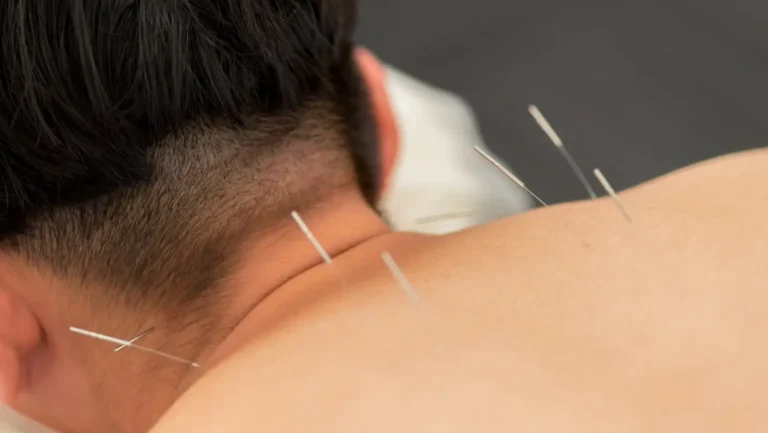
Acupuncture for weight loss TCM uses specific ear and body points to reduce appetite, regulate hormones, and lower stress. A 2018 meta-analysis in Obesity Reviews found acupuncture produced significantly greater weight loss than lifestyle intervention alone.
How Acupuncture Reduces Appetite
Ear acupuncture targets the Hunger and Shen Men points. Stimulating these points increases serotonin and reduces ghrelin (the hunger hormone). The effect lasts several hours after each session.
Hormonal Regulation and Cravings
Acupuncture regulates cortisol, insulin, and leptin. High cortisol drives belly fat storage. Regular sessions, typically twice weekly for 8 to 12 weeks, reduce cortisol levels and improve leptin sensitivity.
Stress Reduction and Fat Loss
The LV3 and PC6 points calm the nervous system. Lower stress means less emotional eating and reduced cortisol-driven fat storage, particularly around the waist.
What to Expect During Sessions
Sessions last 30 to 45 minutes. Needles are thin and most people feel minimal discomfort. Results begin showing at 4 to 6 weeks with consistent treatment.
Chinese Diet Therapy for Weight Loss
Foods That Boost Metabolism
Warming foods like ginger, black pepper, cinnamon, lamb, and leeks increase internal heat and stimulate digestion. These are recommended for people with cold or deficient body types.
Warm vs Cold Foods in TCM
TCM discourages raw and cold foods for people with Spleen deficiency. Cooked vegetables, warm soups, and room-temperature water support digestive energy better than salads and cold smoothies, even if the smoothie is nutritionally rich.
Avoiding Damp-Producing Foods
Dairy, refined sugar, alcohol, and processed wheat are the main culprits. These are the foods most likely to create internal dampness in people already prone to weight gain.
Eating According to Body Constitution
TCM identifies six main constitutions. Someone with Qi deficiency eats differently than someone with Liver Qi stagnation. A practitioner assesses your constitution through pulse diagnosis and tongue inspection before recommending a diet plan.
Lifestyle Changes in TCM for Weight Loss
Daily Routine and Qi Balance
TCM recommends waking with sunrise, eating the largest meal between 7 and 11 AM (when Spleen Qi peaks), and avoiding intense activity after 9 PM.
Sleep and Metabolism Connection
TCM connects poor sleep to Kidney Yin deficiency, which disrupts the hormones that control hunger and fat storage. Seven to eight hours of sleep, consistently before midnight, directly supports weight management.
Stress Management and Emotional Eating
Daily breathwork, journaling, or even 10 minutes of stillness reduces Liver Qi stagnation. This is TCM’s practical answer to stress-driven eating.
Movement Practices
Tai Chi and Qi Gong activate Qi flow without overtaxing the body. They’re particularly effective for people with low energy or adrenal fatigue, where intense exercise creates more stress than benefit.
How TCM Reduces Belly Fat Naturally
Belly fat in TCM is usually a combination of Liver Qi stagnation and Spleen dampness. Traditional Chinese medicine for weight loss addresses belly fat through Pu-erh tea, hawthorn, liver-supporting herbs, acupuncture at the CV12 and ST36 points, and reducing damp-producing foods. This combination targets visceral fat over 8 to 16 weeks of consistent treatment.
Is Traditional Chinese Medicine Safe for Weight Loss?
Traditional Chinese medicine for weight loss is generally safe when prescribed by a licensed TCM practitioner. Self-medicating with herbs carries real risk.
Herbal Safety Considerations
Herbs like licorice root and ginseng have dose-dependent effects. High doses of licorice raise blood pressure. Ginseng can cause insomnia when taken in excess. Dosage and combination matter.
Possible Interactions
Several TCM herbs interact with blood thinners, diabetes medication, and antidepressants. Pu-erh tea affects iron absorption. Always disclose all supplements to your primary care doctor.
Importance of Practitioner Guidance
A licensed TCM practitioner (L.Ac. or DAOM credential in the US) assesses your full health picture before prescribing. Self-diagnosis from online symptom lists leads to wrong herb selection and slower results.
Frequently Asked Questions
How fast does TCM work for weight loss?
Most people see measurable results in 6 to 12 weeks with consistent treatment. Acupuncture twice weekly combined with herbal formulas and dietary changes produces faster results than herbs alone. Traditional Chinese medicine for weight loss is not a 2-week fix.
Is acupuncture effective for fat loss?
Yes. A 2018 meta-analysis in Obesity Reviews found acupuncture reduced BMI and waist circumference significantly more than lifestyle changes alone. Ear acupuncture targeting the Hunger and Shen Men points shows the strongest appetite-suppression evidence.
Which Chinese herb is best for belly fat?
Pu-erh tea and Lotus Leaf (He Ye) are the most researched for belly fat specifically. Pu-erh activates hepatic fat-burning enzymes; Lotus Leaf inhibits fat absorption. In classical formulas, they’re often combined with Hawthorn.
Can TCM improve metabolism?
Yes. Ginseng improves mitochondrial energy production. Cinnamon increases insulin sensitivity. Atractylodes strengthens Spleen Qi, which TCM equates directly to digestive metabolism. Traditional Chinese medicine for weight loss works on metabolic function, not just appetite.
Are there side effects of Chinese herbs?
Yes, when misused. Licorice root raises blood pressure in doses above 100mg glycyrrhizin daily. Raw Aconite (sometimes used in TCM formulas) is toxic if not properly processed. Herbs from unregulated sources carry contamination risk. Source matters.
Can TCM be combined with modern medicine?
Yes, but with caution. Traditional Chinese medicine for weight loss integrates well with lifestyle medicine. It doesn’t replace medications for diabetes, thyroid conditions, or heart disease. Inform both your TCM practitioner and your medical doctor about all treatments simultaneously.
What foods should I avoid in TCM for weight loss?
Dairy, cold beverages, raw salads, refined sugar, alcohol, and wheat-heavy foods are the main dampness-producing offenders. These slow Spleen Qi and increase fluid retention.
Does TCM help with bloating and water retention?
Yes. Fu Ling, Yi Yi Ren, and Chen Pi specifically drain excess fluid and reduce abdominal bloating. Results with these herbs typically appear within 2 to 3 weeks.
Is weight loss permanent with TCM?
Weight loss stays permanent when the constitutional imbalance is fully corrected and dietary habits change long-term. People who treat symptoms without changing diet regain weight. Traditional Chinese medicine for weight loss creates lasting change only when the root cause is fully addressed.