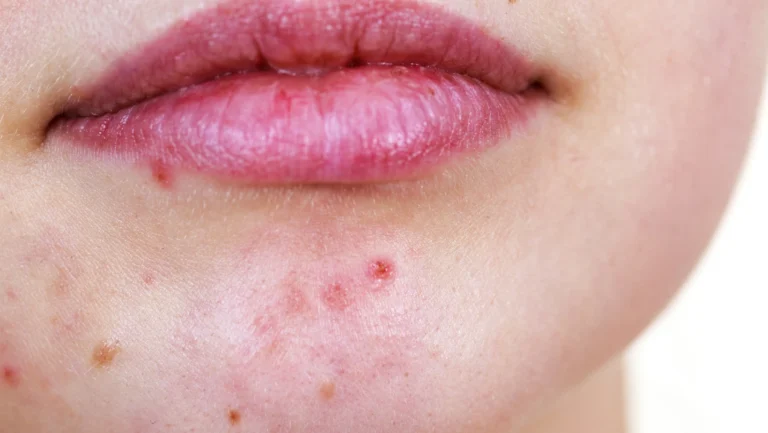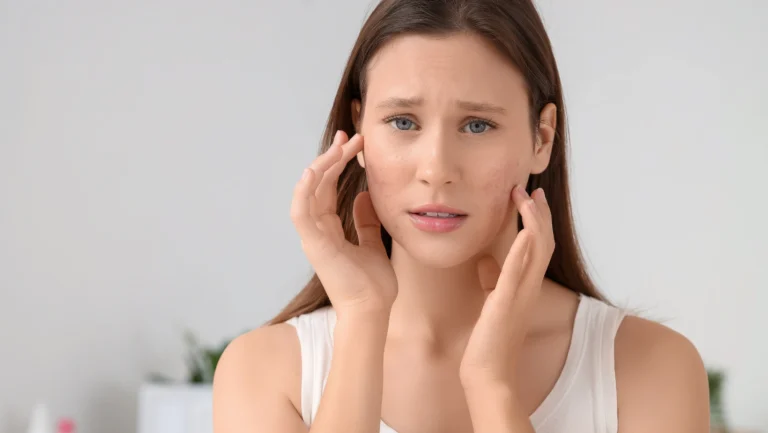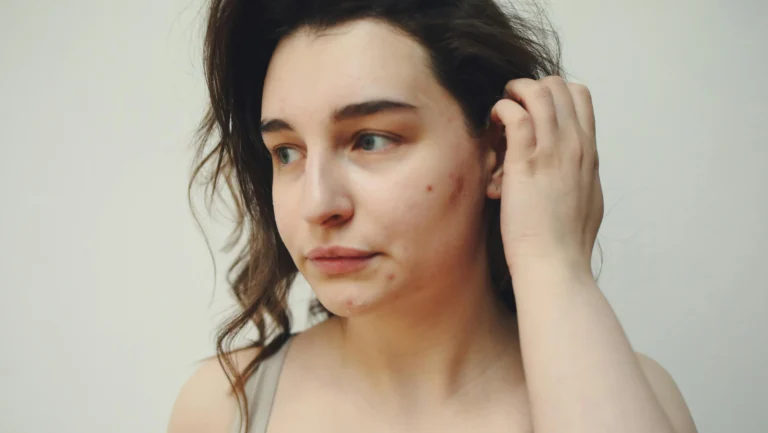

In the USA, types of acne scars are grouped by shape, depth, and whether the skin is indented or raised. The main types of acne scars are ice pick, boxcar, rolling, hypertrophic, and keloid scars. Flat, dark, or red marks are often called scars, but they are usually pigment changes.
The fastest way to identify acne scar types is to check texture first, then depth, then color. That is why different kinds of acne scars need different care, best treatments for acne scar types work only when the diagnosis is right, and inflammation-causing acne scars matter because active deep acne is the main driver of permanent change.
Different Kinds of Acne Scars
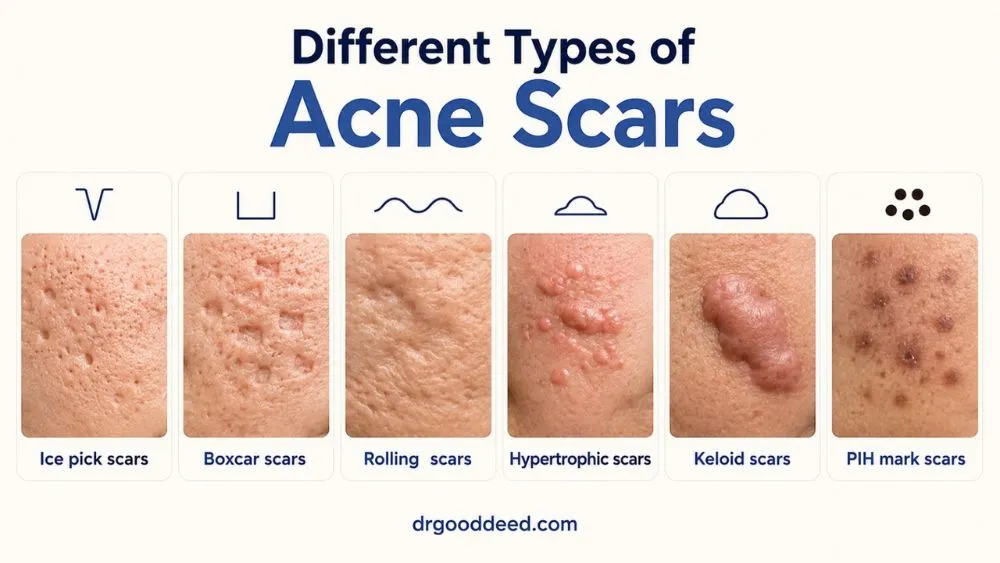
Different kinds of acne scars fall into two groups, depressed scars and raised scars. Depressed scars include icepick, boxcar, and rolling scars. Raised scars include hypertrophic scars and keloids. Flat post-inflammatory hyperpigmentation is not a true scar because the skin stays smooth. That split is the first step to identify acne scar types correctly.
| Type | Look | Key clue | Common clue |
| Ice pick | Tiny deep pit | Narrow opening | Looks punched in |
| Boxcar | Round or oval dip | Sharp edge | Wider than ice pick |
| Rolling | Wavy, uneven skin | Tethered bands | Changes in side light |
| Hypertrophic | Firm raised bump | Stays in scar area | More common on jawline |
| Keloid | Thick raised growth | Grows past spot | Can appear later |
| PIH mark | Flat brown or red spot | Color only | Smooth skin texture |
Atrophic acne scars
Atrophic scars are sunken types of acne scars caused by too little collagen. The skin has a dip because it healed with lost volume. Creams can help the surface look better, but procedures usually do more because the main problem is structure.
Hypertrophic and raised scars
Raised scars happen when the skin makes too much collagen. The AAD notes they are more common in darker skin tones and often show up on the jawline acne, chest, or back. They look different from indented scars, so the treatment path changes fast.
Post-inflammatory hyperpigmentation vs true scars
Post-inflammatory hyperpigmentation is flat, while a true scar changes the skin surface. That difference is useful when identifying acne scar types because color alone does not prove scarring. If the skin feels smooth, the problem is usually pigment, not a pit or bump.
Ice Pick Acne Scars
Ice pick scars are narrow, deep pits. Among the types of acne scars, they are the hardest to hide because the opening is tiny, but the depth is large. They often need a targeted procedure, not just a cream.
Deep narrow scar appearance
The top looks small, but the scar goes down into the skin. That is why the shadow looks strong even when the scar is tiny.
Common locations on the face
They often show up on cheeks, temples, and foreheads acne. These spots are common after deep acne or repeated picking, which also helps to identify acne scar types during a self-check.
Treatment challenges with deep scars
Deep ice pick scars often need punch excision, TCA CROSS, or laser-based treatment. For this reason, best treatments for acne scar types usually begin with a procedure that reaches the scar opening directly.
Boxcar Acne Scars Symptoms
Boxcar acne scars symptoms are round or oval dips with sharp borders. They are wider than ice pick scars but usually less wavy than rolling scars. Depth decides whether a shallow or deeper treatment plan makes sense.
- Round or oval depression
- Sharp, defined edges
- Common on cheeks and temples
- Shallow scars may respond to resurfacing
- Deeper scars often need combination care
Rolling Acne Scars
Rolling scars make skin look wavy. They are broad and shallow, but fibrous bands pull the skin down. Among the different kinds of acne scars, this is the type that often looks worse in side light than straight on.
Wave-like uneven skin texture
The skin can look nearly normal head-on, then show ripples from the side. That lighting trick is a practical way to identify acne scar types.
Fibrous tissue pulling the skin downward
The problem is tethering. Subcision breaks those bands, which is why it is often paired with microneedling or laser. That combination is common in best treatments for acne scar types.
Areas commonly affected
Rolling scars usually affect the cheeks and lower face. They often come in clusters, so the surface looks uneven rather than punched out.
Hypertrophic and Keloid Acne Scars
Raised scars sit above the skin instead of below it. The AAD says hypertrophic scars stay within the acne spot, while keloids can spread beyond it. These scars are less common than depressed scars, but they are often more noticeable by touch.
- Hypertrophic scars are firm and localized
- Keloids are thicker and can spread past the lesion
- They are more common in darker skin tones
- Jawline, chest, shoulders, and back are common sites
- Specialist care may include injections, pressure, or scar revision
How to Identify Acne Scar Types
Types of acne scars become easier to sort when you look at texture, depth, and color together. That is the most practical way to identify acne scar types at home before a dermatologist confirms the pattern. Mixed scars are common, so one face can have more than one form.
Texture and depth differences
Indented scars feel like dips. Raised scars feel firm. Ice pick scars are narrow and deep. Boxcar scars are wider with sharp edges. Rolling scars feel uneven and wavy.
Color changes vs permanent scars
Flat red, brown, or purple marks are usually pigment changes, not true scars. This matters because inflammation-causing acne scars can leave both pigment and texture behind, but they do not fade the same way.
Importance of professional skin evaluation
A dermatologist can map the scar mix and choose the right sequence of treatments. That matters when a person has ice pick scars, rolling scars, and pigment marks at the same time. One product will not fix all three.
Best Treatments for Acne Scar Types
The best treatments for acne scar types depend on scar depth, skin tone, and whether active acne is still present. The AAD and Mayo Clinic both support combination care because one procedure rarely solves every scar pattern.
Laser treatment and resurfacing
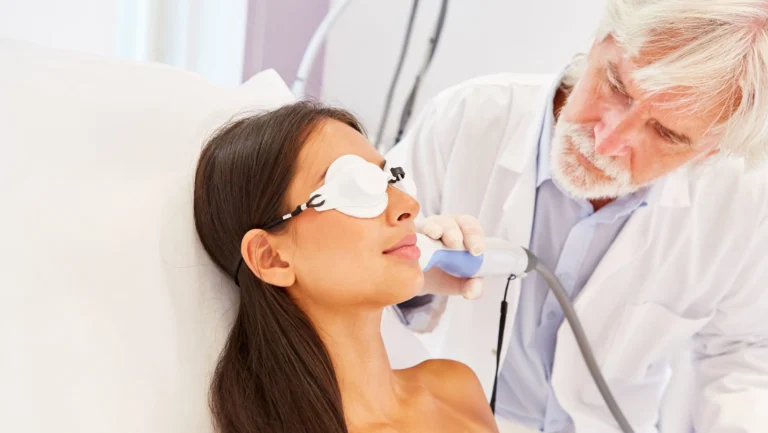
Laser resurfacing helps mild to moderate scars and uneven texture. It remodels damaged skin so smoother skin can form. People with darker skin need careful laser selection because color change risk is real.
Microneedling and collagen stimulation
Microneedling creates tiny controlled injuries that trigger collagen repair. Mayo Clinic describes it as safe and possibly effective, but results are usually subtle and may need repeat sessions. It is useful for shallow atrophic scars and mixed texture problems.
Chemical peels and fillers
Chemical peels remove the top layers of skin and can soften shallow scars or pigment changes. Fillers can lift indented scars, but the effect is temporary. These tools often sit inside the best treatments for acne scar types when the aim is smoother, lighter reflection.
Subcision for rolling scars
Subcision loosens the fibrous bands under rolling scars. That helps the skin lift before laser or microneedling. It is one of the most useful options when the scar pattern includes tethered rolling scars.
How to Prevent Acne Scarring
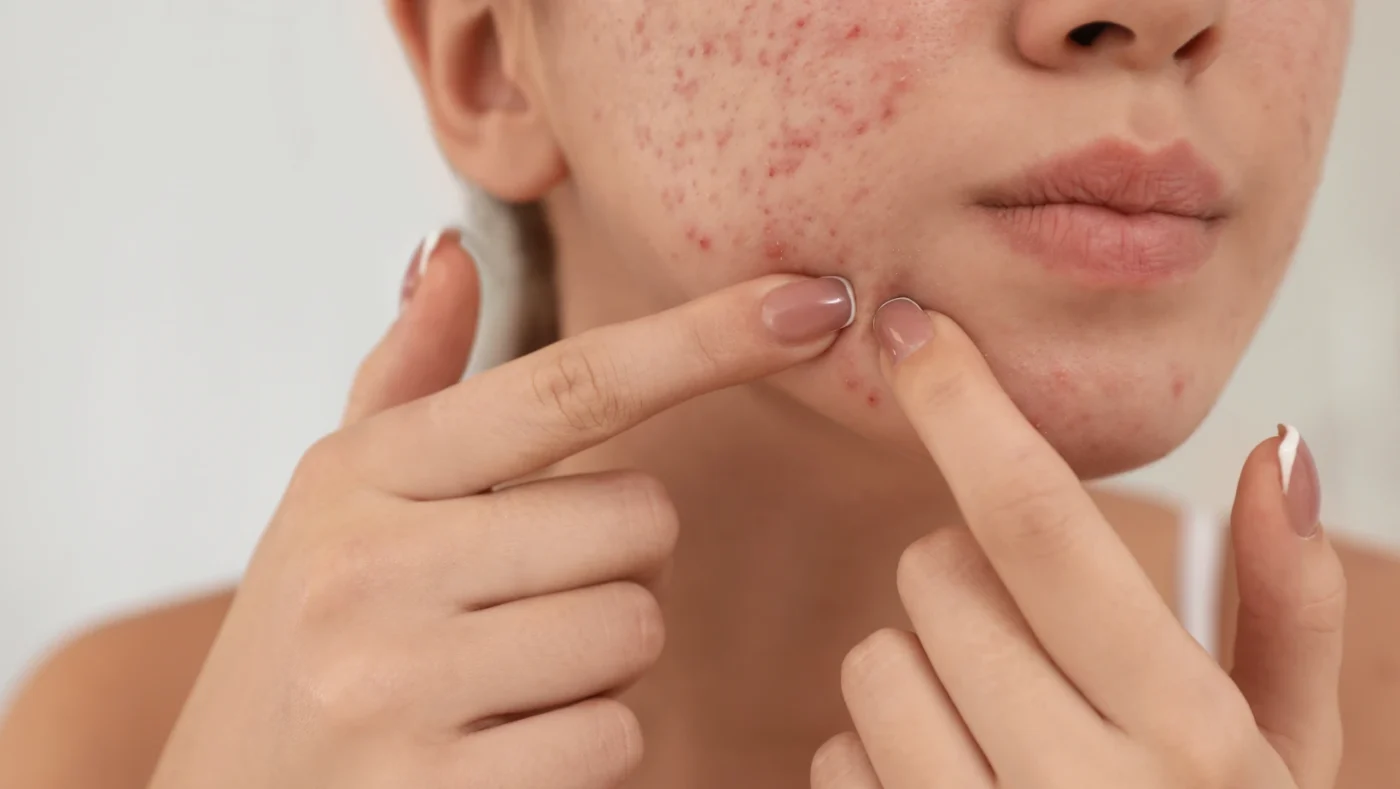
The best prevention is fast acne control. Inflammation-causing acne scars starts when breakouts stay deep, swollen, or repeated. The AAD says picking, popping, scratching, and squeezing increase inflammation and scar risk, so stopping that habit matters more than most people think.
Treating active acne early
Treat active acne before cysts and nodules become the norm. Deep breakouts scar more easily than mild pimples.
Avoiding picking and squeezing pimples
Hands off. Picking damages healing skin and increases infection, pigment changes, and scarring.
Managing inflammation quickly
Use acne treatment consistently so lesions calm down faster. That is the simplest way to lower inflammation-causing acne scars.
Skin Care Habits That May Help Acne Scar Healing
Good skin care does not erase scars, but it can improve how they look. Sunscreen reduces contrast between scarred and unscarred skin, and gentle routines lower irritation while collagen remodeling happens slowly. These habits support every plan for types of acne scars.
Sunscreen and pigmentation protection
Daily sunscreen helps dark marks stand out less. That matters when pigment change sits next to a true scar.
Barrier-friendly skin care routines
Use gentle cleansers and moisturizers. Harsh scrubs and over-exfoliation can make skin more reactive.
Patience during collagen remodeling
Scar improvement takes months. Collagen changes slowly, so results build over time rather than overnight.
Common Mistakes People Make With Acne Scars
A common mistake is treating all scars as one problem. Another is buying brightening products for a deep pit. A third is starting procedures while the acne is still active. Those choices delay results and can make irritation worse.
- Confusing pigment marks with texture scars
- Picking at breakouts
- Skipping sunscreen after treatment
- Expecting one treatment to fix every scar
- Using only creams for deep pits
FAQs
What is the difference between acne marks and acne scars?
Acne marks are flat color changes. Acne scars change texture. That is the cleanest way to identify acne scar types at a glance.
Which acne scar type is hardest to treat?
Ice pick scars are usually the hardest because they are narrow and deep.
Why do boxcar scars look wider than ice pick scars?
Boxcar acne scars symptoms include a broader opening and sharper edges. Ice pick scars are smaller at the surface but deeper below.
Can acne scars improve naturally over time?
Pigment marks often fade. True scars may soften, but they rarely disappear on their own.
How does inflammation increase the risk of permanent acne scars?
More inflammation damages more skin. That is why inflammation-causing acne scars is such an important prevention point.
Which scar types respond best to laser treatment?
Shallow atrophic scars, especially some boxcar and rolling scars, often respond better than very deep ice pick scars.
Can microneedling help improve rolling acne scars?
Yes, especially when paired with subcision for tethered scars.
Why do some people develop raised acne scars instead of depressed scars?
Their skin makes too much collagen during healing. Genetics and skin tone both matter.
How early should active acne be treated to reduce scarring risk?
As early as possible. The longer inflammation lasts, the higher the scar risk.
When should professional treatment be considered for acne scars?
When scars remain after acne clears, when several scar types appear together, or when scarring affects daily life. That is when best treatments for acne scar types usually need a dermatologist.