
The average vaginal depth is 3 to 7 inches (approximately 7 to 17.5 centimeters) when measured from the vaginal opening to the tip of the cervix. At rest, the vaginal canal is typically 3 to 4 inches deep. During sexual arousal, the canal expands to accommodate up to 6 to 7 inches through a process called vaginal tenting. These measurements vary between individuals.
Vaginal size changes based on arousal, hormonal imbalance , age, and reproductive history. Vagina is a flexible muscular tube, not a rigid structure. This guide covers anatomy, size ranges, why changes occur, and what affects vaginal health across different life stages.
Anatomy of the Vaginal Canal
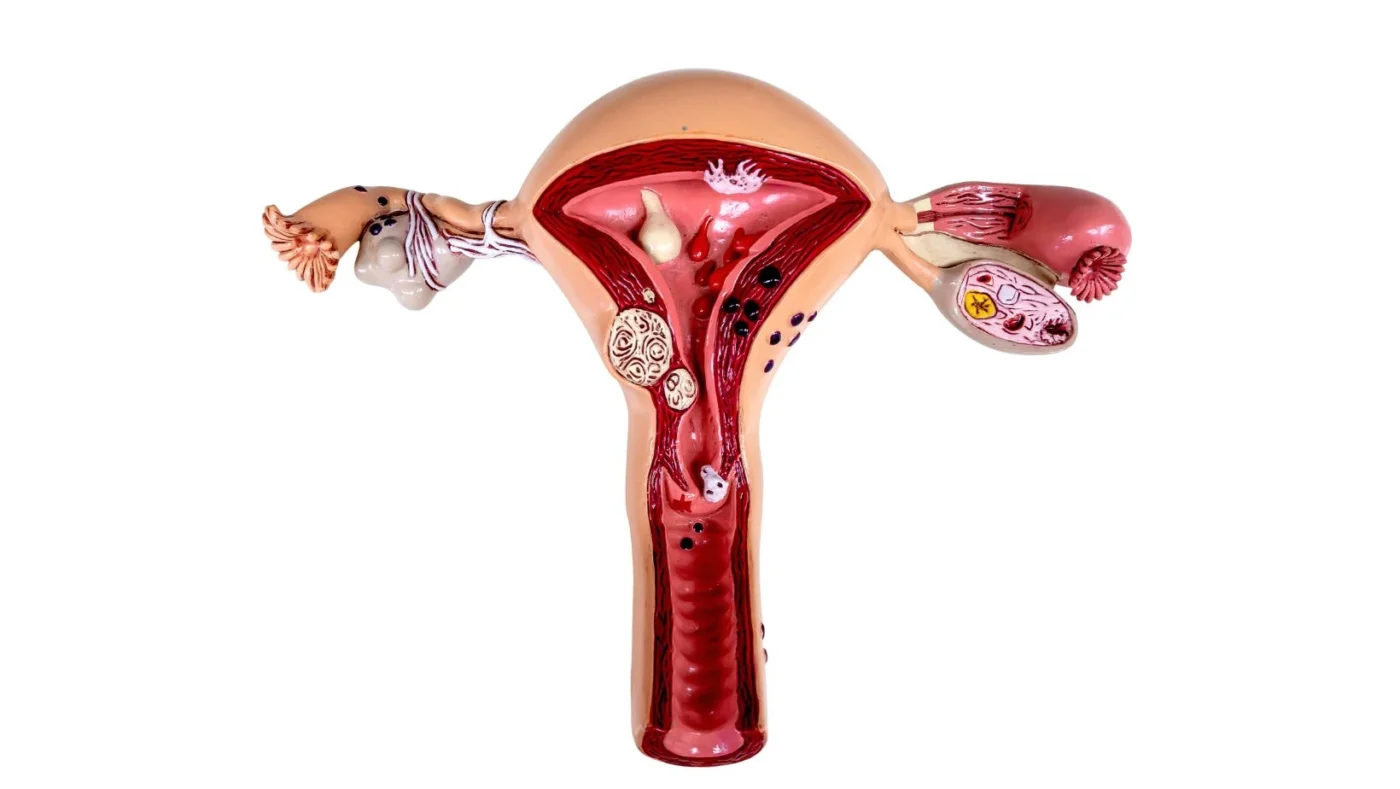
The anatomy of the vaginal canal explains why vaginal depth is variable. The vagina is a muscular, elastic tube that connects the external genitalia (vulva) to the cervix (the lower part of the uterus). It is not a hollow open space at rest. The walls of the vagina touch each other when relaxed, which is why it can accommodate a tampon, a finger, or expand during childbirth.
Structure of the Vaginal Canal
The vaginal canal runs at a slight upward angle from the vaginal opening toward the cervix. It is lined with mucous membranes (moist tissue similar to the inside of the mouth) that produce natural lubrication.
The walls have a ridged surface called rugae (pronounced ROO-gee), which are accordion-like folds that allow the canal to stretch significantly. Without arousal or stimulation, the vaginal walls remain collapsed together.
Vaginal Walls and Elasticity
The vaginal walls consist of smooth muscle (involuntary muscle tissue) and connective tissue that give the canal its flexibility. This muscle layer allows the vagina to expand and then return to its resting size.
The walls are highly vascular, meaning they contain a dense network of blood vessels. During arousal, increased blood flow to this tissue causes the walls to produce lubrication and the canal to lengthen and widen.
Connection Between Cervix and Vagina
The cervix sits at the top end of the vaginal canal. It is a cylindrical structure about 2 to 3 centimeters long that protrudes slightly into the vaginal canal. The space around the cervix where it meets the vaginal walls is called the vaginal fornix (the deepest part of the vaginal canal).
The posterior fornix (back of the cervix) is deeper than the anterior fornix (front), which is why vaginal depth varies slightly depending on the direction of measurement.
How Long Is the Vaginal Canal?
How long the vaginal canal is depends on whether the vagina is at rest or aroused. At rest, most people measure 3 to 4 inches. During arousal, the posterior vaginal wall lengthens by approximately 1 to 2 inches while the cervix retracts upward. This brings the total depth to 5 to 7 inches in most cases. These measurements are averages. Individual anatomy varies considerably.
Average Vaginal Depth Range
Clinical measurements of vaginal length in non-aroused adults typically fall between 2.7 inches (6.8 cm) and 4.7 inches (11.9 cm). A 2015 study published in BJOG: An International Journal of Obstetrics and Gynaecology measured vaginal dimensions in over 100 women and found a mean length of approximately 6.3 cm at rest. Measurements in aroused participants consistently show the canal extending to 6 or more inches for most adults.
Natural Differences Between Individuals
Body size, genetics, hormonal status, age, and reproductive history all affect vaginal dimensions. Taller individuals tend to have longer vaginal canals, but this is not universal.
Vaginal depth is also not directly related to external body measurements in a predictable way. Natural variation between individuals is wide enough that there is no single “normal” depth.
Expansion During Arousal and Childbirth
The vagina expands through two distinct mechanisms. During arousal, vasocongestion (increased blood flow to pelvic tissues) causes the vaginal walls to engorge and the cervix to lift upward, lengthening the canal.
During labor and delivery, the cervix dilates (opens) to 10 centimeters, and the vaginal walls stretch significantly to allow a baby to pass through. The canal returns to close to its pre-birth dimensions over weeks to months postpartum.
Why Vaginal Size Can Change Temporarily
The vaginal canal is not a static structure. Several physical and hormonal changes affect its dimensions and comfort on a temporary basis.
Hormonal Changes Affecting Vaginal Tissue
Estrogen is the hormone most responsible for maintaining vaginal tissue health. When estrogen levels drop, the vaginal walls thin and produce less natural lubrication. This is most common during perimenopause (the period before menopause begins), menopause itself, postpartum recovery (after childbirth), and during breastfeeding.
Low estrogen causes the walls to become less elastic and the resting depth to feel shorter or tighter. This condition is called vaginal atrophy (medically termed genitourinary syndrome of menopause, or GSM).
Sexual Arousal and Increased Flexibility
During sexual arousal, the vaginal canal lengthens and widens through a process called vaginal tenting. The uterus lifts upward, the cervix retracts, and the posterior fornix deepens. Blood engorgement increases tissue flexibility.
All of these changes prepare the canal for comfortable accommodation. Without arousal, the vagina is at its resting size, which explains why penetration without adequate arousal often causes discomfort.
Pregnancy and Childbirth Adaptations
During pregnancy, increased blood flow to the pelvic region and elevated progesterone and relaxin levels cause the vaginal walls to soften and become more elastic. These changes begin in the first trimester.
After vaginal delivery, the canal may feel wider initially. Pelvic floor muscle reconditioning and natural tissue recovery restore much of the pre-birth tone within six to twelve weeks for most people.
Discomfort With Tampon Insertion Depth
Discomfort with tampon insertion depth is one of the most common reasons people search for information about vaginal anatomy. Most tampon discomfort is not caused by the vagina being too shallow or too narrow. It is usually caused by insertion angle, insufficient lubrication, using the wrong applicator size, or muscle tension.
Incorrect Tampon Angle or Placement
The vaginal canal angles slightly toward the lower back, not straight up. Inserting a tampon straight upward instead of angling it toward the tailbone is the most common reason for discomfort. A correctly placed tampon sits inside the vaginal canal about an inch past the vaginal opening and is not felt at all when properly positioned. If you can feel the tampon, it is not inserted far enough.
Vaginal Dryness and Irritation
Discomfort with tampon insertion depth is frequently caused by low lubrication, not by size incompatibility. Hormonal fluctuations during certain phases of the menstrual cycle can reduce natural moisture.
Using an absorbency higher than needed draws moisture from the vaginal walls and causes friction. For lighter flow days, using a lower-absorbency tampon reduces dryness-related discomfort during insertion and removal.
Choosing the Correct Tampon Size
Tampon absorbency should match your flow, not your vaginal size. Using regular or super absorbency on a light-flow day causes more friction and dryness. Slim or mini tampons are easier to insert for beginners.
If discomfort persists regardless of technique or tampon size, it is worth discussing with a healthcare provider to rule out conditions like vaginismus (involuntary pelvic muscle tightening) or vaginal atrophy.
What Can Cause Vaginal Discomfort?
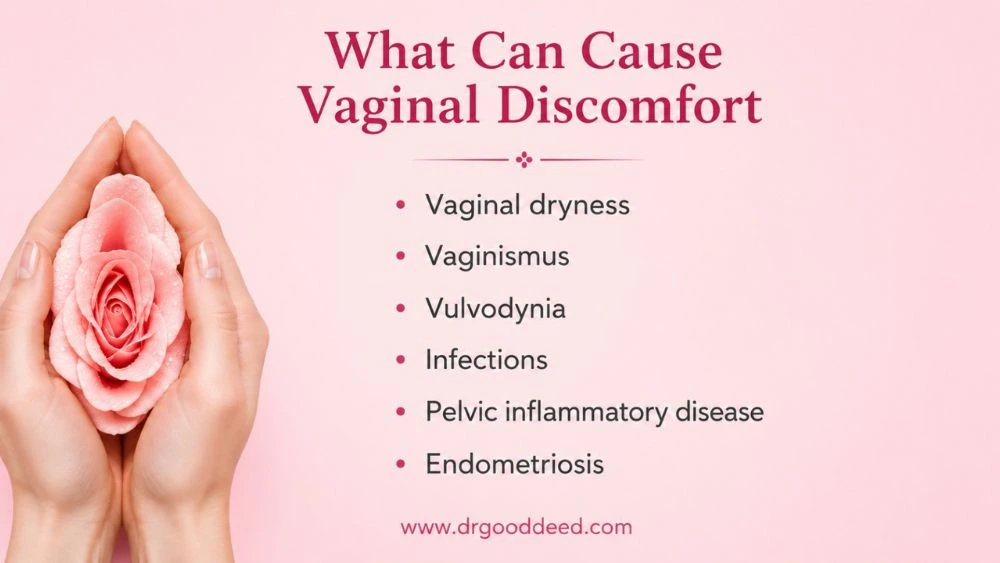
Vaginal discomfort is common and has multiple causes. Most are treatable. Understanding the specific cause is important before attempting self-treatment.
Common causes of vaginal discomfort and their mechanisms:
- Vaginal dryness: caused by low estrogen (menopause, breastfeeding, hormonal contraceptives), dehydration, or certain antihistamines. Results in painful friction during any vaginal contact.
- Vaginismus: involuntary contraction of the pelvic floor muscles that makes insertion painful or impossible. Often has a psychological or trauma-related component.
- Vulvodynia: chronic pain or burning at the vaginal opening with no visible cause. A nerve-related condition that affects roughly 16% of people with vaginas in their lifetime.
- Infections: bacterial vaginosis, yeast infections, and sexually transmitted infections (STIs) cause inflammation, discharge, and pain.
- Pelvic inflammatory disease (PID): infection of the uterus and fallopian tubes. Causes deep internal pelvic pain.
- Endometriosis: tissue similar to the uterine lining grows outside the uterus. Causes deep pain, particularly during menstruation or penetration.
Any persistent vaginal pain lasting more than two weeks without an obvious cause warrants a clinical evaluation.
Pelvic Floor Exercises for Vaginal Health
Pelvic floor exercises for vaginal health strengthen the muscles that surround and support the vaginal canal, uterus, bladder, and rectum. The pelvic floor is a hammock-shaped group of muscles and ligaments at the base of the pelvis. Both weak and overly tight pelvic floor muscles cause vaginal health issues.
Strengthening Pelvic Floor Muscles
Kegel exercises are the most common method for strengthening the pelvic floor. To perform a Kegel, contract the muscles you would use to stop urinating midstream. Hold for three to five seconds, then release fully.
Start with ten repetitions three times per day. Consistent Kegel practice improves urinary control, supports vaginal muscle tone, and may reduce discomfort during penetration caused by muscle weakness.
Supporting Bladder and Vaginal Function
Strong pelvic floor muscles reduce urinary leakage (called stress urinary incontinence), support pelvic organ prolapse prevention, and contribute to vaginal comfort during activity and sex.
Pelvic floor exercises for vaginal health also improve blood flow to the pelvic tissues, which supports natural lubrication and tissue health. People who are postpartum especially benefit, as delivery stretches and sometimes partially tears these muscles.
Relaxation Techniques for Muscle Tension
Overly tight pelvic floor muscles cause just as many problems as weak ones. Hypertonic (too tight) pelvic floor muscles contribute to vaginismus, painful penetration, and chronic pelvic pain.
Diaphragmatic breathing (slow, deep belly breathing) and pelvic floor drops (consciously releasing and lengthening the pelvic floor on each exhale) help reduce hypertonic tension. A pelvic floor physical therapist can assess whether your pelvic floor needs strengthening or relaxation.
How Hormones Affect Vaginal Tissue
Hormonal changes affecting vaginal tissue are one of the most clinically significant factors in vaginal health across a person’s lifetime. Estrogen, progesterone, and testosterone all play roles in maintaining the thickness, elasticity, and lubrication of the vaginal walls.
Key hormonal effects on vaginal tissue:
- Estrogen maintains the thickness and rugae of the vaginal walls. Low estrogen thins the walls, reduces lubrication, and decreases elasticity. This is the primary mechanism behind menopausal vaginal dryness and atrophy.
- Progesterone fluctuations during the menstrual cycle cause subtle changes in vaginal discharge consistency and tissue sensitivity.
- Testosterone contributes to tissue maintenance and plays a role in pelvic blood flow, though its vaginal-specific effects are less extensively studied than estrogen’s.
- Postpartum hormonal shifts sharply drop estrogen for weeks to months, which is why many people experience vaginal dryness during breastfeeding even at a young age.
- Hormonal contraceptives (especially low-dose combination pills or progestin-only methods) reduce estrogen activity and sometimes cause vaginal dryness or decreased lubrication as a side effect.
Hormonal changes affecting vaginal tissue are reversible in most cases. Topical estrogen therapy (prescribed as a cream, ring, or suppository) is a clinically effective treatment for atrophy-related dryness that does not carry the same systemic risks as oral hormone therapy.
Vaginal Health and Everyday Care
The vagina is a self-cleaning organ. It maintains its own pH (acid level) through naturally occurring bacteria called Lactobacillus (lactobacillus species that keep the vaginal environment acidic and resistant to infection). Most external vaginal care focuses on the vulva (external genitalia), not the internal canal itself.
Gentle Hygiene Practices
Wash the vulva (external area only) with warm water and, if needed, an unscented, pH-balanced cleanser. Do not insert soap, douches, or scented products into the vaginal canal. Douching (rinsing the inside of the vagina with water or solutions) disrupts the natural bacterial balance and significantly increases the risk of bacterial vaginosis and yeast infections.
Avoiding Harsh Scented Products
Scented tampons, scented pads, and scented washes introduce chemicals that disrupt the vaginal pH and irritate the mucous membrane lining. Fragrance compounds in these products are among the most common causes of vulvovaginal contact dermatitis (allergic skin irritation). Unscented products are always safer for vaginal and vulvar tissue.
Hydration and Sexual Wellness Support
General hydration supports mucous membrane health throughout the body, including the vaginal canal. Drinking adequate water (at least eight cups daily) helps maintain natural vaginal lubrication. Water-based lubricants are safe for internal use and do not disrupt vaginal pH. Silicone-based lubricants last longer and are also pH-safe. Oil-based lubricants should be avoided if using latex condoms, as they degrade latex.
FAQs
What Is the Average Depth of the Vaginal Canal?
The average is 3 to 4 inches (7.6 to 10 cm) when unaroused. During sexual arousal, vaginal tenting extends the depth to 5 to 7 inches (12.7 to 17.8 cm) for most adults. These are population averages. Natural individual variation is significant enough that no specific number applies to every person.
Can the Vagina Expand During Arousal or Childbirth?
Yes. During arousal, vasocongestion causes the vaginal walls to engorge and the uterus to lift, extending the canal by 1 to 2 inches. During labor, the cervix dilates to 10 centimeters and the vaginal walls stretch enough to allow an infant to pass through. The canal returns to near its pre-birth dimensions within six to twelve weeks postpartum for most people.
Why Can Tampon Insertion Sometimes Feel Uncomfortable?
Discomfort with tampon insertion depth is almost always caused by incorrect angle, insufficient lubrication, or too-high absorbency for your flow level. The vaginal canal angles toward the tailbone, not straight up. Inserting at the wrong angle causes friction against the vaginal walls. A correctly placed tampon in the right absorbency for your flow is not felt once inserted.
Do Hormonal Changes Affect Vaginal Elasticity and Moisture?
Yes. Hormonal changes affecting vaginal tissue reduce elasticity and lubrication primarily when estrogen drops. This happens during menopause, postpartum depression recovery, breastfeeding, and with certain hormonal contraceptives. Topical estrogen therapy reverses atrophy-related dryness effectively. Vaginal moisturizers (non-hormonal, used regularly) and water-based lubricants manage symptoms without hormones.
Can Pelvic Floor Exercises Improve Vaginal Comfort and Health?
Yes. Pelvic floor exercises for vaginal health improve muscle tone, increase pelvic blood flow, and support natural lubrication over time. Kegel exercises reduce urinary leakage and improve vaginal muscle support. For overly tight pelvic floors, relaxation techniques and pelvic floor physical therapy reduce pain during insertion and penetration. Results from consistent Kegel practice typically appear within four to six weeks.
Is Vaginal Size Different Between Individuals Naturally?
Yes. How deep a vagina is varies between individuals, the same way any other body structure does. Genetics, body height, hormonal history, and reproductive history all contribute. Clinical measurements show a range from roughly 2.7 to 7 inches between individuals. No single depth is “correct,” and smaller or larger dimensions do not indicate any health problem.
Why Does Vaginal Dryness Happen During Certain Life Stages?
Vaginal dryness happens when estrogen levels drop. The most common causes are menopause, breastfeeding, postpartum recovery, and low-estrogen hormonal contraceptives. Estrogen maintains the thickness and lubrication capacity of vaginal walls. When it drops, the walls thin and produce less moisture. Antihistamines, antidepressants, and some blood pressure medications also reduce vaginal lubrication as a side effect.
Can Stress or Muscle Tension Affect Vaginal Discomfort?
Yes. Psychological stress triggers pelvic floor muscle tension in many people. Chronic tension in the pelvic floor causes vaginismus (involuntary muscle tightening), painful penetration, and difficulty with tampon insertion. The pelvic floor responds to the nervous system the same way shoulder muscles do. Diaphragmatic breathing, mindfulness techniques, and pelvic floor physical therapy all reduce stress-related muscle tension.
What Hygiene Habits Are Safest for Vaginal Health?
The safest vaginal hygiene habits are: wash only the external vulva with warm water, use unscented pH-balanced products if a cleanser is needed, avoid douching entirely, use unscented menstrual products, and wear breathable cotton underwear. The internal vaginal canal is self-cleaning through natural discharge and Lactobacillus bacteria. Inserting any cleaning product disrupts the natural bacterial balance.
When Should Vaginal Pain or Unusual Symptoms Be Medically Evaluated?
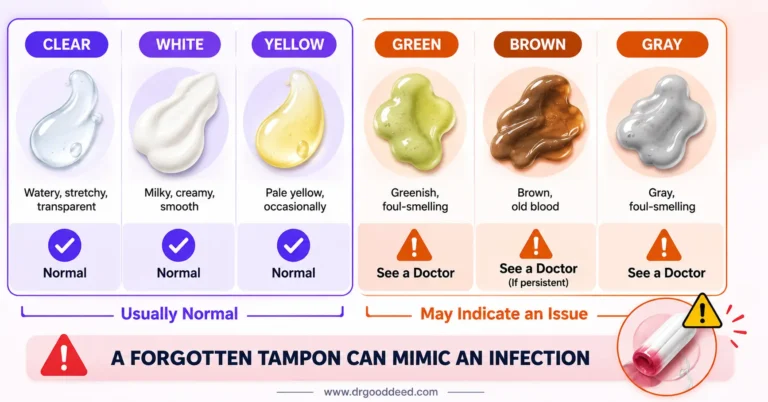
See a healthcare provider if you experience: pain lasting more than two weeks, unusual discharge (green, gray, or thick with odor), bleeding outside your normal menstrual cycle, severe discomfort during daily activities or tampon use, or a noticeable change in vaginal tissue texture.