
ce antifungal treatment for an active infection. Yeast infections, medically called vulvovaginal candidiasis (VVC), affect approximately 75% of people with vaginas at least once in their lifetime. The cause is an overgrowth of Candida albicans fungus, which normally lives in the vagina in small, harmless amounts.
Home remedies for yeast infections work best as supportive care alongside proven antifungal treatments, or as prevention strategies between infections. Trying to treat an active, confirmed yeast infection with home remedies alone carries the risk of allowing symptoms to worsen or masking a different condition like bacterial vaginosis.
What Is a Yeast Infection?
A yeast infection occurs when Candida fungus multiplies beyond normal levels inside the vagina, disrupting the natural bacterial balance. Candida albicans is responsible for about 85 to 90% of cases.
The vagina maintains a naturally acidic pH (3.8 to 4.5) that keeps Candida in check through Lactobacillus bacteria (beneficial acid-producing bacteria). When that balance breaks down, Candida overgrows.
Overgrowth of Candida Fungus
Candida overgrowth happens when something disrupts the vaginal ecosystem. Antibiotics, hormonal imbalance, high blood sugar, and immune suppression all reduce the number or effectiveness of Lactobacillus bacteria. Without enough Lactobacillus, the vaginal pH rises (becomes less acidic), and Candida multiplies rapidly. The fungus then attaches to vaginal wall cells and produces the symptoms associated with infection.
Common Vaginal Yeast Infection Symptoms
The most recognizable yeast infection symptoms include:
- Thick, white, cottage cheese-like discharge with no strong odor
- Intense itching and irritation around the vaginal opening (vulva)
- Redness and swelling of the vulva
- Burning sensation during urination when urine contacts irritated tissue
- Soreness or pain during sexual activity
Itching and Burning Yeast Infection Signs
Itching and burning yeast infection symptoms happen because Candida overgrowth causes inflammation in the vaginal mucosa (the moist tissue lining the vagina). The fungus produces metabolic byproducts that irritate the tissue directly. This is why symptoms appear before a full infection establishes. Itching is typically localized to the vulva and vaginal opening, not deep inside the canal.
Why Yeast Infections Happen
Yeast infections develop when the vaginal microbiome (community of bacteria and fungi) loses balance. Several conditions consistently cause this disruption in the US adult population.
Common yeast infection triggers:
- Antibiotics: the most common cause. Broad-spectrum antibiotics (like amoxicillin, doxycycline, and clindamycin) kill Lactobacillus along with the targeted bacteria, allowing Candida to fill the gap. Antibiotics causing yeast infections affects roughly 30% of people who take a course of broad-spectrum antibiotics.
- Hormonal changes: elevated estrogen (from pregnancy or estrogen-containing contraceptives) promotes Candida growth. Low estrogen during menopause reduces Lactobacillus activity and makes infections more likely.
- High blood sugar: Candida feeds on glucose. Poorly controlled diabetes creates a high-sugar vaginal environment that actively supports fungal growth.
- Immune suppression: HIV, chemotherapy, or immunosuppressant medications reduce the immune response that normally keeps Candida in check.
- Scented hygiene products and douching: these disrupt vaginal pH and eliminate protective bacteria.
- Tight synthetic underwear: traps heat and moisture, creating a warm, damp environment where yeast thrives.
Natural Remedies for Yeast Infection Relief
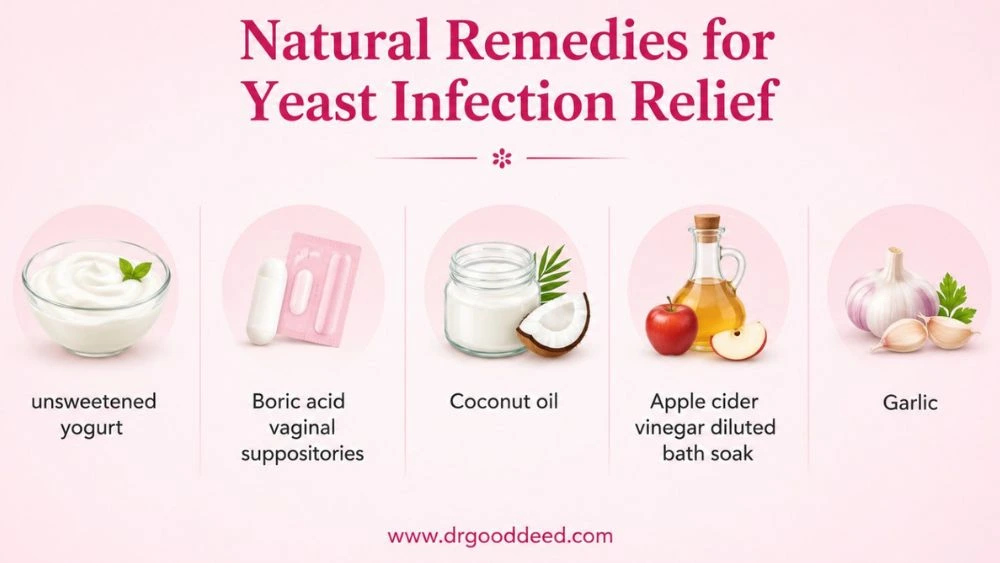
Natural remedies for yeast infection relief offer supportive symptom management, but the clinical evidence for most is limited. None of the options below replace antifungal medication for an active infection. They are most useful for mild discomfort while awaiting a diagnosis, or during prevention.
Home remedies for yeast infections with the strongest evidence base include:
- Plain, unsweetened yogurt with live cultures: Yogurt containing Lactobacillus acidophilus may help restore vaginal bacterial balance. Applied externally to the vulva, it can reduce surface irritation. Do not insert yogurt internally without medical guidance, as the sugar content in flavored varieties feeds yeast.
- Boric acid vaginal suppositories: 600 mg inserted vaginally once daily for 14 days is a clinically supported option for non-albicans Candida species (Candida glabrata, Candida krusei) that do not respond to standard azole antifungals. Boric acid is not a home remedy in the conventional sense; it requires careful use and is toxic if swallowed. Do not use during pregnancy.
- Coconut oil (external use only): contains caprylic acid, which has demonstrated antifungal properties against Candida in laboratory studies. Apply externally to the vulva for surface irritation relief. Evidence in clinical settings is limited.
- Apple cider vinegar diluted bath soak: adding half a cup of raw apple cider vinegar to a lukewarm bath may provide temporary external relief. Never apply undiluted ACV directly to vaginal tissue. It can cause chemical burns on mucous membranes.
- Garlic (oral consumption): contains allicin, a compound with antifungal properties. Eating garlic regularly may offer mild systemic antifungal support. Do not insert garlic vaginally. It causes mucosal irritation and introduces bacteria.
Probiotics for Yeast Infection Prevention
Probiotics for yeast infection prevention work by restoring and maintaining the Lactobacillus-dominant environment that keeps Candida in check. The most clinically studied strains for vaginal health are Lactobacillus rhamnosus GR-1 and Lactobacillus reuteri RC-14. Oral supplementation with these specific strains has shown measurable benefit in reducing recurrence rates in clinical trials.
Probiotic sources that support vaginal health:
- Oral probiotic supplements: look for products that specifically list Lactobacillus rhamnosus GR-1 and Lactobacillus reuteri RC-14 on the label, as not all probiotic supplements contain vaginal-relevant strains
- Plain unsweetened yogurt: contains Lactobacillus acidophilus and other beneficial strains; useful as a regular dietary inclusion
- Kefir: a fermented milk drink with a broader range of Lactobacillus strains than yogurt
- Fermented foods: kimchi, sauerkraut, and miso support general gut microbiome diversity, which influences systemic immune function
Limits of Probiotics for Active Infections
Probiotics for yeast infection prevention are more effective between infections than during an active one. An established Candida overgrowth requires antifungal medication to clear. Probiotics do not produce antifungal compounds strong enough to reverse an active infection within a clinically relevant time frame. Use probiotics as a prevention tool alongside antifungal treatment, not as a substitute for it.
Home Care Tips for Itching and Burning
Itching and burning yeast infection symptoms are the most distressing part of the experience. These home comfort measures reduce surface irritation while you wait for antifungal treatment to work or for a medical appointment.
Avoiding Scratching and Irritation
Scratching the vulva breaks the skin surface, introduces bacteria, and makes healing slower. Cold compresses (a clean cloth with ice wrapped inside) applied externally for five to ten minutes reduce inflammation and numb surface irritation without causing tissue damage. Over-the-counter 1% hydrocortisone cream applied externally reduces itching temporarily, but do not use it inside the vaginal canal.
Lukewarm Baths for Comfort
Lukewarm (not hot) baths with colloidal oatmeal (finely ground oatmeal dissolved in water) soothe inflamed vulvar itching. Hot water increases blood flow to already-irritated tissue and worsens itching. Avoid adding soap, bubble bath, or bath salts to the water. Pat the vulvar area dry gently after bathing rather than rubbing.
Staying Hydrated and Maintaining Hygiene
Drinking at least eight cups of water daily helps flush urinary tract tissues and supports overall mucosal health. Use only unscented, pH-balanced external cleansers on the vulva. Rinse front to back after bowel movements to prevent introducing rectal bacteria toward the vaginal opening. Change out of wet swimwear or sweaty workout clothing as soon as possible.
Foods and Habits That May Help Prevent Yeast Infections
Diet and daily habits play a real role in preventing Candida overgrowth. Home remedies for yeast infections that focus on diet work best as long-term prevention, not quick fixes during an active infection. Candida feeds on sugar, so consistently high sugar intake provides the fuel for recurring infections.
Foods and habits that reduce yeast infection risk:
- Reduce refined sugar intake: white sugar, white flour, sweetened drinks, and candy all raise blood glucose and create favorable conditions for Candida
- Eat more prebiotic foods: garlic, onions, leeks, asparagus, and bananas feed beneficial gut bacteria that compete with Candida throughout the digestive system
- Include fermented foods regularly: plain yogurt, kefir, and kimchi maintain a Lactobacillus-favorable gut environment
- Wear breathable cotton underwear: cotton absorbs moisture and allows airflow, keeping the vulvar area dryer
- Sleep without underwear occasionally: reduces moisture buildup in the vulvar area overnight
- Change out of gym clothes immediately after workouts: moist synthetic fabrics are one of the most overlooked contributors to recurrent yeast infections
- Take probiotics during and after antibiotic courses: starting probiotics for yeast infection prevention on the first day of antibiotics reduces the risk of antibiotics causing yeast infections
Things That Can Make Yeast Infections Worse
Several common hygiene habits and products actively worsen yeast infections or prevent healing. Avoiding these is just as important as knowing which home remedies for yeast infections to try.
Tight Synthetic Clothing
Tight synthetic underwear, leggings, and shapewear trap heat and moisture against the vulva. That warm, moist environment is exactly what Candida thrives in. Switching to loose-fitting cotton underwear and breathable clothing during an active infection speeds up recovery and prevents spread.
Douching and Fragranced Hygiene Products
Douching (rinsing the inside of the vagina with water or solutions) destroys Lactobacillus bacteria and raises vaginal pH. This is one of the most counterproductive things someone can do during or after a yeast infection.
Scented tampons, pads, sprays, and soaps introduce chemicals that irritate the mucosal lining and further disrupt pH balance. None of these products belong inside the vaginal canal.
Delaying Treatment for Persistent Symptoms
Waiting more than 48 to 72 hours after symptoms appear without starting antifungal treatment or seeking diagnosis allows Candida to establish more deeply in vaginal tissue.
Mild infections can progress to moderate or severe ones with more intense inflammation, skin cracking, and deeper tissue involvement. If OTC antifungal creams or suppositories (clotrimazole, miconazole) do not reduce symptoms within three days, see a healthcare provider.
Recurring Yeast Infection Symptoms
Recurring yeast infection symptoms are defined medically as four or more confirmed yeast infections within a twelve-month period. This condition is called recurrent vulvovaginal candidiasis (RVVC) and affects approximately 5 to 8% of people with vaginas in the United States.
Recurring yeast infection symptoms that keep returning despite treatment suggest either an underlying cause, a non-albicans Candida species, or antifungal resistance.
Warning signs that suggest recurrent infection requires medical evaluation:
- Symptoms return within two to four weeks of completing treatment
- OTC antifungal products stop working after one or two uses
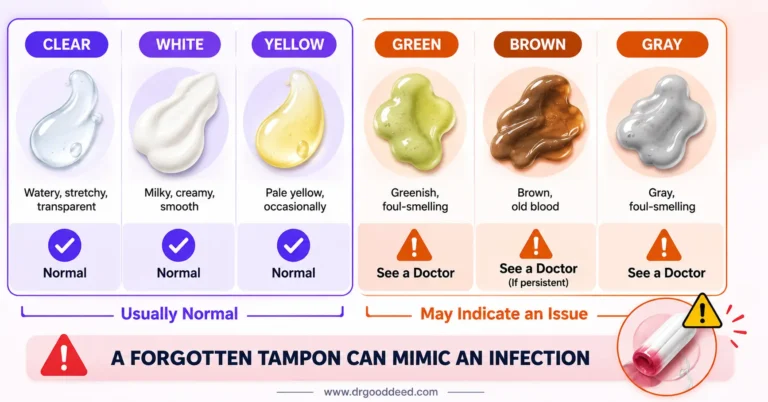
- Discharge changes in color, smell, or consistency
- Pelvic pain or fever accompanies vaginal symptoms
- Symptoms worsen despite home remedies for yeast infections and OTC treatment
Recurring yeast infection symptoms in the context of RVVC often require six-month suppressive antifungal therapy (fluconazole 150 mg weekly for six months) prescribed by a physician. Boric acid suppositories are also used for non-albicans species that do not respond to fluconazole.
FAQs
What Are the Most Common Symptoms of a Yeast Infection?
The four main symptoms are thick white cottage cheese-like discharge, intense vulvar itching, redness and swelling around the vaginal opening, and burning during urination. Itching and burning yeast infection symptoms appear because Candida fungal byproducts inflame the vaginal mucosa directly. Symptoms typically intensify in the week before menstruation, when estrogen levels peak.
Can Antibiotics Increase the Risk of Yeast Infections?
Yes. Antibiotics causing yeast infections happens because broad-spectrum antibiotics (amoxicillin, clindamycin, doxycycline) kill Lactobacillus alongside the targeted bacteria. Without Lactobacillus, vaginal pH rises above 4.5, creating conditions where Candida multiplies rapidly. Starting probiotics for yeast infection prevention on the first day of an antibiotic course reduces this risk measurably.
How Do Probiotics Support Vaginal Health Balance?
Probiotics for yeast infection prevention work by repopulating Lactobacillus bacteria that keep vaginal pH acidic (3.8 to 4.5), which suppresses Candida overgrowth. The most effective strains are Lactobacillus rhamnosus GR-1 and Lactobacillus reuteri RC-14. Regular use reduces recurrence risk. They do not treat an active infection but lower the chance of another one developing.
Which Home Remedies May Help Reduce Itching and Irritation Safely?
Home remedies for yeast infections that safely reduce external itching include: cold compresses held externally for five to ten minutes, lukewarm colloidal oatmeal baths, external application of plain unsweetened yogurt, and diluted apple cider vinegar sitz baths. Do not insert any of these vaginally. For internal antifungal action, OTC clotrimazole or miconazole suppositories are clinically appropriate.
Can Sugar Intake Affect Yeast Infection Risk?
Yes. Candida albicans feeds on glucose. High refined sugar consumption raises blood glucose levels, creating a favorable environment for yeast growth both systemically and in vaginal secretions. People with poorly controlled type 2 diabetes or prediabetes have significantly higher rates of recurrent yeast infections. Reducing sugar intake is one of the most effective dietary home remedies for yeast infections as a prevention strategy.
Why Do Some Yeast Infections Keep Coming Back Repeatedly?
Recurring yeast infection symptoms happen for four main reasons: untreated underlying diabetes or immune suppression, a non-albicans Candida species (like Candida glabrata) resistant to standard azole antifungals, incomplete antifungal treatment that leaves a small Candida population behind, or consistent reexposure through triggers like antibiotic use or synthetic tight clothing. A six-month fluconazole suppression protocol is the standard medical approach for RVVC.
Are Scented Soaps and Sprays Harmful for Vaginal Health?
Yes. Scented soaps, vaginal sprays, and scented tampons raise vaginal pH and disrupt Lactobacillus populations. This directly enables Candida overgrowth. Fragrance compounds also cause vulvovaginal contact dermatitis (chemical irritation of the tissue), which mimics yeast infection symptoms and delays correct diagnosis. Only unscented, pH-balanced products belong near the vulvar area.
How Can Yeast Infections Be Distinguished From Bacterial Vaginosis?
Yeast infection discharge is thick, white, and odorless, resembling cottage cheese. Bacterial vaginosis (BV) produces thin, grayish-white discharge with a distinct fishy odor that worsens after sex. Yeast infections cause intense itching. BV rarely causes itching. The two require different treatments: antifungals for yeast, antibiotics (metronidazole or clindamycin) for BV. Self-diagnosing without testing misses BV about 50% of the time.
When Should a Yeast Infection Be Treated by a Doctor Instead of Home Remedies?
See a doctor if: symptoms do not improve within three days of OTC antifungal treatment, symptoms return within two months of clearing, you are pregnant, you have diabetes or a weakened immune system, or discharge has an unusual odor (which suggests BV instead of yeast). Home remedies for yeast infections are not appropriate as the primary treatment for moderate to severe or recurrent infections.
What Hygiene Habits May Help Reduce Future Infection Risk?
The most effective habits are: wearing cotton underwear, changing out of sweaty clothing immediately, wiping front to back after using the toilet, avoiding douching and scented products, taking probiotics during antibiotic courses, and reducing refined sugar intake. Natural remedies for yeast infection relief and prevention work best when built into consistent daily hygiene rather than used only during infections.