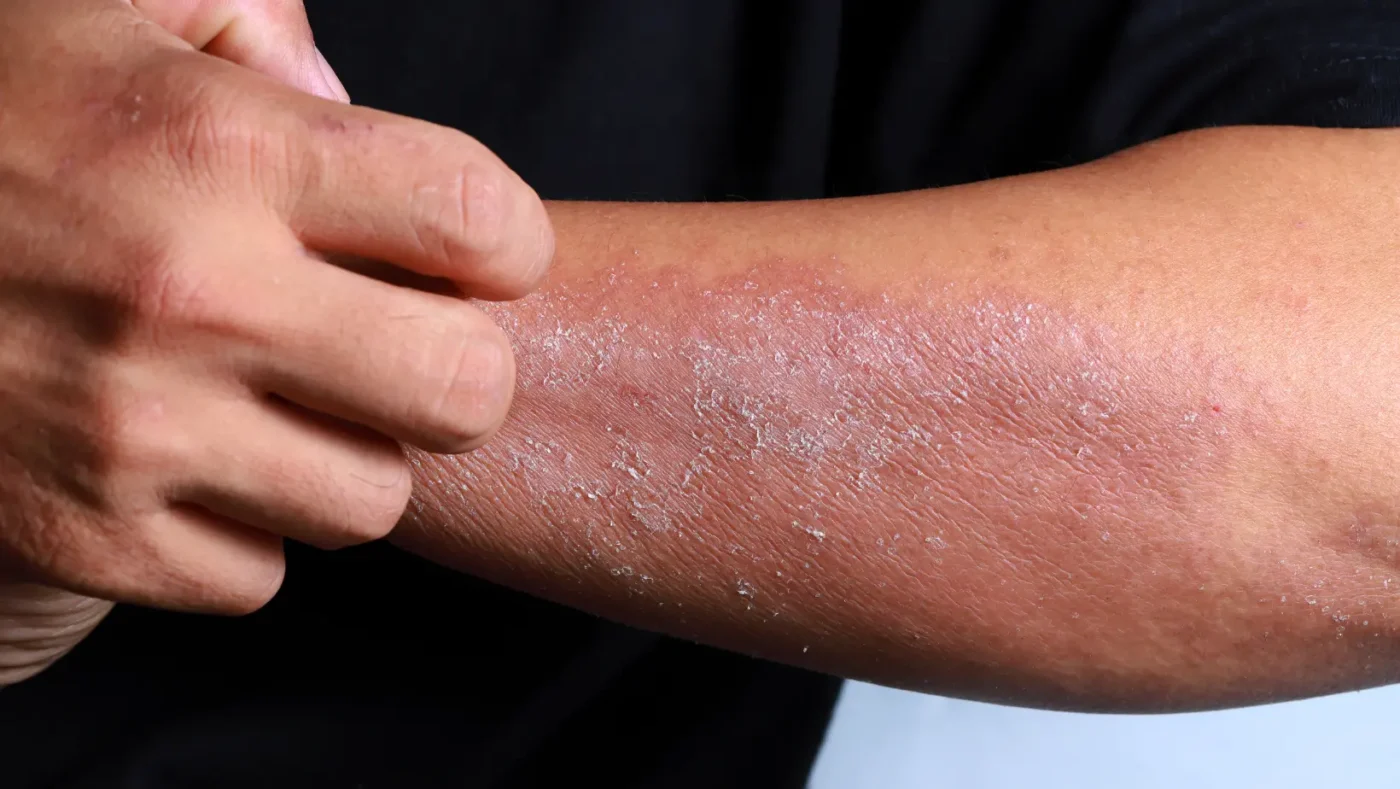

Chinese herbs for eczema represent centuries-old approaches addressing skin inflammation and itching from root causes rather than surface symptoms alone. Traditional Chinese Medicine (TCM) views eczema differently than Western dermatology, treating it as an internal imbalance showing through the skin.
Eczema affects roughly 10 percent of the global population, making it one of the most common skin conditions. Many people struggle with recurring flare-ups despite conventional treatments, making alternative approaches increasingly appealing.
What Is Eczema?
Eczema means inflammation of the skin causing itching, redness, and irritation. The most common type, atopic dermatitis, affects people with sensitive, reactive skin. Your skin acts as your body’s barrier, protecting inner tissues from bacteria, allergens, and irritants. When this barrier malfunctions, problems develop.
Skin Barrier Dysfunction Eczema Causes
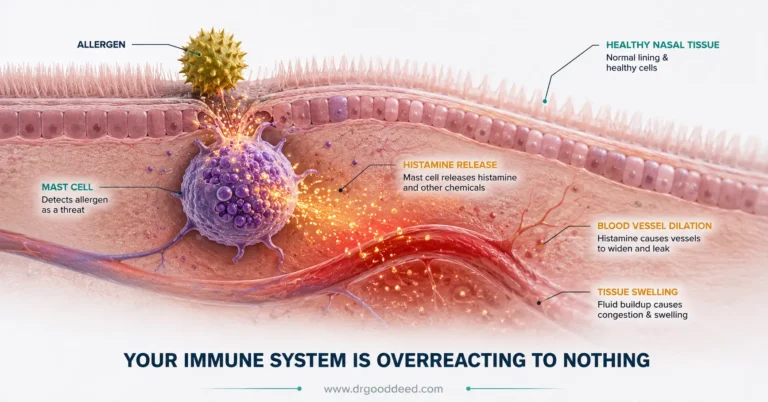
Your skin’s outer layer contains fats and proteins, creating a protective seal. This seal prevents moisture loss and blocks harmful substances from entering. In eczema, this barrier develops gaps and weak spots. Water escapes from deeper skin layers, leaving skin chronically dry. Allergens and irritants penetrate more easily, triggering inflammation.
Skin barrier dysfunction eczema causes stem from genetic factors, environmental triggers, and immune system misfiring. You might inherit genes predisposing you to skin barrier problems. Harsh soaps, dry air, and certain chemicals damage the protective layer. Your immune system overreacts to harmless substances, treating them as threats.
Inflammation and Immune System Response
Eczema involves your immune system attacking your own skin. Your body produces excessive inflammatory chemicals, causing redness, swelling, and itching. This inflammatory cascade perpetuates itself; itching causes scratching, scratching damages skin further, damage triggers more inflammation.
Why Eczema Causes Itching and Irritation
Nerve endings in damaged skin become overstimulated. Inflammatory chemicals directly activate itch receptors. Your skin lacks adequate moisture, making nerve endings extra sensitive. Temperature changes, stress, and certain fabrics trigger itching through multiple mechanisms simultaneously.
Scratching offers temporary relief because it stimulates different nerve pathways, overwhelming itch signals, similar to how rubbing a bumped area reduces pain. But scratching damages skin further, perpetuating the cycle. This itch-scratch cycle becomes the primary problem perpetuating eczema.
Traditional Chinese Medicine for Eczema
Traditional Chinese medicine for eczema approaches skin disease completely differently than Western dermatology. TCM examines how internal imbalances manifest through skin symptoms.
How TCM Views Eczema and Skin Inflammation
TCM considers eczema resulting from internal heat, excessive dampness, blood deficiency, or qi stagnation. Heat manifests as red, inflamed skin. Dampness creates weeping, oozing lesions. Blood deficiency causes dry, pale skin. Qi stagnation produces lingering, stubborn symptoms.
Most eczema cases involve combinations of these patterns. A person might have heat with underlying dampness, requiring different herbs than someone with blood deficiency and heat. TCM practitioners assess individual symptom patterns, then prescribe accordingly.
Balance, Heat, Dampness, and Skin Symptoms
TCM operates on balance principles. Your body contains opposing forces (yin and yang) that must harmonize. Excess heat dries skin while creating inflammation. Excess dampness creates moisture and weeping lesions. Correcting imbalances addresses eczema at its source.
Heat-type eczema shows intense red inflammation, burning sensations, and preference for cold applications. Damp-type eczema involves oozing, crusting, and preference for dry conditions.
Personalized Herbal Approaches in TCM
TCM practitioners never prescribe generic eczema formulas. They evaluate your specific symptoms, body constitution, stress levels, digestion, sleep quality, and environmental factors. Based on this assessment, they create customized herbal combinations addressing your particular imbalance pattern.
Best Chinese Herbs for Eczema Relief
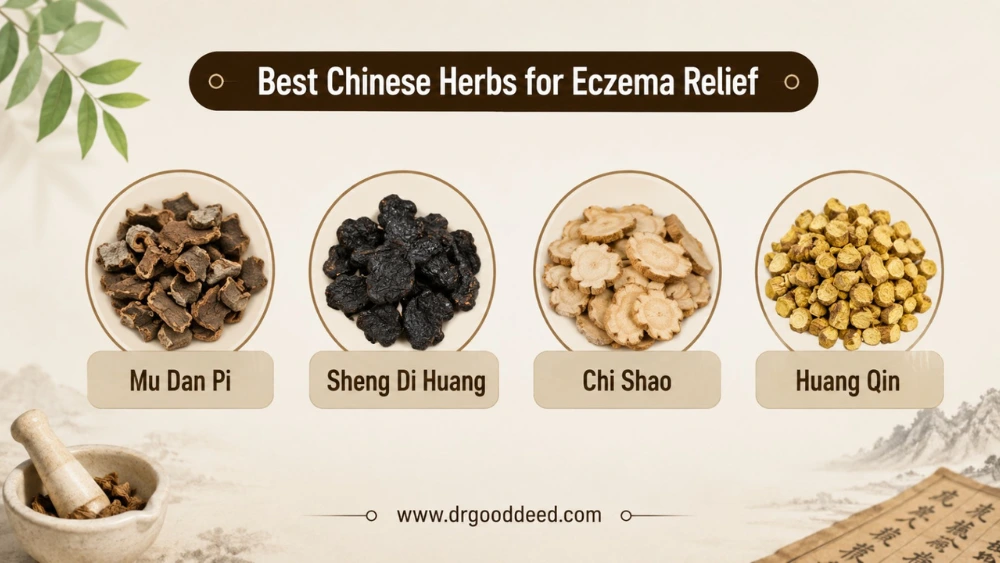
Multiple herbs show traditional use for eczema. Each addresses different aspects of the condition.
Herbs Traditionally Used for Itching and Redness
- Mu Dan Pi (Moutan Cortex) cools heat and clears inflammation traditionally used for red, inflamed eczema.
- Sheng Di Huang (Rehmannia glutinosa root) cools heat while supporting skin moisture.
- Chi Shao (Red Peony root) invigorates blood and cools heat simultaneously.
- Huang Qin (Scutellaria root) clears heat and dries dampness, particularly helpful for weeping eczema.
Herbal Blends for Chronic Eczema Symptoms
Traditional formulas like Xiao Yao San support liver function and emotional stress, addressing how stress triggers eczema flare-ups. Si Jun Zi Tang strengthens digestion and improves nutrient absorption. Long Dan Xie Gan Tang aggressively clears liver heat when eczema becomes severe.
Herbs Supporting Skin Calming and Hydration
Ling Zhi (Reishi mushroom) calms the spirit, addressing how anxiety worsens eczema. Bai He (Lily bulb) moisturizes dryness and calms itching. Shen (Ginseng) strengthens overall constitution. Gan Cao (Licorice root) soothes inflammation and harmonizes other herbs.
Traditional Use of Anti-inflammatory Herbs
Jin Yin Hua (Honeysuckle flower) clears heat and reduces inflammation. Luo Shi Teng (Sinomenium acutum stem) clears heat and dampness together. Bai Xian Pi (Dictamnus dasycarpus root bark) specifically addresses heat in the skin layer. These herbs contain compounds reducing inflammatory chemicals your immune system produces.
Chinese Remedies for Chronic Eczema Itching
Chinese remedies for chronic eczema itching come in multiple forms, each with different absorption rates and applications.
Herbal Teas and Oral Preparations
Drinking herbal tea allows internal herbs to address inflammation from inside. TCM practitioners typically prescribe concentrated herbal powders mixed with hot water, taken twice daily.
Herbal formulas work gradually. Noticeable improvement typically takes 2 to 4 weeks with consistent use. Chronic eczema improves more slowly than acute cases, sometimes requiring 2 to 3 months.
Topical Herbal Creams and Washes
Topical applications bring herbs directly to affected skin. Herbal creams containing cooling, moisturizing herbs soothe itching immediately. Herbal washes cleanse without harsh soaps damaging the barrier further.
Many people use oral herbs for internal healing while applying topical treatments for symptom management. Combined approaches often work better than either alone.
Cooling Herbs for Inflamed Skin
Herbs with cooling properties calm red, inflamed eczema immediately. Herbal creams containing mint, chrysanthemum, and chrysanthemum provide cooling relief. Cool temperature applications enhance these cooling herb effects.
People with heat-type eczema often prefer cool applications and cooling herbs. This preference actually reflects their underlying heat pattern correctly identified by TCM assessment.
Supporting Long-Term Symptom Management
Long-term eczema management requires sustained approaches. Taking herbal formulas consistently for months allows your body to rebalance. Combined with lifestyle changes, herbal medicine creates lasting improvement.
Without addressing underlying patterns, eczema returns when treatment stops. Proper herbal treatment supports your body’s healing capability, creating more durable results.
Herbs for Redness and Skin Irritation
Herbs for redness and skin irritation specifically target visible inflammation and irritation patterns.
Herbal Ingredients Traditionally Used for Inflammation
Huang Lian (Coptis rhizoma) strongly clears heat and dries dampness, particularly helpful for angry red eczema. Huang Bai (Phellodendron bark) cools heat and eliminates dampness from lower body regions. Sheng Di Huang (Rehmannia) both cools and moisturizes, beneficial when heat dries skin.
Skin-Soothing Botanical Compounds
Suan Zao Ren (Ziziphus spinosa seed) calms the spirit and nourishes heart blood, addressing anxiety-related eczema. Ye Jiao Teng (Polygonum multiflorum stem) nourishes blood and calms spirit. Long Gu (Fossilized bone) settles anxiety-driven itching urges.
Moisture Support and Skin Barrier Care
E Jiao (Donkey-hide gelatin) moisturizes while nourishing blood. Bai He (Lily bulb) moisturizes and calms itching. Bai Shao (White Peony root) nourishes blood and softens the liver, addressing how tension worsens eczema.
Moisture-supporting herbs help rebuild the skin barrier from inside, providing lasting benefit beyond temporary topical soothing.
Sensitivity and Allergic Reaction Considerations
Some people react to specific herbs. Allergic reactions to acupuncture remain uncommon but possible. Starting with small amounts allows you to assess tolerance. Working with qualified practitioners who ask about allergies ensures safe treatment.
Never assume herbal medicine is risk-free. Some herbs interact with medications or are contraindicated with certain conditions. Professional guidance protects your health.
How Chinese Herbal Medicine May Support Eczema Management
Chinese herb for eczema works through multiple mechanisms beyond simple anti-inflammatory effects.
Immune Response and Inflammation Regulation
Herbal formulas modulate immune function, reducing excessive inflammatory response. They don’t suppress immunity broadly; they bring overactive immune responses back into balance. This explains why herbs support lasting improvement rather than temporary suppression.
Your immune system learns new patterns through herbal support. Over months, your body becomes less reactive to triggers.
Stress and Eczema Flare-ups
Stress hormones (cortisol and adrenaline) trigger eczema flare-ups. Herbal remedies containing spirit-calming ingredients reduce stress response. Addressing stress through herbal medicine prevents stress-triggered eczema cycles.
Gut-Skin Connection and Skin Health
TCM emphasizes digestion’s role in skin health. Poor digestion creates dampness accumulating in skin. Herbal formulas strengthening digestive function reduce skin dampness, improving chronic eczema.
Modern research confirms this ancient wisdom. Gut barrier integrity affects skin health through immune and inflammatory pathways.
Sleep Quality and Itching Severity
Poor sleep worsens eczema itching significantly. Nighttime itching disrupts sleep further, creating a vicious cycle. Herbal remedies supporting restful sleep reduce nighttime itching substantially.
Sleep deprivation increases inflammatory chemicals and weakens immune regulation. Improving sleep through herbal support addresses fundamental eczema drivers.
Lifestyle Habits That May Help Eczema Symptoms
Beyond herbs, lifestyle modifications substantially impact eczema.
- Showering with lukewarm water using gentle, unscented cleansers protects the skin barrier.
- Applying moisturizer immediately after showering locks in moisture. Wearing breathable fabrics prevents sweat-related irritation.
- Managing stress through meditation, yoga, or breathing exercises calms your nervous system.
- Maintaining consistent sleep schedules supports immune regulation.
- Keeping skin hydrated through drinking adequate water daily supports internal moisture.
- Avoiding excessive heat exposure prevents sweat irritation. Minimizing exposure to known triggers prevents unnecessary flare-ups.
- Maintaining humidity between 40 and 60 percent prevents excessive dryness. Using air purifiers reduces airborne irritants.
- Washing new clothing before wearing removes chemical finishes.
Foods and Triggers That May Affect Eczema
Certain foods trigger eczema in susceptible people. Common culprits include dairy, eggs, peanuts, tree nuts, fish, shellfish, wheat, and soy. Individual responses vary; keeping food journals identifies your personal triggers.
Inflammatory foods worsen eczema. Refined sugars, seed oils, and processed foods increase inflammation. Whole foods, omega-3-rich fish, colorful vegetables, and antioxidant-rich fruits support skin healing.
Alcohol can trigger flare-ups through multiple mechanisms, increasing skin permeability and inflammatory response. Caffeine may worsen itching in some people. Hot spicy foods trigger flare-ups in heat-type eczema.
Potential Risks of Chinese Herbal Remedies
Herbal medicine carries risks requiring awareness. Heavy metals in some herbal products pose health dangers. Quality products from reputable manufacturers minimize this risk. Third-party testing provides assurance of safety and purity.
Some herbs interact with medications. Blood thinners interact with herbs like danshen. Diabetes medications combined with certain herbs cause excessive blood sugar lowering. Always inform healthcare providers about herbal use.
Allergic reactions, though uncommon, do occur. Pregnancy and breastfeeding contraindicate many herbs. Liver disease or kidney disease requires careful herb selection. Some herbs contraindicate with specific health conditions.
Treatment should occur under the guidance of a qualified TCM practitioner. Self-prescribing risks inappropriate treatment, delayed proper diagnosis, or dangerous interactions.
FAQs
What Are the Most Commonly Used Chinese Herbs for Eczema Relief?
Chinese herbs for eczema includes Mu Dan Pi, Sheng Di Huang, Chi Shao, and Huang Qin, with combinations varying by individual heat, dampness, and blood patterns. Ling Zhi supports emotional stress aspects. These rarely treat eczema alone; formulas combining three to eight herbs address complex underlying imbalances more effectively.
How Does Traditional Chinese Medicine Approach Eczema Treatment?
Traditional Chinese medicine for eczema treats underlying patterns causing skin symptoms, not just visible inflammation. TCM identifies whether heat, dampness, blood deficiency, or qi stagnation drives symptoms, then prescribes specific herbs addressing those patterns. This personalized approach explains why treatment effectiveness varies between individuals.
Can Chinese Herbal Remedies Help Reduce Chronic Eczema Itching?
Yes. Chinese remedies for chronic eczema itching address itching through multiple mechanisms: calming inflammatory response, supporting nervous system balance, improving sleep quality, and restoring skin moisture. Noticeable improvement takes 2 to 4 weeks. Chronic eczema typically requires 2 to 3 months for substantial improvement.
Why Does Skin Barrier Dysfunction Contribute to Eczema Symptoms?
Skin barrier dysfunction eczema causes occur because your skin’s protective seal develops gaps allowing water loss and allergen entry. Moisture escapes continuously, leaving skin chronically dry and sensitive. Allergens penetrate easily, triggering inflammatory immune responses. Repairing barrier function reduces symptoms substantially.
Are Herbal Creams or Oral Remedies More Commonly Used in TCM for Eczema?
Both serve different purposes. Oral herbal formulas address internal pattern imbalances creating lasting improvement. Topical herbal creams provide immediate symptom relief while internal herbs work. Combined approaches using both oral and topical remedies produce better results than either alone.
Can Stress and Poor Sleep Worsen Eczema Flare-ups?
Absolutely. Stress elevates cortisol triggering inflammatory response. Poor sleep reduces immune regulation and increases inflammatory chemicals. Many people report eczema flaring during stressful periods or when sleep suffers. Herbal remedies supporting nervous system calm and sleep quality substantially reduce flare-ups.
What Lifestyle Habits May Help Support Eczema-Prone Skin Naturally?
Lukewarm showers using gentle cleansers, immediate moisturizing after bathing, breathable fabric wearing, stress management through meditation, consistent sleep schedules, adequate water intake, humidity maintenance at 40 to 60 percent, and trigger avoidance all support skin healing. These combined habits prove more effective than any single measure.
Are There Risks Associated with Chinese Herbal Remedies for Eczema?
Yes. Heavy metals contaminate some herbal products despite their natural origin. Some herbs interact with medications or contraindicate with health conditions. Allergic reactions, though rare, occur. Pregnancy and breastfeeding require careful herb selection. Working with qualified TCM practitioners minimizes risks through proper assessment and monitoring.
How Do Moisturizers Help Protect the Skin Barrier in Eczema?
Moisturizers lock water into skin layers, preventing evaporation through damaged barrier. They reduce barrier damage progression by maintaining hydration. Occlusive moisturizers containing oils provide better protection than water-based versions. Applied immediately after bathing while skin remains slightly damp maximizes effectiveness.
When Should Eczema Symptoms Be Medically Evaluated?
Seek medical evaluation if eczema covers large body areas, interferes with daily activities or sleep, becomes infected showing warmth, swelling, or pus, fails to improve with home treatment after four weeks, or suddenly worsens dramatically. Severe eczema requires professional assessment to rule out secondary infections or other conditions.