
Altitude sickness is a group of illnesses caused by climbing faster than your body can adapt to thin air. It commonly causes headache, dizziness, nausea, fatigue, shortness of breath, and difficulty sleeping.
This guide breaks down how to stay healthy while traveling. It covers causes, symptoms, the three forms, prevention, and emergency signs for US travelers.
Key Takeaways
- Altitude sickness is a reaction to falling oxygen pressure, and fitness does not lower the risk.
- About 28% of people at 3,000 m (9,840 ft) meet the clinical case definition for acute mountain sickness (AMS). Headache occurs in 59%.
- It comes in three forms: AMS, high-altitude cerebral edema (HACE), and high-altitude pulmonary edema (HAPE). The last two can kill.
- Prevention medication starts about 24 hours before ascent, and only after a doctor’s visit.
- Most mild cases clear with rest and no further climbing.
- Severe altitude sickness can become life-threatening, so worsening symptoms such as confusion, difficulty walking, severe breathlessness, or loss of consciousness require immediate descent and medical attention.
Why Being Physically Fit Doesn’t Protect You
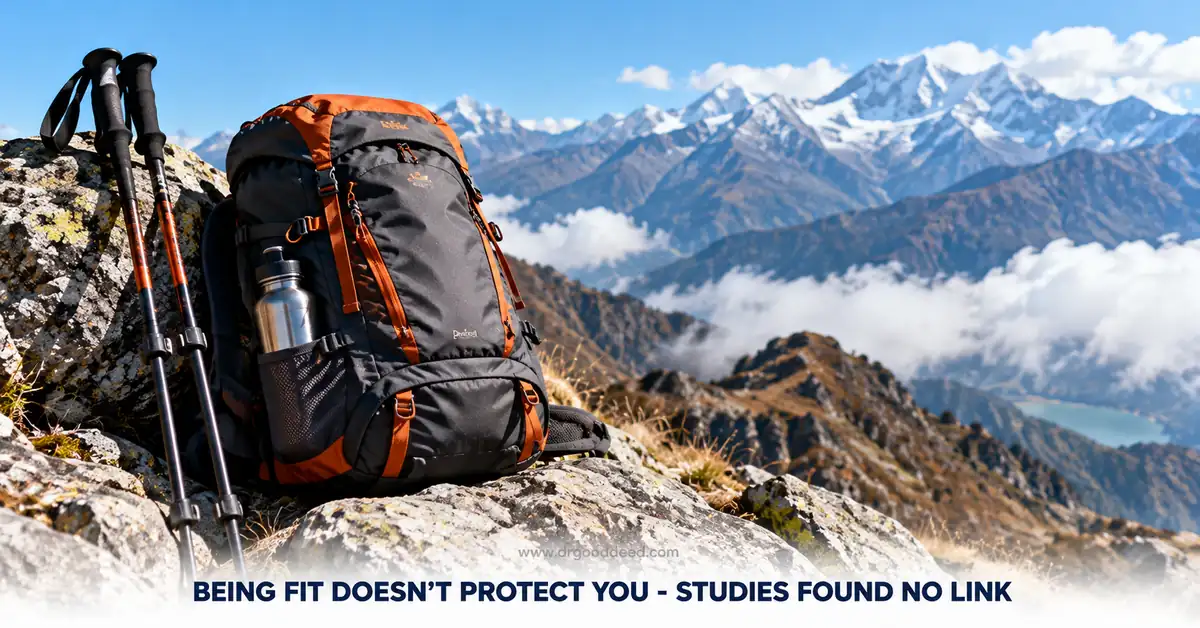
Altitude sickness is not a fitness problem. Physical fitness does not reduce risk, because the illness reflects how your body handles low oxygen pressure. Ascent speed and sleeping elevation drive it instead. A study of 332 lowland volunteers trekking to 5,300 m found no link with age, sex, weight, or BMI.
- Acclimatization runs on separate machinery. Breathing drive, kidney bicarbonate handling, and red-cell changes set your pace. Aerobic fitness does not speed these steps up.
- Strong travelers climb faster. Fit people push early and skip rest days. The Wilderness Medical Society (WMS) caps sleeping-elevation gain at 500 m (1,640 ft) per day above 3,000 m.
- History and oxygen saturation predict better than muscle. In the same trek, higher exercise oxygen saturation at 3,500 m lowered risk (OR 0.870). Never having climbed above 5,000 m raised the odds of moderate-to-severe AMS 2.7-fold.
What Actually Causes Altitude Sickness
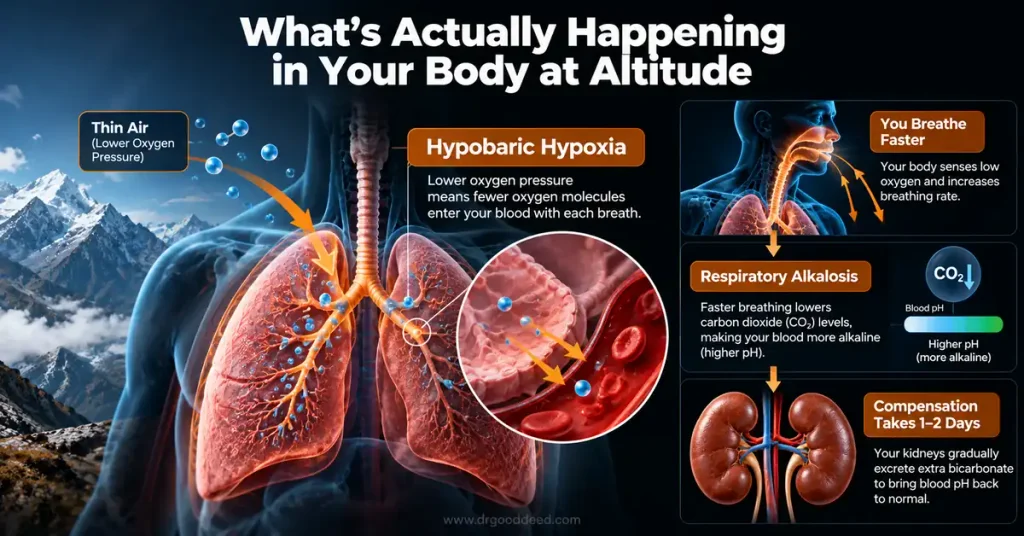
Air still holds about 21% oxygen at altitude, but barometric pressure drops. At 3,000 m, pressure sits near 70% of sea level, so each breath delivers fewer oxygen molecules. Your body breathes faster to compensate, and that adjustment produces the symptoms.
- Hypobaric hypoxia lowers the oxygen pressure in your lungs and drops blood oxygen saturation.
- Faster breathing blows off carbon dioxide and makes blood more alkaline, a state called respiratory alkalosis.
- Kidney compensation takes one to two days. Your kidneys excrete bicarbonate to restore blood pH. Acetazolamide mimics this step, which explains why it works.
- The brain’s response remains debated. Researchers have not pinned down why some brains react to hypoxia with swelling and pressure symptoms while others do not.
How Common Is It, and What Does It Actually Feel Like?
In one survey at 3,000 m (9,840 ft), 28% of participants met the clinical case definition for AMS. Headache came first at 59%, then insomnia at 28% and fatigue at 23%. A Taiwan survey of 93 people above 3,000 m found a similar 27%, per BMJ Clinical Evidence.
Mild AMS feels like a hangover with a dizzy edge. Many people blame dehydration or a bad night’s sleep. High altitude is already a documented headache trigger, covered in our guide to types of headaches.
| US location | Elevation | AMS relevance |
| Denver, CO | 5,280 ft | Low risk, a useful first night stop |
| Breckenridge, CO | 9,600 ft | Risk starts above roughly 8,000 ft |
| Leadville, CO | 10,152 ft | Notable risk after a same-day flight |
How Doctors Diagnose AMS: The Lake Louise Score
- The 2018 Lake Louise score rates headache, stomach symptoms, fatigue or weakness, and dizziness, each from 0 to 3.
- AMS means headache plus at least one other symptom and a total of 3 or more, after arrival at 2,500 m or higher.
- The 2018 revision dropped sleep disturbance from the score. Poor sleep alone no longer counts, though it still signals trouble.
- No blood test or scan confirms AMS. Diagnosis rests on self-reported symptoms and timing.
The Three Types: AMS, HACE, and HAPE
AMS is common and usually mild. HACE is brain swelling. HAPE is fluid in the lungs. HACE and HAPE are rare, and both can kill without fast descent.
| Type | Organ affected | Key signs | First response |
| AMS | Whole body | Headache plus nausea, fatigue, or dizziness | Stop climbing, rest |
| HACE | Brain | Confusion, ataxia (cannot walk heel-to-toe), falling alertness | Descend now, oxygen |
| HAPE | Lungs | Breathlessness at rest, cough, frothy or blood-stained sputum | Descend now, oxygen |
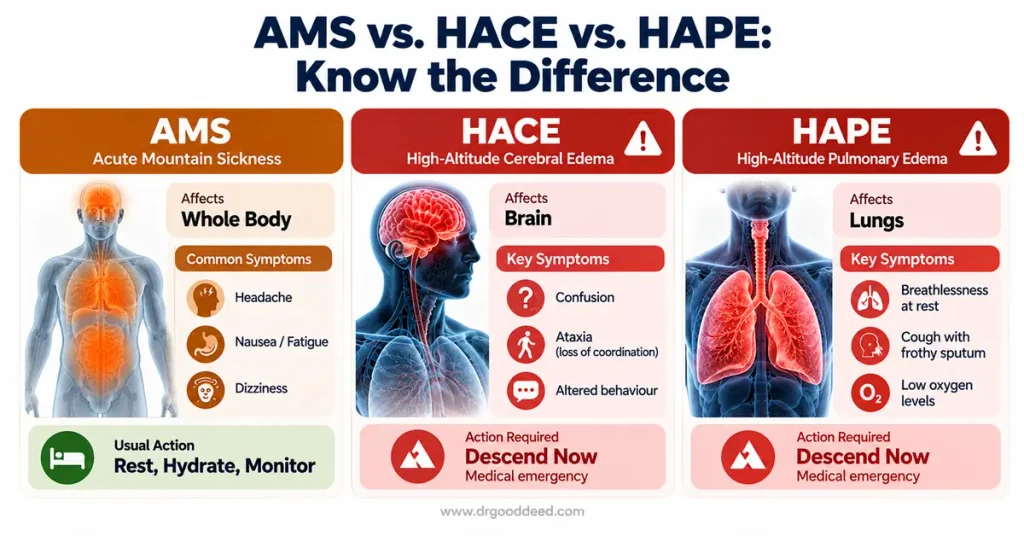
HACE usually follows AMS that keeps worsening. Dexamethasone remains the main drug for HACE, and a clinician directs it.
How to Prevent Altitude Sickness Before You Go
Gradual ascent is the most reliable method. Above 3,000 m, the WMS advises raising your sleeping elevation by no more than 500 m per day, with a rest day every 3 to 4 days. Medication adds protection when a slow climb is impossible.
- Stage your trip. WMS suggests sea-level visitors bound for Colorado resorts above 2,800 m spend one night in Denver first.
- Count sleeping elevation. A day hike high and a night sleeping low counts as a lower dose of altitude.
- Skip sedatives and alcohol early in the trip. Both blunt breathing during sleep.
Acetazolamide: What the Protocol Says
- Adult dose: 125 mg every 12 hours. WMS says to consider 250 mg twice daily for high-risk ascent profiles.
- Timing: Start about 24 hours before ascent. Continue 2 to 4 days after reaching your highest sleeping elevation. Starting on ascent day still helps.
- Common side effects: Finger tingling, flat-tasting carbonated drinks, and frequent urination.
- Sulfa allergy: Acetazolamide is a sulfonamide, yet true reactions are extremely rare. A history of anaphylaxis or Stevens-Johnson syndrome rules it out.
- Prescription decision: In the US, a prescriber must weigh kidney function, pregnancy, and other medications first.
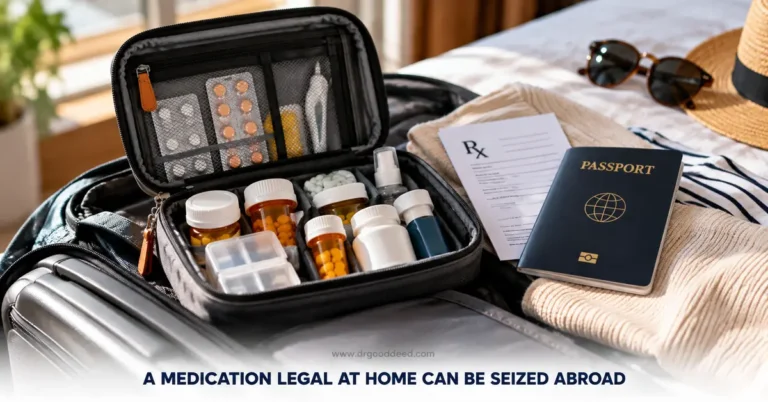
Prevention medication like acetazolamide is worth discussing with your doctor before the trip. See our full travel pharmacy checklist for what else to pack.
What to Do If Symptoms Start
Altitude sickness treatment at the mild stage is to stop climbing, rest at the same elevation, and drink to thirst. Most mild cases ease within a few days. Descend if symptoms worsen or do not improve.
- Hold your elevation. Do not sleep higher until every symptom is gone.
- Treat the headache. Ibuprofen or acetaminophen helps. Acetazolamide at 250 mg every 12 hours can treat mild AMS under clinician direction.
- Eat and hydrate, but avoid alcohol and sleeping pills.
- Descend with a partner if you feel worse. Do not go down alone while impaired.
Pro Tip: Do not wait for a headache. In a 292-person expedition study at 3,650 to 5,200 m, the most common pattern was poor sleep and fatigue with little headache. Of those with severe headache, 40% slept normally.
When Altitude Sickness Becomes a Medical Emergency
Altitude sickness at its most dangerous lead to HACE or HAPE. Confusion, stumbling, breathlessness at rest, or a cough with frothy or blood-tinged mucus demands immediate descent and emergency care. Symptoms can progress within hours, so do not wait for morning.
- Heel-to-toe test: Ask the person to walk a straight line touching heel to toe. Failing it signals ataxia and possible HACE.
- Behavior change: Irritability, drowsiness, or nonsense speech points to brain involvement.
- Lung signs: Breathlessness while resting, a racing pulse, tight chest, or blue lips point to HAPE.
- Actions: Descend at once with an escort, give supplemental oxygen if you have it, and call 911 or local rescue.
FAQs
Can altitude sickness happen even if you’ve been fine at altitude before?
Yes. Risk resets each trip because ascent speed and sleeping elevation matter most. Someone who tolerated a slow Peru trek can still get sick flying into Leadville, Colorado, and sleeping there that night.
How high do you need to go before altitude sickness becomes a risk?
AMS becomes possible from about 8,000 ft (2,500 m). Above 9,840 ft (3,000 m), roughly one in four unacclimatized visitors get sick. Denver at 5,280 ft rarely triggers it. Breckenridge at 9,600 ft can.
Can children get altitude sickness?
Yes. On Xue Mountain, Taiwan, 40.6% of 197 trekking children developed AMS. Young children cannot describe headache, so watch for fussiness, poor feeding, and unusual sleepiness.
How long does it take to acclimatize to high altitude?
Typically 1 to 3 days at each new sleeping elevation. In that Xue Mountain study, AMS hit 5.6% of children on day one and 29.4% on day two. Every higher sleeping elevation restarts the clock.
Does drinking alcohol at altitude make symptoms worse?
Yes. A 2024 study of 104 travelers at Hoh Xil, China, flagged alcohol as a likely AMS risk factor. Alcohol also disrupts sleep and mimics hangover, hiding early warning signs. Skip it for the first 48 hours.
Sources
- Wilderness Medical Society Clinical Practice Guidelines for Acute Altitude Illness: 2024 Update link
- Wilderness Medical Society: 2024 Altitude Summary link
- American Family Physician: Acute Altitude Illness, Updated Prevention and Treatment Guidelines (2020) link
- BMJ Clinical Evidence: Altitude Sickness (PMC) link
- Physiological Responses During Ascent to High Altitude and the Incidence of AMS (PMC) link
- Network Analysis Reveals Distinct Clinical Syndromes Underlying AMS (PMC) link
- Incidence and Severity of AMS in Children Trekking on Xue Mountain, Taiwan (PMC) link
- Incidence and Risk Factors of AMS During Ascent to Hoh Xil, Turkish Journal of Emergency Medicine (2024) link
- Prevalence and Knowledge About AMS in the Western Alps, PLOS One (2023) link
- PubMed: WMS 2024 Update Abstract link
Medical Disclaimer: This article is for general information only and is not medical advice. It does not replace a diagnosis, treatment plan, or guidance from a qualified healthcare professional. Always talk to your doctor about your own symptoms and before starting, stopping, or changing any treatment. If you think you may be having a medical emergency, call 911 or go to your nearest emergency room.