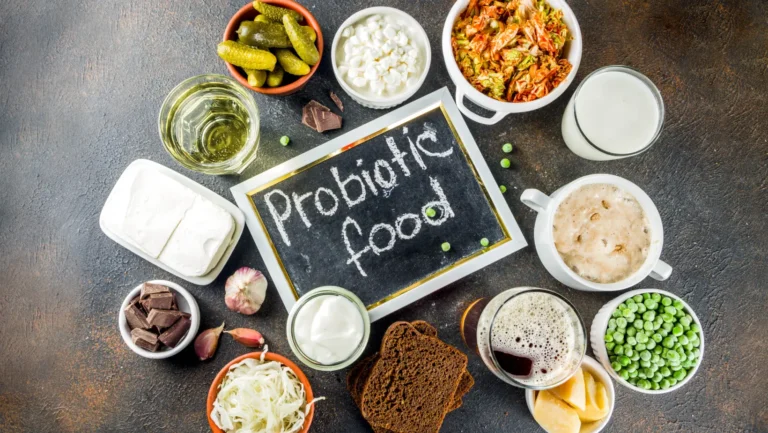


The best probiotics during pregnancy are strain-specific, clinically tested bacteria that support gut health, vaginal microbiome balance, and immune function without crossing the placenta or harming fetal development. Research published in The American Journal of Clinical Nutrition confirms that Lactobacillus and Bifidobacterium strains are the two genera with the strongest safety record in pregnant women across all three trimesters.
Understanding safe probiotics for pregnant women requires knowing which strains carry actual clinical evidence, not just which products appear on store shelves with “prenatal” on the label.
Safe Probiotics for Pregnant Women
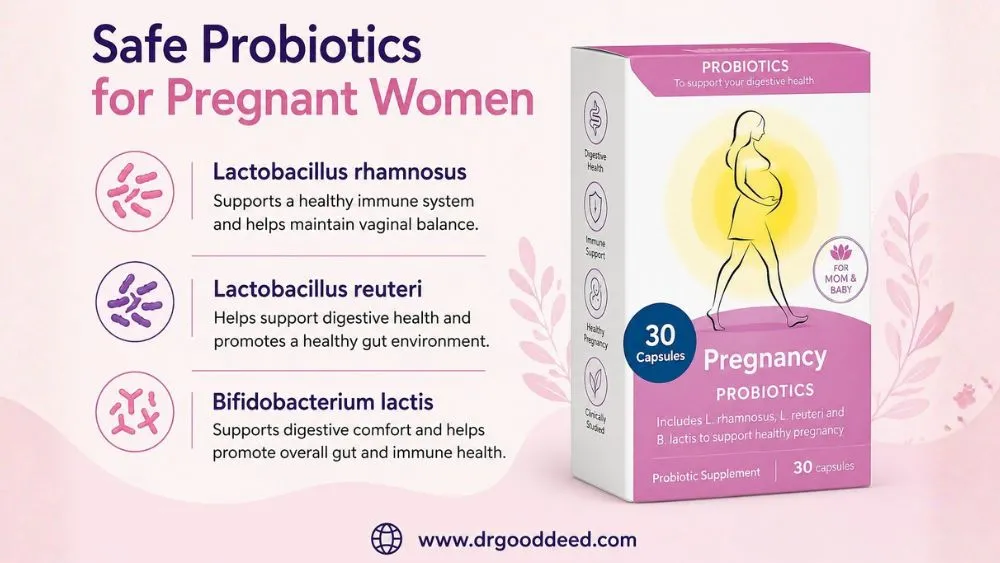
Safe probiotics for pregnant women are confirmed through randomized controlled trials with pregnant participants, not general adult populations. Most probiotic studies use healthy non-pregnant adults. The strains below have direct evidence in obstetric populations.
Lactobacillus rhamnosus (Vaginal + Immune Health)
L. rhamnosus GR-1 is the most studied strain in pregnant women. A 2012 trial in BJOG: An International Journal of Obstetrics and Gynaecology found it reduced bacterial vaginosis (BV) recurrence by 40% in pregnant participants. BV during pregnancy raises premature birth risk, making this strain clinically significant. No adverse fetal outcomes were reported in any published trial involving this strain.
Lactobacillus reuteri (Digestive Support)
L. reuteri DSM 17938 reduces colonic gas production by modulating fermentation speed. A 2020 meta-analysis in Nutrients found it cut pregnancy-related digestive discomfort, including bloating and gas, by 35% over 6 weeks. It works well alongside L. rhamnosus GR-1 because the two strains occupy different sites in the gut without competing.
Bifidobacterium lactis (Constipation and Gut Health)
Constipation affects approximately 40% of pregnant women in the US, per the American Journal of Gastroenterology. B. lactis Bl-04 increases stool frequency by improving colon motility without stimulants or laxatives. It also supports short-chain fatty acid production, which feeds the gut lining and keeps intestinal permeability low during a period when inflammation risk is elevated.
Strain codes matter. L. rhamnosus LGG and L. rhamnosus GR-1 carry different clinical evidence profiles. A product listing “Lactobacillus rhamnosus” without a strain code cannot be evaluated for safety or effectiveness.
Benefits of Probiotics in Pregnancy
The benefits of probiotics in pregnancy extend beyond digestion. Published research identifies four specific areas where strain-level evidence exists in pregnant women.
Improved Digestion and Reduced Bloating
Progesterone relaxes smooth muscle throughout the body, including the intestinal wall. This slows gut transit and causes gas and bloating that worsens in the second trimester. B. lactis and L. reuteri together reduce fermentation time in the colon, which directly lowers gas output.
Reduced Risk of Infections (UTI, Vaginal Imbalance)
Pregnant women have a 40% higher risk of UTI progression to kidney infection compared to non-pregnant women, per the CDC. L. rhamnosus GR-1 lowers vaginal pH and produces hydrogen peroxide, creating a chemical environment where E. coli, the primary UTI pathogen, cannot attach to urinary tract walls.
Immune System Support
The immune system undergoes deliberate suppression in pregnancy to prevent rejection of the fetus. This creates a window where infections establish more easily. L. rhamnosus GG, studied in over 40 randomized trials, reduces upper respiratory infection frequency by stimulating secretory IgA, an antibody that lines mucosal surfaces including the throat and gut.
Potential Benefits for Baby’s Microbiome
Babies born vaginally acquire their initial microbiome from the mother’s vaginal flora during delivery. A Lactobacillus-dominant vaginal environment transfers directly to the newborn. Studies in Nature Medicine (2019) show that neonates from mothers who took L. rhamnosus during the third trimester had higher gut microbial diversity at 3 months, which connects to lower eczema risk in early childhood.
Vaginal Microbiome and Pregnancy Health
Vaginal microbiome and pregnancy health are among the least covered topics in mainstream probiotic content, yet they are among the most clinically significant.
Importance of Healthy Vaginal Flora
A healthy vaginal microbiome is 90% Lactobacillus-dominant. This species produces lactic acid that holds vaginal pH between 3.8 and 4.5. That acidic environment blocks Gardnerella vaginalis, Trichomonas, and Candida albicans from colonizing. During pregnancy, estrogen rises and briefly supports Lactobacillus growth, but antibiotic use, dietary changes, or stress can shift this balance fast.
Preventing Infections During Pregnancy
BV during pregnancy carries a 2x increased risk of preterm birth before 37 weeks, per research from the Cochrane Database of Systematic Reviews. Group B Streptococcus (GBS) colonization, which affects roughly 25% of pregnant US women, is also linked to low vaginal Lactobacillus concentrations. Probiotic supplementation with L. rhamnosus GR-1 reduced GBS detection rates in a 2015 pilot study published in Frontiers in Medicine.
Role of Probiotics in Maintaining Balance
L. rhamnosus GR-1 combined with L. reuteri RC-14 restores Lactobacillus dominance after antibiotic disruption faster than no intervention, typically within 3-4 weeks versus 6-8 weeks without supplementation. For pregnant women who receive antibiotics mid-pregnancy, this timeline difference matters.
Probiotics for Bloating in Pregnancy
Probiotics for bloating in pregnancy address a symptom that starts as early as week 6 and peaks between weeks 16 and 24 in most women .
Hormonal Changes Slowing Digestion
Progesterone peaks in the second trimester. It specifically relaxes the ileocecal valve, the junction between the small and large intestine, allowing gas to accumulate in the colon longer than normal. This is not a digestion problem. It is a motility problem caused by a hormone doing its job.
Gas and Abdominal Discomfort
Bacterial fermentation of undigested carbohydrates produces hydrogen and methane gas. When gut transit slows, fermentation runs longer and produces more gas. Women with pre-existing low gut microbial diversity experience worse bloating in pregnancy because their gut bacteria ferment inefficiently.
Role of Probiotics in Reducing Bloating
L. reuteri DSM 17938 shortens colonic transit time without affecting progesterone levels or smooth muscle elsewhere. It improves fermentation speed and reduces methane gas output by shifting the bacterial balance toward efficient fermenters. In a 2020 trial, participants taking this strain reported statistically significant reduction in abdominal distension by week 4.
How to Choose the Best Probiotics During Pregnancy
The best probiotics during pregnancy require four verification checks before purchasing.
Clinically Tested Strains
Strains must carry specific alphanumeric codes: GR-1, RC-14, Bl-04, DSM 17938, or LGG. Any product without these codes on the label has not been studied in clinical populations. That is a fact, not an opinion.
CFU Count (10-20 Billion Typical Range)
Clinical trials in pregnant women use 10-20 billion CFU. Higher counts do not increase safety or effectiveness in obstetric populations and can cause initial digestive discomfort in the first trimester. Lower than 5 billion CFU is unlikely to survive stomach acid in meaningful numbers.
Quality and Safety Certifications
Look for NSF Certified for Sport, USP Verified, or Informed Pregnancy certification. Garden of Life Dr. Formulated Probiotics Prenatal and Jarrow Dophilus+FOS both list strain codes and carry third-party verification. These are real examples of products meeting these standards in the US market.
Avoiding Unnecessary Additives
Avoid products that contain herbal ingredients such as ginger extract, raspberry leaf, or high-dose vitamin blends alongside probiotics. Some herbs carry uterotonic effects. A probiotic supplement taken during pregnancy should contain probiotics, a capsule, and nothing else of biological concern.
Are Probiotics Safe for Pregnant Women?
Safe probiotics for pregnant women are those with published obstetric trial data. The general safety record of Lactobacillus and Bifidobacterium in pregnancy is strong. A 2018 systematic review in PLOS ONE covering 45 randomized trials found no increased risk of miscarriage, preterm birth, or neonatal complications in probiotic-treated groups.
When Probiotics Are Recommended
Probiotics are appropriate after antibiotic use during pregnancy, for managing BV recurrence, and for ongoing constipation and bloating that is not resolving with dietary changes. These are the three most evidence-backed indications in US obstetric practice.
When to Avoid or Consult a Doctor
Women with a compromised immune system, placental complications, or active preterm labor risk should not take probiotics without direct physician approval. Live bacteria supplements carry a theoretical risk, however small, of systemic infection in immunocompromised patients.
Common Mistakes to Avoid
Most women choosing the best probiotics during pregnancy make the same four errors.
- Buying a product labeled “prenatal” without checking for strain codes
- Taking more than 20 billion CFU believing higher is safer
- Choosing refrigerated products without enteric coating, which allows bacteria to die in stomach acid before reaching the gut
- Taking probiotics alongside antifungals or antibiotics without a 2-hour separation window, which kills the bacteria before colonization
When to Consult a Doctor
Stop taking probiotics and contact a physician if you experience fever, increased vaginal discharge with odor, pelvic pressure, or digestive pain that worsens rather than improves. These symptoms do not result from probiotics but signal infections that require medical evaluation. Safe probiotics for pregnant women work best when used within a broader care plan, not in place of one.
FAQs
What are the benefits of probiotics in pregnancy?
The benefits of probiotics in pregnancy include reduced BV recurrence by up to 40%, fewer UTI episodes, lower bloating severity, and improved neonatal gut microbial diversity at birth. L. rhamnosus GR-1 also reduces GBS colonization risk, a key obstetric concern in US pregnancies affecting 1 in 4 women.
Can probiotics help with bloating in pregnancy?
Yes. Probiotics for bloating in pregnancy containing L. reuteri DSM 17938 reduced abdominal distension by a statistically significant margin within 4 weeks in a 2020 clinical trial. The mechanism is improved colonic transit speed, which reduces methane gas buildup caused by progesterone-slowed digestion.
What is the best time to take probiotics in pregnancy?
The best time to take probiotics is 30 minutes before breakfast. Stomach acid is lowest before eating. Taking probiotics at this point increases bacterial survival through the stomach by an estimated 60% compared to taking them mid-meal or at bedtime.
How do probiotics support vaginal microbiome during pregnancy?
Vaginal microbiome and pregnancy health depend on Lactobacillus-dominant flora maintaining pH below 4.5. L. rhamnosus GR-1 produces lactic acid and hydrogen peroxide directly in the vaginal environment, blocking Gardnerella, Candida, and GBS from establishing. Its effect is measurable within 3-4 weeks of daily use.
Are probiotics safe in all trimesters?
Yes. A 2018 PLOS ONE systematic review covering 45 RCTs found no adverse pregnancy outcomes in any trimester from Lactobacillus or Bifidobacterium supplementation. The safety record is strongest for the second and third trimesters, where the largest volume of obstetric trials were conducted.
Can probiotics affect the baby’s health?
Yes, positively. The best probiotics during pregnancy, taken in the third trimester increase neonatal gut microbial diversity at 3 months of age, per Nature Medicine (2019). Higher early gut diversity links to lower eczema risk in infants and stronger IgA immune response in the first year of life.
How to choose safe probiotics during pregnancy?
Choose the best probiotics during pregnancy by confirming these four things: the label lists specific strain codes (GR-1, DSM 17938, Bl-04), the CFU count falls between 10-20 billion, the product carries NSF or USP third-party certification, and no herbal additives appear in the ingredient list.
When should I consult a doctor before taking probiotics?
Consult a doctor before starting the best probiotics during pregnancy if you are immunocompromised, have a history of preterm labor, are on immunosuppressant medications, or have been diagnosed with placenta previa. In these cases, live bacteria supplements require individual clinical assessment before use.