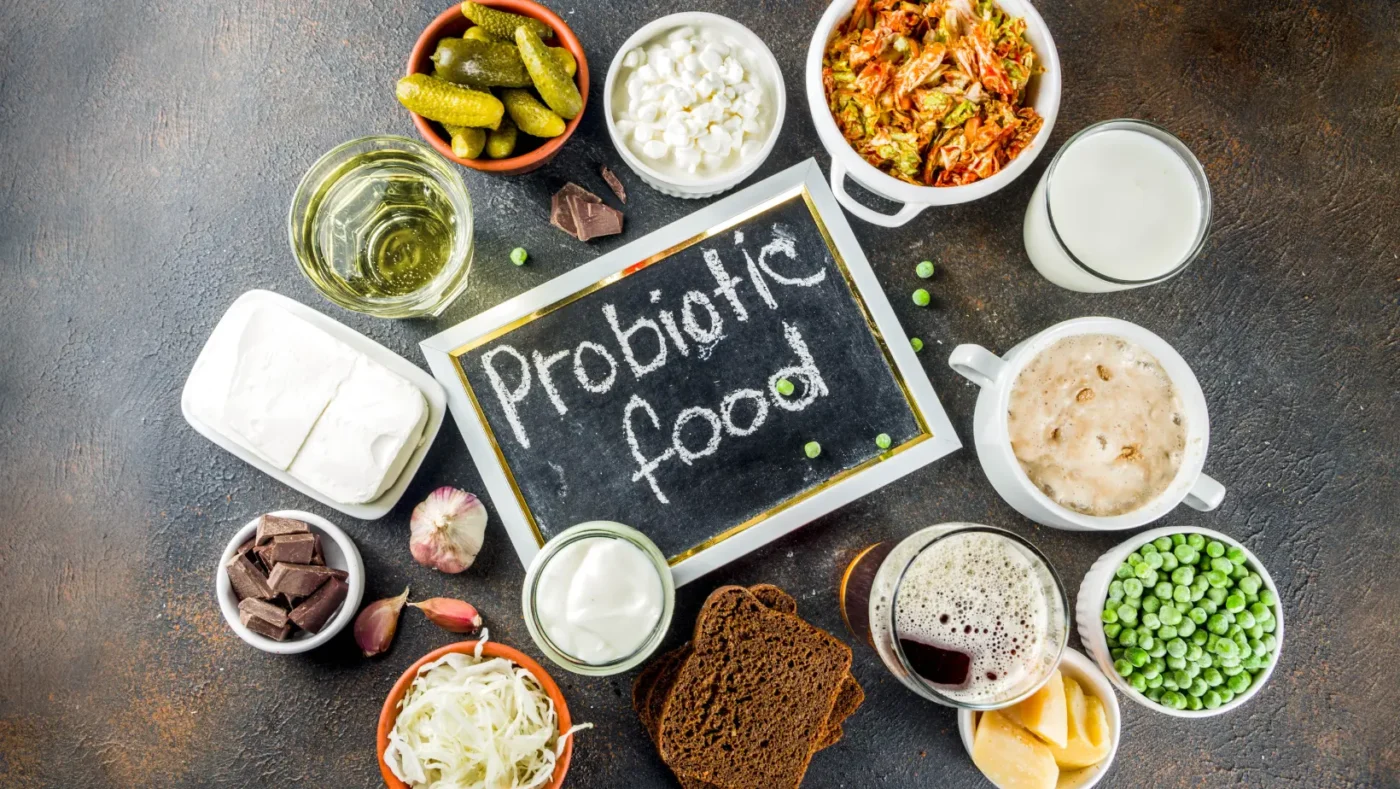

The most high foods in probiotics are fermented whole foods that contain live bacterial cultures, specifically Lactobacillus and Bifidobacterium species, which survive digestion and colonize the colon. The World Health Organization defines probiotics as “live microorganisms that, when administered in adequate amounts, confer a health benefit on the host.”
Most Americans consume far below the effective threshold of 1 billion CFU daily through food alone, per the American Journal of Clinical Nutrition. Knowing which foods actually deliver live bacteria, and which ones only look the part, changes what you put on your plate.
Foods Rich in Probiotics List

The foods rich in probiotics list divides into three categories: dairy-based, fermented non-dairy, and plant-based. Most online lists mix all three without clarifying which products in each category actually contain live bacteria after processing. That distinction matters.
Dairy-Based Probiotic Foods
Dairy remains the highest-concentration natural source of high foods in probiotics available in US grocery stores. These options carry clinically relevant bacterial counts when purchased unpasteurized or with “live and active cultures” on the label.
- Plain yogurt with live cultures: Contains L. acidophilus, L. bulgaricus, and Streptococcus thermophilus. A 6-oz serving delivers 1-17 billion CFU depending on brand and age of product. The National Yogurt Association’s “Live & Active Cultures” seal guarantees at least 100 million CFU per gram at manufacture.
- Kefir: Liquid fermented milk containing 12 or more bacterial and yeast strains. Kefir consistently delivers 10-34 billion CFU per cup, which makes it the highest-CFU dairy probiotic food commercially available in the US. Lifeway Kefir, a widely sold brand, has been used in published clinical trials.
- Raw or aged hard cheeses: Gouda, cheddar, and Gruyère carry Lactobacillus strains that survive the aging process. Soft cheeses and processed cheese slices do not.
- Cottage cheese with live cultures: Not all cottage cheese qualifies. Check for the Live & Active Cultures seal. Good Culture brand is a confirmed example available nationally.
Fermented Foods High in Probiotics
Fermented foods high in probiotics are the oldest natural gut health intervention in human history. But pasteurization kills live bacteria. Most commercially available fermented foods in supermarkets, including mainstream sauerkraut, pickles, and kimchi in jars, are pasteurized for shelf stability.
- Raw sauerkraut (refrigerated section only): Contains L. plantarum and L. brevis. A 2-tablespoon serving delivers approximately 1-10 billion CFU. Brands like Bubbies and Wildbrine sell unpasteurized versions refrigerated year-round.
- Kimchi: Traditional Korean fermented cabbage with L. kimchii and L. plantarum. A 2021 study in Beneficial Microbes found kimchi consumption for 4 weeks improved gut microbial diversity in healthy US adults. Refrigerated, traditionally prepared kimchi from Korean grocery stores retains live cultures. Most mainstream grocery jar versions do not.
- Miso: Fermented soybean paste used in Japanese cooking. Contains Aspergillus oryzae and various Lactobacillus strains. Adding miso to boiling water kills the bacteria. Stir it into soup after removing from heat.
- Tempeh: Fermented soybeans with Rhizopus oligosporus. Unlike most fermented foods, tempeh retains some probiotic benefit even after cooking because the fermentation process produces heat-stable bioactive compounds alongside live bacteria.
- Kombucha: Fermented tea containing Acetobacter and Brettanomyces species. CFU counts vary widely by brand and batch. GT’s Synergy and Health-Ade are two US brands with published microbial testing data.
Non-Dairy Probiotic Foods
High-food probiotics for people who avoid dairy are fewer in number but still effective when selected correctly.
- Water kefir: Fermented sugar water with kefir grains. Delivers L. rhamnosus and L. casei without dairy. Effective at approximately 2-4 billion CFU per cup.
- Natto: Japanese fermented soybeans with Bacillus subtilis var. natto. Contains nattokinase, a compound studied for cardiovascular benefit, alongside probiotic activity. Not widely consumed in the US but available in Japanese grocery stores in most major American cities.
- Coconut yogurt with live cultures: The label must say “live and active cultures.” Many coconut yogurt brands contain no live bacteria at all. Forager Project and Culina are two US brands that use confirmed Lactobacillus strains.
How to Choose the Right Probiotic Foods
Choosing high foods in probiotics correctly eliminates the most common mistake: buying fermented-looking products that contain no live bacteria.
Look for Live and Active Cultures
The National Yogurt Association’s Live & Active Cultures seal guarantees a minimum bacterial count at manufacture. For non-yogurt products, look for “contains live cultures” on refrigerated products. Room-temperature jarred products almost always lack live bacteria after pasteurization.
Avoid Pasteurized Fermented Foods
Heat above 115°F (46°C) kills probiotic bacteria. Commercially pasteurized sauerkraut, pickles, and olives undergo this process before jarring. The word “fermented” on a room-temperature jar in a regular grocery aisle does not mean live cultures survive.
Check Labels for Probiotic Content
Specific strain names on labels, such as L. acidophilus NCFM or L. rhamnosus GG, indicate the manufacturer has used clinically studied bacteria. Generic labels listing only “Lactobacillus cultures” without strain codes cannot confirm clinical evidence.
How Probiotic Foods Help Digestion
Foods with probiotics for digestion work through three mechanisms, each affecting a different part of the gut.
Balancing Gut Bacteria
The human gut contains approximately 38 trillion bacteria. When harmful species like Clostridioides difficile or Enterococcus faecalis overgrow, digestion slows and inflammation rises. Foods with probiotics for digestion restore competitive balance. L. plantarum from sauerkraut directly inhibits C. difficile adhesion to colon walls, per a 2019 study in Frontiers in Microbiology.
Improving Nutrient Absorption
Probiotic bacteria produce enzymes that break down phytate, an antinutrient in grains and legumes that blocks iron and zinc absorption. Lactobacillus fermentation in food increases iron bioavailability from plant sources by up to 85%, per research in Food Chemistry.
Reducing Gas and Bloating
Undigested carbohydrates ferment in the colon and produce hydrogen and methane gas. L. acidophilus and B. lactis improve bloating and gas, reducing the volume of gas produced per gram of carbohydrate. Kefir drinkers in a randomized trial from Nutrients (2021) reported 38% less bloating after 3 weeks compared to milk drinkers.
Probiotic Foods for Constipation Relief
Probiotic foods for constipation relief work by improving colon transit time, not by acting as laxatives. The mechanism is bacterial, not mechanical.
Improving Bowel Movement Frequency
B. lactis HN019 increased bowel movement frequency from 3 per week to 5.2 per week in a double-blind trial published in the Journal of Nutrition. Kefir and yogurt containing this strain are the most accessible food sources in the US market.
Softening Stool Consistency
Short-chain fatty acids (SCFAs) produced during bacterial fermentation in the colon draw water into the stool. This softens consistency without causing urgency. Fermented dairy foods increase SCFA production faster than raw vegetables because the bacteria are already active at the point of consumption.
Supporting Gut Motility
L. reuteri DSM 17938 reduces colonic transit time by modulating gut nerve activity through serotonin signaling pathways. This strain appears in some commercial yogurts and kefir products in the US. The effect builds over 2-4 weeks of daily consumption.
Best Time to Eat Probiotic Foods
The best time to eat probiotic foods determines how many live bacteria survive stomach acid and reach the colon intact.
Before Meals vs. After Meals
Stomach acid is lowest before eating. Consuming high foods in probiotics 15-30 minutes before a meal improves bacterial survival through the stomach by an estimated 60%, per research from Beneficial Microbes (2011). Eating probiotic foods mid-meal or after a large meal exposes bacteria to higher acid levels and reduces colonization.
Morning vs. Evening Consumption
Morning is the practical answer for most people. Gut motility is highest in the morning due to the gastrocolic reflex, which activates the colon after overnight fasting. Consuming probiotic foods at breakfast aligns with this natural motility window.
Importance of Consistency
A single serving of kefir does not colonize the gut permanently. Probiotic bacteria from food are transient residents; they pass through and must be replaced daily to maintain their effect. Studies showing digestive benefit in humans consistently use daily consumption protocols, not intermittent ones.
Common Mistakes When Eating Probiotic Foods
Most people eating high foods in probiotics make four specific errors that reduce effectiveness.
- Heating miso, kimchi, or sauerkraut above 115°F before eating, which kills all live bacteria
- Choosing room-temperature jarred “fermented” products without checking for pasteurization
- Eating probiotic foods with antibiotics at the same time, which eliminates live bacteria before they reach the colon; separate them by at least 2 hours
- Selecting flavored yogurts with high sugar content, where excess sugar feeds harmful bacteria and partially offsets the probiotic benefit
The best time to eat probiotic foods correctly means pairing the right temperature, timing, and product choice simultaneously, not just picking one of the three.
When to See a Doctor
Foods with probiotics for digestion support gut health in otherwise healthy adults. They are not a treatment for diagnosed conditions. See a physician if digestive symptoms include blood in stool, unintended weight loss above 5% of body weight in 30 days, persistent diarrhea lasting more than 2 weeks, or fever alongside abdominal pain.
These require clinical evaluation, not dietary changes. Probiotic foods for constipation relief work for functional constipation. Constipation caused by hypothyroidism, colorectal disorders, or medication side effects requires medical management first.
FAQs
What is a complete foods rich in probiotics list?
The foods rich in probiotics list with confirmed live cultures includes plain yogurt with Live & Active Cultures seal, Lifeway kefir, Bubbies raw sauerkraut, traditionally prepared kimchi, unpasteurized miso, tempeh, natto, water kefir, and coconut yogurt from Forager Project or Culina. Room-temperature jarred versions of sauerkraut and pickles do not qualify.
Do foods with probiotics improve digestion?
Yes. Foods with probiotics for digestion improve three specific digestive functions: competitive bacterial balance in the colon, enzyme-driven nutrient absorption (increasing iron bioavailability by up to 85%), and fermentation efficiency that reduces gas production. Results are measurable within 3 weeks of daily consumption in published randomized trials.
What probiotic foods help with constipation relief?
Probiotic for constipation relief with the strongest evidence are kefir and yogurt containing B. lactis HN019, which increased bowel frequency from 3 to 5.2 movements per week in a published clinical trial. Tempeh and kimchi also support colon motility through SCFA production but carry weaker direct constipation trial data.
What is the best time to eat probiotic foods?
The best time to eat probiotic foods is 15-30 minutes before breakfast. Stomach acid concentration is lowest before eating, improving bacterial survival into the colon by approximately 60%. Morning consumption also aligns with peak gut motility from the gastrocolic reflex that activates after overnight fasting.
Can probiotic foods replace supplements?
No. Probiotic foods deliver 1-34 billion CFU per serving depending on the product. Clinical trials for specific conditions like BV recurrence, UTI prevention, or IBS management use 10-50 billion CFU of targeted strains. Food cannot reliably deliver specific strain codes at therapeutic doses. Food and supplements serve different roles.
How often should you eat probiotic foods?
Daily. Probiotic bacteria from food are transient; they pass through the gut in 1-4 days and do not permanently colonize. Every published human trial showing digestive benefit used daily consumption. Eating high foods in probiotics 3-4 times per week is not sufficient to maintain the bacterial population the research is based on.
Are all fermented foods probiotic?
No. Fermentation produces live bacteria, but pasteurization kills them before the product reaches store shelves. Beer, wine, most commercially jarred sauerkraut, and standard pickles are all fermented but contain no live bacteria. Only unpasteurized, refrigerated fermented foods or those labeled “live and active cultures” contain active probiotic organisms.
When should I see a doctor for digestion issues?
See a doctor when digestion problems include blood in stool, fever with abdominal pain, more than 5% body weight loss in one month, or diarrhea lasting over 14 days. These symptoms fall outside what high foods in probiotics or dietary changes address. They require clinical diagnosis before any dietary or supplement intervention.