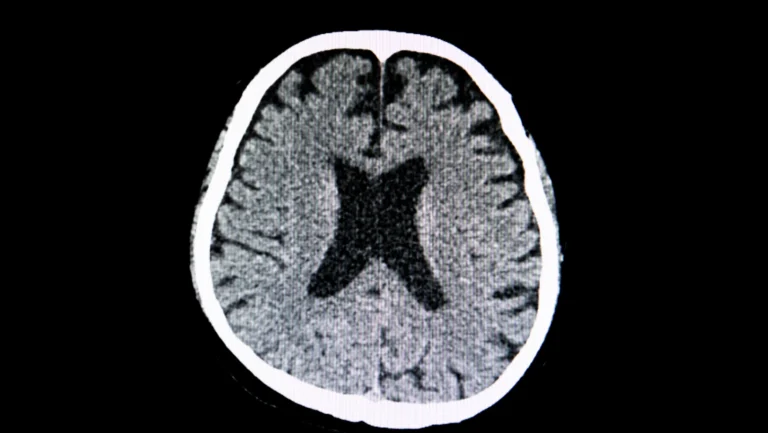

The symptoms of a stroke in women include both the classic FAST signs (Face drooping, Arm weakness, Speech difficulty, Time to call 911) and a set of additional warning signs that are more common in women than men, including sudden nausea, extreme fatigue, confusion, and shortness of breath.
The American Heart Association confirms that women account for more than 55% of all stroke deaths in the US annually, yet women are significantly less likely than men to recognize their own stroke symptoms as a medical emergency.
Stroke is the fifth leading cause of death in American men but the third leading cause in women, per the CDC. This guide covers the early signs of stroke in women, pregnancy-related stroke risks, birth control connections, and exactly what to do when symptoms appear.
Early Signs of Stroke in Women
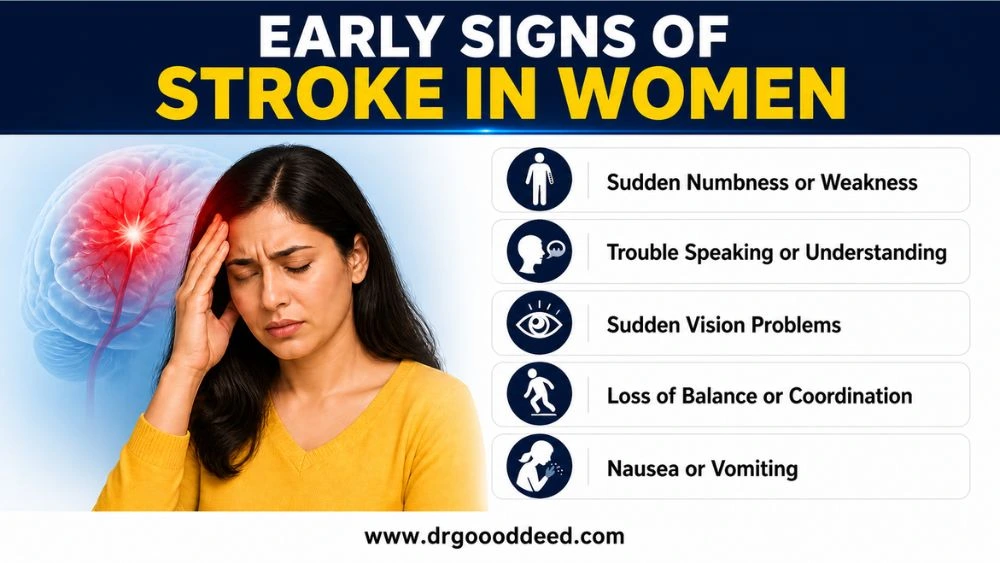
The early signs of stroke in women overlap with the classic FAST criteria but often present with less dramatic intensity than the same symptoms in men. This is clinically documented, and it is why women wait longer before calling for help.
Sudden Numbness or Weakness (Especially One Side)
One-sided numbness or weakness affecting the face, arm, or leg is the most recognized stroke sign across both sexes. In women, this weakness sometimes appears as heaviness or fatigue in one limb rather than clear paralysis, which leads to misinterpretation. A 2018 study in Stroke journal found women described one-sided weakness as “heaviness” 34% more often than men, who described it as “weakness” directly.
Trouble Speaking or Understanding
Sudden inability to form words, slurred speech, or confusion understanding what others say are FAST symptoms stroke in women that require immediate emergency response. Women experiencing this symptom sometimes describe it as “not being able to find words” rather than clear speech failure, which again delays the recognition of stroke.
Sudden Vision Problems
Sudden blurred or double vision in one or both eyes, or sudden loss of vision in one eye, signals a blockage affecting the visual cortex or the ophthalmic artery. This symptom appears identically in both sexes but is more frequently attributed to migraine in women, causing dangerous delays in evaluation.
Loss of Balance or Coordination
Sudden inability to walk straight, severe dizziness, or loss of coordination without an apparent reason is a FAST symptoms stroke indicator in women. This points to a posterior circulation stroke affecting the cerebellum or brainstem. Women report this symptom more frequently in isolation, without accompanying arm weakness, which makes it harder to connect to stroke.
Unique Stroke Symptoms in Women
Symptoms of a stroke in women include a second category that rarely appear in men and that most stroke awareness campaigns do not cover. A 2009 study in Stroke found that women reported at least one atypical symptom in 62% of stroke presentations, compared to 46% of men.
Nausea or Vomiting
Sudden nausea without a digestive cause , especially combined with dizziness or headache, is a documented atypical stroke symptom in women. It results from posterior circulation disruption affecting the brainstem’s vomiting center. Women who present with nausea alone are frequently triaged as lower priority in emergency settings, which worsens outcomes.
Sudden Fatigue or Weakness
General body fatigue severe enough to prevent normal function, arriving without exertion or illness, is a recognized symptom of a stroke in women that has no male equivalent in clinical frequency. A study in Neurology (2009) identified sudden fatigue as one of the top three atypical stroke symptoms reported by women but not men.
Confusion or Altered Mental State
Sudden confusion, disorientation, or a change in behavior unrelated to intoxication, sleep deprivation, or known psychiatric history warrants emergency evaluation. In older women, this symptom is sometimes attributed to dementia or anxiety before stroke is considered, creating life-threatening diagnostic delays.
Shortness of Breath
Sudden, unexplained shortness of breath alongside any neurological symptom (headache, dizziness, weakness) indicates a possible cardioembolic stroke, where a blood clot travels from the heart to the brain. This combination in women mirrors symptoms of cardiac events, creating diagnostic confusion between heart attack and stroke presentation.
Pregnancy-Related Stroke Symptoms
Pregnancy-related stroke symptoms represent one of the most under-discussed areas in women’s stroke awareness. Stroke during pregnancy or the postpartum period is rare but rising. The CDC reports a 60% increase in pregnancy-associated stroke hospitalizations in the US between 1994 and 2011.
High Blood Pressure Complications (Preeclampsia)
Preeclampsia, a pregnancy complication defined by blood pressure above 140/90 mmHg after 20 weeks of gestation, directly raises stroke risk by promoting blood vessel inflammation and clot formation in the brain. Women with severe preeclampsia have a 10-fold higher stroke risk than those with normal blood pressure during pregnancy, per BJOG journal.
Sudden Severe Headache
A sudden “thunderclap” headache during pregnancy or within 6 weeks postpartum is a pregnancy-related stroke symptom requiring immediate emergency evaluation. This type of headache can signal cerebral venous thrombosis (CVT), a blood clot in the brain’s venous drainage system, which disproportionately affects pregnant and postpartum women.
Vision Changes and Swelling
Sudden visual disturbances (flashing lights, vision loss, or double vision) combined with rapid swelling in the hands and face during pregnancy indicate severe preeclampsia or impending eclampsia, both of which carry acute stroke risk. These symptoms of a stroke in women during pregnancy require 911 response, not a routine OB call.
Birth Control and Stroke Risk in Women
Birth control and stroke risk women face is real but dose-dependent and context-specific. Estrogen-containing contraceptives raise stroke risk by promoting clot formation in blood vessels.
Hormonal Contraceptives and Clot Risk
Combined oral contraceptives (containing both estrogen and progestin) raise ischemic stroke risk by approximately 1.9 times in otherwise healthy, non-smoking women under 35, per a meta-analysis in Lancet. Progestin-only pills and hormonal IUDs carry no documented increase in stroke risk based on current clinical data.
Higher Risk in Smokers or Older Women
Women over 35 who smoke and use combined oral contraceptives carry a stroke risk approximately 8 times higher than non-smoking, non-pill users of the same age, per the American College of Obstetricians and Gynecologists. This specific combination is the highest documented contraceptive-related stroke risk scenario.
Combined Risk Factors (BP, Diabetes)
Birth control and stroke risk women carries additional weight when blood pressure exceeds 140/90 mmHg or when type 2 diabetes is present alongside combined hormonal contraceptive use. In these women, the cumulative vascular risk justifies evaluation of alternative contraception options by a physician before continuing estrogen-containing methods.
What to Do If Stroke Symptoms Appear
If stroke symptoms appear, call 911 immediately.
Call Emergency Services Immediately
Do not drive to the hospital. Do not wait to see if symptoms resolve. Call 911 and tell the dispatcher that stroke symptoms are present, so EMS can alert the hospital’s stroke team before arrival. Hospitals with pre-notification cut door-to-treatment time by an average of 17 minutes, per data from Stroke journal.
Note the Time Symptoms Started
The time of symptom onset determines eligibility for IV tPA (alteplase), the clot-dissolving drug that must be given within 4.5 hours of the last known well time. If a woman woke up with symptoms, the last known well time is when she went to sleep. This specific detail determines treatment options and must be reported to paramedics immediately.
Do Not Wait or Self-Medicate
Do not take aspirin before stroke is confirmed by imaging. Aspirin worsens hemorrhagic stroke (bleeding in the brain). Hemorrhagic stroke causes approximately 13% of all strokes but is indistinguishable from ischemic stroke by symptoms alone. If stroke symptoms appear, call 911 and wait for professional evaluation before taking anything.
Why Immediate Treatment Is Critical
The symptoms of a stroke in women demand the same speed of response as a cardiac arrest. The brain loses approximately 1.9 million neurons every minute during an untreated ischemic stroke, per research in Stroke journal. A patient who receives IV tPA within 90 minutes of symptom onset is 2.6 times more likely to have minimal or no disability at 3 months compared to a patient treated after 3 hours.
Women arrive at emergency departments an average of 17 minutes later than men after stroke onset, per a 2022 analysis in JAMA Neurology. This gap directly reduces access to IV tPA and mechanical thrombectomy within treatment windows.
- IV tPA window: 4.5 hours from last known well time
- Mechanical thrombectomy window: Up to 24 hours in selected patients with confirmed large vessel blockage
- Every 15-minute delay in treatment reduces the chance of disability-free recovery by approximately 4%
Risk Factors for Stroke in Women
Symptoms of a stroke in women are more likely to occur in women who carry specific risk factors that differ from the standard male risk profile.
Hormonal Factors (Pregnancy, Menopause)
Estrogen decline during menopause raises blood pressure and accelerates arterial stiffness, increasing stroke risk by approximately 1.4 times in postmenopausal women versus premenopausal women of the same age. Hormone replacement therapy (HRT) with combined estrogen-progestin raises ischemic stroke risk by 31%, per the Women’s Health Initiative trial.
Birth Control Use
Combined oral contraceptives raise stroke risk in women with migraines with aura. This combination, estrogen-containing pills plus migraines with aura, increases ischemic stroke risk by 6-9 times versus women with neither factor, per data from BMJ.
High Blood Pressure and Diabetes
Hypertension is the single most modifiable stroke risk factor in both sexes. In women specifically, blood pressure above 120/80 mmHg in midlife carries steeper future stroke risk than the same reading in men, per the ARIC study published in Circulation.
Smoking and Lifestyle Factors
Smoking doubles stroke risk in women. The risk reduction begins within 2-5 years of quitting and returns to near-baseline levels within 10 years of cessation.
FAQs
What are FAST symptoms of stroke in women?
FAST symptoms stroke in women are: Face drooping on one side (ask her to smile; one side doesn’t move), Arm weakness (ask her to raise both arms; one drifts down), Speech difficulty (slurred, strange, or no words), Time to call 911. Women also experience nausea, sudden fatigue, and confusion as additional stroke signs not included in FAST.
How are stroke symptoms different in women?
Symptoms of a stroke in women include atypical signs absent in men: sudden fatigue severe enough to prevent normal movement, nausea without digestive cause, and sudden confusion or altered behavior. A 2009 Neurology study found 62% of women reported at least one atypical symptom during stroke versus 46% of men. These atypical signs delay emergency response significantly.
Can pregnancy cause stroke symptoms?
Yes. Pregnancy-related stroke symptoms occur most often in the third trimester and the 6-week postpartum period. Preeclampsia raises stroke risk 10-fold. Cerebral venous thrombosis, a blood clot in the brain’s drainage veins, is 13 times more common in pregnant women than non-pregnant women of the same age.
Does birth control increase stroke risk in women?
Yes. Combined oral contraceptives raise ischemic stroke risk by 1.9 times in non-smokers under 35. Birth control and stroke risk women face is highest when they smoke, are over 35, have migraines with aura, or have uncontrolled blood pressure. Progestin-only pills carry no documented stroke risk increase.
What to do if stroke symptoms appear?
If stroke symptoms appear, call 911 immediately, note the exact time symptoms started, do not take aspirin before imaging confirms the stroke type, and do not drive to the hospital. Tell the 911 dispatcher “possible stroke” so EMS can activate the hospital stroke team before arrival, cutting treatment time by up to 17 minutes.
Why are stroke symptoms often missed in women?
Symptoms of a stroke in women are missed because atypical signs like fatigue, nausea, and confusion are commonly attributed to anxiety, migraine, or stress before stroke is considered. Women also describe weakness as “heaviness” rather than paralysis, which lowers initial clinical suspicion during emergency triage assessments.
How to prevent stroke in women?
Stroke prevention in women requires controlling blood pressure below 130/80 mmHg, stopping smoking (risk returns near baseline within 10 years), choosing progestin-only contraception if migraines with aura are present, and treating preeclampsia aggressively during pregnancy. Women with atrial fibrillation need anticoagulant therapy, which cuts stroke risk by approximately 64%.
When should you seek emergency help?
Call 911 the moment any symptom of a stroke in women appears: one-sided weakness, slurred speech, vision loss, severe sudden headache, or sudden confusion. Do not wait longer than 5 minutes to see if it passes. The IV tPA treatment window closes at 4.5 hours. Waiting 30 minutes costs the brain roughly 57 million neurons.