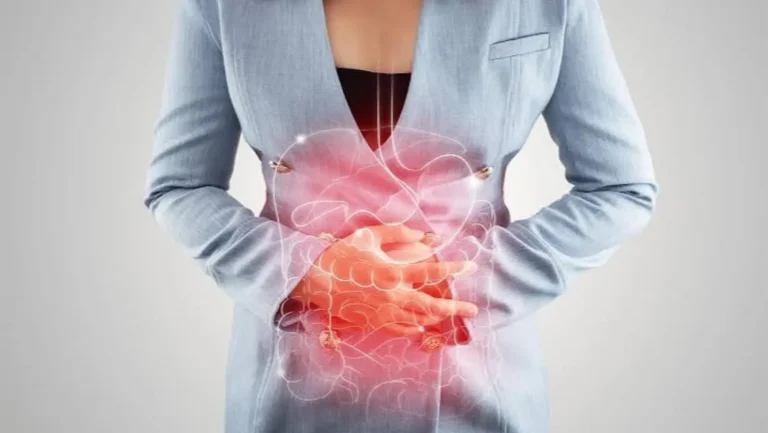

Bloating happens when the gastrointestinal tract fills with gas or air, causing visible swelling and pressure. This common digestive complaint affects up to 30% of adults regularly, disrupting daily activities and causing significant discomfort.
Persistent bloating stems from multiple factors including digestive conditions, dietary choices, hormonal fluctuations, and lifestyle habits. The sensation differs from occasional post-meal fullness. Constant bloating persists throughout the day, stomach worsens after eating, and sometimes occurs without clear triggers. Understanding the root cause requires examining eating patterns, stress levels, gut health, and underlying medical conditions.
Causes of Constant Bloating
The causes of constant bloating include digestive dysfunction, dietary factors, bacterial imbalances, and hormonal shifts. Identifying your specific triggers helps target effective solutions. Multiple factors often combine to create persistent symptoms.
Overeating and eating too quickly
Eating large portions overwhelms your digestive system. The stomach stretches beyond its comfortable capacity, creating immediate fullness and bloating. Fast eating compounds this problem because you swallow excess air with each rushed bite.
Chewing breaks down food into smaller particles that digest more easily. Skipping this food for your stomach and intestines to work harder. The digestive process slows, allowing food to ferment and produce gas. Taking 20-30 minutes per meal gives your brain time to register fullness before overeating occurs.
Constipation and slow digestion
Constipation means having fewer than three bowel movements weekly. Stool builds up in the colon, creating pressure and visible abdominal distension. The trapped waste produces gas as bacteria break it down, adding to bloating discomfort.
Slow gut motility keeps food in the digestive tract longer than normal. This extended transit time allows more fermentation and gas production. Fiber intake, hydration levels, physical activity, and certain medications all affect how quickly food moves through your system.
Food intolerances and sensitivities
Food intolerances occur when your body cannot properly digest specific nutrients. Unlike allergies, intolerances do not trigger immune responses but cause significant digestive distress. Lactose intolerance affects 65% of adults globally, causing bloating, gas, and diarrhea after consuming dairy.
Fructose malabsorption prevents proper absorption of this fruit sugar. Excess fructose reaches the colon undigested, where bacteria ferment it into gas. Gluten sensitivity causes bloating in some people without celiac disease. Identifying problem foods through elimination diets helps pinpoint your specific triggers.
Gut bacteria imbalance
Your intestines contain trillions of bacteria that help digest food and produce vitamins. Healthy balance between beneficial and harmful bacteria maintains digestive function. Dysbiosis describes the state when this balance shifts, allowing gas-producing bacteria to dominate.
Antibiotics, stress, poor diet, and infections disrupt bacterial populations. The resulting imbalance increases fermentation of undigested food, producing excessive gas and bloating. Probiotic foods and supplements help restore healthy bacterial diversity.
Hormonal bloating causes
Hormones directly affect digestion and fluid retention. Fluctuating levels throughout the menstrual cycle cause cyclical bloating patterns. Progesterone rises during the luteal phase, slowing gut motility and causing constipation. Estrogen fluctuations trigger water retention, particularly in the abdomen.
Thyroid dysfunction affects digestive speed. Hypothyroidism slows everything down, including bowel movements, leading to chronic constipation and bloating. Cortisol from chronic stress alters gut bacteria composition and increases inflammation, worsening digestive symptoms.
Bloating After Every Meal Causes
Bloating after every meal involves how your body responds to food components, eating habits, and digestive capacity. Meals trigger predictable bloating when specific foods or eating patterns consistently challenge your system.
Excess gas production during digestion
Normal digestion produces some gas as bacteria break down food in the colon. Certain foods generate significantly more gas than others. Carbohydrates that escape digestion in the small intestine reach the colon intact, where bacteria ferment them vigorously.
The average person produces 1-4 pints of gas daily, passing it 14-23 times. Excessive gas production happens when too many fermentable foods arrive in the colon simultaneously. This creates pressure, cramping, and visible bloating after meals.
High-fat and processed meals
Fat slows stomach emptying more than any other nutrient. Meals heavy in fried foods, cream sauces, or fatty meats sit in your stomach for hours. This delayed emptying creates prolonged fullness and upper abdominal bloating.
Processed foods contain additives, preservatives, and artificial ingredients that some people struggle to digest. These foods also lack fiber that helps move food through the digestive tract efficiently. The combination of high fat and low fiber creates perfect conditions for post-meal bloating.
Lactose intolerance and dairy sensitivity
Lactose intolerance develops when the small intestine produces insufficient lactase enzyme to break down milk sugar. Undigested lactose moves to the colon, where bacteria ferment it rapidly. This produces hydrogen, methane, and carbon dioxide gases within 30 minutes to 2 hours after consuming dairy.
Symptoms include bloating, cramping, diarrhea, and excessive gas. Severity depends on the amount consumed and individual tolerance levels. Some people tolerate small amounts of aged cheese or yogurt better than milk because these contain less lactose.
Carbonated drinks and swallowed air
Carbonated beverages release carbon dioxide gas directly into your digestive system. This gas must exit through burping or passing through the intestines. Drinking carbonation with meals adds extra gas on top of normal digestive gas production.
Aerophagia means swallowing air. This happens when eating too quickly, talking while chewing, chewing gum, drinking through straws, or smoking. The swallowed air travels through the digestive tract, contributing to bloating and gas. Reducing these habits significantly decreases air intake.
Hormonal Bloating Causes
Hormonal bloating causes center on the menstrual cycle, with progesterone and estrogen fluctuations creating predictable patterns. Women experience the most pronounced bloating during the week before menstruation and during ovulation. Water retention increases by 2-4 pounds during this premenstrual phase, concentrated in the abdomen, breasts, and extremities.
Progesterone rises after ovulation, relaxing smooth muscle throughout the body including the digestive tract. This slowed motility causes constipation and gas buildup. Estrogen dominance, where estrogen levels remain high relative to progesterone, worsens water retention and inflammation. Birth control pills, hormone replacement therapy, and perimenopause all affect bloating patterns through hormonal mechanisms.
Digestive Conditions Linked to Frequent Bloating
Several chronic conditions cause persistent bloating as a primary symptom. These disorders require proper diagnosis and management strategies.
Irritable bowel syndrome (IBS)
IBS affects 10-15% of adults worldwide. This functional disorder disrupts normal gut-brain communication, causing abdominal pain, bloating, and altered bowel habits. Bloating ranks as one of the most bothersome IBS symptoms, sometimes causing visible abdominal distension.
IBS subtypes include constipation-predominant, diarrhea-predominant, and mixed patterns. Constipation-predominant IBS creates significant bloating as stool moves slowly through the colon. Low-FODMAP diets reduce bloating in 70% of IBS patients by limiting fermentable carbohydrates that feed gas-producing bacteria.
Acid reflux and indigestion
Gastroesophageal reflux disease (GERD) allows stomach acid to flow backward into the esophagus. This causes heartburn, but also upper abdominal bloating and fullness. Delayed stomach emptying contributes to both reflux and bloating symptoms.
Functional dyspepsia describes chronic indigestion without clear cause. Symptoms include upper abdominal pain, early fullness, and bloating after small meals. Stress, certain foods, and altered stomach sensitivity all contribute to this condition.
Constipation and gut motility issues
Chronic constipation means having hard, difficult-to-pass stools or fewer than three bowel movements weekly for at least three months. The backed-up stool creates obvious bloating and abdominal pressure. Treating the constipation directly relieves the bloating.
Gut motility disorders slow the movement of food through the digestive tract. Gastroparesis delays stomach emptying. Slow transit constipation affects the colon specifically. These conditions require medical management beyond simple dietary changes.
Small intestinal bacterial overgrowth (SIBO)
SIBO occurs when excessive bacteria colonize the small intestine, where bacterial numbers should remain relatively low. These bacteria ferment food before it reaches the colon, producing gas in the small intestine. This causes significant bloating shortly after eating, along with diarrhea, abdominal pain, and nutrient malabsorption.
Breath testing detects SIBO by measuring hydrogen and methane gas levels after consuming a sugar solution. Treatment involves antibiotics to reduce bacterial overgrowth, followed by dietary changes to prevent recurrence. SIBO often develops after food poisoning, abdominal surgery, or conditions that slow gut motility.
Foods That Commonly Trigger Bloating

Certain foods consistently produce more gas during digestion because of their carbohydrate structures or high fiber content. Identifying personal triggers requires tracking symptoms after eating specific foods. Common culprits affect many people, but individual tolerances vary significantly.
- Beans and legumes: Contain oligosaccharides that humans cannot digest. Bacteria ferment these carbohydrates vigorously, producing gas. Soaking dried beans before cooking reduces these compounds.
- Cruciferous vegetables: Broccoli, cauliflower, cabbage, and Brussels sprouts contain raffinose, another indigestible sugar. Cooking breaks down some of these compounds, making them easier to tolerate.
- Wheat and gluten-containing grains: Contain fructans that ferment in the colon. People without celiac disease still experience bloating from wheat due to these carbohydrates rather than gluten itself.
- Onions and garlic: High in fructans that cause gas and bloating. Cooking reduces but does not eliminate these compounds. Garlic-infused oil provides flavor without the fructans.
- Apples and pears: Contain sorbitol and fructose that cause bloating in sensitive individuals. Eating small portions helps determine tolerance levels.
- Sugar alcohols: Xylitol, sorbitol, and mannitol in sugar-free products cannot be fully absorbed. They pull water into the intestines and undergo bacterial fermentation.
- Dairy products: Lactose causes bloating in people lacking sufficient lactase enzyme. Aged cheeses and lactose-free alternatives prevent symptoms.
Best Foods to Relieve Bloating
The best foods to relieve bloating support healthy digestion, reduce inflammation, and help eliminate gas naturally. These foods work through various mechanisms to calm the digestive system.
Hydrating fruits and vegetables
Cucumbers, celery, watermelon, and lettuce contain high water content that prevents constipation. Adequate hydration softens stool and supports regular bowel movements. These foods also provide potassium that balances sodium levels, reducing water retention.
Asparagus acts as a natural diuretic, helping eliminate excess fluid. Bananas provide easily digestible carbohydrates and potassium without triggering gas production. Papaya and pineapple contain digestive enzymes that break down proteins more efficiently.
Fiber-rich foods supporting digestion
Soluble fiber from oats, chia seeds, and flaxseeds absorbs water and forms a gel that moves smoothly through the intestines. This type of fiber prevents constipation without causing gas. Starting with small amounts and gradually increasing prevents digestive upset.
Insoluble fiber from vegetables and whole grains adds bulk to stool, promoting regular bowel movements. This mechanical action helps move gas through the system more efficiently. Balancing both fiber types optimizes digestive function.
Probiotic foods for gut health
Yogurt, kefir, sauerkraut, kimchi, and kombucha contain beneficial bacteria that improve gut health. Regular consumption helps restore bacterial balance disrupted by antibiotics, stress, or poor diet. These foods reduce bloating by improving overall digestive efficiency.
Fermented foods also help break down difficult-to-digest compounds before they reach the colon. This reduces the substrate available for gas-producing bacteria. Choose products with live active cultures for maximum benefit.
Ginger and peppermint for digestive comfort
Ginger accelerates stomach emptying and reduces nausea. Fresh ginger tea after meals helps prevent bloating by moving food through the digestive tract more quickly. Ginger also has anti-inflammatory properties that calm intestinal irritation.
Peppermint relaxes smooth muscle in the digestive tract, reducing cramping and helping gas pass more easily. Peppermint tea or enteric-coated peppermint oil capsules provide relief without triggering heartburn that plain peppermint can cause.
How to Reduce Bloating Naturally
How to reduce bloating naturally involves modifying eating habits, supporting digestion, and addressing lifestyle factors that contribute to symptoms. These strategies work together for comprehensive relief.
Eating slowly and chewing properly
Taking time to chew food thoroughly breaks it into smaller particles that digest more easily. Aim for 20-30 chews per bite, especially for dense proteins and raw vegetables. This mechanical breakdown reduces the work your stomach must do.
Eating slowly also reduces air swallowing. Put your fork down between bites. Avoid talking with food in your mouth. These simple changes significantly decrease the amount of air entering your digestive system.
Staying hydrated consistently
Water supports every digestive process. Adequate hydration softens stool, preventing constipation-related bloating. Water also helps fiber do its job of moving food through the intestines efficiently.
Drinking between meals rather than with meals prevents diluting digestive enzymes. Aim for 8-10 glasses daily, more in hot weather or during exercise. Herbal teas count toward hydration goals while providing additional digestive support.
Regular movement and walking after meals
Light physical activity after eating helps food move through the digestive tract. A 10-15 minute walk stimulates gut motility naturally. This movement also helps gas pass more easily through the intestines.
Regular exercise improves overall gut motility and reduces constipation. Physical activity also manages stress, which directly affects digestive function. Yoga poses that gently compress the abdomen can help release trapped gas.
Managing stress and sleep quality
Chronic stress alters gut bacteria composition and increases inflammation throughout the digestive tract. The gut-brain connection means stress directly affects digestion, often worsening bloating. Stress management techniques like meditation, deep breathing, or therapy improve digestive symptoms.
Poor sleep disrupts hunger hormones and increases cortisol levels. Sleep deprivation also affects gut bacteria diversity. Prioritizing 7-9 hours of quality sleep supports optimal digestive function and reduces bloating.
Lifestyle Habits That May Worsen Bloating
Certain daily habits consistently contribute to bloating, even with an ideal diet. Recognizing these patterns allows targeted changes.
Sedentary lifestyle and poor digestion
Prolonged sitting slows gut motility. Physical inactivity allows gas to accumulate rather than moving through and exiting the system. Office workers particularly struggle with afternoon bloating from sitting all day.
Regular movement throughout the day keeps the digestive system active. Standing desks, walking breaks, and evening exercise all help maintain healthy gut motility and reduce bloating.
Chronic stress and gut sensitivity
Stress activates the sympathetic nervous system, diverting blood flow away from digestion. This slows digestive processes and alters gut bacteria composition. Stress also increases visceral hypersensitivity, making normal amounts of gas feel more uncomfortable.
The gut produces 95% of the body’s serotonin. Chronic stress depletes this neurotransmitter, affecting both mood and digestive function. Managing stress improves bloating through multiple mechanisms.
Excessive sodium intake
High sodium consumption triggers water retention throughout the body, particularly in the abdomen. Processed foods, restaurant meals, and added table salt contribute excessive sodium. The recommended limit is 2,300 mg daily, but most Americans consume over 3,400 mg.
Balancing sodium with potassium-rich foods helps eliminate excess fluid. Reducing processed food intake automatically lowers sodium consumption while improving overall diet quality.
Skipping meals or overeating later
Irregular eating patterns disrupt digestive rhythms. Skipping meals leads to excessive hunger, causing overeating at the next meal. Large meals overwhelm digestive capacity, sitting in the stomach for hours and creating significant bloating.
Eating smaller, more frequent meals maintains steady digestive function. Regular meal timing also supports beneficial gut bacteria that thrive on predictable feeding patterns.
When Constant Bloating Needs Medical Attention
Persistent bloating sometimes signals serious underlying conditions requiring medical evaluation. Certain symptoms warrant immediate assessment rather than continued self-management. Blood in stool, unintended weight loss, severe abdominal pain, or bloating that worsens progressively all need prompt medical attention.
New bloating after age 50 requires evaluation to rule out serious causes. Bloating accompanied by difficulty swallowing, persistent nausea, or vomiting suggests possible obstruction. Family history of colon cancer, inflammatory bowel disease, or celiac disease increases risk and necessitates earlier screening. If basic dietary changes and lifestyle modifications provide no improvement after 2-3 weeks, medical evaluation helps identify underlying conditions.
FAQs
What are the most common causes of constant bloating?
The most common causes of constant bloating include food intolerances (especially lactose and fructose), IBS, constipation, eating too quickly, and swallowing excess air. Gut bacteria imbalance and high-FODMAP foods produce excessive gas during digestion, creating persistent symptoms.
Why does bloating happen after almost every meal?
Bloating after every meal causes typically involve eating too quickly, consuming high-fat or processed foods, lactose intolerance, or underlying digestive conditions like IBS or SIBO. Food intolerances mean specific nutrients consistently trigger gas production during digestion.
Can stress and anxiety worsen bloating symptoms?
Yes. Stress activates your sympathetic nervous system, which slows digestion and alters gut bacteria composition. Chronic stress increases intestinal permeability and visceral hypersensitivity, making normal gas feel more painful. Managing stress through relaxation techniques improves bloating significantly.
Which foods most commonly trigger bloating and gas?
Beans, cruciferous vegetables (broccoli, cauliflower), wheat products, onions, garlic, dairy, apples, pears, and sugar alcohols commonly trigger bloating. These foods contain indigestible carbohydrates that bacteria ferment in the colon, producing hydrogen, methane, and carbon dioxide gases.
How do hormones contribute to bloating during the menstrual cycle?
Hormonal bloating causes stem from progesterone slowing gut motility after ovulation, causing constipation. Estrogen fluctuations trigger water retention concentrated in the abdomen. These changes peak during the premenstrual week, creating predictable cyclical bloating patterns in many women.
Can constipation cause ongoing abdominal bloating?
Yes. Stool backing up in the colon creates visible abdominal distension and pressure. The trapped waste produces additional gas as bacteria break it down. Treating constipation through fiber, hydration, and movement directly relieves associated bloating within days.
What foods may help reduce bloating naturally?
The best foods to relieve bloating include ginger, peppermint, papaya, pineapple, yogurt, kefir, cucumbers, asparagus, and bananas. These foods support digestion through enzymes, probiotics, natural diuretics, or anti-inflammatory compounds that calm the digestive tract and reduce gas.
How does hydration support digestion and reduce bloating?
Water softens stool preventing constipation, helps fiber move food through intestines efficiently, and supports every digestive enzyme function. Adequate hydration (8-10 glasses daily) prevents the constipation-related bloating that affects millions. Dehydration actually worsens water retention paradoxically.
When should persistent bloating be medically evaluated?
If you’re always bloated requires medical evaluation when accompanied by blood in stool, unintended weight loss, severe pain, or progressive worsening. New bloating after age 50, symptoms lasting beyond 2-3 weeks despite changes, or family history of serious conditions warrant prompt assessment.
What is the difference between bloating and serious digestive problems?
Bloating alone typically indicates functional issues like food intolerances or IBS. Serious problems combine bloating with alarm symptoms: persistent vomiting, severe pain, blood in stool, difficulty swallowing, or unintended weight loss. These combinations require immediate medical evaluation for proper diagnosis.