
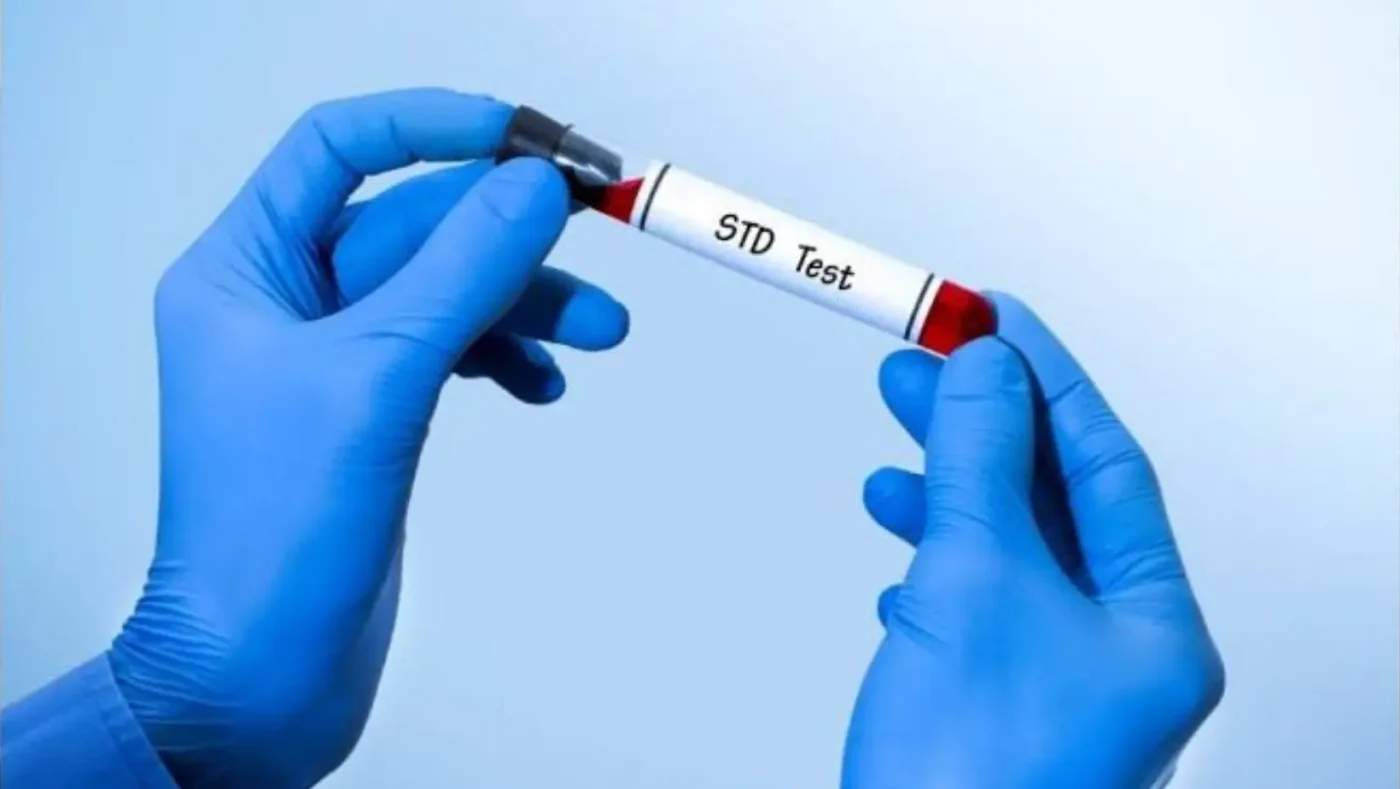

How long it takes for an STD to show depends on the germ involved, your immune system, and where on your body it entered from, two days to several months.
Sexually transmitted infections (STIs) are extremely common in the United States. The CDC estimates roughly one in five people in the country has an STI on any given day. Knowing the STD incubation period for each infection helps you know when a test will actually catch it.
This guide breaks down when STD symptoms appear for chlamydia, gonorrhea, herpes, HPV, HIV, and syphilis. It also covers the right time to test after sex, so you are not testing too early and getting a false result.
How Long Does It Take for an STD to Show?
STD symptom timelines range from 2 days for gonorrhea in some men to 8 to 12 weeks for HIV antibody detection. Two separate clocks matter here: the incubation period and the window period.
Incubation period
The incubation period is the time between exposure and the first physical symptom, such as a sore, discharge, or rash. This clock is about your body. A short STD incubation period means symptoms can show in a matter of days.
Window period
The window period is different. It is the time between exposure and the moment a test can reliably detect the infection in your blood or urine. The STD window period matters most for HIV and syphilis, where antibodies take time to build up to detectable levels.
What Is the Average STD Incubation Period?
Averages vary a lot by infection type, but most bacterial STIs show signs within 1 to 3 weeks. Viral infections often take longer, and some never cause noticeable symptoms at all. Here is a quick reference:
| Infection | Typical incubation period |
| Gonorrhea | 2 to 14 days |
| Chlamydia | 1 to 3 weeks |
| Syphilis (primary sore) | 10 to 90 days, average 21 days |
| Herpes (first outbreak) | 2 to 12 days |
| HPV (genital warts) | 2 to 8 months, sometimes years |
| HIV (acute symptoms) | 2 to 4 weeks |
Symptoms can start before a test would even catch the infection, and a test can turn positive weeks before you feel anything at all.
Can an STD Show Symptoms Immediately?
No infection causes symptoms the same day you were exposed. Your body needs time to react and build up a detectable load of bacteria or virus. Gonorrhea is the fastest mover among common STIs, and even that usually takes at least 48 hours.
Can You Have an STD Without Symptoms?
Yes, and this happens more often than most people realize. Asymptomatic STDs are the norm for several major infections. Up to 70% of women and 50% of men with chlamydia never notice a single symptom, according to CDC data. Relying on symptoms alone misses a large share of active infections.
STD Symptom Timeline by Infection Type
Each infection follows its own clock, and knowing the specific pattern helps you decide when symptoms are worth a same-week doctor visit. Below is the STI symptoms timeline for the five most commonly tested infections in the United States.
Chlamydia and Gonorrhea
The chlamydia symptoms timeline usually runs 1 to 3 weeks after exposure, when symptoms show up at all. Watch for burning during urination, unusual discharge, or pelvic pain. Most infected people, though, feel completely normal.
The gonorrhea symptoms timeline moves faster. Symptoms, when present, often appear within 2 to 14 days. Men are more likely to notice thick discharge or pain while urinating than women.
Early STD symptoms for both infections overlap heavily, which is one reason doctors test for them together using a single urine or swab sample.
Herpes
The herpes incubation period typically runs 2 to 12 days, with an average of about 4 days from exposure to the first blister or sore. First outbreaks tend to be the most painful, with flu-like symptoms such as fever and swollen glands. Later outbreaks are usually milder and heal faster.
Human Papillomavirus (HPV)
HPV behaves very differently from bacterial infections. Genital warts can take 2 to 8 months to appear, and some strains never cause visible warts at all. Cervical cell changes from high-risk HPV strains can take years to show up on a Pap test, which is why routine cervical cancer screening matters even without symptoms.
HIV
Acute HIV symptoms, such as fever, rash, and sore throat, can start 2 to 4 weeks after exposure in roughly two-thirds of people. But the HIV testing window is a separate issue entirely. Modern fourth-generation antigen and antibody tests can detect HIV as early as 18 to 45 days after exposure, according to CDC guidance. Older antibody-only tests may need up to 90 days for an accurate result.
Syphilis
The syphilis symptoms timeline starts with a painless sore called a chancre, usually appearing 10 to 90 days after exposure, with 21 days being the average. This sore heals on its own within a few weeks even without treatment, which often leads people to wrongly assume they are fine. Secondary syphilis symptoms, including rash and fatigue, can follow weeks later if the infection is not treated.
When Should You Get Tested After Exposure?
Timing your test correctly is just as important as getting tested at all. Testing during the window period, before your body has built up a detectable response, is the single biggest reason people get a false negative result.
Testing Too Early May Miss an Infection
How soon you can test for STDs depends on the infection. A chlamydia or gonorrhea test can be accurate within a week or two, while HIV and syphilis tests need more time to become reliable.
Real-world example: Marcus Alvarez, a 29-year-old from Austin, Texas, tested for HIV five days after a possible exposure and received a negative result. His clinic nurse explained that the test window had not passed yet and scheduled a repeat test at 45 days. That second test also came back negative, confirming he had not been infected. His case is a common pattern clinicians see, where an early negative result gives false reassurance instead of a clear answer. (Name changed to protect privacy.)
Best Time to Test for an STD
Use this general guide for testing after a possible exposure:
- Chlamydia and gonorrhea: Test 1 to 2 weeks after exposure
- Syphilis: Test at 6 weeks, then again at 3 months if the first result is negative
- HIV: Test at 2 to 4 weeks with a modern antigen and antibody test, then confirm at 90 days
- Herpes: Blood antibody tests are most accurate 4 to 12 weeks after exposure
How long after sex STD symptoms appear is not the same question as how long after sex you should test. Symptoms can lag behind a positive test result, or never show up at all.
When to Speak With a Healthcare Provider
See a doctor right away if you notice a sore, unusual discharge, pelvic pain, or a rash, regardless of how recently you had sex. Do not wait for the “typical” timeline to pass if something feels wrong. Same-day or urgent care visits are appropriate for any new genital sore or fever with a rash.
FAQs
How soon can STD symptoms appear?
Gonorrhea can appear in as little as 2 days, while herpes usually takes 2 to 12 days. Chlamydia and syphilis often take 1 to 3 weeks. Many infections, though, cause no symptoms at all.
Can you have an STD and not know it?
Yes. Chlamydia goes unnoticed in up to 70% of infected women and half of infected men, per CDC data. HPV and early HIV frequently cause zero symptoms while remaining fully transmissible to partners.
How long after sex should I get tested for an STD?
Test for chlamydia and gonorrhea at 1 to 2 weeks. Test for HIV at 2 to 4 weeks, with a confirming test at 90 days. Test for syphilis at 6 weeks and again at 3 months.
Which STD shows symptoms the fastest?
Gonorrhea shows symptoms fastest, often within 2 to 5 days in men who develop noticeable discharge. Herpes follows closely, with sores typically appearing within 4 days on average after first exposure.
Can an STD show up months after exposure?
Yes. Genital warts caused by HPV can take up to 8 months to appear. Untreated syphilis can silently progress for months to years before causing serious organ damage in its later stages.
Sources
- CDC: Sexually Transmitted Infections Prevalence, Incidence, and Cost Estimates
- CDC: Chlamydia Fact Sheet
- CDC: Gonorrhea Fact Sheet
- CDC: Genital Herpes Fact Sheet
- CDC: HIV Testing Overview
- CDC: Syphilis Fact Sheet
- CDC: Genital HPV Infection Fact Sheet
- Mayo Clinic: Sexually Transmitted Diseases Overview
- Planned Parenthood: STD Testing Timeline
- USPSTF: Screening for Chlamydia and Gonorrhea Recommendation











2 Comments
Comments are closed.