
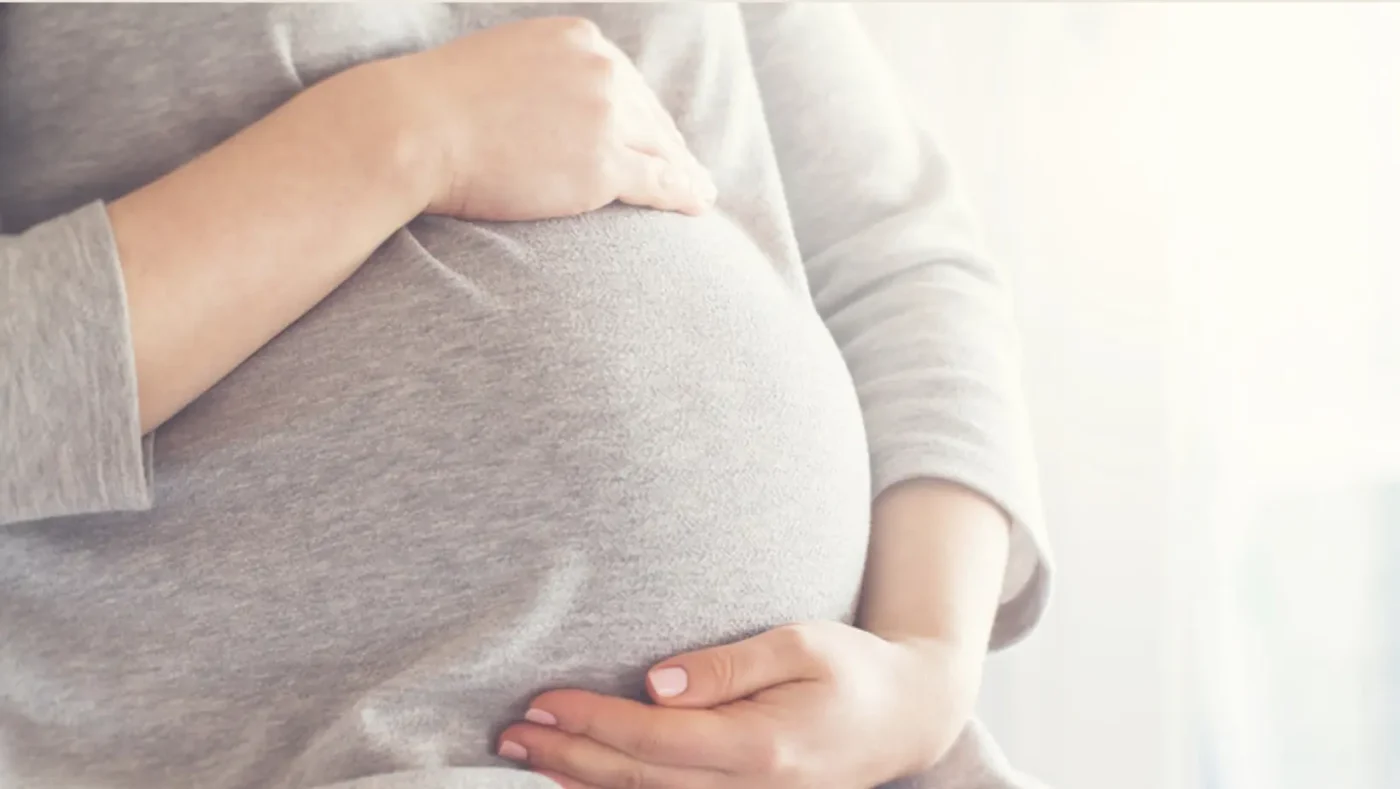

Yes, you can get pregnant right after your period. The chances of getting pregnant right after your period are lower than during your fertile window, but they are never zero. Sperm can live inside your body for up to five days, and if your body ovulates earlier than expected, sex right after bleeding stops can still lead to pregnancy. This is especially true if you have a short cycle, a long period, or an irregular cycle.
Can You Get Pregnant Right After Your Period?
Yes, it’s possible, though less likely than sex during ovulation. Your risk depends on how long your cycle is, how long you bleed, and when your body releases an egg that month. There’s no fixed “safe” number of days right after a period that works for everyone.
How the Menstrual Cycle Affects Pregnancy Chances
Your cycle has four rough phases: your period, the follicle-growing phase, ovulation (egg release), and the days before your next period. Pregnancy can only happen if sperm fertilizes an egg, so your chances of getting pregnant right after your period rise or fall based on how close that day sits to ovulation.
A “textbook” 28-day cycle usually places ovulation around day 14, counting day 1 as the first day of bleeding, which leaves several dry days between the end of a period and ovulation. But very few women run on a textbook cycle every single month, so this number is a guide.
Why Pregnancy Is Still Possible After Your Period
Sperm doesn’t need fresh ovulation to fertilize an egg. Sperm can survive in cervical mucus for three to five days after sex. So if you had sex on the last day of your period and ovulate five days later, that sperm may still be alive and waiting.
Sperm survival after the period is the biggest reason pregnancy tests still come back positive right after periods. Cervical mucus quality also matters. As you approach ovulation, mucus becomes thinner and more sperm-friendly, which helps sperm live even longer.
Does Cycle Length Change Your Fertility Window?
Yes, and this is where most confusion starts. Cycle length shifts the entire calendar. If you have a 21-day cycle, ovulation might happen around day 7, which could be right as your period ends or only a couple of days after. If you have a 35-day cycle, ovulation happens later, giving you more low-risk days after bleeding stops.
| Cycle Length | Typical Ovulation Day | Days Between Period End and Ovulation |
| 21 days | Around day 7 | Very few, sometimes overlapping with the period |
| 28 days | Around day 14 | Moderate gap |
| 35 days | Around day 21 | Longer gap |
This table shows why short menstrual cycle pregnancy risk is higher than people expect. If your period lasts 6-7 days and your cycle is only 21-24 days long, ovulation can arrive within days of your period ending, sometimes even overlapping with light bleeding.
What Increases the Chances of Pregnancy After a Period?
Several personal factors stack together to raise or lower your odds. Understanding each one helps you judge your own situation instead of relying on a generic rule that doesn’t apply to your body.
Early Ovulation
Early ovulation is the single biggest wildcard. Stress, illness, travel, weight changes, and even breastfeeding can push ovulation earlier or later than your usual pattern. If ovulation moves up, sex right after your period lands much closer to your fertile window than you’d planned.
Sperm Survival
As mentioned, sperm can live inside the reproductive tract for three to five days under good conditions. This means sex doesn’t need to happen on the day of ovulation to result in pregnancy. It just needs to happen within the five days before it, which stretches the risk window backward toward your period.
Irregular Menstrual Cycles
If your cycles vary by more than a week from month to month, predicting ovulation gets much harder. Conditions like PCOS (polycystic ovary syndrome, a hormone condition that affects ovulation), thyroid issues, and perimenopause (the years before menopause when periods become unpredictable) all cause cycle irregularity, making the timing of fertile days after period difficult to pin down with confidence.
Timing of Unprotected Sex
The closer sex happens to the end of your period, especially with a short cycle, the smaller the buffer between intercourse and possible early ovulation. Multiple episodes of unprotected sex across several days after your period also raise cumulative risk, since each act adds fresh sperm that could survive until an egg is released.
Work Out Your Own Pregnancy Window After a Period
You can estimate your own menstrual pattern with a bit of math and some body awareness. This section breaks it down for two different goals so you can apply it to your own situation.
If You’re Trying to Conceive
- Track your cycle length for at least three months using an app or calendar.
- Subtract 14 days from your average cycle length to estimate your ovulation day (this works best for cycles between 26 and 32 days).
- Watch for ovulation after period signs like clear, stretchy cervical mucus, a small rise in body temperature, or mild one-sided pelvic twinges.
- Have sex every one to two days during the five days before your estimated ovulation, plus ovulation day itself.
If You’re Trying to Avoid Pregnancy
- Don’t rely on “right after my period” as a safe zone unless your cycle is long and very regular.
- Use a reliable method (condoms, birth control pills, IUD, or another approved method) every time, not just during your estimated fertile window.
- If you use natural family planning, track basal body temperature and cervical mucus for several months before trusting the method alone.
- Remember that stress, illness, or travel can shift ovulation without warning, even in normally regular cycles.
“My Period Ended X Days Ago” What Actually Matters?
Knowing your own numbers here matters far more than any generic “day count” rule you’ll find online.
Question 1: What cycle day was the sex? Count from day 1 of your last period. Sex on day 5 carries different risk than sex on day 10.
Question 2: How long are your cycles usually? Shorter cycles push ovulation closer to your period, raising the chances of getting pregnant right after period for that specific month.
Question 3: Are they regular or variable? A cycle that swings between 24 and 34 days makes any calendar-based guess unreliable.
Question 4: How many days do you normally bleed? A 7-day period on a 24-day cycle leaves very little dry time before ovulation could start.
Question 5: Is there evidence ovulation is approaching? Fertile-quality cervical mucus, a positive ovulation predictor kit, or mid-cycle pelvic twinges all suggest your fertile window after period has already started.
These five answers together give a far more accurate picture than simply stating “sex happened two days after my period ended.” Two people with that same sentence could have completely different pregnancy risks based on their cycle length and regularity alone.
What Should You Do After Unprotected Sex?
If you’ve had unprotected sex and are unsure about your risk, you have two practical, time-sensitive options.
When to Consider Emergency Contraception
Emergency contraception pills work best the sooner you take them, ideally within 72 hours, though some types remain effective up to 120 hours (5 days) after sex according to the CDC. A copper IUD placed within five days offers the most effective emergency option and then continues as ongoing birth control. Speak with a pharmacist or doctor if you’re unsure which option suits your situation.
When to Take a Pregnancy Test
Home pregnancy tests detect a hormone called hCG, which usually only becomes measurable about 10-14 days after ovulation, not after sex itself. Testing too early can give a false negative. If your period doesn’t arrive on its expected date, testing then gives you the most reliable result.
FAQs
Can you get pregnant immediately after your period?
Yes. Sperm can survive up to five days, so sex right after bleeding stops can still result in pregnancy if ovulation happens early that cycle, particularly with cycles shorter than 26 days.
How many days after a period is pregnancy most likely?
Pregnancy odds peak during the five days before ovulation and on ovulation day itself, typically days 10-16 in a 28-day cycle, not immediately after bleeding stops.
Can sperm survive until ovulation after my period?
Yes, sperm can survive three to five days in fertile cervical mucus. If ovulation occurs within that window after your period, pregnancy from earlier unprotected sex is possible.
Does an irregular period increase the chance of pregnancy?
Yes. Irregular cycles make ovulation timing unpredictable, so sex that seems “safe” based on calendar counting can accidentally land close to an unexpected ovulation day.
When should I take a pregnancy test after unprotected sex?
Wait until your period is late, or about 14 days after the suspected sex or ovulation. Testing earlier often gives an unreliable, false-negative result.
Sources
- Centers for Disease Control and Prevention: Emergency Contraception
- World Health Organization: Family Planning/Contraception Methods
- National Institutes of Health, Eunice Kennedy Shriver NICHD: Menstrual Cycle Information
- Mayo Clinic: Ovulation Symptoms and Fertility
- American College of Obstetricians and Gynecologists: Fertility Awareness-Based Methods









2 Comments
Comments are closed.