
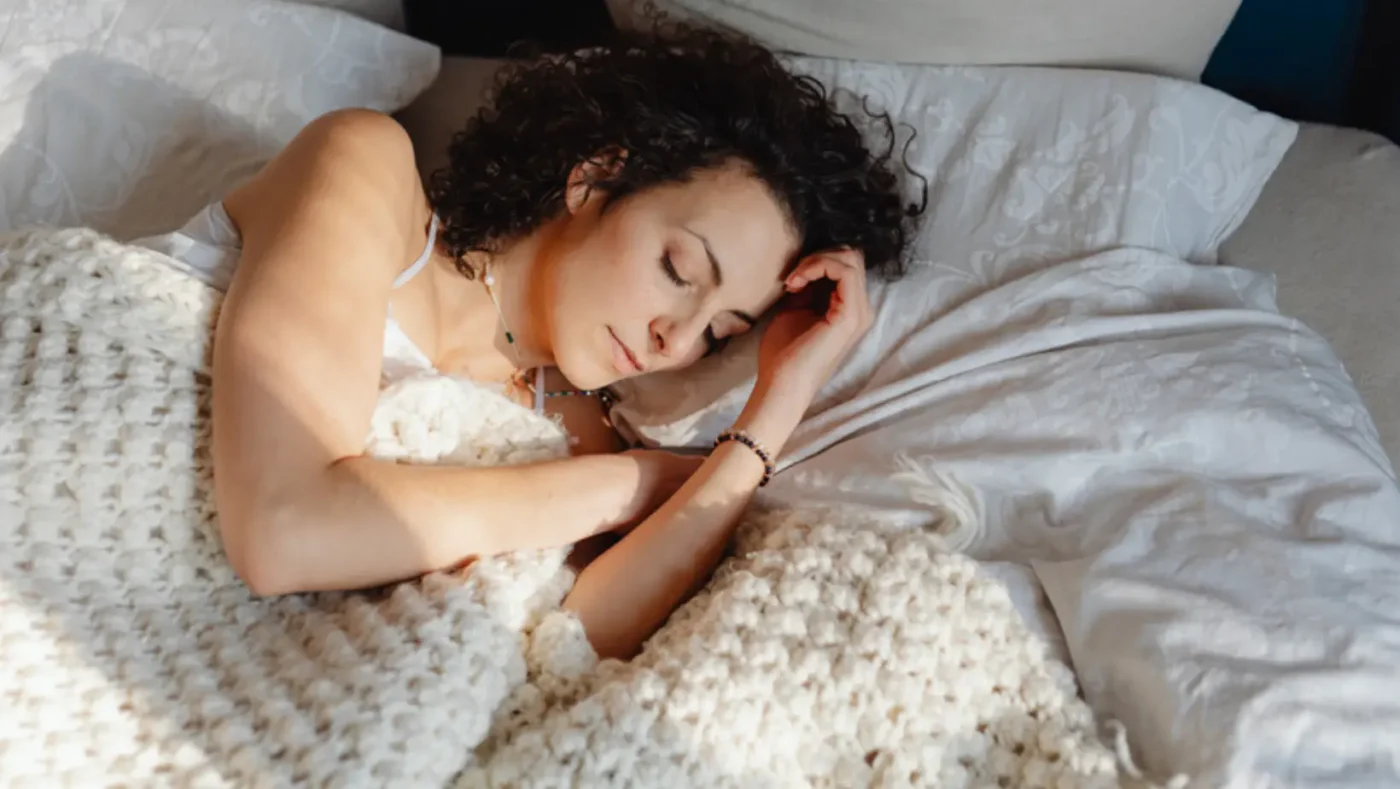

For some people, yes, masturbation and sleep are connected, and finishing with an orgasm can make it easier to relax and drift off. But it is not a proven cure for insomnia, and the effect is different for everyone. But masturbation cannot help you sleep in a reliable, repeatable way. Research points to relaxation, hormone shifts, and lower stress as the likely reasons, though scientists are still filling in the gaps.
Can Masturbation Help You Sleep?
For many people, masturbation helps you sleep. A 2024 pilot study in Sleep Health, the journal of the National Sleep Foundation, measured sleep with wearable trackers and found that solo masturbation and partnered sex both improved sleep efficiency and cut down on nighttime waking compared to nights with no sexual activity. Your body seems to treat orgasm as a signal to power down, not power up.
How Masturbation May Promote Relaxation
Orgasm triggers a wave of physical changes that mimic what your body does naturally before sleep. Heart rate and blood pressure spike during arousal, then drop fast once orgasm passes. Muscles that were tense during arousal go slack. This crash in physical tension is one reason masturbation before sleeping feels like such a release for so many people. It is less about pleasure alone and more about your nervous system shifting from “on” to “off.”
The Role of Hormones After Orgasm
Hormones after orgasm shift in a pattern that favors calm over alertness. Prolactin rises sharply, oxytocin floods in, and cortisol, your main stress hormone, drops. A well-known study published in Biological Psychology found that prolactin after orgasm can jump by roughly 400% compared to prolactin levels after non-sexual activity. That spike is tied to the “satisfied and sleepy” feeling many people describe right after climax. Researchers see this hormone shift as a satiety signal. It tells your brain that arousal is done, so it can stand down.
Does Masturbation Improve Sleep Quality?
Sleep quality is about more than just falling asleep fast. It includes how often you wake up, how long you stay in deep sleep, and how rested you feel the next morning. On this front, sleep quality after orgasm looks genuinely better in early research.
The 2024 Sleep Health pilot study found reduced wakefulness after sleep onset following solo masturbation, meaning people stayed asleep more consistently through the night. That said, the same study found no clear change in total sleep duration or how quickly people fell asleep, so the sample size was small and the effect on falling asleep faster is still uncertain.
Why Masturbation May Make You Feel Sleepy
That heavy-eyelid feeling after orgasm has a real biological basis, not just a psychological one. Four separate changes happen almost at once inside your body, and together they explain why so many people feel ready to sleep right after finishing. Understanding these mechanisms helps separate genuine science from wellness-blog guesswork.
Release of Prolactin, Oxytocin, Endorphins & Dopamine Changes
Oxytocin and sleep are closely linked because oxytocin lowers activity in the amygdala, the brain region that drives alertness and fight-or-flight responses. Endorphins and sleep connect in a similar way. Endorphins are your body’s natural painkillers, and they create a calm, floaty feeling that makes it easier to let go of racing thoughts. Dopamine spikes during arousal but drops after orgasm, and that drop is part of what pulls you out of an alert, seeking state. Here is a quick breakdown:
| Hormone/Chemical | What It Does After Orgasm |
| Prolactin | Rises sharply, linked to satisfaction and drowsiness |
| Oxytocin | Reduces amygdala activity, promotes calm and bonding |
| Endorphins | Natural pain relief, creates relaxed feeling |
| Dopamine | Drops after peaking, reduces alertness |
| Cortisol | Decreases, lowering stress response |
Reduction in Stress and Tension
Cortisol is the hormone your body releases when it senses stress, and elevated cortisol at night is one of the most common reasons people lie awake staring at the ceiling. Orgasm blunts cortisol output, at least temporarily. For someone whose mind won’t stop replaying the day’s problems, this dip in stress hormones can be the difference between tossing and turning and actually drifting off.
Physical Relaxation After Sexual Activity
Beyond hormones, there is a simple mechanical piece to this too. Sexual activity is physical exertion. Heart rate climbs, breathing quickens, and muscles engage. Once orgasm ends that cycle, your body settles into the kind of loose, heavy relaxation that resembles post-exercise fatigue. Combine that physical tiredness with a hormone mix built for calm, and you get a state that closely resembles the wind-down your body naturally does before sleep.
When Masturbation May Not Improve Sleep
Masturbation effects on sleep are not universal, and there are situations where this habit does not help, or can even backfire.
Using It as the Only Way to Fall Asleep
Relying on any single method, medication, supplement, or behavior, as your only way to fall asleep can create dependency. If you find yourself unable to sleep without it, that is a sign to build a broader sleep hygiene routine instead of leaning on one habit alone. A varied approach protects you if that one method stops working during a stressful week or a night away from home.
Disrupted Sleep Due to Late-Night Screen Use
If masturbation involves scrolling on a phone or watching content on a screen right before bed, the blue light exposure can work against you. According to the Mayo Clinic, screen light close to bedtime interferes with melatonin production, the hormone your brain needs to regulate its sleep-wake cycle. The orgasm might help, but the screen time leading up to it can cancel out the benefit.
Underlying Sleep Problems
Orgasm and melatonin are not interchangeable, and masturbation is not a treatment for diagnosed sleep disorders like sleep apnea, chronic insomnia, or restless leg syndrome. If you regularly struggle to fall or stay asleep despite good habits, that points to something a doctor needs to evaluate, not a lifestyle tweak to try harder at.
FAQs
Does masturbating before bed help you sleep?
Yes, for many people. Orgasm lowers cortisol and raises prolactin and oxytocin, which promote relaxation. Effects vary by person, and it works best combined with consistent sleep hygiene habits like a fixed bedtime.
Why do I feel sleepy after masturbation?
Prolactin spikes after orgasm, sometimes by around 400% compared to non-sexual activity levels. Combined with dropping dopamine and cortisol, this hormone shift creates the drowsy, satisfied feeling many people notice right afterward.
Can masturbation reduce stress before sleep?
Yes. Orgasm reduces cortisol, your primary stress hormone, and releases oxytocin, which calms the amygdala. This combination can quiet racing thoughts that otherwise keep you awake, especially on high-stress nights.
Is masturbation a healthy sleep habit?
It can be, when paired with other habits like consistent bedtimes and low screen use. It becomes unhealthy only if it turns into the sole method you rely on to fall asleep every single night.
Can masturbation cause sleep problems?
Rarely, but yes. Screen use during masturbation can delay melatonin release. Using it as your only sleep strategy can also create dependency, making it harder to sleep without it during travel or stressful periods.
Sources
- Mayo Clinic – Sleep tips: 6 steps to better sleep
- Mayo Clinic Health System – Sleep: Foundation for healthy habits
- CDC – Tips for better sleep
- Sleep Health: Journal of the National Sleep Foundation – Sleep on it: A pilot study exploring the impact of sexual activity on sleep outcomes in cohabiting couples
- Journal of Sleep Research – The influence of sexual activity on sleep: A diary study (Oesterling et al., 2023)
- PubMed – The post-orgasmic prolactin increase following intercourse is greater than following masturbation (Krüger et al.)
- MDLinx – First study in decades explores this health benefit of sex
- Healthline – Sex before bed improves sleep
- Mayo Clinic Health System – 5 ways to get better sleep
- Mayo Clinic Store – Healthy Sleep: A Guide to Restful Nights





2 Comments
Comments are closed.