
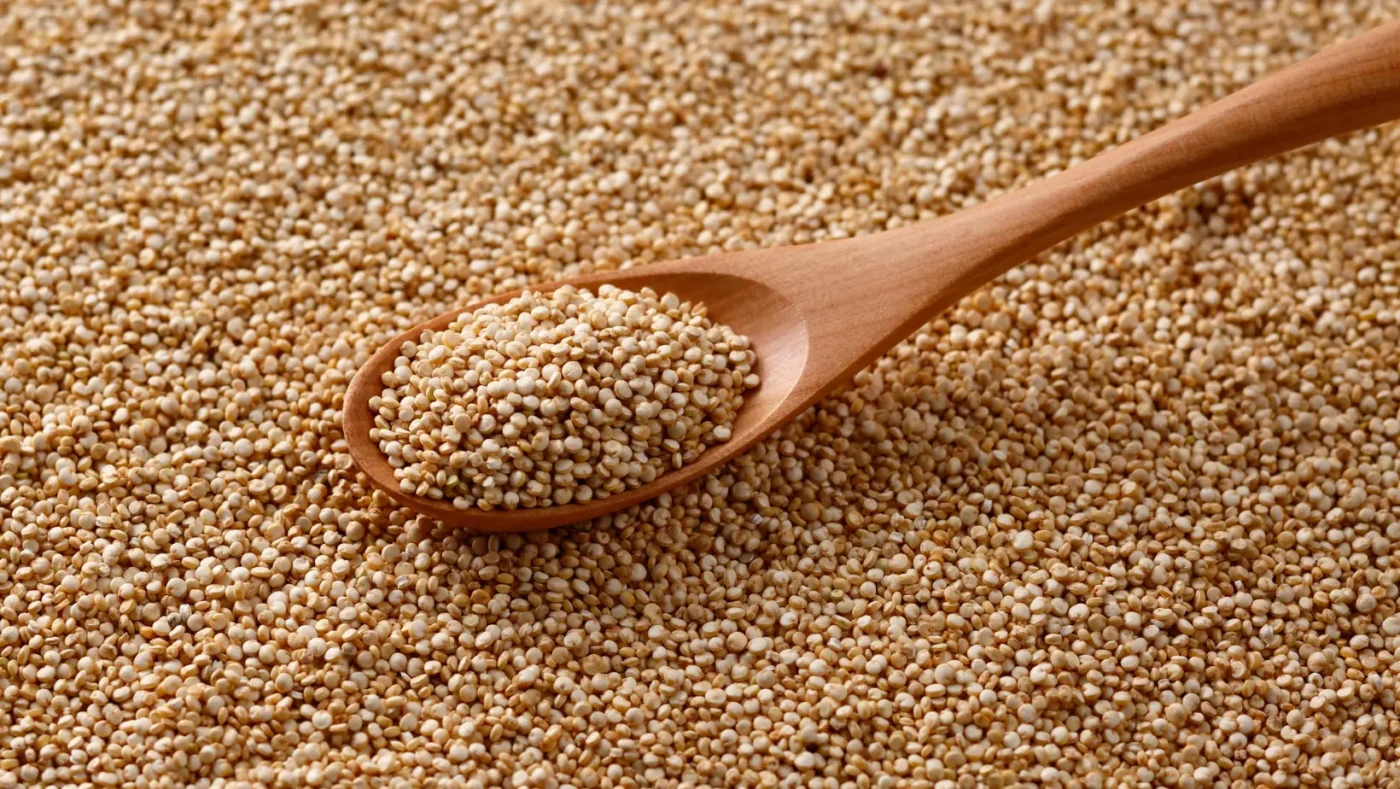

The health benefits of quinoa come from a rare combination of complete protein, high fiber, and a full set of minerals, all packed into one small seed. Quinoa is not technically a grain. It’s a pseudocereal, meaning it comes from a broadleaf plant, not a grass, yet it cooks and eats like rice or couscous.
Quinoa carries all nine essential amino acids, something rice, wheat, and oats cannot claim on their own. Quinoa is also naturally gluten-free, which makes it a safe swap for people with celiac disease or gluten sensitivity. One cup of quinoa covers a solid share of your daily protein, fiber, iron, and magnesium needs without added sugar or unhealthy fat.
Basic quinoa nutrition per cooked cup has about 220 calories, 8 grams of protein, 5 grams of fiber, 4 grams of fat, and close to 40 grams of carbs. It also contains small amounts of calcium and vitamin E, nutrients that plain white rice and pasta don’t offer in any meaningful amount.
Health Benefits of Quinoa
The health benefits of quinoa supports digestion, steadies blood sugar, protects your heart, and helps with weight control, all backed by its unique seed structure and nutrient mix. Below is what each benefit actually means for your body.
Provides Complete Plant-Based Protein
Quinoa is one of the only plant foods with all nine essential amino acids in one serving. This makes quinoa protein valuable for vegetarians, vegans, and anyone cutting back on meat. One cooked cup gives around 8 grams of protein, close to what you’d get from an egg and a slice of toast combined. Your muscles, skin, and immune system all rely on these amino acids to repair and rebuild daily.
Supports Digestive Health
Quinoa fiber content is around 5 grams per cooked cup, split between soluble and insoluble types. Soluble fiber feeds the good bacteria in your gut, while insoluble fiber adds bulk to stool and keeps things moving. This combination lowers your risk of constipation and supports a healthier gut lining over time. Unlike white rice, quinoa doesn’t strip away this fiber during processing.
Helps Maintain Healthy Blood Sugar Levels
Quinoa has a glycemic index in the 50s, lower than white rice and most white bread. This means it releases sugar into your blood more slowly, avoiding the sharp spikes that leave you tired and hungry an hour later. The fiber and protein in quinoa slow down digestion even further, which is one reason people managing blood sugar often choose it over refined carbs.
Supports Heart Health
Quinoa contains plant compounds called flavonoids, along with magnesium and potassium, all linked to healthier blood pressure levels. It’s also low in saturated fat and has zero cholesterol. Swapping refined carbs for quinoa a few times a week is a simple habit that supports your heart without requiring a full diet overhaul.
Provides Essential Vitamins and Minerals
Beyond protein and fiber, quinoa carries iron, magnesium, phosphorus, zinc, and B vitamins like folate. Iron helps carry oxygen through your blood, magnesium supports muscle and nerve function, and folate is especially important during pregnancy. Few everyday carbs pack this many minerals into a single bowl.
Supports Weight Management
Because quinoa combines protein and fiber, it keeps you feeling full longer than plain rice or pasta. This can naturally reduce how much you snack later in the day. Among the practical health benefits of quinoa, this fullness factor is one reason it shows up so often in weight-conscious meal plans.
White, Red, Black, or Tri-Color Quinoa, Which Should You Choose?
The differences between white vs red vs black quinoa come down to texture and antioxidant levels, not major nutrition gaps. All three types share a similar calorie and protein count, so your choice mostly depends on the dish and taste you want.
| Variety | Best For | Texture | Nutrition Notes |
| White | Everyday meals | Soft | Mild flavor, most common type |
| Red | Salads | Firmer | Slightly more antioxidants than white |
| Black | Grain bowls | Chewy | Richest antioxidant profile of the three |
| Tri-color | Mixed dishes | Balanced | Blend of textures from all three types |
Antioxidants in red and black quinoa come from their darker seed coats, similar to why dark grapes carry more antioxidants than green ones. The nutrition difference is real but modest, so pick based on how you’re cooking it rather than chasing a “healthier” color.
Quinoa vs Rice, Oats and Other Whole Grains
Comparing quinoa vs rice, quinoa vs oats, and other whole grains helps you pick the right one for your goal instead of assuming one food beats all the rest. Each grain brings something different to your plate.
| Food | Best Feature |
| Quinoa | Complete protein with all nine amino acids |
| Brown rice | Familiar taste, widely available whole grain |
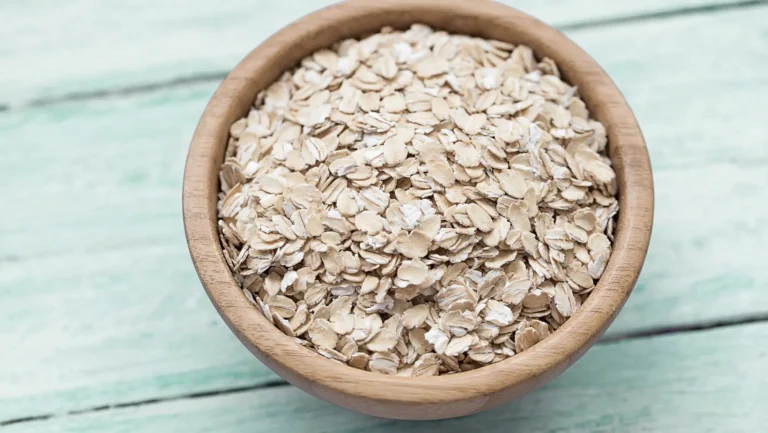
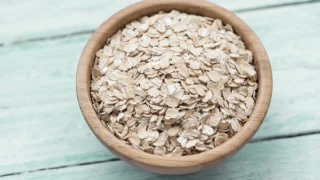
| Oats | High soluble fiber, good for cholesterol |
| Buckwheat | Strong antioxidant content |
| Millet | Easy on digestion, good for sensitive stomachs |
| Barley | Beta-glucan fiber that supports heart health |
If protein is your main goal, quinoa wins. For quinoa vs brown rice, brown rice is cheaper and cooks faster, but quinoa gives more protein per cup. If cholesterol management is the goal, oats may be a better daily pick. There’s no single “best” grain, only the best one for what your body needs right now.
How to Add Quinoa to Your Diet
Adding quinoa to your meals is simple once you know a few basic swaps. It works in savory dishes, breakfast bowls, and salads without needing special ingredients or long cooking times.
Use Quinoa as a Rice Alternative
Swap quinoa in for rice in stir-fries, curries, or as a side dish. It cooks in about 15 minutes and takes on the flavor of whatever sauce or spice you add.
Add Quinoa to Salads and Bowls
Cooled, cooked quinoa adds protein and a slight nutty crunch to green salads or grain bowls. Mix it with vegetables, beans, and a light dressing for a filling lunch.
Include Quinoa in Breakfast Meals
Quinoa isn’t just for lunch or dinner. Cook it with milk, cinnamon, and fruit for a warm breakfast porridge, similar to oatmeal but with more protein per bowl.
Choose the Right Portion Size
A standard serving is about 1/2 cup cooked, roughly the size of your fist. This fits well within how much quinoa should you eat in a single meal without overdoing your calorie count. The best time to eat quinoa is whichever meal fits your schedule, since its slow-digesting carbs work well at breakfast, lunch, or dinner alike.
Things to Consider Before Eating Quinoa
Quinoa is safe for most people, but a few small steps make it easier on your stomach and better tasting.
Rinse Quinoa Before Cooking
Raw quinoa seeds are coated in a natural compound called saponin, which tastes bitter and soapy if left on. Rinsing quinoa under cold water for about a minute before cooking removes most of this coating and improves the flavor.
Possible Digestive Discomfort
Some people notice bloating or gas after eating quinoa, mainly due to its fiber content. This is one of the more common quinoa side effects, especially if you’re not used to eating much fiber. Starting with smaller portions and increasing slowly helps your gut adjust.
Portion Size and Calorie Intake
Quinoa calories sit around 220 per cooked cup, which is moderate but adds up if you’re eating large portions daily. According to cooked quinoa nutrition data, one cup also carries about 39 grams of carbs, so it still counts toward your daily carb total even though it’s a healthier source than refined grains. Wondering can you eat quinoa every day? Yes, in normal portions, daily quinoa fits well into a balanced diet for most healthy adults.
FAQs
What are the main health benefits of quinoa?
The main health benefits of quinoa include complete plant protein, high fiber, iron, magnesium, and a low glycemic index that supports digestion, blood sugar control, and heart health.
Is quinoa better than rice?
Quinoa isn’t universally better than rice. Quinoa vs rice depends on your goal: quinoa offers more protein and fiber, while white rice is gentler on sensitive stomachs.
How much quinoa should I eat in a day?
Most healthy adults can eat 1/2 to 1 cup of cooked quinoa daily. This range covers quinoa nutrition facts for protein and fiber without adding excess calories.
Is quinoa good for weight loss?
Yes. Quinoa’s protein and fiber combination keeps you full longer, which reduces snacking. This fullness effect is one of the practical health benefits of quinoa for weight control.
Can people with diabetes eat quinoa?
Yes. Quinoa has a lower glycemic index than white rice, so blood sugar rises more slowly. Portion size still matters, so pair it with vegetables and lean protein.






2 Comments
Comments are closed.