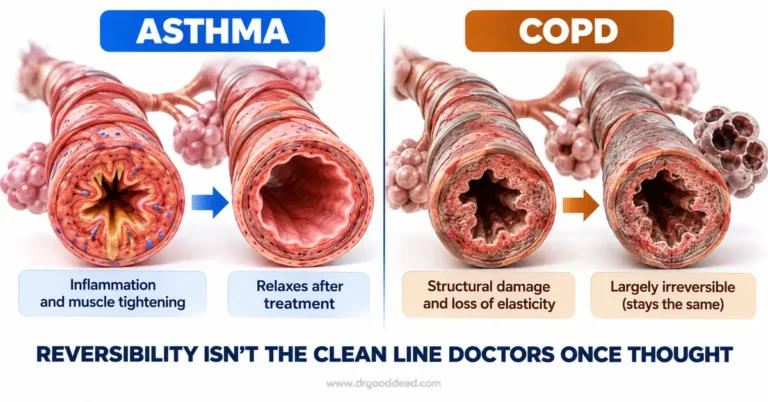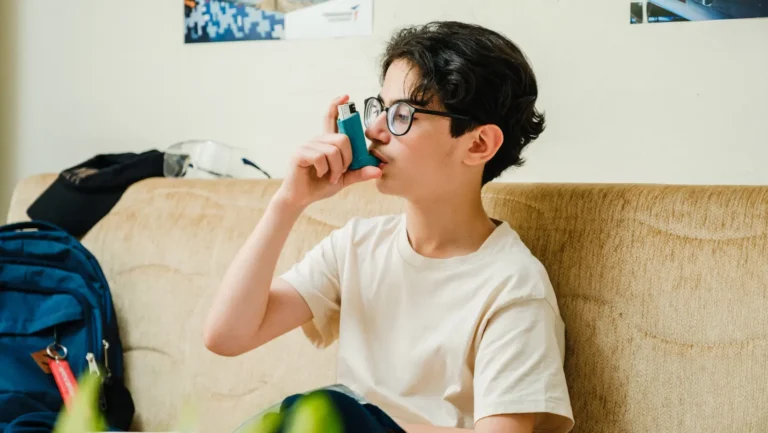

Yes, asthma can cause fatigue. Fatigue is not a classic asthma symptom on its own, but it results from asthma’s effects, including poor sleep, harder breathing effort, chronic inflammation, and recovery time after flare-ups. Asthma affects roughly 25 million people in the United States, and a 2018 clinical study found most patients with the condition report frequent tiredness alongside wheezing and coughing.
A separate study of 733 asthma patients found fatigue was common enough to meaningfully add to the overall burden of the disease. This guide covers why asthma drains energy, warning signs fatigue is tied to poor control, and practical ways to fix it.
Why Asthma Can Make You Feel Tired: The 6 Main Mechanisms
Asthma can cause tiredness due to six overlapping mechanisms, from extra breathing effort to disrupted sleep. Most patients with fatigue caused by asthma are dealing with two or three of these mechanisms stacked together.
1. Breathing Requires More Energy During Poor Asthma Control
Narrowed airways force chest and neck muscles to work harder for each breath. That extra muscular effort burns energy all day, even during light activity, leaving less in reserve by evening. Since the body treats every breath like light exercise when airways stay constricted.
2. Nighttime Asthma Interrupts Restorative Sleep
Nocturnal asthma symptoms wake people repeatedly through the night with coughing, wheezing, or chest tightness. A study of patients with moderate-to-severe uncontrolled asthma found nearly all participants reported fatigue directly tied to fragmented sleep. Broken sleep prevents the deep stages needed for real recovery.
3. Ongoing Airway Inflammation Can Affect Overall Energy
Chronic inflammation does not stay confined to the lungs. Inflammatory chemicals circulating in the blood are linked to general tiredness, similar to how a lingering cold leaves the whole body feeling worn down. Patients with higher inflammation markers on lab tests tend to report worse fatigue scores, independent of how well their lung function tests look.
4. Recovering From an Asthma Attack Takes Time
An asthma attack drops oxygen levels temporarily, forcing muscles and cells to work less efficiently. Recovery after a flare-up can take days, during which fatigue lingers even after breathing returns to normal. This delayed recovery period is a part of asthma, causing fatigue that many patients do not expect until they experience it firsthand.
5. Anxiety and Constant Symptom Monitoring
Breathing anxiety builds when someone constantly watches for wheezing or tightness, creating hypervigilance that drains mental energy. This ongoing stress raises cortisol and other stress hormones, adding mental fatigue on top of physical tiredness.
6. Asthma Medications May Occasionally Play a Role
Some oral corticosteroids and antihistamines used for related allergies can cause drowsiness or disrupted sleep patterns in certain patients. Asthma medications and fatigue side effects are worth discussing with a doctor if tiredness started right after a new prescription, since switching formulations sometimes resolves the issue without losing symptom control.
Signs Your Fatigue May Mean Your Asthma Isn’t Well Controlled
Fatigue often shows up before more obvious asthma symptoms get noticed, making it an early warning sign worth tracking. The signs below flag when tiredness is a symptom of uncontrolled asthma, not just a busy week catching up.
- Needing your rescue inhaler more than twice a week
- Waking at night due to coughing or breathlessness
- Reduced exercise tolerance compared to a month ago
- Frequent coughing, especially in the morning
- A declining peak flow reading on a home meter
- Any flare-up or ER visit in the past few weeks
Doctors flag fatigue as an early signal because it often appears before wheezing worsens or peak flow numbers drop noticeably. Anyone noticing two or more of these signs alongside ongoing tiredness should bring a symptom log to their next appointment, since asthma-caused fatigue are easier to treat with concrete data than memory alone.
How to Reduce Fatigue Caused by Asthma
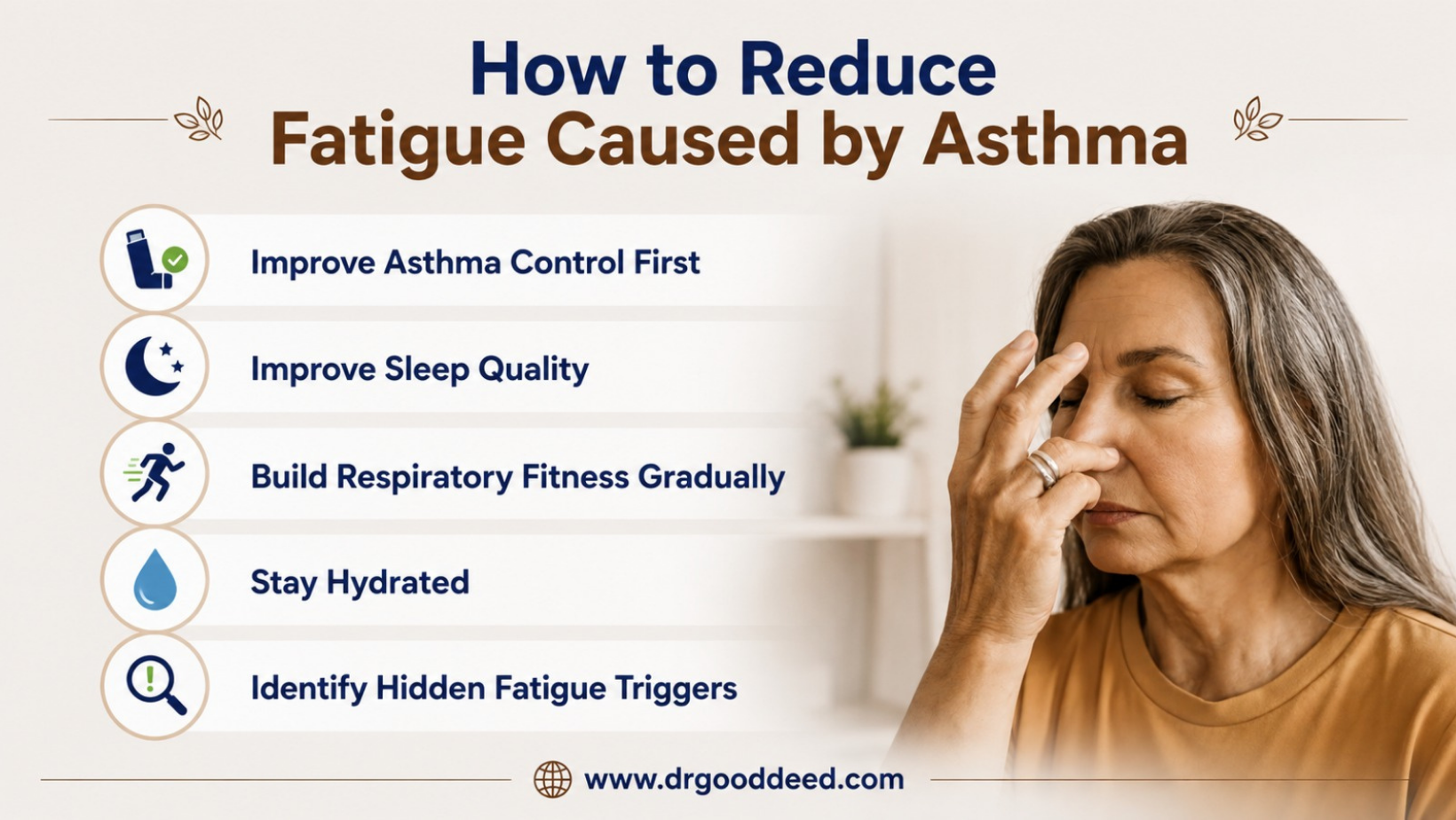
Reduce fatigue caused by asthma starts with fixing the root cause, not just adding caffeine or forcing more sleep. The five strategies below target the actual mechanisms driving tiredness, based on how asthma affects breathing, sleep, and inflammation.
Improve Asthma Control First
Improving asthma control to increase energy matters more than any lifestyle tweak. Using inhaled corticosteroids consistently, not just during flare-ups, reduces the inflammation and nighttime symptoms driving fatigue at the source.
Improve Sleep Quality
Treating nighttime symptoms directly, through allergen control in the bedroom or raising the head of the bed, reduces the awakenings that fragment sleep. Better sleep quality shows up as more daytime energy within a few weeks. A consistent bedtime routine and a cool, dry bedroom also cut down on the temperature and humidity shifts that commonly trigger nighttime coughing.
Build Respiratory Fitness Gradually
Low-impact cardio like walking or swimming, done consistently, strengthens breathing muscles over months. Stronger respiratory muscles need less effort per breath, which frees up energy for the rest of the day. Start with short sessions and increase duration slowly, since pushing too hard too fast can trigger the very symptoms you are trying to reduce.
Stay Hydrated
Thin mucus is easier to clear from airways, and dehydration thickens secretions, making breathing feel more labored. Water intake throughout the day supports easier breathing and indirectly helps reduce fatigue caused by asthma by keeping airway clearance efficient.
Identify Hidden Fatigue Triggers
Untreated allergies, acid reflux, or sleep apnea can worsen nighttime asthma symptoms without an obvious daytime cause. A doctor can screen for these overlapping conditions when standard asthma treatment does not fully resolve the tiredness. Addressing these hidden triggers often does more to reduce fatigue caused by asthma than any single lifestyle change on its own.
Case Spotlight: Tracing Chronic Exhaustion Back to Nighttime Wheezing
The name below has been changed to protect patient privacy.
Melissa Grant, a 36-year-old nurse in Phoenix, Arizona, spent months blaming her exhaustion on long hospital shifts. Her doctor eventually asked about nighttime coughing, which she had dismissed as minor. A sleep-tracked peak flow log showed her breathing dipped every night around 3 a.m., breaking her sleep without her fully waking.
Adjusting her inhaled steroid dose and adding a bedroom air filter cut her nighttime symptoms within three weeks. Her daytime energy returned to normal within a month, confirming her fatigue was tied to can asthma cause fatigue mechanisms rather than her work schedule.
FAQs
Does poor asthma control reduce energy levels?
Yes. Uncontrolled airway inflammation forces harder breathing effort around the clock, and that extra muscular work directly lowers available energy for daily activities. Reviewing asthma medications and fatigue side effects with a doctor can also rule out a drug-related cause.
Can nighttime asthma cause daytime tiredness?
Yes. Nocturnal symptoms fragment deep sleep stages, and a study of uncontrolled asthma patients found nearly all reported daytime fatigue tied directly to disrupted sleep.
Is fatigue a sign of worsening asthma?
Yes, often an early one. Fatigue can appear before wheezing worsens or peak flow readings drop, making it a useful signal to review your asthma action plan.
Can exercise improve energy in people with asthma?
Yes, gradually. Low-impact cardio done consistently over months strengthens breathing muscles, reducing the effort needed per breath and freeing up daily energy.
What foods may help support energy with asthma?
Fatty fish, leafy greens, and foods rich in iron and B vitamins support both anti-inflammatory effects and steady energy production, unlike sugar-heavy snacks that cause energy crashes.
Should I be worried if I feel tired all the time?
See a doctor if fatigue lasts more than two weeks, especially alongside more rescue inhaler use, nighttime waking, or reduced exercise tolerance.
How do doctors evaluate fatigue in people with asthma?
Doctors use fatigue scales alongside spirometry, peak flow tracking, and sleep quality questionnaires to separate asthma-driven tiredness from other causes like anemia or thyroid issues.
Can allergies contribute to asthma-related fatigue?
Yes. Untreated allergies keep airways inflamed overnight, worsening nocturnal symptoms and sleep fragmentation, which compounds the fatigue asthma alone already causes.
Does asthma affect sleep quality?
Yes. Nighttime coughing, wheezing, and chest tightness cause frequent awakenings, and research shows disrupted sleep directly correlates with worse asthma control and daytime fatigue scores.
Sources
- Asthma: Can it cause fatigue?, Medical News Today
- Content Validation of Patient-Reported Sleep Measures in Moderate-to-Severe Uncontrolled Asthma, PMC
- Fatigue is Highly Prevalent in Patients with Asthma and Contributes to the Burden of Disease, PMC
- Patient-centred outcomes in severe asthma: fatigue, sleep, physical activity and work, European Respiratory Society
- Disease control in patients with asthma and respiratory symptoms during sleep, PMC
- Respiratory symptoms, sleep-disordered breathing and biomarkers in nocturnal gastroesophageal reflux, PMC
- FastStats: Asthma, CDC/NCHS
- Global Initiative for Asthma (GINA) Reports
- Most Recent Asthma Data, CDC
- American Academy of Allergy, Asthma & Immunology: Asthma Statistics