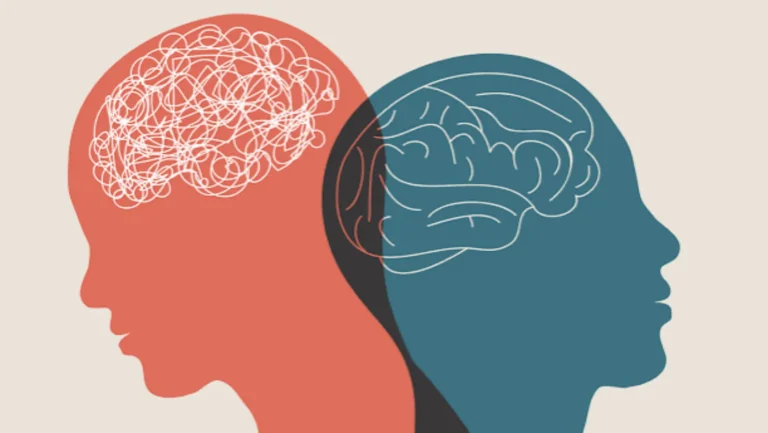

Regular brain exercises to help keep you mentally sharp work by forcing your brain to build new connections instead of coasting on old habits. Cognitive decline is common with age, but research from the National Institute on Aging shows mental stimulation can slow it down. This guide covers 15 specific activities, how to test if they work, and the science behind each one.
What Makes an Activity a Good Brain Exercise?
A true brain workout needs new challenges, growing difficulty, and full attention. Sudoku on day one hundred rarely helps as much as it did on day one, because your brain has already solved that puzzle type. Effective brain exercises to help keep you mentally sharp must keep changing to keep working.
Use the 4-Part “NAPS” Test
Before you trust an activity to sharpen your mind, run it through this quick check:
- Novel: Is this new to you, or something you already do on autopilot?
- Adaptive: Does it get harder as you improve?
- Practiced: Can you do it several times a week without boredom?
- Stimulating: Does it use more than one skill, like memory and coordination together?
If an activity fails two or more parts of NAPS, it is entertainment, not training.
15 Best Exercises to Improve Brain Function
These 15 best exercises to improve brain function are ranked by how strongly research links them to memory, focus, and processing speed. Start with two or three, then rotate in new ones every few weeks.
1. Practice Active Recall Instead of Rereading
Close the book and write down what you remember first. This method is called retrieval practice. A well-known 2006 study by Roediger and Karpicke found that testing yourself produces far stronger long-term memory than simply rereading notes. Try it after any article, meeting, or chapter.
2. Use the “Memory Palace” Technique
Pick a place you know well, like your childhood home. Attach each item on your list to a specific spot along a mental walk through it. This ancient method, called the method of loci, forces your brain to build vivid spatial links, which are easier to recall than plain words.
3. Learn a Skill That Uses Both Brain and Body
Activities like dancing, juggling, or playing an instrument demand memory, timing, and movement at once. This combination challenges more brain regions than a screen-based game ever could. Even 20 minutes twice a week builds new coordination pathways over time.
4. Learn a New Language But Practice Retrieval
Vocabulary apps help, but true gains come from producing the language, not just recognizing it. Cover the translation and say the word out loud first. Bilingualism has been linked to stronger executive function and a later onset of dementia symptoms in some studies.
5. Play Strategy Games That Force You to Plan Ahead
Chess, bridge, and Go all require you to picture several moves before you act. This trains working memory and long-range planning at the same time. Play against people slightly better than you for the fastest improvement.
6. Do Mental Math Without Reaching for Your Phone
Add your grocery bill to your head. Calculate a tip without a calculator. This simple habit keeps your working memory active during ordinary moments of the day, and it costs nothing.
7. Practice Dual-Task Training
Try walking while naming animals that start with each letter of the alphabet. Dual-task training, doing two things that both need attention, mimics real-life multitasking and has shown promise for improving attention control in older adults.
8. Read, Then Explain What You Learned
After finishing a chapter, explain it out loud to another person or record yourself summarizing it. This is called the Feynman Technique. Gaps in your explanation reveal gaps in your understanding, which you can then go back and fix.
9. Rotate Puzzles Instead of Mastering Just One
Crosswords train vocabulary. Sudoku trains logic. Jigsaw puzzles train spatial reasoning. Sticking to one type stops challenging you once you get good at it, so switch puzzle types every two weeks to keep several brain regions engaged.
10. Draw a Map From Memory
Pick a route you travel often, then sketch it from memory without looking at a phone. This exercise strengthens spatial memory, a skill that tends to fade first with age and is tied to hippocampal health.
11. Break an Automatic Routine
Brush your teeth with your non-dominant hand. Take a different route home. Small breaks from autopilot force your brain to pay attention again instead of running on habit, which builds new neural pathways over time.
12. Use Music as Active Cognitive Training
Listening passively offers limited benefit, but learning to play an instrument or sing in a new key demands memory, timing, and fine motor control together. Musicians in several studies show stronger working memory than non-musicians of the same age.
13. Have Conversations That Require Real Thinking
Debate a topic, plan a trip together, or discuss a book with someone who disagrees with you. Real back-and-forth conversation activates language, memory, and social reasoning simultaneously, more than scrolling through a feed ever will.
14. Use Aerobic Exercise as a “Brain Exercise”
Aerobic movement increases blood flow to the brain and supports the release of proteins linked to new neuron growth. A 2022 meta-analysis in the International Journal of Environmental Research and Public Health found aerobic exercise moderately improved memory, attention, and executive function in older adults. Walking briskly for 30 minutes most days counts.
15. Combine Physical + Cognitive Challenge
Dance classes, tennis, and martial arts combine physical coordination with fast decision-making. This dual demand is sometimes called “exergaming” when done digitally, and it consistently outperforms single-task training in research on healthy aging.
| Exercise Type | Main Skill Trained | Time Needed |
| Active recall | Long-term memory | 10 minutes |
| Strategy games | Planning, working memory | 20 to 30 minutes |
| Dual-task training | Attention control | 15 minutes |
| Aerobic exercise | Blood flow, memory support | 30 minutes |
| New language practice | Executive function | 15 minutes |
How Do You Know Whether Your Brain Exercises Are Working?
Track specific, measurable signs instead of guessing. Note how long a task takes you compared to last month. Ask a family member if you seem to follow conversations more easily. Real brain exercises to help keep you mentally sharp should show progress within six to eight weeks if you practice several times a week.
Watch for these signs of real progress:
- You finish familiar puzzles faster than before.
- You forget fewer names or appointments during the week.
- You can hold a longer conversation without losing focus.
- Tasks that felt hard a month ago now feel manageable.
If you notice memory loss that affects daily life, such as getting lost in familiar places, talk to your doctor, this pattern goes beyond normal aging.
FAQs
Do brain exercises really improve memory?
Yes. Studies on retrieval practice and aerobic exercise show measurable memory gains within weeks, though results vary by activity type and consistency of practice.
Can brain games prevent dementia?
No single activity prevents dementia. Research links mental stimulation to a lower relative risk, but genetics, diet, sleep, and vascular health all play a larger combined role.
How often should I do brain exercises?
Aim for at least five sessions a week, 15 to 30 minutes each. Consistency matters more than the length of any single session.
Which activities improve brain function the most?
Aerobic exercise combined with a cognitively demanding task, like dance or tennis, shows the strongest combined effect in current research on healthy aging adults.
Does physical exercise improve brain health?
Yes. Aerobic activity increases blood flow to the brain and supports proteins that help new neurons grow, based on multiple 2022 and 2023 meta-analyses.
Can learning a new language strengthen the brain?
Yes. Studies link active bilingualism to stronger executive function and, in some populations, a later average age of dementia symptom onset.
Is reading good for brain function?
Reading alone offers modest benefit. Reading paired with active recall, like summarizing chapters aloud, produces significantly stronger memory retention than reading passively.
How does sleep affect cognitive performance?
Poor sleep directly reduces attention, memory consolidation, and processing speed. Adults need 7 to 9 hours nightly for the brain to file memories properly.
What foods support brain health?
Diets rich in leafy greens, fatty fish, nuts, and berries are linked to slower cognitive decline, according to research on the MIND diet pattern.
Can meditation improve memory and focus?
Yes. Regular mindfulness practice is linked to improved attention span and working memory, with measurable changes after roughly eight weeks of consistent practice.
Sources
- National Institute on Aging: Cognitive Health and Older Adults
- Roediger & Karpicke (2006), Psychological Science: Test-Enhanced Learning
- Karpicke & Blunt (2011), Science: Retrieval Practice Produces More Learning
- Mayo Clinic: Memory Loss – 7 Tips to Improve Your Memory
- Zhang et al. (2022), International Journal of Environmental Research and Public Health: Aerobic Exercise and Cognitive Function in Alzheimer’s Disease
- Alzheimer’s Association: Stay Mentally Active
- Harvard Health Publishing: Train Your Brain
- CDC: Healthy Aging and Cognitive Health
- NIH National Institute of Neurological Disorders and Stroke: Brain Basics
- Rush University Medical Center: MIND Diet
Medical Disclaimer: This article is for general information only. It does not replace medical advice. Talk to your doctor before starting a new health routine, especially if you have a diagnosed condition.