
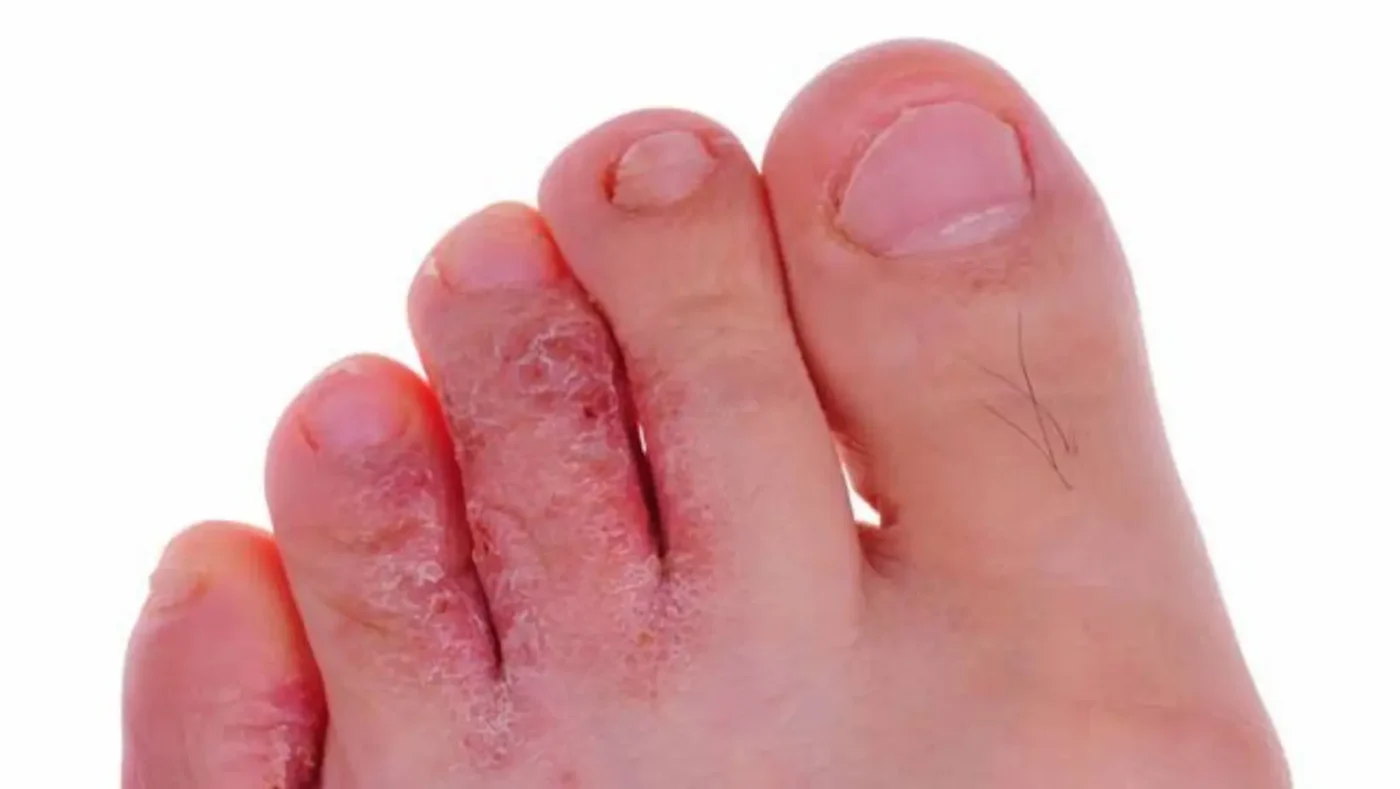

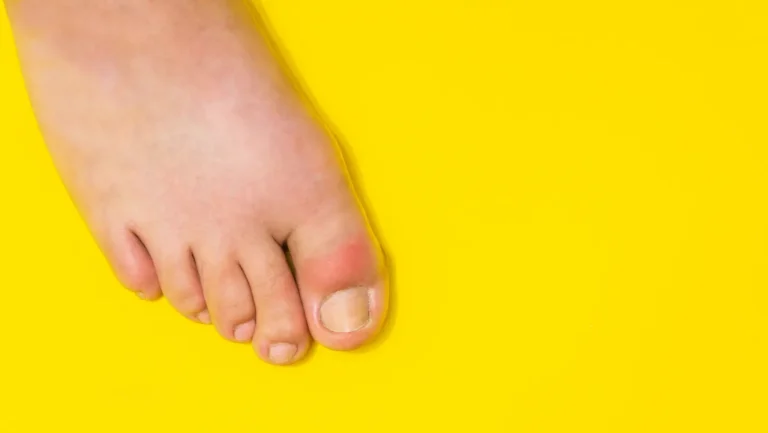
Home remedies for athlete’s foot can ease itching, dry out damp skin, and slow fungal growth in mild cases. Athlete’s foot, known clinically as tinea pedis, is a fungal skin infection that thrives in warm, sweaty places like shoes and locker rooms. This guide covers ten natural remedies for athlete’s foot, a full daily foot care plan, and clear signs that mean it is time to call a doctor.
What Home Remedies Can and Cannot Do for Athlete’s Foot
Home remedies for athlete’s foot work best on mild, early cases by keeping feet dry, reducing itching, and calming irritated skin. They will not always kill the fungus on their own, especially if the infection has spread or reached your toenails. Pairing them with an over-the-counter antifungal cream gives you the best shot at full healing.
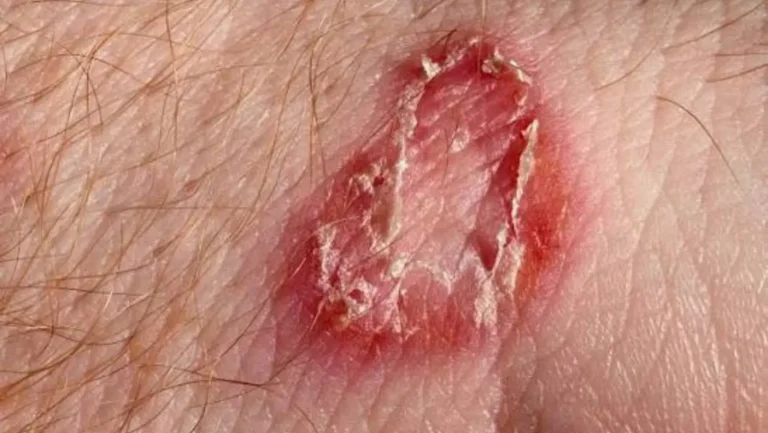
Mild cases often clear up within two to four weeks with consistent home care. But fungus loves moisture, so skipping steps like drying between your toes can undo your progress fast. If your skin cracks, oozes, or smells bad, that is a sign the infection has moved past what home care can fix. Waiting too long lets the fungus spread to your nails or your other foot, so early action matters more than people think.
Home Remedies for Athlete’s Foot
These ten home remedies for foot fungus target the two things fungus needs most: moisture and warmth. Cut off its supply and healing speeds up.
Keep Your Feet Clean and Dry
Wash your feet daily with soap and water, then dry them fully, including between each toe. Fungus spreads fastest on damp skin, so a cotton ball or the corner of a towel works well for those tight gaps.
Soak Feet in Salt Water
Mix two tablespoons of salt into a basin of warm water and soak your feet for fifteen to twenty minutes. Salt water dries out blisters, reduces swelling, and helps pull moisture out of infected skin. Pat your feet completely dry afterward instead of letting them air dry slowly.
Apply Tea Tree Oil
Tea tree oil has natural antifungal properties studied for their effect on skin fungi. Mix a few drops with a carrier oil like coconut oil, since using it undiluted can burn sensitive skin. Apply it to clean, dry feet once or twice a day for athlete’s foot natural relief.
Use Aloe Vera Gel for Skin Relief
Pure aloe vera gel soothes the burning and itching that comes with cracked, inflamed skin. It will not kill the fungus itself, but it calms irritation while your antifungal treatment does its job. Choose plain aloe gel without added fragrance or alcohol.
Try Diluted Vinegar Soaks
White vinegar creates an acidic environment that many fungi struggle to survive in. Mix one part vinegar with two parts warm water and soak your feet for ten minutes, then rinse and dry well. Skip this step if you have any open cuts, since vinegar can sting broken skin.
Apply Antifungal Powder
Medicated foot powders containing miconazole or tolnaftate absorb sweat while fighting fungus at the same time. Dust it inside your shoes and socks each morning, not just on your feet. This double action makes it one of the more effective home remedies to support athlete’s foot healing.
Wear Breathable Shoes and Socks
Choose shoes made from leather, canvas, or mesh instead of synthetic materials that trap heat and sweat. Cotton or wool socks pull moisture away from your skin better than polyester blends. Tight, non-breathable shoes recreate the exact damp conditions fungus needs to grow.
Change Socks Regularly
Swap your socks at least once a day, and sooner if your feet sweat heavily during exercise. Damp socks left on for hours turn into a breeding ground for the same fungus you are trying to clear. Keep a spare pair in your bag if you are active or on your feet all day.
Avoid Scratching the Affected Area
Scratching feels good for a second but tears the skin and lets fungus spread to new areas, including your hands. It also raises your risk of a bacterial infection on top of the fungal one. Press a cool, damp cloth against the itch instead of scratching directly.
Disinfect Shoes to Prevent Reinfection
Spray the inside of your shoes with an antifungal spray or wipe them with rubbing alcohol every few days. Fungal spores survive inside shoe fabric long after your skin looks clear, which is why reinfection is so common. Rotating between two pairs of shoes gives each pair time to fully dry out between wears.
The Daily Foot Care Routine That Makes Home Remedies More Effective
A steady routine matters more than any single product. Building home care for an athlete’s foot into your morning and evening habits keeps moisture and fungus from building back up between treatments.
Morning routine:
- Wash your feet with soap and water
- Dry thoroughly, especially between your toes
- Apply your antifungal cream or natural remedy if you are using one
- Put on clean, moisture-wicking socks
- Choose breathable shoes for the day
Evening routine:
- Inspect your skin for cracking, redness, or new blisters
- Clean your feet again before bed
- Dry them completely
- Rotate to a different pair of shoes for tomorrow
- Let your feet air out for a few minutes before putting on socks or slippers
Sticking to this athlete’s foot self-care routine for at least two weeks gives your skin the consistent dry conditions it needs to actually heal.
When to See a Doctor for Athlete’s Foot
See a doctor if your symptoms have not improved after two to four weeks of consistent home treatment, or if the skin becomes swollen, oozes fluid, or smells unpleasant. These signs can point to a bacterial infection layered on top of the fungal one, which needs prescription treatment. People with diabetes, poor circulation, or a weakened immune system should see a doctor at the first sign of infection rather than waiting.
A doctor can also confirm the diagnosis, since other conditions like eczema or psoriasis can look similar on the skin. If the infection has reached your toenails, over-the-counter creams usually cannot penetrate deep enough, so a prescription antifungal pill may be needed instead.
FAQs
What is the fastest way to get rid of an athlete’s foot at home?
Combine an over-the-counter antifungal cream with daily washing, thorough drying, and clean socks. Most mild cases improve within one to two weeks using this combined approach rather than remedies alone.
Can athlete’s foot go away on its own?
No, athlete’s foot rarely clears without treatment because the fungus keeps feeding on warm, damp skin. Left untreated, it often spreads to nails or the other foot.
Does vinegar help treat athlete’s foot?
Yes, diluted white vinegar soaks can help by creating an acidic surface that slows fungal growth. It works best as a support step alongside antifungal cream, not as a standalone cure.
How long does athlete’s foot take to heal?
Mild cases often clear in two to four weeks with consistent care. Nail infections or severe cases can take several months, especially without prescription treatment.
When should I see a doctor for athlete’s foot?
See a doctor if symptoms persist past four weeks, if skin oozes or smells bad, or if you have diabetes. Nail involvement also usually needs prescription treatment.
Sources
- American Academy of Dermatology Association: Athlete’s Foot Overview
- Centers for Disease Control and Prevention: Fungal Nail Infections
- Mayo Clinic: Athlete’s Foot Diagnosis and Treatment
- MedlinePlus: Athlete’s Foot
- National Institute of Allergy and Infectious Diseases: Fungal Diseases
- American Podiatric Medical Association: Athlete’s Foot
- StatPearls (NIH Bookshelf): Tinea Pedis
- U.S. National Library of Medicine: Tea Tree Oil
- FDA: Over-the-Counter Antifungal Products







2 Comments
Comments are closed.