
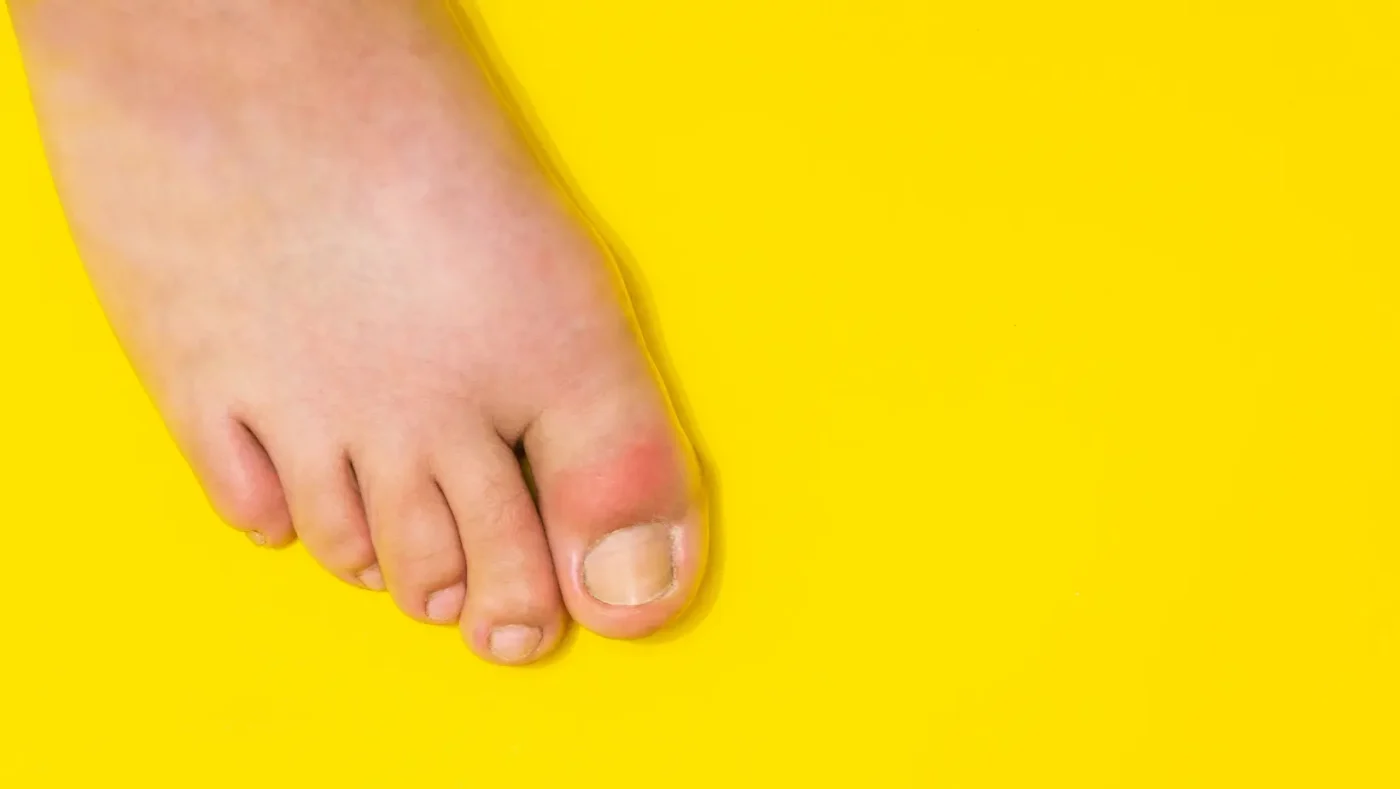

Swollen feet happen when fluid builds up in the tissue of your feet and ankles. This is called edema. Home remedies for swollen feet like elevation, movement, and cutting back on salt can bring down mild swelling within a day or two.
Most cases come from standing too long, hot weather, or sitting on a long flight. These are not dangerous. But swelling that shows up fast, hurts, or comes with chest symptoms needs a doctor right away.
This guide covers why feet swell, ten home remedies for swollen feet backed by real evidence, and the warning signs that mean it is time to call a doctor.
Why Feet Swell: Understanding the Different Types of Foot Edema
Foot swelling has several causes, and they are not all the same problem. Gravity pulls fluid down into your feet during the day. Poor vein function, heat, pregnancy, injury, certain drugs, and organ disease can all trigger it too.
- Gravity-related pooling. Fluid sinks down into your feet when you sit or stand for hours without moving.
- Venous insufficiency. Weak leg vein valves let blood pool instead of flowing back to the heart.
- Heat-related swelling. Hot weather widens blood vessels, so more fluid leaks into surrounding tissue.
- Pregnancy. Extra blood volume and pressure from the uterus on leg veins cause swelling, mostly in the third trimester.
- Injury and inflammation. A sprain, fracture, or infection brings fluid to the area as part of healing.
- Medication side effects. Calcium channel blockers, NSAIDs, and some diabetes drugs are known to cause fluid retention.
- Heart, kidney, or liver conditions. These organs manage fluid balance, and when they weaken, fluid backs up into the legs.
- Lymphedema. Damaged or blocked lymph vessels stop fluid from draining properly, often after cancer surgery or radiation.
10 Home Remedies That May Naturally Reduce Mild Foot Swelling
The remedies below work for swelling caused by gravity, heat, standing, or mild fluid retention. They will not fix swelling from heart, kidney, or liver disease on their own. These are practical, evidence-backed natural remedies for swollen feet you can start today.
1. Elevating Your Feet Above Heart Level
Gravity normally pulls fluid down into your feet. Raising them lets fluid drain back toward your heart. Lie down and rest your feet on two or three pillows, so they sit higher than your chest.
Duration and frequency: Hold this position for 15 to 30 minutes, two to three times a day.
Evidence strength: Strong. Elevation is a first-line recommendation in vascular medicine for venous swelling.
Best for: End-of-day swelling from standing or sitting.
Limitations and safety: Skip this if you have a blood clot or acute heart failure symptoms without checking with your doctor first.
2. Gentle Walking and Ankle Pump Exercises
Your calf muscles act as a pump that pushes blood and fluid back up your legs. This is called venous return. Sitting still for hours turns that pump off. Walk for five minutes every hour. Point your toes up, then down, 15 times while seated.
Evidence strength: Strong, supported by vascular research on calf muscle pump function.
Best for: Office workers, frequent flyers, and anyone sitting for long stretches.
Safety notes: Stop if one leg swells suddenly and feels warm or painful. This can signal a blood clot.
3. Compression Socks (When Appropriate)
One of the most reliable swollen feet home treatment options is graduated compression. These socks squeeze tighter at the ankle and looser near the knee, pushing fluid upward.
Who benefits: People with venous insufficiency, pregnancy swelling, or long-haul travel swelling. Measure your ankle and calf and match them to the brand’s chart. A poor fit can make swelling worse.
Mild vs moderate compression: Mild (8 to 15 mmHg) suits everyday puffiness. Moderate (15 to 20 mmHg) needs a doctor’s guidance.
When to avoid: Do not use compression without medical advice if you have peripheral artery disease or poor circulation.
4. Reducing Excess Sodium Intake
Sodium makes your body hold onto extra water, and that water often settles in your feet and ankles. Bread, canned soup, deli meat, and restaurant food carry more salt than people expect. Cook at home more often. Rinse canned beans and vegetables. Check nutrition labels for sodium per serving. The CDC recommends adults keep sodium under 2,300 mg a day.
5. Staying Well Hydrated
Many people think drinking water makes swelling worse. The opposite is often true. When your body senses dehydration, it holds onto fluid as a defense, and that fluid can pool in your feet.
Aim for consistent water intake through the day rather than large amounts at once. Pair water intake with lower sodium for the best result.
6. Cold Compresses for Swelling After Minor Overuse or Injury
Cold works for inflammatory swelling from a sprain, strain, or overuse, not for general fluid-retention edema. Wrap ice in a cloth and apply for 15 to 20 minutes. Every two to three hours during the first 48 hours after injury. Skip cold therapy if you have poor circulation, nerve damage, or diabetes-related numbness in your feet.
7. Foot and Ankle Range-of-Motion Exercises
Movement keeps fluid from settling. These foot swelling self-care exercises take under five minutes and need no equipment.
- Toe raises: Lift your toes off the floor while keeping your heels down. Repeat 15 times.
- Ankle circles: Rotate each foot in a full circle, 10 times in each direction.
- Heel-toe rocking: Shift your weight from heels to toes while standing, 10 times.
- Calf stretches: Press your palms against a wall and step one foot back, stretching the calf for 20 seconds.
8. Choosing Footwear That Doesn’t Restrict Circulation
This is an overlooked cause that most articles skip. Tight shoes press on the top of the foot and squeeze blood vessels near the forefoot, trapping fluid instead of letting it move.
- Pick shoes with an adjustable strap or lace instead of a fixed slip-on shape.
- Avoid narrow toe boxes, especially by the end of the day when feet are naturally larger.
- On flights over four hours, loosen laces or switch to slip-on shoes to allow for swelling.
9. Limiting Long Periods of Standing or Sitting
Stand up or sit down every 30 minutes if your job keeps you in one position. Alternate between sitting and standing every hour rather than standing all day.
Air travel strategy: Walk the aisle every hour and flex your ankles while seated.
Desk worker routine: Set a phone timer as a reminder to move, since it is easy to forget during focused work.
10. Gentle Foot Massage (Only When Appropriate)
Massage moves fluid out of tissue and toward lymph nodes that can drain it. Use light upward strokes from your toes toward your ankle, never downward. Skip massage if your foot is red, warm, or painful, since this can point to infection or a clot instead of simple fluid buildup. Massage pairs well with elevation as combined swollen feet relief at home.
When to See a Doctor for Swollen Feet
Sudden or Severe Swelling
Swelling that appears within hours, affects only one leg, or comes with tight, shiny skin needs same-day medical attention. This pattern can point to a blood clot.
Swelling With Pain or Redness
Pain, warmth, and redness around swollen skin can signal infection or a clot, not simple fluid buildup. These cases do not respond to swollen ankles home remedies and need a medical exam.
Shortness of Breath or Chest Symptoms
Swollen feet along with shortness of breath, chest pain, or a fast heartbeat can point to heart failure. This combination needs emergency care, not home treatment.
FAQs
What is the fastest way to reduce swelling in feet?
Elevate your feet above heart level for 20 minutes and do ankle pumps. Fluid movement improves within that single session for most mild, gravity-related swelling.
Why do my feet swell up?
Fluid pools due to gravity, heat, prolonged standing, pregnancy, certain medications, or reduced vein and organ function. The exact cause changes which treatment actually works.
Can drinking water help reduce swollen feet?
Yes. Dehydration triggers your body to retain fluid, which worsens swelling. Steady water intake paired with lower sodium reduces this how to reduce edema in feet naturally.
How long does foot swelling usually last?
Mild, gravity-related swelling clears within 24 to 48 hours with elevation and movement. Swelling from pregnancy or medication can persist for weeks without changes.
When should I worry about swollen feet?
Worry if swelling is sudden, one-sided, painful, or paired with shortness of breath. These signs need same-day medical evaluation, not home treatment.
Sources
- Mayo Clinic – Edema, Symptoms and Causes
- CDC – Sodium Reduction
- American Heart Association – Compression Stockings
- National Heart, Lung, and Blood Institute – Peripheral Artery Disease
- MedlinePlus – Edema
- American College of Obstetricians and Gynecologists – Swelling During Pregnancy
- National Cancer Institute – Lymphedema
- American Academy of Orthopaedic Surgeons – Deep Vein Thrombosis
- U.S. National Library of Medicine – Venous Insufficiency
- American Podiatric Medical Association – Foot Health Tips for Travel








3 Comments
Comments are closed.