
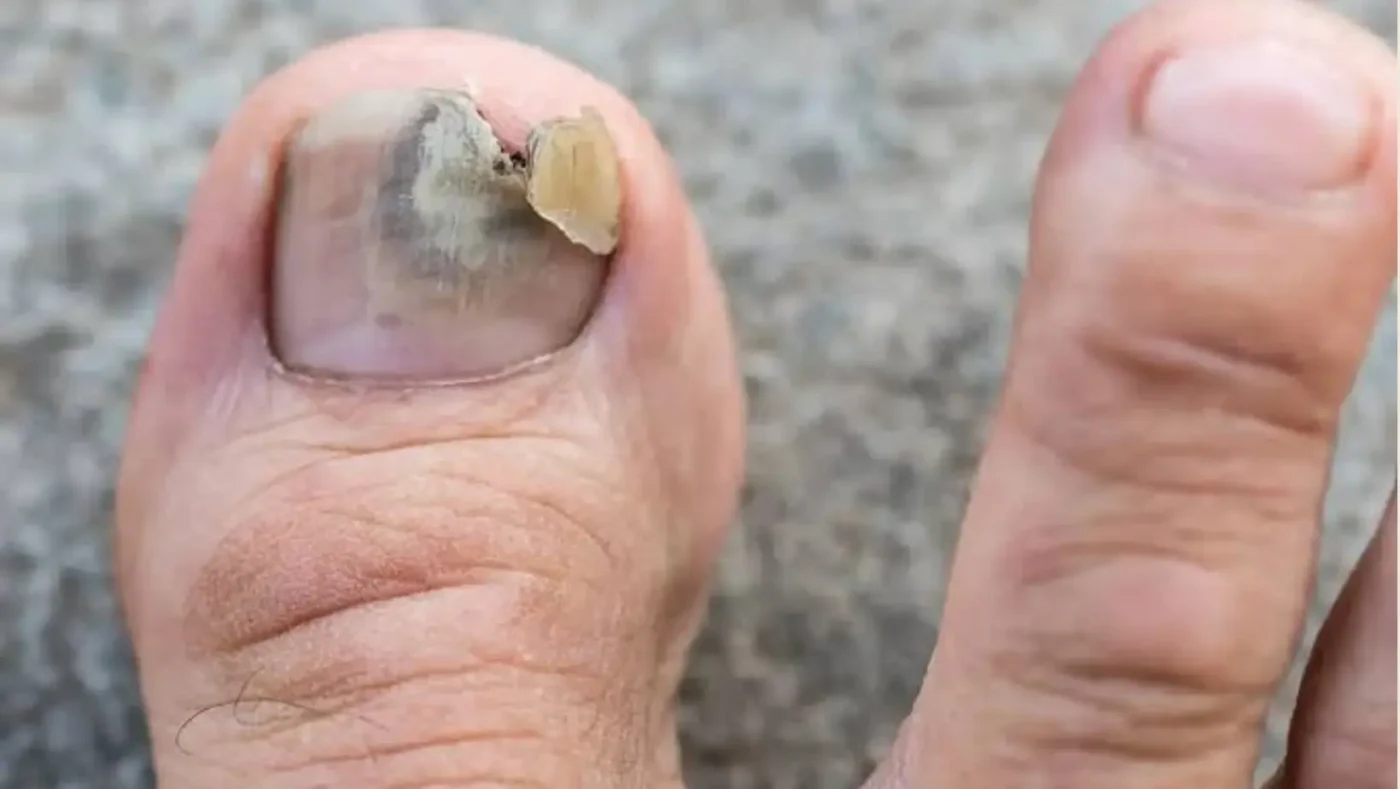

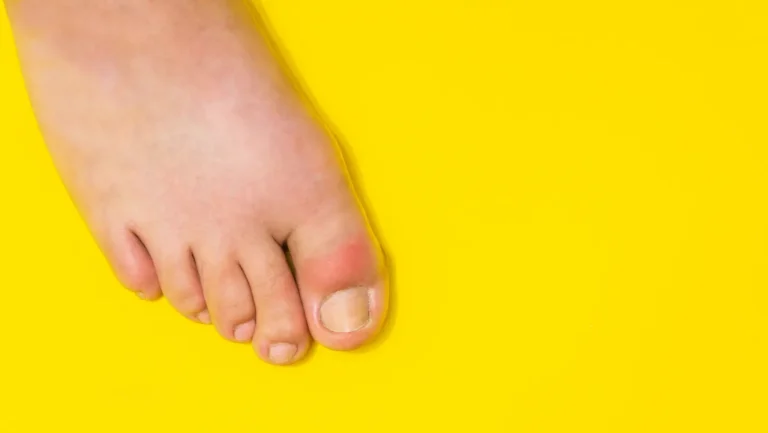
Toenail fungus, known in medicine as onychomycosis, is a nail infection caused mostly by dermatophyte fungi that thrive in warm, damp spaces like shoes and locker rooms. It affects roughly 10% of adults in the United States, and that number climbs past 20% in adults over 60, according to nail infection data cited by the National Institutes of Health.
Home remedies for toenail fungus can support mild cases and help stop the infection from spreading, though they rarely clear a moderate or severe infection on their own.
A Quick Self-Assessment: Is Your Toenail Suitable for Home Care?
A nail with mild discoloration on one toe behaves very differently than a thick, painful nail that has spread to three or four toes. Use the two lists below to see where your nail falls before you pick a toenail fungus self-care plan.
Mild cases that may benefit from supportive home care
- A small white, yellow, or light brown patch near the tip of the nail
- Only one or two nails affected
- No pain when wearing shoes or walking
- The nail is still mostly flat, not thick or crumbling
- You caught the change within the last few months
Signs you should seek medical evaluation
- Thick, crumbling, or lifting nails
- Pain, swelling, or a bad smell around the nail
- Spread to several toenails or a fingernail
- Diabetes, circulation problems, or a weakened immune system
- No change after 8 to 12 weeks of consistent home care
Home Remedies for Toenail Fungus
These ten approaches make up the most researched and most commonly recommended home remedies for toenail fungus.
Keep Feet Clean and Dry
Fungi need moisture to grow, so drying your feet fully after every shower cuts off their fuel source. Wash your feet daily with soap, then dry between each toe with a separate section of towel. Damp skin between the toes is one of the most common entry points for the fungus that causes nail infections.
Trim and File Thickened Nails Carefully
Trim toenails straight across, then use a nail file or emery board to gently thin the surface of a thickened nail. This step matters more than most people realize. A thinner nail lets topical treatments actually reach the fungus underneath, instead of sitting uselessly on top of hard keratin. Always disinfect the file after use, and never share it.
Use Tea Tree Oil
Tea tree oil contains terpinen-4-ol, a compound with documented antifungal action against the dermatophytes that cause most toenail infections. A landmark 1994 double-blind trial published through the journal Trends in Medicine compared 100% tea tree oil against 1% clotrimazole cream over six months.
Tea tree oil reached an 18% mycologic cure rate, close to clotrimazole’s 11%, with 60% of users reporting partial to full improvement. Apply a few drops directly to the clean, dry nail twice daily. Skin irritation is the most common side effect, so test a small area first.
Apply Vicks VapoRub
The camphor and eucalyptus oil in Vicks VapoRub give it mild antifungal properties. A small 2011 clinical study found that daily application produced a positive clinical effect in most participants over 48 weeks, though full mycologic cure was less common. Rub a thin layer over the nail and surrounding skin once a day, ideally after a shower when the nail is clean.
Try Vinegar Soaks
Vinegar creates an acidic environment that many fungi struggle to grow in. Mix one part white or apple cider vinegar with three parts warm water, then soak your feet for 15 to 20 minutes daily. No large clinical trial has confirmed vinegar cures toenail fungus outright, but podiatrists still recommend it as a low-risk natural remedies for toenail fungus add-on because it is cheap, gentle, and easy to keep up daily.
Apply Snakeroot Extract
Snakeroot, or Ageratina pichinchensis, is a plant used in traditional Mexican medicine for skin and nail infections. A controlled clinical study found that applying snakeroot extract on a tapering schedule, every third day for one month, then twice weekly, then once weekly, worked about as well as the prescription antifungal ciclopirox over three months. This makes it one of the stronger natural remedies for toenail fungus currently backed by a head-to-head comparison against a real drug.
Wear Breathable Footwear
Tight, non-breathable shoes trap heat and sweat against the nail, feeding the fungus. Choose shoes made from leather, canvas, or mesh instead of synthetic materials that block airflow. Rotate between two pairs so each one gets a full day to dry out before you wear it again.
Change Socks Regularly
Swap socks at least once a day, and twice if your feet sweat heavily or you exercise. Cotton socks hold moisture against the skin, so moisture-wicking synthetic or wool blends work better for anyone actively managing a nail infection.
Avoid Sharing Nail Tools
Clippers, files, and pedicure tools can carry fungal spores from one nail to another, even between family members. Keep a personal set for any infected nail, and avoid nail salons that reuse tools without proper sterilization between clients.
Disinfect Shoes and Nail Clippers
Spray the inside of your shoes with an antifungal spray or wipe them with rubbing alcohol every few days. Soak metal clippers in 70% rubbing alcohol for five minutes after each use, based on disinfection steps recommended by the American Academy of Dermatology. Skipping this step is a common reason infections keep returning after nails start to look better.
Common Mistakes That Keep Toenail Fungus Coming Back
Even a solid home treatment for toenail fungus routine fails when a few habits undo the progress. Reinfection is common, and it usually traces back to one of these gaps rather than a remedy that “stopped working.”
- Stopping treatment as soon as the nail looks better, before the new nail has fully grown in
- Wearing the same damp shoes without letting them dry between uses
- Skipping the disinfection of nail tools and shoe interiors
- Expecting results in days instead of the 6 to 12 months toenails typically need to fully regrow
- Walking barefoot in pools, gyms, or locker rooms during active treatment
- Treating the nail but ignoring athlete’s foot on the surrounding skin, which reinfects the nail
Learning how to improve fungal toenails naturally means treating the whole environment around the nail, not just the nail itself.
When to See a Doctor for Toenail Fungus
Home care has real limits, and knowing when to move past it protects both your nail and your health. A podiatrist or dermatologist can confirm the exact fungus involved and prescribe oral or topical medication that reaches the nail bed far more reliably than most over-the-counter options.
The Infection Spreads to Other Nails
If a formerly healthy nail starts showing the same white or yellow discoloration, the infection is active and spreading. This is a signal that topical home remedies for toenail fungus alone are not containing it.
Nail Pain or Severe Thickening Develops
Pain while walking, a nail so thick it presses against your shoe, or a nail lifting away from the skin all point to an infection that has moved past the mild stage described earlier in this guide.
Home Care Does Not Improve Symptoms
Give any home routine 8 to 12 weeks before judging it. If the nail looks the same or worse after that window, a prescription antifungal, whether oral terbinafine or a medicated lacquer, has a much higher cure rate than continued toenail fungus self-care alone.
FAQs
Can toenail fungus go away on its own?
No. Toenail fungus almost never clears without treatment, according to the American Academy of Dermatology. Left alone, it typically spreads to other nails and thickens over time instead of resolving.
What is the fastest way to get rid of toenail fungus naturally?
There is no fast fix. Snakeroot extract and tea tree oil have the strongest study support for how to treat toenail fungus naturally, but both still need 3 to 6 months of daily use before visible improvement.
How long do home remedies take to work for toenail fungus?
Expect 6 to 12 months. Toenails grow about 1 millimeter per month, so a fully clear nail requires waiting for the entire infected section to grow out completely.
Can vinegar cure toenail fungus?
No, not on its own. Vinegar soaks lower pH and may slow fungal growth, but no clinical trial has shown vinegar alone cures an existing infection.
When should I see a doctor for toenail fungus?
See a doctor if the nail is painful, spreading, or shows no change after 8 to 12 weeks of home care, or if you have diabetes or poor circulation.
Case Spotlight: What a Realistic Recovery Timeline Looks Like
The following scenario is a fictional, composite example created to illustrate a realistic recovery timeline. It does not describe a real patient.
Consider “Maria Chen,” a 42-year-old office worker who noticed a yellow streak on her big toenail after months of wearing closed running shoes for daily 5K training. Her nail was still flat, not thickened, so she started with natural ways to support healthy toenails: daily tea tree oil application, sock changes after every run, and alternating between two pairs of shoes. By week 10, the discolored section had grown out about a third of the way, matching the roughly 1 millimeter monthly growth rate doctors expect. By month seven, a fully clear nail had grown in. Her case reflects the general timeline described in clinical literature, not a guaranteed outcome, since infection severity and consistency both change results.
Final Thoughts
Home remedies for toenail fungus work best on mild, early infections and as a support system alongside good foot hygiene. Tea tree oil and snakeroot extract carry the most research behind them, vinegar and Vicks VapoRub offer low-risk support, and daily habits like dry feet and clean tools prevent reinfection. If a nail stays thick, painful, or unchanged after a few months of consistent effort, a podiatrist can offer prescription options that work faster than any natural approach alone.
Sources
- Mayo Clinic – Nail fungus: Symptoms and causes
- Mayo Clinic – Nail fungus: Diagnosis and treatment
- American Academy of Dermatology – Nail Fungus: Overview and FAQs
- American Academy of Dermatology – Six Ways to Prevent Toenail Fungus
- WebMD – How to Treat Toenail Fungus
- PMC – Clinical Trials Investigating Natural Therapies Against Onychomycosis
- ClinicalTrials.gov – Herbal Ingredients (Phytonail) vs. Amorolfine for Toenail Onychomycosis
- PMC – Systematic Review of Complementary and Alternative Therapies for Onychomycosis
- NCBI Bookshelf (StatPearls) – Onychomycosis
- CDC – Fungal Nail Infections







2 Comments
Comments are closed.