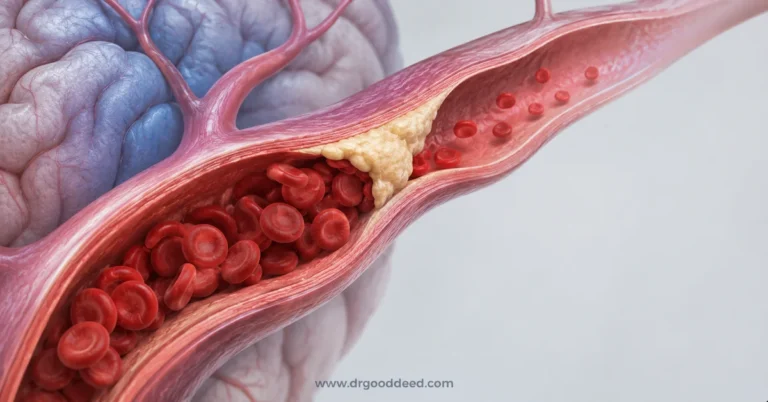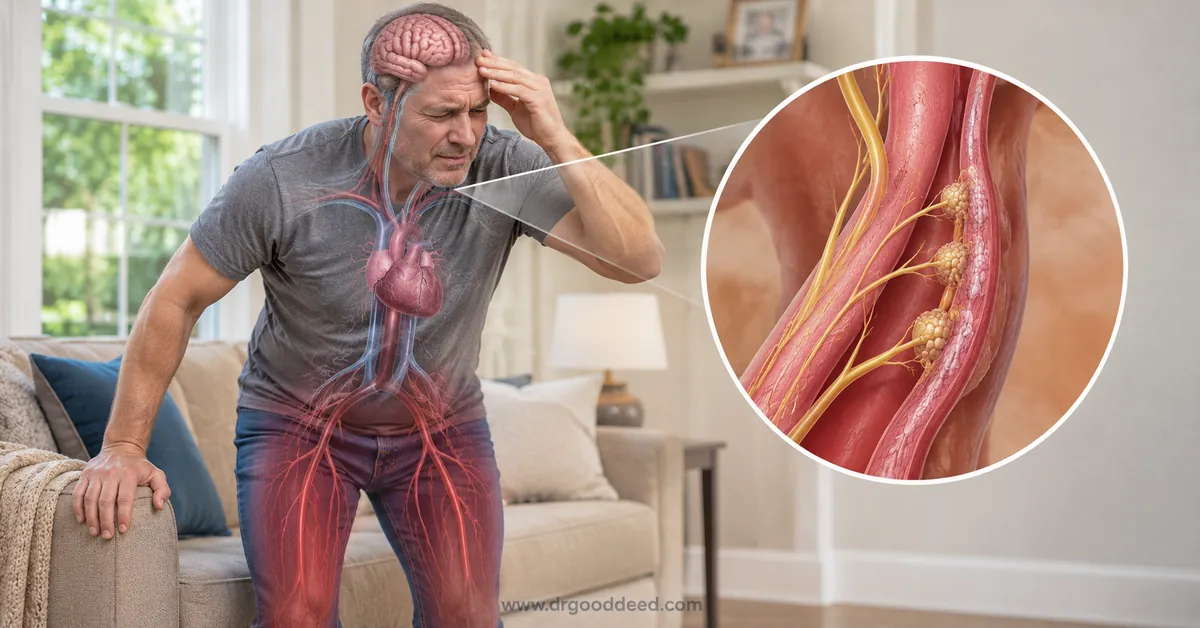

Head rush when standing up is a sudden sensation of dizziness or blurred vision that takes place when you get up from a sitting or lying position. This happens mostly because gravity pulls the blood into your legs and belly, resulting in decreased blood supply to the brain for a short period.
When you stand up, your heart speeds up, and your blood vessels tighten to keep blood flowing to the brain. An occasional head rush is common and usually not a concern. However, if this occurs regularly, feels extreme, or lasts for a long time, it could indicate a medical problem like dehydration, orthostatic hypotension (sudden lowering of blood pressure while standing), anemia, or adverse effects of medications.
Key Takeaways
- A head rush occurs when blood pressure briefly drops after standing, causing dizziness. Frequent or severe episodes need medical evaluation.
- Most head rushes last only a few seconds and are common. Orthostatic hypotension, a sustained blood pressure drop of at least 20/10 mm Hg within three minutes of standing, affects roughly one in six people in community studies.
- Some medications, heart disease, nervous system problems, anemia, heat, and dehydration can trigger them.
- If you experience any of the following symptoms, seek medical help immediately: fainting, chest pain, heart palpitations, new weakness, or problems with your speech.
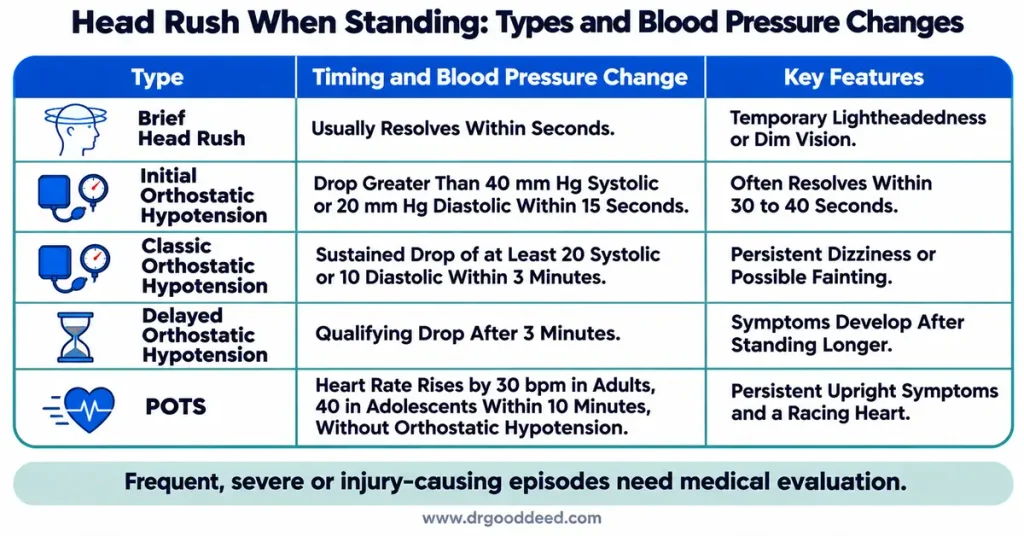
| Type | Timing and blood pressure change | Key features |
| Brief head rush | Usually resolves within seconds | Temporary lightheadedness or dim vision |
| Initial orthostatic hypotension | Drop greater than 40 mm Hg systolic or 20 mm Hg diastolic within 15 seconds | Often resolves within 30–40 seconds |
| Classic orthostatic hypotension | Sustained drop of at least 20 mm Hg systolic or 10 mm Hg diastolic within 3 minutes | Persistent dizziness or possible fainting |
| Delayed orthostatic hypotension | Qualifying blood pressure drop after 3 minutes | Symptoms develop after standing longer |
| POTS | Heart rate rises by at least 30 beats per minute in adults or 40 beats per minute in adolescents within 10 minutes of standing, without orthostatic hypotension. | Persistent upright symptoms and a racing heart |
Why Do I Get a Head Rush When I Stand Up? What Happens to Your Blood Pressure
A head rush upon standing is a brief drop in blood pressure when gravity pulls it towards the legs and abdomen, which reduces the blood flowing back to the heart. Your blood pressure could plummet and then level off.
Standing causes about 500–800 mL of blood to flow toward the lower half of the body. Pressure sensors in the body known as baroreceptors sense the change and alert your nervous system to raise blood pressure by accelerating your heartbeat and constricting your blood vessels. The changes are designed to help keep blood flow to the brain going.
The answer might take a moment, but you might feel dizzy, dim, weak, or see darkness when looking. Symptoms typically are relieved as the circulation adjusts.
What Types of Orthostatic Hypotension Can Cause a Head Rush?
If this happens repeatedly, it may indicate a blood pressure problem rather than normal lightheadedness, especially when you stand up too quickly.
Acute orthostatic hypotension happens when there is a temporary fall in blood pressure just after standing.Classic orthostatic hypotension is defined as a decrease in systolic blood pressure with a minimum of at least 20 mmHg or diastolic blood pressure of at least 10 mmHg within three minutes of standing up.Delayed orthostatic hypotension occurs when blood pressure has dropped after 3 minutes of standing.
Estimates of the prevalence of OH vary by population and definition, but it is estimated that about 17% of people have OH. Others have indicated percentages from 5% to 30%.
The initial, temporary type may go undetected by a typical blood pressure machine since the blood pressure might even improve before the reading is taken. If episodes are frequent, severe or cause injury, they should be evaluated by a doctor.
Explore our blog: Can Dehydration Cause High Blood Pressure
What Makes You Dizzy When Standing Up?
Dizziness on standing up may be caused by a drop in blood volume, side effects of medication or a medical condition.
Common contributors include:
- It can cause a drop in the volume of blood circulating the body if there is vomiting, diarrhea or insufficient fluid intake. Both heat and alcohol can exacerbate blood pressure control.
- Diuretics, beta-blockers and other blood pressure medicines, nitrates and tricyclic antidepressants.
- Circulation or blood pressure may be affected by medical conditions such as anemia, pregnancy, diabetes, thyroid disorders and heart disease.
- The automatic control of blood pressure can be disturbed by nervous system disorders like Parkinson’s disease, multiple system atrophy and pure autonomic failure.
- These can make it more difficult for the body to adapt rapidly to standing immediately after bed rest and having more age or weakness.
Tell your prescriber if you have symptoms that began after you started taking or changed a medicine. Do not stop or alter a prescription medication without the doctor’s instruction.
Read Can High Blood Pressure Cause Dizziness,
When It’s Time to Worry about Dizziness with Standing?
If dizziness occurs more than once or if it is so severe that you faint, fall or have other symptoms that worry you, seek immediate medical evaluation.
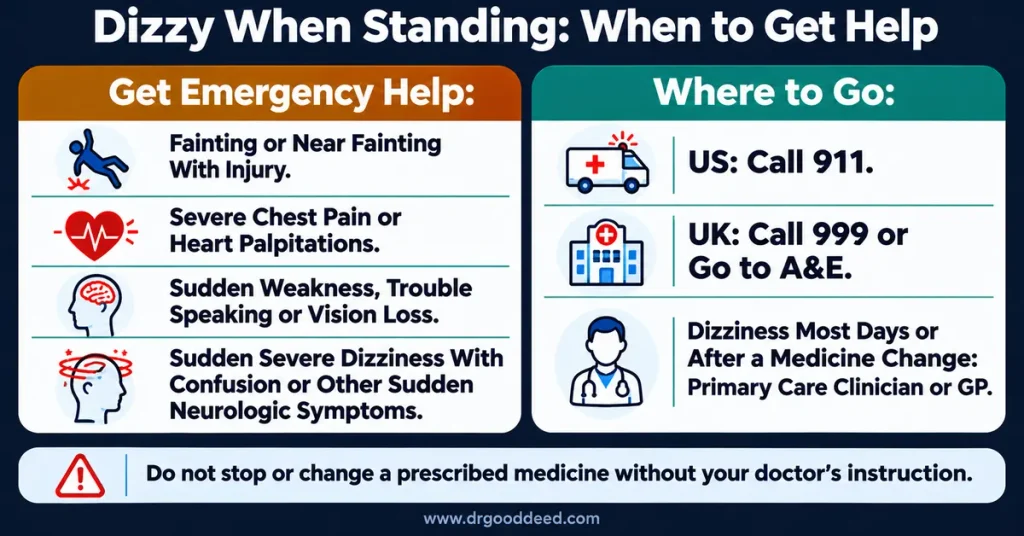
Get emergency help for:
- Fainting or near fainting, which results in injury.
- Severe chest pain or heart palpitations.
- Sudden weakness, trouble speaking, and/or vision loss.
- Sudden, severe dizziness with confusion or other sudden neurologic symptoms.
If symptoms are present in the United States, dial 911 for emergency. Call 999 or go to A&E in the U.K. if necessary. If they happen most days or if they have started after a change in medication, please see your primary care clinician or GP.
Head rushes are not the only cause of dizziness. Vertigo usually causes dizziness and can be associated with a problem with the inner ear. Anxiety may also result in dizziness, without necessarily resulting in a decrease in blood pressure.
If you are concerned about other warning signs, check out Can Low Blood Pressure Cause a Stroke?
How Can One Stop a Head Rush?
The following are some practical steps that can be taken:
- Sit up slowly, hold for a moment and stand up slowly.
- If you start to feel dizzy, sit or lie down until it has gone.
- Try not to stand for too long in hot places and reduce alcohol intake.
- Unless your Clinician has advised against fluid intake, drink regular amounts of water.
- Check with your prescriber about prescription or nonprescription drugs that can reduce blood pressure.
Some people who have been diagnosed with orthostatic hypotension can benefit from leg crossing and exercises to tighten the leg and buttock muscles. Leg crossing caused an increase in blood pressure in these patients of approximately 13 mm Hg.
Studies of selected patients have also found a 400–500 mL bolus of water to increase standing systolic blood pressure by more than 20 mmHg for approximately 2 hours. This approach is not a panacea and is not advice to be taken by all.
Important: Avoid intentionally adding salt to the diet, drinking too much water, wearing compression stockings or elevating the head of the bed without medical advice. These may not be appropriate for patients with hypertension, heart disease or other health problems.
What Are The Tests For Orthostatic Hypotension?
Patients’ medical history, medication list and blood pressure changes caused by position are evaluated.
If deemed appropriate by your clinician, lie down for five minutes and obtain a blood pressure reading; then stand up slowly and carefully and take another blood pressure reading after 1 minute and after 3 minutes. If feeling dizzy, stop, and if falling is a concern, have someone present.
Classic orthostatic hypotension is suggested by a decrease of 20 mmHg (or 10 mmHg) in systolic (or diastolic) blood pressure within three minutes. It does not rule it out if it’s normal at home because sometimes the pressure will drop for a short period before the first measurement.
Blood tests, an electrocardiogram, and a tilt-table test might also be ordered. These assist in determining the cause and differentiate conditions like Postural Orthostatic Tachycardia Syndrome (POTS) from blood pressure conditions.
Read Can Thyroid Cause Dizziness and Balance Problems for more information.
Frequently Asked Questions
Why Do I See Stars or Blurred Vision When I Stand Up?
A temporary decrease in blood supply to the brain and eyes may lead to dim vision, flashing spots or dizziness, making one feel as if about to faint. Rest or lie down until the symptoms go away.
Why is a head rush worse in the morning?
After a night of sleep without any water, you might be somewhat dehydrated. Slowly getting up and keeping water intake normal could help. If recurrent in the morning, then assess.
Does anxiety lead to a “head rush” when getting up?
Anxiety may lead to dizziness, rapid breathing and a racing heart. These symptoms are not, however, sufficient to conclude that an episode with a posture-related symptom occurred because of anxiety.
If I experience a head rush, does this mean I have POTS?
No. POTS is characterised by persistent symptoms while standing and a sustained increase in heart rate of 30 beats per minute (40 in adolescents) within 10 minutes of standing, but without significant orthostatic hypotension.
Source
1. Mayo Clinic: Diagnosis and Treatment link
2. UCLA Health: Dizziness When Standing link
3. Clinical Review: Definition, Classification and Evaluation link
4. Management of Orthostatic Hypotension: Review link
5. Heart Rhythm Society: POTS Consensus Statement link
6. American College of Cardiology: Syncope Guidelines link
Medical Disclaimer: This article is for general information only and is not medical advice. It does not replace a diagnosis, treatment plan, or guidance from a qualified healthcare professional. Always talk to your doctor about your own symptoms and before starting, stopping, or changing any treatment. If you think you may be having a medical emergency, call 911 or go to your nearest emergency room.