
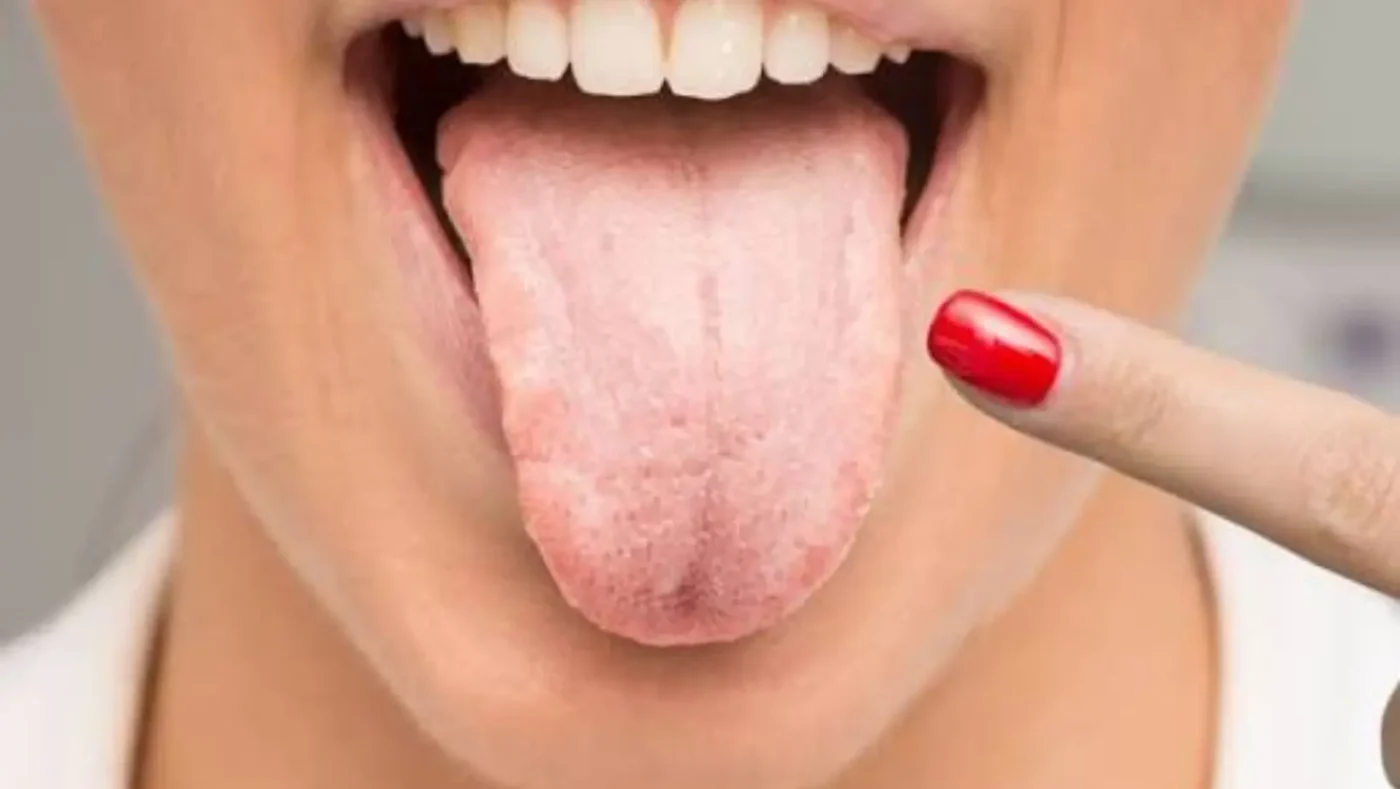

White patches inside your cheeks or on your tongue are often the first sign of oral thrush. This is a fungal infection caused by an overgrowth of Candida albicans, a yeast that normally lives in your mouth in small, harmless amounts. Home remedies for oral thrush work best for mild, uncomplicated cases in otherwise healthy adults. In the United States, thrush shows up most often in babies, older adults, denture wearers, and people with weakened immune systems, according to the Centers for Disease Control and Prevention.
Why Oral Thrush Develops: The Root Cause Behind the White Patches
Oral thrush starts when Candida albicans grows faster than your mouth’s normal bacteria can control. Ten common triggers let this happen: antibiotics, steroid inhalers, dry mouth, dentures, diabetes, smoking, poor oral hygiene, weakened immunity, and a disrupted oral microbiome.
- Candida overgrowth: Candida yeast already lives in your mouth. Illness, stress, or hormone shifts let it multiply out of control.
- Disrupted oral microbiome: Healthy bacteria normally keep yeast in check. Harsh mouthwash or illness can throw off that balance.
- Antibiotics: These drugs kill bacterial infections. They also wipe out helpful mouth bacteria that compete with Candida for space.
- Steroid inhalers: Asthma or COPD inhalers can leave steroid residue in your mouth, giving yeast extra fuel to grow.
- Dry mouth: Saliva washes yeast away all day. Less saliva means more room for Candida to build up.
- Dentures: Loose or unwashed dentures trap yeast against your gums for hours at a time.
- Diabetes: High blood sugar feeds yeast directly, especially when levels stay elevated for weeks.
- Smoking: Tobacco changes the tissue and bacteria balance inside your mouth, making yeast overgrowth more likely.
- Poor oral hygiene: Skipping brushing or flossing lets plaque and yeast build up faster than your body can clear it.
- Reduced immunity: HIV, cancer treatment, and aging all weaken your body’s natural defense against yeast.
Home Remedies for Oral Thrush
Most mild cases of oral thrush improve with consistent home remedies for oral thrush within one to two weeks. These methods work by starving Candida of the sugar and moisture it needs, while helping good bacteria return. They will not replace antifungal medicine for severe infections, but they ease daily discomfort fast.
Maintain Good Oral Hygiene
Brush your teeth twice a day with a soft-bristled brush. Gently brush your tongue too, since Candida clings to its surface. Floss once daily to remove trapped food that feeds yeast. Cleveland Clinic dentists recommend three to four weeks of consistent brushing, flossing, and tongue scraping before judging whether an oral thrush home treatment routine is working.
Rinse With Salt Water
Salt draws moisture out of yeast cells and calms irritated tissue. Dissolve half a teaspoon of salt in one cup of warm water. Swish it around your mouth for thirty seconds, then spit it out. Repeat two to three times a day.
Use Baking Soda Rinse
Baking soda raises the pH inside your mouth, and yeast struggles to grow in that environment. Mix half a teaspoon of baking soda into one cup of warm water. Swish for thirty seconds and spit it out. A 2021 clinical review on sodium bicarbonate rinses found this approach useful for easing thrush symptoms alongside standard care.
Eat Probiotic Foods
Live bacteria in yogurt, kefir, and unsweetened kombucha compete directly with Candida for space in your mouth and gut. Choose plain, unsweetened versions since sugar feeds yeast. Eating a serving daily supports better home care for oral candidiasis over the following weeks. Look for labels listing Lactobacillus or Bifidobacterium strains.
Limit Sugary Foods and Drinks
Candida feeds on sugar the same way you feed on bread. Cutting back on candy, soda, white bread, and pastries starves the yeast directly. This single change is often the fastest way to get rid of oral thrush naturally, since sugar removal works around the clock, not just during meals.
Stay Hydrated
Saliva is your mouth’s built-in yeast control system. Drinking water throughout the day keeps saliva flowing and washes loose yeast off your tongue and cheeks. Dry mouth from medication, mouth breathing, or aging raises thrush risk, so hydration is one of the most overlooked home remedies for oral thrush available.
Avoid Irritating Foods
Spicy, acidic, or crunchy foods can scrape or burn tissue already inflamed by thrush. Citrus fruit, hot sauce, chips, and carbonated drinks often sting the most. Sticking to soft, mild foods for a week gives sore tissue time to heal.
Clean Dentures Regularly
Remove and clean dentures every night using a soft brush and a denture-safe cleanser, never regular toothpaste. Soak them in a solution recommended by your dentist. Leaving dentures in overnight traps yeast against your gums for eight hours straight. Consistent cleaning offers oral thrush relief without medication for many denture wearers within days.
Use Coconut Oil for Oral Care
Virgin coconut oil contains lauric acid and caprylic acid, two fatty acids shown in a 2021 lab study published in the Biomedical and Biotechnology Research Journal to damage the Candida cell membrane. Swish one tablespoon of coconut oil in your mouth for ten to fifteen minutes, then spit it out. Do not swallow it. This practice, called oil pulling, is a popular way to treat oral thrush naturally, backed by real lab evidence.
Support a Healthy Immune System
Sleep, balanced meals, and stress management all strengthen the immune cells that keep Candida in check. Adults need seven to nine hours of sleep nightly for full immune repair. Chronic stress raises cortisol, which can suppress immune function over time. Building these habits supports lasting natural remedies for oral thrush far beyond the current flare-up.
When to See a Doctor for Oral Thrush
Home care helps mild thrush, but some situations need medical treatment right away. See a doctor if symptoms persist, worsen, or come with swallowing pain.
Symptoms Do Not Improve With Home Care
If white patches remain after two full weeks of consistent home treatment, the infection likely needs prescription antifungal medicine. Nystatin or fluconazole clears most cases within one to two weeks under medical supervision.
Pain or Difficulty Swallowing
Pain or trouble swallowing can mean Candida has spread into your esophagus. The CDC lists this as a distinct, more serious form of candidiasis that needs prompt evaluation, sometimes including an endoscopy.
Frequent or Recurring Oral Thrush
Thrush that keeps coming back can signal an undiagnosed condition like diabetes or a weakened immune system. Recurring infections deserve blood testing to rule out an underlying cause behind the pattern.
FAQs
Can oral thrush go away on its own?
Yes, in healthy adults, mild oral thrush sometimes clears within one to two weeks with good oral hygiene. Infants, older adults, and immunocompromised people usually need antifungal treatment instead.
What is the fastest way to get rid of oral thrush?
Prescription antifungal medicine, like nystatin, works fastest, often within three to seven days. Combining it with salt water rinses and reduced sugar intake speeds healing further.
Does salt water help with oral thrush?
Yes, salt water rinses draw moisture from yeast cells and reduce mouth irritation. Use half a teaspoon of salt in warm water, two to three times daily, for noticeable relief.
What foods should I avoid with oral thrush?
Avoid refined sugar, white bread, alcohol, and acidic foods like citrus. These either feed Candida directly or irritate already inflamed mouth tissue during an active infection.
When should I see a doctor for oral thrush?
See a doctor if symptoms last beyond two weeks, if swallowing hurts, or if thrush keeps returning. These signs suggest a stronger infection or an underlying health condition.
Sources
- Mayo Clinic: Oral Thrush, Symptoms and Causes
- Mayo Clinic: Oral Thrush, Diagnosis and Treatment
- CDC: Candidiasis Basics
- CDC: Symptoms of Candidiasis
- CDC: Preventing Candidiasis
- Cleveland Clinic: Thrush, Symptoms, Causes, and Treatment
- Cleveland Clinic: How to Get Rid of Thrush, 8 Remedies
- WebMD: Oral Thrush, Causes, Symptoms, and Treatment
- Biomedical and Biotechnology Research Journal: Antifungal Efficacy of Lauric Acid and Caprylic Acid Against Candida Albicans, 2021
- Adam Brown Dentistry: Symptoms, Management, and Treatment of Oral Thrush



2 Comments
Comments are closed.