
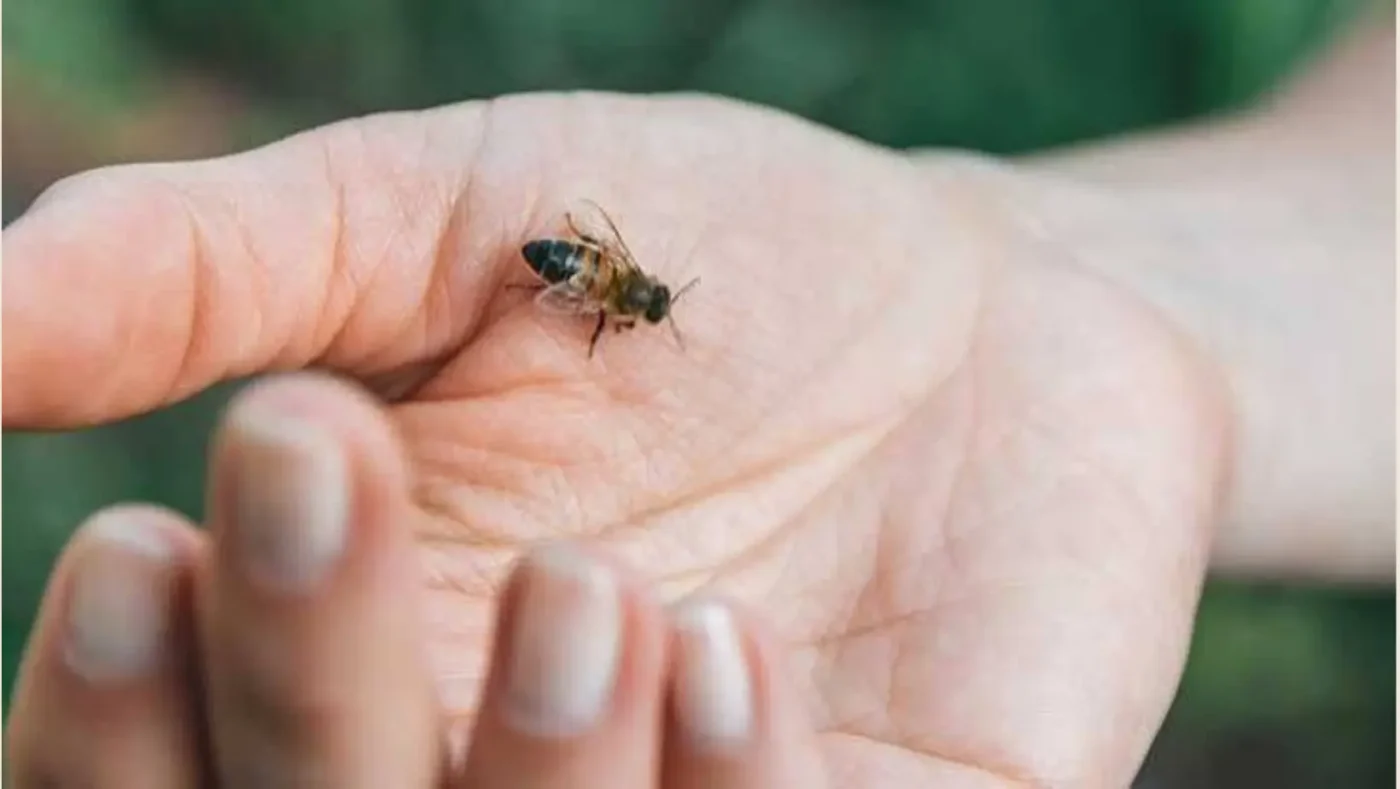

Home remedies for bee stings work best when you use them fast and in the right order. A cold compress, aloe vera, and colloidal oatmeal are the three most reliable options for cutting down pain, swelling, and itching after a sting. Most healthy adults heal within a few days without any medical treatment.
What Should You Do in the First Minute After a Bee Sting
What you do in the first 60 seconds changes how bad the sting feels for the next two days. Grab the stinger and flick it out with a fingernail or the edge of a card. Don’t pinch it. Rinse the spot with soap and water, then press something cold against it for ten minutes. None of the home remedies for bee stings listed further down matter much if you skip this step, because venom keeps pumping into your skin for several seconds after the bee flies off.
What Happens to Your Skin After a Bee Sting?
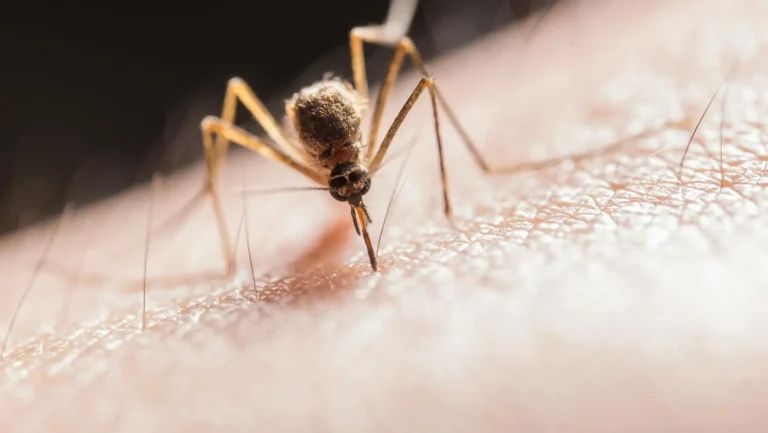
Bee venom is a cocktail of proteins your immune system treats as an intruder. That triggers inflammation, which is your body’s repair crew rushing to the site. Pain shows up instantly because the venom directly irritates nerve endings. Swelling builds over the next 24 to 48 hours as blood vessels widen and leak fluid into the surrounding tissue. Itching tends to show up a day or two later, once histamine release ramps up and the skin starts healing. A normal reaction stays roughly the size of a quarter. A large local reaction spreads several inches wider but still isn’t an emergency on its own.
A bee sting triggers a local inflammatory reaction as your immune system responds to venom proteins injected under the skin.
Is This a Normal Bee Sting Reaction or a Sign of Something Worse?
Check your symptoms against the three categories below before reaching for any natural remedies for bee stings.
Signs of a Normal Local Reaction
- Sharp pain right at the sting site
- Mild swelling, usually under an inch across
- Redness around the puncture
- A small raised bump
- Itching that fades within a few days
Large Local Reaction
Swelling that spreads beyond the sting site, sometimes covering an entire hand or forearm, counts as a large local reaction. It looks alarming and can hurt for several days, but it’s not the same as a whole-body allergic reaction. Doctors classify it as uncomfortable rather than dangerous unless it involves your throat or face.
Signs of Anaphylaxis
- Trouble breathing or a tight throat
- Wheezing
- Swelling of the face, lips, or tongue
- Dizziness or a sudden drop in blood pressure
- Collapse or loss of consciousness
- Hives spreading across large areas of the body, far from the sting
Anaphylaxis needs an epinephrine injection and a call to 911 immediately. Skip the home remedies entirely if you see these signs.
How to Remove a Bee Stinger Correctly
Speed beats technique here. A stinger left in the skin keeps releasing venom for up to a full minute, so the goal is getting it out fast, not getting it out perfectly. Older advice warned against using tweezers because squeezing might push more venom in, but current guidance says the method matters far less than the time it takes. Use whatever tool is closest.
- Look for a small dark speck stuck in the skin.
- Scrape it out sideways with a fingernail, credit card edge, or the flat side of a knife.
- If scraping doesn’t work, use tweezers, but grab it low near the skin rather than squeezing the venom sac at the top.
- Wash the area with soap and water right after.
- Avoid digging or scratching at the spot, which can push venom deeper or break the skin.
10 Natural Ways to Reduce Bee Sting Pain, Swelling & Itching
Start at the top of this list if you want the best home remedies for bee sting pain.
1. Cold Compress or Ice Pack
Cold temperature narrows blood vessels, which slows how much fluid leaks into the tissue and keeps swelling smaller. It also slows nerve signals traveling to your brain, which dulls pain within minutes. Wrap ice in a cloth and hold it on the sting for 10 to 15 minutes, then take a break for 10 minutes before repeating. Do this several times over the first day.
2. Elevate the Affected Area
If you got stung on a hand, arm, or foot, prop it up above the level of your heart. Gravity pulls fluid downward, so keeping the limb raised stops as much of it from pooling at the sting site.
3. Aloe Vera Gel for Cooling and Skin Soothing
Aloe vera contains compounds that calm irritated skin and hold in moisture while the area heals. It feels cool on contact, which adds an immediate comfort effect on top of any biological benefit. Fresh gel cut straight from the plant works better than most bottled versions, since store-bought products often dilute the aloe with added alcohol or fragrance that can sting broken skin. Apply a thin layer two to three times a day.
4. Colloidal Oatmeal for Persistent Itching
Colloidal oatmeal is oatmeal ground into a fine powder that mixes into water or lotion. It coats the skin and supports its natural barrier, which cuts down on the itch signals your nerves send once histamine kicks in. Mix it into a lukewarm bath or apply an oatmeal-based lotion directly to the sting. This is one of the more dependable options for bee sting itching relief home remedy searches, especially once the itching phase starts on day two or three.
5. Honey as a Protective Skin Dressing
Raw honey holds moisture against the skin and has mild antibacterial properties, which can help keep the area clean while it heals. Dab a small amount over the sting and cover loosely with a bandage. It won’t do much for the initial pain or swelling, so treat it as a healing-stage remedy rather than a first-response one.
6. Baking Soda Paste: Does It Really Neutralize Bee Venom?
This is the most repeated claim online, and it doesn’t hold up well. Bee venom is acidic, and the idea that baking soda “neutralizes” it assumes the reaction happens the same way it would in a test tube, but skin isn’t a beaker. Once venom is under your skin, a paste on the surface can’t reach it in any meaningful chemical sense. Any relief people feel likely comes from the paste’s thick, cooling texture rather than an actual venom-neutralizing effect. If you want to try it, mix baking soda with a few drops of water and dab it on, but don’t expect it to outperform an ice pack.
7. Witch Hazel for Mild Inflammation
Witch hazel is a plant extract with mild astringent properties, meaning it can tighten skin slightly and calm surface irritation. Dab a cotton pad soaked in witch hazel over the sting after the first cold compress. The effect is gentle and works best as a light supplement to other steps rather than a stand-alone treatment.
8. Coconut Oil for Dry or Irritated Healing Skin
Once the swelling goes down, skin around the sting often turns dry or flaky as it heals. Coconut oil supports the outer skin barrier and keeps that area from cracking or feeling tight. It’s not going to touch the pain or swelling stage, so save it for days three onward when the sting is mostly a healing scab rather than an active wound.
9. Lavender or Tea Tree Oil: Traditional Remedies With Important Safety Precautions
Both oils show some antimicrobial activity in lab settings, but real-world evidence for bee stings specifically stays thin. Essential oils are concentrated enough to cause their own skin reactions, especially on already-irritated skin. Never apply them directly. Mix a couple drops into a tablespoon of a carrier oil like coconut or olive oil first, and test it on a small patch of unaffected skin before using it on the sting. Skip these entirely on children under two, during pregnancy, and on anyone with a known fragrance or plant allergy.
10. Gentle Cleansing and Skin Protection During Healing
This step gets ignored constantly, yet it prevents most of the complications people run into after a sting. Wash the area with plain soap and water once or twice a day. Keep it covered with a light bandage if it’s in a spot that rubs against clothing. Resist scratching, since broken skin lets in bacteria and turns a simple sting into a skin infection that needs antibiotics.
A Real Case: How One Backyard Sting Was Handled at Home
Marcus Alvarez, a 34-year-old landscaper from Austin, Texas, got stung on the forearm while trimming a hedge in July 2024. He scraped the stinger out with a pocketknife within seconds, then iced the spot on his drive home. By the next morning his arm had swollen to roughly twice its normal width, a textbook large local reaction rather than anything dangerous. He alternated ice packs with his arm propped on a pillow, applied fresh aloe from a plant on his porch, and switched to an oatmeal lotion once the itching set in on day two. The swelling dropped noticeably by day four and cleared fully within a week, with no fever, spreading rash, or breathing trouble at any point. His case shows a fairly ordinary large local reaction responding well to layered home remedies for bee stings applied consistently, not any single miracle fix.
Note: name and identifying details have been altered to protect privacy.
When to Seek Medical Help After a Bee Sting
Call 911 or go to an emergency room immediately for trouble breathing, throat tightness, facial swelling, dizziness, or hives spreading far from the sting site. See a doctor within a day or two, without waiting for an emergency, if swelling keeps growing past 48 hours, the area oozes pus, red streaks spread outward from the sting, or you were stung more than ten times at once. Anyone with a known bee allergy should carry an epinephrine auto-injector and use it right away if symptoms of a whole-body reaction appear, then still call 911 afterward.
Children, Older Adults, and Pregnant Women: Do Home Remedies Need to Be Different?
Children scratch constantly, so keeping the area covered with a light bandage matters more than it does for adults. Stick to cold compresses and short bursts of cooling rather than anything with essential oils, since kids’ skin reacts more easily to concentrated plant extracts.
Older adults often have thinner, more fragile skin that bruises and tears easily, and healing generally takes longer. Go easier on scraping techniques for stinger removal and keep an eye on the sting for signs of infection, since immune response tends to slow down with age.
During pregnancy, cold compresses, aloe vera, and colloidal oatmeal are all considered low-risk and commonly used without issue. Essential oils are where caution matters most. Skip lavender and tea tree oil unless a doctor has specifically cleared them, since data on their safety during pregnancy stays limited.
What’s the Best Way to Treat a Bee Sting at Home?
Immediately after the sting: scrape the stinger out fast, wash the area, and press a cold compress on it. This single sequence has more impact on your comfort than everything that follows.
During the next 24 to 48 hours: lean on the remedies with the most support, cold therapy, aloe vera, and colloidal oatmeal, and match them to whatever symptom is loudest, whether that’s pain, swelling, or itching. Keep your hands off the area no matter how much it itches.
During healing: protect the skin with light moisture from honey or coconut oil, keep it clean, and watch for spreading redness, pus, or fever, which signal it’s time to call a doctor rather than reach for another remedy.
FAQs
What is the fastest way to relieve a bee sting?
Scrape out the stinger within the first 10 to 15 seconds, then hold ice on the spot for 10 minutes. This combination cuts pain and swelling faster than any single home remedy for bee stings option used alone.
How long does a bee sting take to heal?
A normal sting fades within 2 to 3 days. A large local reaction can take 5 to 10 days to fully clear, even though it’s not medically dangerous during that stretch.
Should I remove a bee stinger immediately?
Yes. Removing it within the first minute limits how much venom enters your skin. Use a fingernail or card edge to scrape it out sideways rather than pinching it with your fingers.
What helps reduce swelling from a bee sting?
Ice packs and elevation together work best. Apply cold for 10 to 15 minutes at a time and keep the stung limb raised above heart level for the first 24 hours.
When should I see a doctor after a bee sting?
See a doctor if swelling keeps spreading past 48 hours, pus appears, or red streaks form. Go to the ER immediately for breathing trouble, facial swelling, or dizziness, which signal anaphylaxis.
This article is for informational purposes only and does not substitute professional medical advice, diagnosis, or treatment. Always consult a licensed healthcare provider about your symptoms.



2 Comments
Comments are closed.