
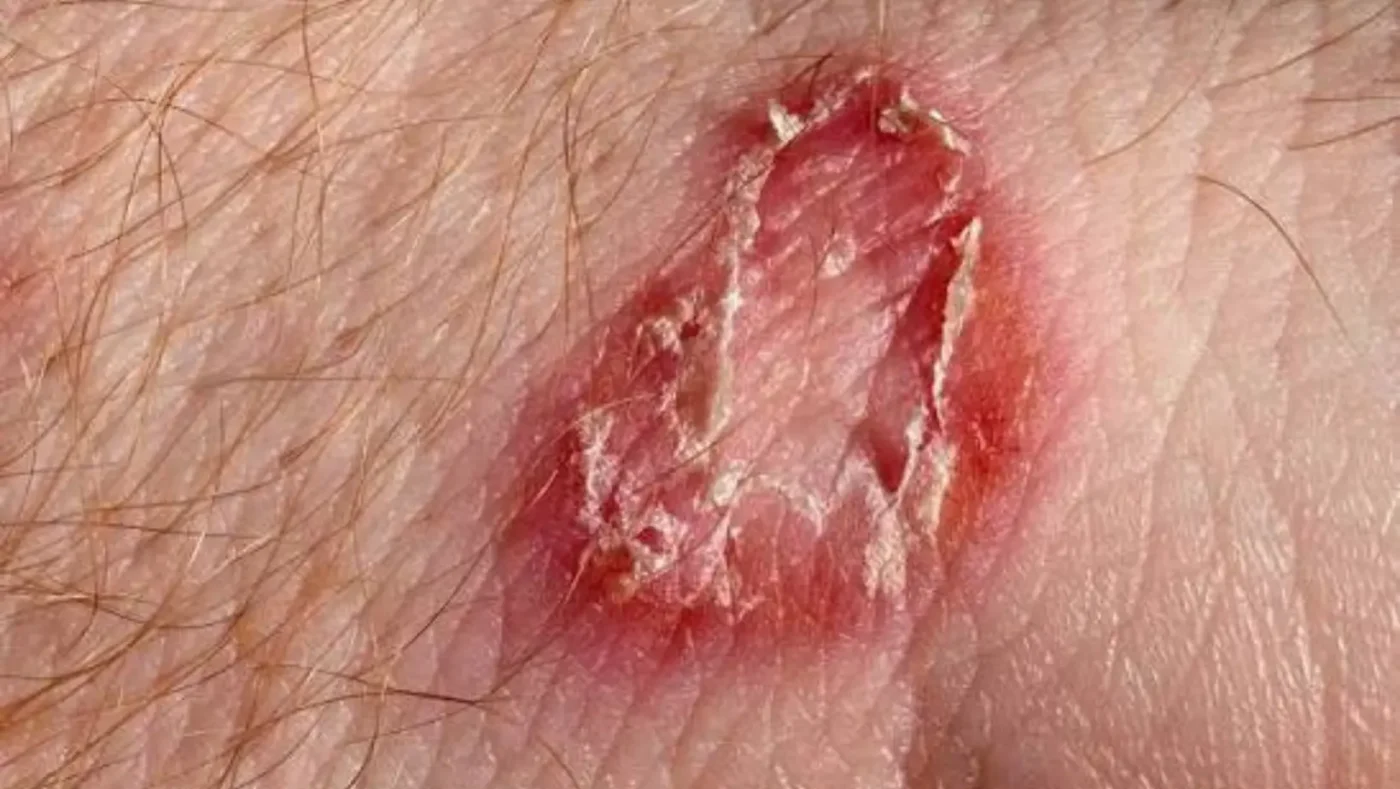

Home remedies for ringworm can calm the itching and help clear a mild case, but they work best alongside an over-the-counter antifungal, not instead of one. Ringworm is a fungal skin infection, not a worm, and it forms a red, ring-shaped rash that itches and flakes. This guide walks through 10 proven home remedies for ringworm, a daily care routine, and the warning signs that mean it’s time to call a doctor.
Why Ringworm Spreads So Easily: Understanding the Fungus Behind the Rash
Ringworm spreads fast because the fungus that causes it, called a dermatophyte, feeds on keratin, the protein in your skin, hair, and nails. It thrives in warm, damp spots and jumps from person to person through direct skin contact or shared items like towels and gym mats.
Here’s what makes this infection so contagious:
- Dermatophytes eat keratin. They live only on the dead outer layer of skin, so they never invade deeper tissue.
- Moisture feeds the fungus. Sweaty skin folds, wet socks, and tight clothing create the perfect breeding ground.
- Skin-to-skin contact spreads it. Wrestling, contact sports, and even hugging an infected person or pet can pass it along.
- Shared items carry spores. Towels, hairbrushes, clothing, bedding, and sports gear can hold live fungus for weeks.
- Autoinoculation is real. Scratching the rash and then touching another body part, like your neck or scalp, can start a second infection site on your own skin.
Home Remedies for Ringworm
These home remedies for ringworm work by drying out the fungus, easing the itch, and protecting healthy skin nearby. None of them kill dermatophytes as fast as a prescription antifungal, so pair them with medicated cream for the best results. Below are 10 practical steps you can start today.
1. Keep the Affected Area Clean and Dry
Wash the rash once or twice a day with plain soap and water, then pat it fully dry. Fungus cannot grow well on dry skin, so this single habit does more for ringworm home treatment than almost anything else on this list.
2. Apply Over-the-Counter Antifungal Cream
Clotrimazole, terbinafine, and miconazole are the three ingredients dermatologists recommend most for mild ringworm. Apply a thin layer twice daily and keep going for at least one to two weeks after the rash disappears, since stopping early is the top reason ringworm comes back.
3. Use Tea Tree Oil Carefully
Tea tree oil contains terpinen-4-ol, a compound with real antifungal activity against dermatophytes in lab studies. A controlled trial on a related fungal infection found that a 25% to 50% tea tree oil solution improved symptoms in roughly seven out of ten people, compared to about four out of ten with a placebo. Mix a few drops with a carrier oil like coconut or olive oil before applying, since undiluted tea tree oil can burn the skin.
4. Apply Aloe Vera Gel for Skin Relief
Pure aloe vera gel cools inflamed skin and reduces redness. It will not cure the fungal infection on its own, but it offers fast ringworm symptom relief when the rash feels hot or raw. Apply a thin layer after your antifungal cream has dried.
5. Try Coconut Oil for Skin Moisture
Coconut oil contains lauric and capric acid, two fatty acids with mild antifungal properties. It works best as a moisturizer for skin that has become dry or cracked from the infection or from frequent washing, making it a gentle natural treatment for ringworm support step rather than a cure.
6. Wear Loose, Breathable Clothing
Tight fabric traps heat and sweat against the rash, which slows healing. Choose cotton or moisture-wicking fabric, and avoid clothing that rubs directly over the affected skin.
7. Change Clothes and Towels Regularly
Swap out your clothes daily and never reuse a towel that has touched the rash. This simple habit is central to any ringworm home treatment plan because it stops you from re-infecting your own skin.
8. Avoid Scratching the Affected Area
Scratching breaks the skin, invites bacterial infection, and spreads fungal spores to your fingernails and other body parts. If you want to soothe ringworm itching without scratching, try a cool compress or an antifungal cream with added hydrocortisone, but only for a few days and only if a doctor confirms it’s safe for your case.
9. Wash Bedding and Personal Items Frequently
Wash sheets, pillowcases, and towels in hot water at least twice a week while the rash is active. Dermatophyte spores can survive on fabric for weeks, so this step matters for anyone practicing serious ringworm self-care.
10. Keep the Infection Area Covered When Needed
A light, breathable bandage can stop the rash from spreading to clothing or other people, especially at school, work, or the gym. Change the covering daily and never wrap it so tight that air cannot reach the skin.
The Daily Skin Care Routine That Helps Ringworm Heal Faster
A consistent routine speeds up healing more than any single product. Below is a simple three-part schedule that fits into a normal day and supports home care for ringworm without extra effort.
Morning
- Wash the rash gently with soap and water
- Dry the skin fully before getting dressed
- Apply antifungal cream if you’re using one
- Put on loose, breathable clothing
During the Day
- Keep the area dry, especially after sweating
- Avoid scratching or picking at the rash
- Don’t share towels, razors, or clothing with others
Evening
- Clean the affected skin again before bed
- Change into fresh sleepwear
- Check the rash for size, color, or shape changes
- Wash your hands after touching the area
Habits That Reduce the Risk of Ringworm Coming Back
Ringworm often returns because the fungus is still living on clothes, shoes, or pets, even after the skin looks clear. These supportive home remedies for ringworm recovery focus on prevention.
- Personal hygiene: Shower right after workouts and dry your skin completely, especially between the toes and in skin folds.
- Gym hygiene: Wipe down shared equipment and never sit directly on gym mats or benches without a barrier.
- Pet care: Cats and dogs can carry ringworm without obvious symptoms, so ask a vet to check any pet with bald or scaly patches.
- Laundry habits: Wash workout clothes after every use in hot water, and avoid letting damp gym bags sit closed for hours.
- Moisture management: Use antifungal powder in shoes and skin folds if you sweat heavily.
- Change sweaty clothing promptly instead of staying in workout gear for hours.
- Avoid going barefoot in locker rooms, public showers, and pool decks.
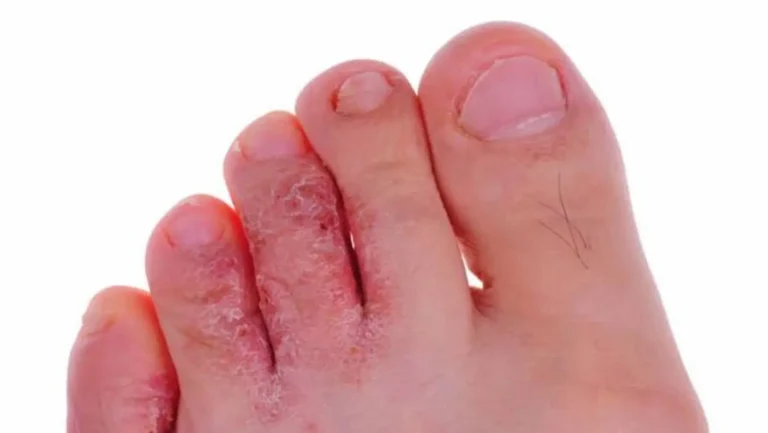
- Treat athlete’s foot early, since it’s caused by the same fungus family and often spreads to the groin or hands if ignored.
When to See a Doctor for Ringworm
Most mild cases clear up with home remedies for ringworm and OTC antifungal cream within two to four weeks. See a doctor if the rash doesn’t improve after four weeks of consistent treatment, spreads rapidly, appears on your scalp, covers a large area, looks unusually inflamed or painful, or shows up alongside a fever. The CDC has also flagged emerging antifungal-resistant dermatophyte strains, including terbinafine-resistant Trichophyton rubrum and Trichophyton indotineae, that don’t respond to standard OTC creams and need prescription treatment. A doctor may prescribe oral antifungal medication such as terbinafine, fluconazole, or itraconazole for these tougher or widespread cases.
FAQs
Can a ringworm go away on its own?
Rarely, and it can take months untreated. Most cases need an antifungal cream to fully clear. Without treatment, the fungus keeps spreading to new skin and other people.
What is the fastest way to treat ringworm at home?
Apply an OTC cream with clotrimazole or terbinafine twice daily. Keep skin clean and dry between applications. Most people see visible improvement within one to two weeks.
How long does ringworm take to heal?
Typical cases clear in two to four weeks with consistent antifungal treatment. Scalp or nail ringworm can take one to three months and usually needs oral medication.
Can home remedies completely cure ringworm?
No. Remedies like tea tree oil or aloe vera ease symptoms but rarely eliminate the fungus alone. Pair them with a proven OTC antifungal for full clearance.
When should I see a doctor for ringworm?
See a doctor if the rash persists past four weeks, spreads fast, covers large areas, or appears on your scalp. Also seek care if you have diabetes or a weak immune system.
Sources
- CDC: About Ringworm
- CDC: Emerging Antifungal-Resistant Ringworm, Clinician Overview
- Mayo Clinic: Ringworm (Body) Diagnosis and Treatment
- Cleveland Clinic: Ringworm (Tinea Corporis)
- PubMed: Treatment of Interdigital Tinea Pedis with 25% and 50% Tea Tree Oil Solution
- CDC Emerging Infectious Diseases Journal: Recognition of Antifungal-Resistant Dermatophytosis
- American Academy of Dermatology: Ringworm Overview
- MedlinePlus: Ringworm of the Body
- NIH National Center for Complementary and Integrative Health: Tea Tree Oil
- American Family Physician: Common Tinea Infections in Children










2 Comments
Comments are closed.