
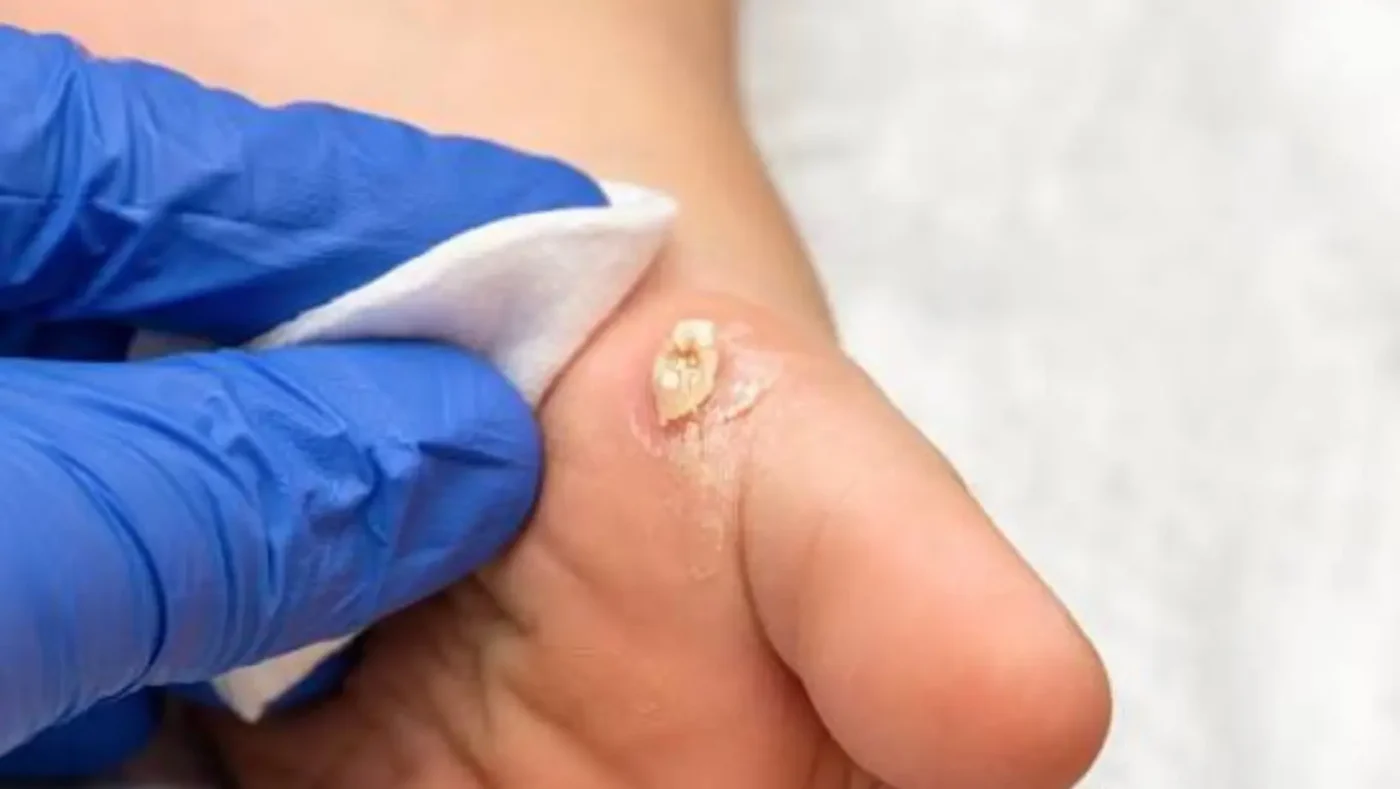

Warts show up at the worst times. You notice a small bump on your finger before a big meeting, or a rough patch on your heel right before a road trip. The good news is that home remedies for warts can genuinely help most people manage common warts safely, if you know which ones actually work.
This guide walks through the real evidence behind popular remedies, a quick self-check to see if your wart is safe to treat at home, and a simple daily routine you can start tonight.
Can Home Remedies Remove Warts? Here’s What the Evidence Actually Says
Warts are not caused by bacteria, fungi, or poor hygiene. They come from the human papillomavirus, or HPV, which infects the top layer of skin. Home remedies for warts work best when they either irritate the wart enough to trigger your immune system or slowly break down the infected skin cells.
Many warts clear up on their own within one to two years as your immune system learns to recognize and fight the virus. A large Cochrane review of over 8,800 patients found that topical salicylic acid clearly outperformed placebo, while duct tape showed no real advantage over a plain bandage in later, better-designed trials. That single fact gets left out of most articles on this topic.
A 60-Second Self-Assessment: Is Your Wart Suitable for Home Treatment?
Not every wart is a good match for wart home treatment. Before you reach for salicylic acid or a bandage, check where the wart sits and how it looks. This quick sort takes less than a minute and can save you weeks of wasted effort or a trip to urgent care.
Warts commonly managed at home
- Common warts on fingers, hands, knees, or elbows
- Plantar warts on the sole of the foot, if not too painful
- Flat warts on arms or legs, if small and few in number
- Warts that are not bleeding, spreading fast, or painful
Warts that need medical evaluation
- Warts on the face, eyelids, lips, or genitals
- Warts in people with diabetes or poor circulation
- Warts in anyone with a weakened immune system
- Any wart that bleeds, changes color, or grows quickly
- A wart that looks different from anything you’ve had before
Home Remedies for Warts
These are the ten approaches people use most often for natural wart removal. Some have solid research behind them. Others help mainly with comfort and protection while your body does the real work. We will tell you honestly which is which.
Apply Salicylic Acid Treatment
Salicylic acid is the best-studied option among all home remedies for warts. It works by softening and dissolving the thick, dead skin layer of the wart, one thin layer at a time.
- Choose an over-the-counter gel, liquid, or pad with 17% to 40% salicylic acid
- Apply it daily after soaking the wart in warm water for five minutes
- File away softened dead skin gently between uses with an emery board
- Keep using it for six to twelve weeks for full results
Research pooled from multiple placebo-controlled trials found a cure rate around 73% to 75% with salicylic acid, compared to roughly 48% with a placebo.
Use Duct Tape Method
The duct tape method became popular after an early small study suggested it worked better than freezing. Newer and larger trials have not confirmed that finding, so treat this as a low-cost add-on rather than your main plan to remove warts naturally.
- Cover the wart fully with a small piece of duct tape
- Leave it on for six days, then remove it
- Soak and file the area, then leave the wart uncovered overnight
- Reapply fresh tape the next morning and repeat for one to two months
Soak and File the Wart Gently
Soaking softens the tough outer layer of a wart so treatments can actually reach the infected tissue underneath. This simple step boosts the results of almost every other method on this list.
- Soak the wart in warm water for five to ten minutes
- Pat the area dry with a clean towel
- File gently with a dedicated emery board, never a nail file you reuse elsewhere
- Throw away or disinfect the filing tool after each use to avoid spreading the virus
Apply Apple Cider Vinegar Carefully
Apple cider vinegar is one of the most searched natural remedies for warts, but the science behind it is thin. Its acetic acid content can chemically burn the wart tissue, similar to how salicylic acid works, yet there are no strong clinical trials proving it clears warts reliably.
Case reports describe children and adults developing chemical burns and scarring from full-strength vinegar left on the skin too long. If you choose to try it, dilute it with water, apply it only to the wart itself, and stop immediately if you feel more than mild stinging.
| Do | Don’t |
| Dilute vinegar with water | Apply full-strength vinegar |
| Protect surrounding skin with petroleum jelly | Cover healthy skin with the soaked cotton |
| Use on hands, feet, knees, or elbows | Use on your face, neck, or genitals |
| Stop at the first sign of burning pain | Leave it on overnight without checking |
Use Aloe Vera for Skin Soothing
Aloe vera will not remove a wart on its own, but it earns a real spot in wart self-care for a different reason. It calms irritated skin after you use salicylic acid or vinegar, which lowers the chance you’ll quit treatment early because of discomfort.
Apply a thin layer of pure aloe gel to the skin around the wart, not directly on the treated wart itself, after your daily treatment step.
Keep the Wart Area Clean and Dry
Moist, damp skin gives HPV an easier path to spread to nearby skin. This is one of the simplest and most overlooked parts of home remedies for common warts, and it costs nothing.
- Wash the area with soap and water once daily
- Dry it fully, especially between toes if the wart is on your foot
- Change socks daily if you have a plantar wart
- Avoid soaking in a shared pool or shower barefoot while the wart is active
Avoid Picking or Scratching Warts
Picking at a wart feels satisfying for about two seconds, then makes everything worse. Scratching can spread the virus to new patches of skin, a pattern doctors call autoinoculation, and it raises your risk of a bacterial infection on top of the viral one.
Keep nails trimmed short and resist touching the wart outside of your actual treatment steps.
Protect the Wart With a Bandage
A simple bandage does double duty. It stops you from spreading HPV to other people or other parts of your own body, and it protects the wart from friction that can make it more painful, especially on the sole of the foot.
Support Healthy Skin and Immunity
Your immune system is the actual force that clears HPV for good. No cream does that job alone. Getting enough sleep, eating a balanced diet, and managing stress all support normal immune function, which affects how fast your body clears the virus behind the wart.
There is no supplement proven to speed up wart clearance, so be skeptical of any product promising a fast fix through “immune boosting” alone.
Avoid Sharing Personal Items
HPV spreads through direct contact and through shared surfaces that touch broken or damp skin. This is one of the most practical natural ways to support wart removal, because it stops you from reinfecting yourself or passing the virus to family members.
- Don’t share towels, razors, nail clippers, or socks
- Wear sandals in public showers, locker rooms, and pool decks
- Use a separate towel for the affected area if possible
When to See a Doctor for Warts
Home care works for most simple warts, but certain situations call for professional treatment. See a doctor if a wart is on your face or genitals, if it bleeds or grows fast, if you have diabetes or a weakened immune system, or if six to twelve weeks of consistent home treatment brings no change.
A dermatologist can offer cryotherapy, stronger prescription acids, or minor surgical removal for warts that resist home remedies for warts.
The Daily Wart Care Routine That Makes Home Treatment More Effective
Consistency beats intensity with wart care. A short, repeatable routine works far better than treating the wart only when you remember.
Morning
- Inspect the wart for changes in size, color, or pain
- Keep the area clean with soap and water
- Protect it from friction with a bandage if it’s on a foot or hand you use often
- Cover it if you’ll be in shoes, gloves, or public spaces
Evening
- Soak the wart in warm water for five to ten minutes if using salicylic acid
- Gently file away softened dead skin with a dedicated tool
- Apply your chosen treatment, whether that’s salicylic acid or another method
- Wash your hands thoroughly afterward to avoid spreading the virus
FAQs
Can warts go away on their own?
Yes. Most warts clear within one to two years as the immune system fights off HPV. Children often clear warts faster than adults. Treatment speeds this up but isn’t required for every wart.
What is the fastest way to get rid of a wart at home?
Daily 40% salicylic acid, combined with soaking and filing, clears warts fastest among proven home options. Most people see results in six to twelve weeks with daily use, not overnight.
How long do home remedies take to remove warts?
Salicylic acid typically takes six to twelve weeks of daily use. Duct tape methods take four to eight weeks if effective at all. Results vary by wart size, location, and your immune response.
Does apple cider vinegar remove warts?
Maybe, but proof is weak. ACV can chemically burn wart tissue, similar to salicylic acid, but no strong clinical trials confirm reliable clearance. Chemical burns and scarring have been reported in case studies.
When should I see a doctor for a wart?
See a doctor if the wart is on your face or genitals, bleeds, grows fast, or doesn’t respond to six to twelve weeks of home treatment. People with diabetes should seek care sooner.
Sources
- American Academy of Family Physicians: Cutaneous Warts: An Evidence-Based Approach to Therapy
- Cochrane: Topical Treatments for Skin Warts
- PubMed: Topical Treatments for Cutaneous Warts (Gibbs S, et al.)
- JMIR Dermatology: From the Cochrane Library: Topical Treatments for Cutaneous Warts
- NCBI PMC: From the Cochrane Library: Topical Treatments for Cutaneous Warts
- Mayo Clinic: Common Warts – Diagnosis and Treatment
- CDC: Genital HPV Infection – Basic Fact Sheet
- MedlinePlus: Warts
- American Academy of Dermatology Association: Warts: Signs and Symptoms




2 Comments
Comments are closed.