
Sulfur burps get their rotten-egg smell from hydrogen sulfide. Common causes include sulfur-rich foods, swallowed air, GLP-1 medications, and some gut infections. The smell alone cannot identify the cause. You need to know about sulfur burp causes so that you can figure out the potential triggers and seek medical help if necessary. Here are the details on common causes of sulfur burps, side effects of GLP-1 medication, some infections that may cause the same, relief options you can use, and symptoms or conditions that require medical assessment.
Key Takeaways
- Rotten-egg burps result from hydrogen sulfide gas, often linked to sulfur-rich foods. See a doctor if they persist with weight loss or diarrhea.
- The leading sulfur burp causes include foods loaded with sulfur, swallowed air, GLP-1 medications, and some infections in the gut.
- The smell alone cannot identify the underlying cause. A doctor will consider when the symptoms started, how often they occur, any medications you take, and whether you have other digestive symptoms to help determine the cause.
- Multiple vomiting, gastrointestinal bleeding, trouble swallowing, unexplained weight loss, and persistence of diarrhea may require medical assistance.
Why Do Burps Smell Like Rotten Eggs?
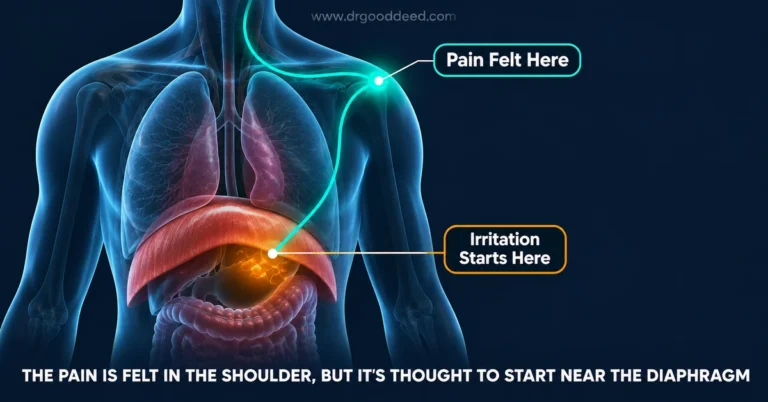
Why do my burps smell like rotten eggs? The unique smell is attributed to hydrogen sulfide produced by the bacteria in the intestines, which consume sulfur-containing amino acids. At the same time, it is not completely understood how the hydrogen sulfide produced in the intestines travels to reach the burp.
- Most burps come from swallowed air. Hydrogen sulfide causes the rotten-egg smell in some burps, but how gas produced in the gut reaches a burp is still unclear.
- Occasional rotten egg burps after a meal that includes a high content of sulfur may not require treatment. However, if rotten egg burps occur very often and are accompanied by abdominal pain or diarrhea, it is necessary to pay close attention and take it more seriously.
Common Sulfur Burps Causes
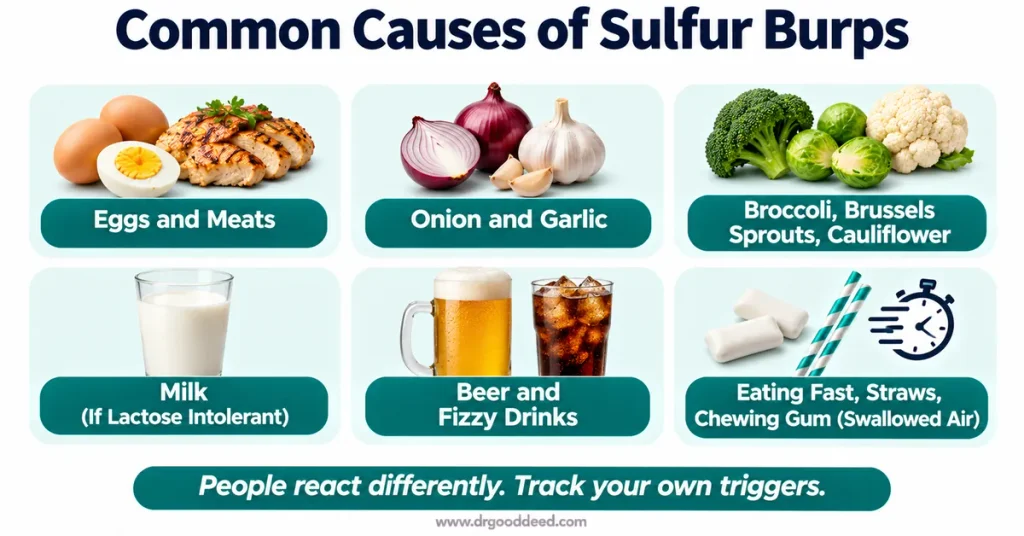
Sulfur burps causes often happen due to the consumption of sulfur-rich foods, how you eat, and even the air that you consume while eating. People react differently to these foods. Thus, foods that are good for one person may not be effective for another.
Some common causes of burping include the following:
- Eggs and meats: these foods contain sulfur-containing amino acids, which are broken down by bacteria.
- Onion and garlic: people who tend to have some digestion problems may be subject to burping thanks to sulfur in these foods.
- Vegetables: Broccoli, Brussels sprouts, and cauliflower are all high in sulfur compounds, which can cause sulfur burps in some people. It might be worth limiting them to see if it helps, but don’t cut them down completely.
- Milk: it causes similar problems for people who cannot digest lactose.
- Beer and drinks with gas: they may lead to an increase in the amount of gas in your stomach.
Eating very quickly or using a straw while drinking, or chewing gum during the meal, results in additional air intake and causes the burping to increase. If this is also your case, try to keep track of the food you eat and gastrointestinal symptoms that you might have.
GLP-1 Medicines and Sulfur Burps
People taking GLP-1 medications report sulfur burps, but research mainly examines belching overall, not the specific rotten-egg smell. GLP-1 medication may delay gastric emptying, explaining potential digestive symptoms.
Drugs, including semaglutide (Ozempic and Wegovy) and tirzepatide (Mounjaro and Zepbound), can lead to gastrointestinal side effects, with belching being mentioned in the prescribing information, but frequencies vary from one drug and dose to another and between clinical studies.
Facts: In weight-loss studies, belching was reported by about 7% of adults taking Wegovy (semaglutide 2.4 mg) compared with less than 1% on placebo, and by about 4% to 5% of those taking Zepbound (tirzepatide) compared with about 1% on placebo. In studies of adults with type 2 diabetes, belching was reported by about 2.5% to 3.3% of those taking Mounjaro (tirzepatide) compared with 0.4% on placebo, and by 2.7% at 0.5 mg and 1.1% at 1 mg of Ozempic (semaglutide) compared with 0% on placebo. These numbers are not directly comparable, because they come from different products, doses, and study populations. Source: FDA prescribing information.

Clinical trials measure belching, not its smell, so the frequency of sulfur burps associated with GLP-1 medications is unknown.
Burping may begin when starting a GLP-1 medication or increasing the dose, and it often improves with time or a dose adjustment. Sitting upright or walking after meals instead of lying down may also help ease digestive discomfort. If burping starts after beginning treatment or increasing the dose, contact your prescriber. They can review the timing and severity of your symptoms and recommend appropriate options. Do not change your dose without their guidance.
Infections and Digestive Conditions
Sulfur burps and diarrhea can point to an intestinal infection such as giardiasis, a parasitic infection that causes diarrhea and gas, with symptoms usually starting 1 to 2 weeks after exposure, according to the CDC. If you have recently traveled, read what to do if you get sick abroad. That said, this combination of symptoms does not point to one diagnosis on its own, because reflux and indigestion can also cause sulfur burps. If reflux seems more likely, these home remedies for indigestion may help, and if symptoms continue, see a doctor.
- Giardiasis: characterized by the parasite Giardia, which infects the small intestine. Main symptoms of giardiasis can be seen as diarrhea, intestinal gas, stomach cramps, nausea, and in some cases smelly, greasy stools. Symptoms might appear one or two weeks after contamination. Some patients report observing sulfur burping, but such an odor is not sufficient for being diagnosed with the disease. A healthcare specialist may ask for stool samples for tests to see the picture.
- Acid reflux: gastroesophageal reflux disease may lead to indigestion, heartburn, and sulfur burping. Even though the reflux can be responsible for the symptoms, sulfur odor does not help to recognize if there is GERD.
- H. pylori: stands for Helicobacter pylori, a bacterium that can be seen as the cause of gastrointestinal problems and peptic ulcer disease. Successful treatment of the infection can eventually bring improvement to dyspepsia. Some clinics might point it out as a cause of sulfur odor, but the connection between the two is still uncertain.
- SIBO (small intestinal bacterial overgrowth) may lead to bloating, gas, abdominal pain, or changes in stool habits. Little research has looked at SIBO and hydrogen sulfide production specifically, partly because a hydrogen sulfide breath test only became available in late 2020.
How to Get Rid of Sulfur Burps
Getting rid of sulfur burps depends on the underlying cause. The following methods may help reduce symptoms and prevent them from recurring.
| Method | How it may be beneficial | Precautions at the same time |
| Bismuth subsalicylate | Bismuth binds hydrogen sulfide. A 1998 study of 10 healthy adults found over 95% less fecal hydrogen sulfide after short-term use, but its effect on sulfur burps is unknown. | A pharmacist should be consulted if blood-thinners are consumed or if someone is allergic to aspirin. It may lead to temporary black stools and a black tongue. |
| Consuming smaller meals | Taking a moderate amount of food can help solve the problem related to digestive discomfort. | Eating too much food should be avoided, and it is necessary to check for improvement in condition. |
| Eating slowly | Eating slowly may help limit the swallowing of air. | Avoid habits making one swallow more air while eating, for instance, chewing gum. |
| Going to a physician | In case the problem with sulfur burps remains, one should check one’s health. | Attention should be paid to sulfur burps along with intense belly ache, persistent vomiting, blood in stools and signs of dehydration. |
When Should You See a Doctor?
Rotten egg burps need a doctor’s check if they come with unexplained weight loss, bleeding, swallowing difficulty, persistent vomiting, or continuing diarrhea. The odor itself cannot serve as a measure of the severity of the disease.
Visit a medical professional if you experience any of:
- Unintentional weight loss of over 5% in six to twelve months.
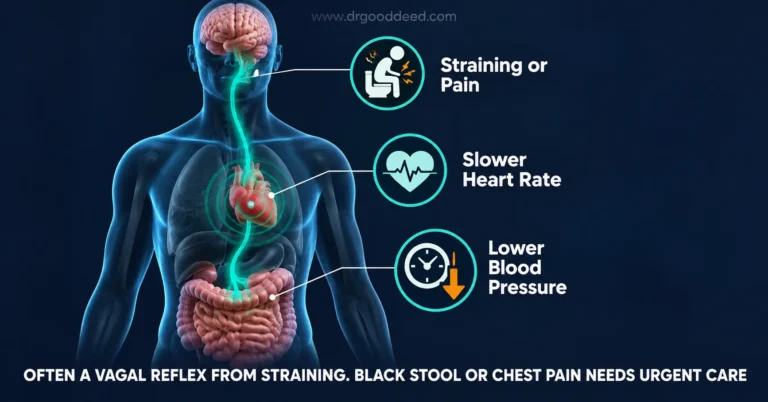
- Vomiting blood, tarry or black stools, or continued vomiting.
- Pain or difficulty in swallowing.
- Diarrhea lasting for a few days or more with symptoms of dehydration.
- Unexplained iron deficiency anemia or family history of upper gastrointestinal malignancies.
- Severe abdominal pain, inability to take fluids, and little urine production.
Alarm features do not have to indicate serious disease and only help to assess the situation slightly. However, they should prompt a clinical examination with further diagnostic procedures determined by the patient’s age, symptoms, history, and investigations.
In the USA, call your primary doctor or urgent care, and in the UK, contact a general practitioner. Go for emergency medical help if you have serious symptoms, heavy bleeding, or signs of dehydration.
For other stomach-related pains, read about upper abdominal pain.
Frequently Asked Questions
What does it mean when your burps smell like sulfur?
It usually means that hydrogen sulfide or other sulfur-containing compounds contribute to the odor. The causes of sulfur burps range from sulfur-rich foods and swallowed air to medication effects and digestive conditions. The smell alone cannot establish which explanation applies. Consider when the symptoms began, what you ate, and whether you also have pain, vomiting, or diarrhea.
Are sulfur burps a sign of H. pylori or SIBO?
They may occur alongside digestive symptoms associated with these conditions, but the odor cannot confirm either diagnosis. H. pylori can cause dyspepsia and ulcers, while SIBO may cause bloating and excess gas. A clinician can determine whether testing is appropriate based on your symptoms and medical history.
Why do I get sulfur burps on Mounjaro or Ozempic?
Sulfur burps from GLP-1 drugs are reported by some patients, and belching is a recognized adverse reaction to these medications. Delayed gastric emptying may contribute to digestive symptoms. Clinical trials have not established the frequency of specifically sulfur-smelling burps. Tell your prescriber if symptoms persist or worsen, particularly after a dose change.
How do you get rid of sulfur burps fast?
How to get rid of sulfur burps depends on the cause. Try eating smaller meals, eating slowly, reducing carbonated drinks, and temporarily tracking suspected food triggers. Ask a pharmacist or clinician before using bismuth subsalicylate if you take blood thinners or have aspirin sensitivity. Seek medical advice if symptoms persist or occur with warning signs.
Are rotten egg burps dangerous?
Occasional episodes after certain foods are often temporary. However, persistent symptoms accompanied by weight loss, bleeding, trouble swallowing, repeated vomiting, or ongoing diarrhea need medical evaluation. A healthcare professional can assess the other symptoms and decide whether testing or treatment is necessary.
Sources
- U.S. Food and Drug Administration. Wegovy (semaglutide) prescribing information. link
- U.S. Food and Drug Administration. Mounjaro (tirzepatide) prescribing information. link
- U.S. Food and Drug Administration. Ozempic (semaglutide) prescribing information. link
- Suarez F, et al. Bismuth subsalicylate markedly decreases hydrogen sulfide release in the human colon. Gastroenterology, 1998. link
- Centers for Disease Control and Prevention. About Giardiasis. link
- Moayyedi P, et al. ACG and CAG Clinical Guideline: Management of Dyspepsia. Am J Gastroenterol, 2017. link
Medical Disclaimer: This article is for general information only and is not medical advice. It does not replace a diagnosis, treatment plan, or guidance from a qualified healthcare professional. Always talk to your doctor about your own symptoms and before starting, stopping, or changing any treatment. If you think you may be having a medical emergency, call 911 or go to your nearest emergency room.