


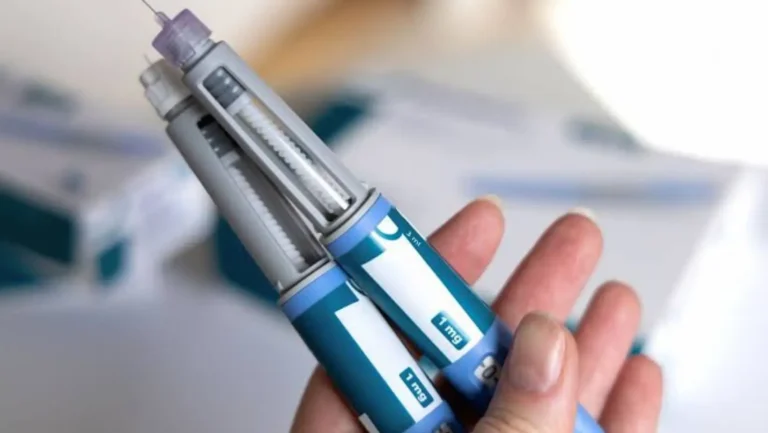
Yes, you can drink coffee on a GLP-1 for most people. There is no known drug interaction between caffeine and GLP-1 medications like semaglutide or tirzepatide. Coffee and these drugs work through completely different pathways in your body, so your morning cup is not off limits just because you started an injection.
That said, GLP-1s slow digestion and coffee stimulates your gut and nervous system. When you stack the two together, some people feel side effects they never noticed before. This guide walks through the science, the real risks, and the small habits that make coffee and GLP-1 medications work well together.
Can You Drink Coffee While Taking a GLP-1?
Coffee and GLP-1 medications do not clash on a chemical level. GLP-1 drugs mimic a gut hormone that controls blood sugar and appetite. Caffeine blocks a brain receptor called adenosine to keep you alert. These are two separate systems, so nothing dangerous happens when they meet in your bloodstream. Still, both affect digestion, so paying attention to timing and amount matters more once you start treatment.
Is Coffee Safe With GLP-1 Medications?
Coffee is safe for most people taking a GLP-1. Doctors do not list coffee as something to avoid with semaglutide, tirzepatide, or liraglutide. The main concern is not safety. It is comfort. GLP-1s already slow how fast food leaves your stomach. Coffee on an empty, slow-moving stomach can trigger acid reflux, jitters, or a queasy feeling in people who are sensitive to it.
Does Coffee Affect How GLP-1 Medications Work?
No. Coffee does not change how your body absorbs a GLP-1 injection or how the drug binds to its receptors. The medication’s mechanism stays the same whether or not you drink coffee. What coffee can change is how your stomach feels afterward, since caffeine speeds up gut motility while your GLP-1 slows it down. That push and pull is where most complaints come from, not from the drug losing effectiveness.
Who Should Limit or Avoid Coffee?
A few groups should be more careful:
- People with acid reflux or gastritis, since GLP-1s already raise reflux risk
- Anyone with a fast heartbeat or anxiety history, because caffeine adds to that
- People new to a GLP-1 who still have strong nausea in the first weeks
- Anyone with high blood pressure that is not well controlled
Benefits and Risks of Drinking Coffee on a GLP-1
Coffee brings real upsides for someone on a GLP-1, alongside a few risks worth watching. It can support fat burning and reduce hunger signals between meals, which pairs naturally with what these drugs already do. But it can also worsen nausea, dehydration, or blood sugar swings in people who are sensitive, so the same cup that helps one person can bother another.
Can Coffee Support Weight Loss?
Coffee has a mild, short-term effect on metabolism. Caffeine raises your resting energy use by roughly 3 to 11 percent for a few hours after you drink it, according to research reviewed by the Cleveland Clinic. That adds up alongside a GLP-1’s stronger appetite-reducing effect. Coffee will not replace what the medication does. It is a small assist, not a shortcut.
Coffee and Appetite Suppression
Caffeine can blunt hunger for a short window, usually one to two hours. GLP-1 medications already reduce appetite for most of the day by slowing digestion and signaling fullness to your brain. Combining the two rarely causes a problem, but some people report feeling too full or slightly nauseated if they drink coffee right when the appetite-suppressing effect of their dose peaks.
Can Coffee Worsen Nausea or Stomach Upset?
Yes, for some people. Coffee is acidic and it stimulates stomach acid production. GLP-1s already cause nausea in a large share of new users, with rates around 20 percent reported in clinical trials of drugs like semaglutide. Adding coffee, especially on an empty stomach, can push mild queasiness into something more noticeable. Switching to a smaller cup or a less acidic roast often helps.
Coffee and Dehydration
Coffee is not the dehydration risk many people assume. Mayo Clinic notes that moderate coffee intake contributes to your fluid intake similarly to water, since a typical cup is mostly water itself. The bigger concern is GLP-1 side effects like vomiting or diarrhea, which cause real fluid loss. If you are dealing with those symptoms, add extra water rather than cutting coffee entirely.
Coffee’s Effect on Blood Sugar Levels
Caffeine can raise or lower blood sugar depending on the person. Mayo Clinic explains that about 200 milligrams of caffeine, roughly one to two cups of coffee, can shift insulin action enough to change glucose readings in people with diabetes. If you use a GLP-1 for blood sugar control, this is worth tracking for a week or two after you add or increase your coffee intake.
Tips for Drinking Coffee While Taking a GLP-1
Small changes to how you drink coffee can prevent most side effects. Timing your cup after food, watching your total caffeine, and staying hydrated all reduce the odds of nausea or jitteriness. None of these tips require giving up coffee. They just change how and when you drink it.
Choose Low-Calorie Coffee Drinks
Sugary coffee drinks work against a GLP-1’s calorie-reducing effect. Compare common options:
| Drink (16 oz) | Calories | Sugar |
| Black coffee | 5 | 0g |
| Coffee with 2 tbsp milk | 20 | 2g |
| Vanilla latte | 250 | 35g |
| Caramel macchiato | 250 | 34g |
| Frappuccino-style blended drink | 400+ | 55g+ |
Black coffee, or coffee with a splash of milk, keeps your calorie intake low and avoids blood sugar spikes from added sugar.
Avoid Drinking Coffee on an Empty Stomach
Coffee on an empty stomach raises stomach acid and can worsen nausea, especially in the first weeks on a GLP-1. Drink your coffee with or right after a small meal instead of first thing before eating anything.
Watch Your Caffeine Intake
The FDA considers up to 400 milligrams of caffeine a day safe for most healthy adults, about three to four 8-ounce cups of brewed coffee. On a GLP-1, staying on the lower end of that range, around 200 to 300 milligrams, reduces the chance of jitters layering on top of medication side effects.
Stay Hydrated Throughout the Day
Pair each cup of coffee with a glass of water, particularly if you are also dealing with GLP-1-related nausea, vomiting, or diarrhea. This habit protects against the fluid loss those side effects cause, not the coffee itself.
Monitor How Your Body Responds
Track your symptoms for the first two to three weeks after starting or increasing coffee intake on a GLP-1. Note any nausea, heartburn, or blood sugar changes. This record helps you and your doctor spot patterns instead of guessing.
FAQs
Can you drink coffee while taking a GLP-1?
Yes. You can drink coffee on a GLP-1 without a known drug interaction. Caffeine and GLP-1 medications act on separate body systems, so coffee will not block or weaken the medication.
Does coffee affect how GLP-1 medications work?
No. Coffee does not change how a GLP-1 binds to receptors or how long it stays active. It may affect digestion comfort, but the drug’s core mechanism is unaffected by caffeine intake.
Can coffee make GLP-1 side effects worse?
Yes, in sensitive people. Coffee’s acidity and caffeine can intensify nausea, reflux, or a fast heartbeat during the first weeks of treatment, when GLP-1 side effects are already at their peak.
Is it safe to drink coffee after a GLP-1 injection?
Yes. There is no required waiting period between a GLP-1 injection and coffee. Timing coffee around a meal, rather than the injection itself, matters more for comfort.
Can coffee reduce appetite while taking a GLP-1?
Yes, mildly. Caffeine suppresses hunger for one to two hours through its effect on the nervous system, adding a small, short-term boost to the stronger appetite reduction from the GLP-1 itself.
Should I avoid caffeine on a GLP-1?
No, not entirely. Most people tolerate moderate caffeine, around 200 to 300 milligrams daily, without issue. Avoidance is only necessary if you have reflux, anxiety, or heart rhythm concerns your doctor flags.
Can coffee increase nausea on a GLP-1?
Yes, especially on an empty stomach. Coffee raises stomach acid production, and GLP-1s already slow stomach emptying, so the combination can intensify nausea during the first month of treatment.
What type of coffee is best while taking a GLP-1?
Black coffee or coffee with a small amount of milk works best. Low-acid roasts reduce reflux risk, and skipping added sugar avoids working against the medication’s blood sugar benefits.
How much coffee can you drink on a GLP-1?
Most adults tolerate 200 to 300 milligrams of caffeine daily on a GLP-1, roughly two to three 8-ounce cups. This stays below the FDA’s 400-milligram daily limit while limiting jitters.
When should you avoid coffee while taking a GLP-1?
Avoid coffee during active nausea, vomiting, or reflux flare-ups from your GLP-1. Wait until symptoms settle, then reintroduce a small amount with food rather than on an empty stomach.
Sources
- Mayo Clinic: Caffeine, does it affect blood sugar?
- Mayo Clinic: Caffeine, is it dehydrating or not?
- Mayo Clinic News Network: Caffeine’s effects on blood sugar and blood pressure
- U.S. Food and Drug Administration: Spilling the Beans on Caffeine
- American Diabetes Association: Caffeine and blood glucose
- Eli Lilly and Company: Zepbound (tirzepatide) prescribing information, U.S. Food and Drug Administration
- Novo Nordisk: Ozempic (semaglutide) prescribing information, U.S. Food and Drug Administration
- Frontiers in Nutrition: Coffee with High but Not Low Caffeine Content Augments Fluid and Electrolyte Excretion at Rest






1 Comment
Comments are closed.