
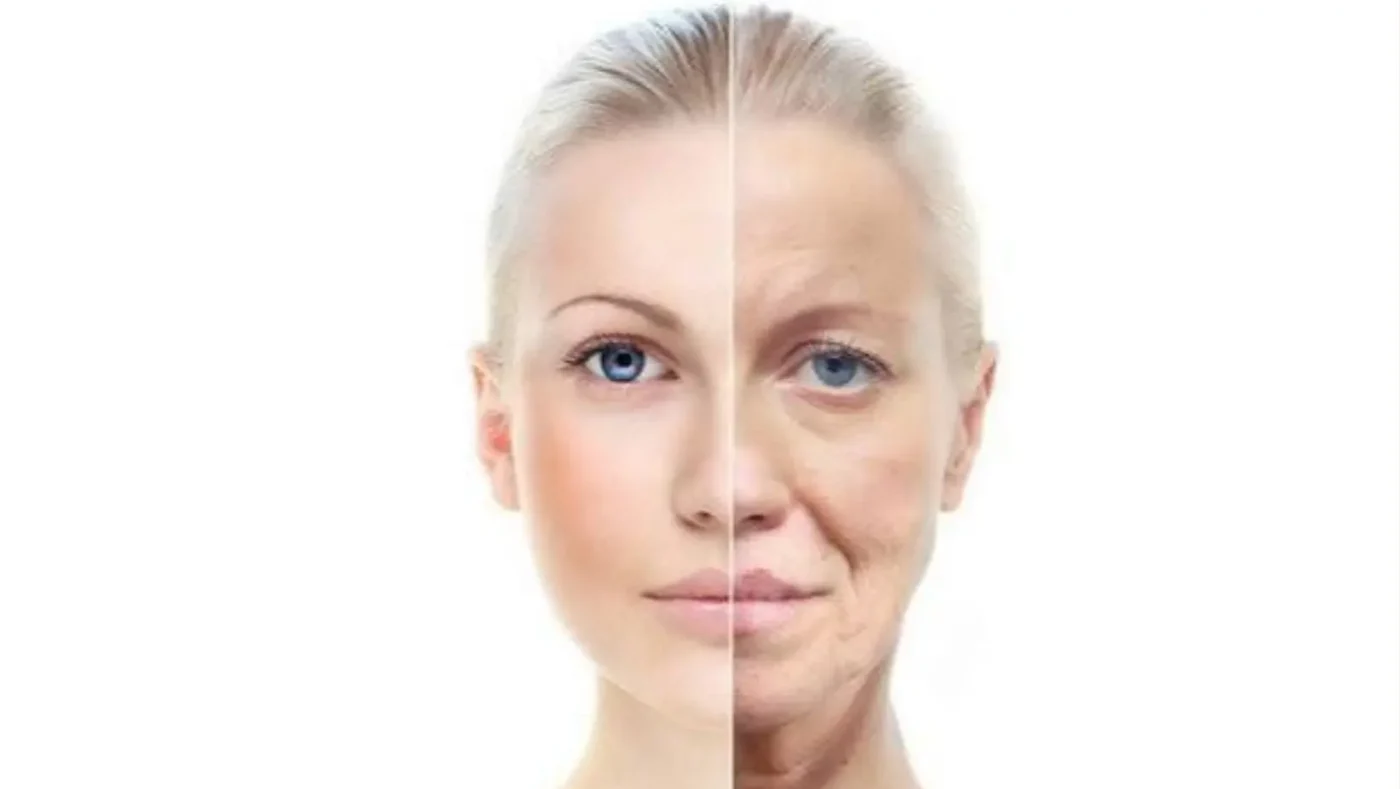

Inflammaging is the medical term for the low-grade inflammation that builds up as you age, even when you have no infection or injury. The National Institute on Aging defines it as a chronic, sterile inflammatory state driven by aging cells and a shifting immune system. It raises your risk for heart disease, diabetes, arthritis, and dementia years before any of those conditions show up on a test.
This guide breaks down the inflammaging definition, what causes inflammaging, common inflammaging symptoms, and how to reduce inflammaging using steps backed by current research.
What Is Inflammaging?
Inflammaging describes chronic, low-level inflammation that rises with age, separate from the short bursts of inflammation your body uses to fight a cold or heal a cut. Researcher Claudio Franceschi coined the term in 2000 after noticing that older adults carry higher baseline levels of inflammatory chemicals in their blood, even when they feel healthy. The inflammaging is when your immune system slowly loses its ability to turn inflammation off.
How Is Inflammaging Different From Normal Inflammation?
Normal inflammation is a repair crew. A cut, a virus, or a sprained ankle triggers swelling, redness, and warmth. Once the threat is gone, the response shuts off. Chronic low-grade inflammation works differently. It hums in the background for years, at levels too low to cause pain but high enough to slowly damage tissue.
Doctors sometimes call this “sterile” inflammation because no germ is involved. Grasping the inflammaging definition matters because this hidden process is now linked to nearly every major disease of aging, from clogged arteries to memory loss.
Why Does Inflammaging Happen?
Several biological changes overlap to explain what causes inflammaging. None of them act alone, and researchers still debate which one starts the chain reaction.
Aging cells generate more “danger signals”
As cells age, some stop dividing but refuse to die. Scientists call these senescent cells, and they release a mix of inflammatory chemicals known as the senescence-associated secretory phenotype, or SASP. One stubborn senescent cell can push nearby healthy cells into the same state.
Damaged DNA, especially at the protective caps on chromosomes called telomeres, also acts as a danger signal that keeps the immune system on alert. This is one of the central inflammaging causes identified by aging researchers at the National Institute on Aging.
The gut, visceral fat and immune aging add fuel
Your gut lining gets leakier with age, letting small amounts of bacterial material slip into the bloodstream and trigger low-level immune activation. Visceral fat, the fat packed around your organs, is not passive storage. It acts like a gland, pumping out interleukin-6 and other inflammatory signals nonstop.
Meanwhile, your immune system itself ages through a process called immunosenescence, where old immune cells lose precision and start reacting to the wrong targets more often.
Who Is Most at Risk?
Inflammaging affects nearly everyone as they get older, but some factors speed it up:
- Carrying extra weight, especially around the belly
- A diet heavy in refined sugar, fried food, and processed meat
- Smoking or regular alcohol use
- Poor sleep or untreated sleep apnea
- Chronic stress and high cortisol
- Sitting for most of the day
- Gum disease, which feeds low-grade inflammation from the mouth outward
A 2025 study from Columbia University found that inflammaging is not universal. Indigenous groups with active, low-industrialized lifestyles, like the Tsimane of Bolivia, showed almost none of it, which suggests lifestyle plays a bigger role than the calendar.
How Does Inflammaging Affect the Body?
Persistent inflammation touches nearly every organ system. It thickens artery walls, which raises heart attack and stroke risk. It interferes with insulin signaling, pushing blood sugar toward type 2 diabetes. It breaks down cartilage, feeding osteoarthritis. In the brain, it is linked to slower thinking and a higher risk of Alzheimer’s disease. In the skin, it accelerates wrinkles and slow wound healing. This is why doctors increasingly view inflammaging as a shared root cause behind conditions that used to be treated as unrelated.
Can You Test for Inflammaging?
Three markers can detect inflammaging. The high-sensitivity C-reactive protein test, or hs-CRP inflammation marker, measures a liver protein that rises when inflammatory signals increase. A result under 1 mg/L suggests low risk, 1 to 3 mg/L is moderate, and above 3 mg/L is considered high risk for heart disease. Interleukin-6, tracked through the IL-6 aging marker, tends to climb steadily after midlife and predicts frailty risk. Tumor necrosis factor-alpha, or the TNF-alpha aging marker, reflects activity from senescent cells and immune cells directly. None of these tests diagnose a disease by itself. Your doctor interprets them alongside your symptoms, weight, blood pressure, and family history.
| Marker | What It Measures | General Reference Range |
| hs-CRP | Liver’s inflammatory response | Under 1 mg/L is low risk |
| IL-6 | Cytokine signaling from fat and immune cells | Rises steadily with age |
| TNF-alpha | Senescent and immune cell activity | No universal cutoff, tracked over time |
How to Reduce Inflammaging Naturally
Learning how to reduce inflammaging starts with addressing the sources above rather than chasing a single supplement or food. Small, consistent changes beat short bursts of effort.
Improve dietary pattern rather than chasing “anti-inflammatory foods”
A Mediterranean-style diet, rich in vegetables, olive oil, beans, nuts, and fatty fish, is tied to lower CRP levels in multiple studies published between 2020 and 2025. Cut back on refined carbs, sugary drinks, and fried food, since these spike blood sugar and feed fat-driven inflammation. Fiber matters too. It feeds gut bacteria that help keep your intestinal lining tight, which limits the bacterial leakage that fuels age-related inflammation.
Reduce inflammatory signaling from visceral fat
Losing even 5 to 10 percent of body weight, when that weight includes visceral fat, meaningfully lowers hs-CRP and IL-6 levels within months. Waist circumference is a better clue than the scale. For men, a waist above 40 inches, and for women, above 35 inches, signals higher visceral fat and a stronger inflammatory load.
Use muscle as an anti-inflammaging organ
Skeletal muscle is not just for strength. During exercise, contracting muscle releases IL-6 in a completely different pattern than fat tissue does, and this exercise-triggered IL-6 actually calms inflammation rather than driving it. Resistance training two to three times a week helps preserve this anti-inflammatory muscle signaling as you age, while also protecting against the frailty that inflammaging accelerates.
Find persistent inflammatory inputs
Don’t just try to lower a number on a lab report. Chase down what keeps generating the signal in the first place. Untreated gum disease, poor sleep, chronic stress, and undiagnosed sleep apnea all keep the immune system switched on. Treating these directly does more for preventing inflammaging than any single supplement.
Can Supplements or “Anti-Aging” Drugs Stop Inflammaging?
Omega-3 fatty acids, curcumin, and resveratrol show modest reductions in inflammatory markers in some trials, but results are inconsistent and effects are far smaller than diet and exercise changes. Metformin and rapamycin, drugs originally built for diabetes and organ transplants, are under active study for their effects on inflammaging and cellular aging, but neither is currently approved by the FDA for anti-aging use. Talk to your doctor before starting any supplement, since some interact with blood thinners or diabetes medication.
Is Inflammaging Inevitable?
No, inflammaging is not entirely inevitable. Research comparing industrialized and non-industrialized populations found that people with active, low-stress, infection-managed lifestyles show far lower markers of inflammaging than those in modern, sedentary settings, even at the same age. Genetics set a baseline, but daily habits, weight, sleep, and gum health influence how much inflammation actually builds up over the decades. This means preventing inflammaging and reducing inflammation as you age through daily choices holds real, measurable weight.
FAQs
What is inflammaging?
Inflammaging is chronic, low-grade inflammation that develops with age, without infection. It quietly damages tissue over years and raises risk for heart disease, diabetes, and dementia long before symptoms appear.
What causes inflammaging?
Causes of inflammaging includes senescent cells releasing inflammatory chemicals, a leaky gut lining, visceral fat acting as an inflammatory gland, and immune aging called immunosenescence. These combine rather than acting alone.
What are the symptoms of inflammaging?
Inflammaging symptoms are persistent fatigue, joint stiffness, slower wound healing, brain fog, and weight gain around the belly. Many people notice no clear symptoms until a related disease develops.
Can inflammaging be reversed?
Yes, markers of inflammaging can drop meaningfully. Studies show hs-CRP falls 16 to 41 percent after meaningful visceral fat loss, and consistent exercise and diet changes lower IL-6 within months.
Which foods help reduce inflammaging?
Vegetables, olive oil, fatty fish, beans, and nuts, following a Mediterranean-style pattern, are linked to lower hs-CRP. Refined sugar and fried food do the opposite and should be limited.
Is inflammaging linked to chronic diseases?
Yes. Inflammaging is directly tied to atherosclerosis, type 2 diabetes, osteoarthritis, Alzheimer’s disease, and certain cancers. Researchers now treat it as a shared root driver behind these separate-seeming conditions.
How does exercise help reduce inflammaging?
Contracting muscle releases IL-6 in an anti-inflammatory pattern, unlike fat tissue’s IL-6 release. Resistance training two to three times weekly builds this protective signaling and lowers visceral fat over time.
Can supplements help with inflammaging?
Omega-3s and curcumin show modest, inconsistent effects on inflammatory markers in trials. They work best alongside diet and exercise changes, not as a replacement, and should be discussed with a doctor first.
How is inflammaging diagnosed?
There is no single diagnostic test. Doctors combine hs-CRP, IL-6, and sometimes TNF-alpha blood markers with weight, waist size, blood pressure, and symptoms to estimate inflammatory burden over time.
What is the difference between inflammation and inflammaging?
Inflammation is a short, protective response to injury or infection that switches off once healing finishes. Inflammaging is a long-term, low-level state that persists for years without an obvious trigger.
Sources
- National Institute on Aging – Inflammaging: Mechanisms, Markers, and Intervention Strategies
- Journal of Clinical Investigation – Connecting aging biology and inflammation in the omics era
- PubMed – Chronic inflammation (inflammaging) and its potential contribution to age-associated diseases
- PMC – Inflammaging: triggers, molecular mechanisms, immunological consequences, sex differences, and cutaneous manifestations
- Columbia University Mailman School of Public Health – Aging-Related Inflammation Is Not Universal Across Human Populations
- Mayo Clinic Laboratories – C-Reactive Protein, High Sensitivity, Serum
- MedlinePlus – C-Reactive Protein (CRP) Test
- Oxford Academic, Endocrine Reviews – Muscle-Organ Crosstalk: The Emerging Roles of Myokines
- PMC – Skeletal Muscle as an Endocrine Organ: The Role of Myokines in Exercise Adaptations
- PMC – Potential Role of Inflammasomes in Aging











1 Comment
Comments are closed.