


You cannot stop your skin from aging with time, but you can slow it down. Reducing skin aging comes down to one main rule: block sun damage first, then add proven treatments like retinoids, vitamin C, and a strong moisturizer. This guide breaks down what actually works, and what science says about preventing skin aging before it starts.
Which Parts of Skin Aging Can You Actually Change?
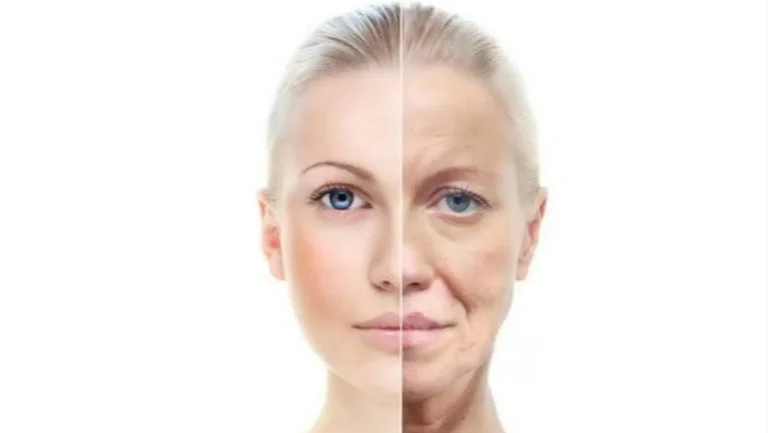
Doctors split skin aging into two types. Intrinsic aging is the slow, genetic clock inside your cells. Extrinsic aging comes from things you do or are exposed to, like sun, smoke, and stress. You cannot rewrite your genes, but you can control most of the extrinsic part, which is where strategies for reducing skin aging make the biggest difference.
| Change | Can you influence it? |
| Chronological (intrinsic) aging | Limited |
| UV damage (photoaging) | Highly modifiable |
| Smoking and pollution exposure | Modifiable |
| Skin-barrier damage | Modifiable |
| Some dark spots and pigmentation | Often treatable |
| Fine lines and rough texture | Often improvable |
| Lost facial volume (fat, bone) | Skincare has limited effect |
Preventing more damage and reversing damage that already happened are two separate jobs. A moisturizer plumps up dry skin and makes fine lines look softer for a few hours, but it does not rebuild lost collagen or bone structure. If your goal is preventing premature skin aging, start early. If your goal is fixing years of sun damage, you will likely need more than a jar of cream.
How Can You Reduce Skin Aging?
Protect your skin from the sun every day, build a simple routine you will actually stick to, eat foods that support collagen, drink enough water, and sleep seven to nine hours a night.
Protect Your Skin From Sun Damage
Sun exposure causes most of the visible aging on your face, hands, and neck. The American Academy of Dermatology says sunscreens rated SPF 15 or higher can be labeled as reducing the risk of skin cancer and early skin aging. Wear a broad-spectrum sunscreen for anti-aging every morning, even on cloudy days, since UV rays pass through clouds and windows.
- Choose SPF 30 or higher, broad-spectrum, water-resistant.
- Reapply every two hours if you are outside.
- Add a wide-brimmed hat and UV-blocking sunglasses.
- Wear long sleeves rated with a UPF number when you can.
Follow a Consistent Skincare Routine
A basic routine beats a complicated ten-step one that you quit after two weeks. Wash your face with a gentle cleanser, apply a treatment product like retinol at night, moisturize, and finish mornings with sunscreen. This simple pattern is the backbone of any real anti-aging skin care plan.
Eat a Skin-Healthy Diet
Your skin needs raw materials to rebuild collagen. Fatty fish, berries, leafy greens, nuts, and olive oil supply the antioxidants and healthy fats your skin cells use daily. A diet rich in fruits, vegetables, and lean protein supports collagen repair, though food alone cannot undo years of sun damage.
Stay Hydrated
Water will not erase wrinkles, but dehydrated skin looks duller and fine lines show up more. Aim for steady water intake through the day instead of chugging a big glass once and forgetting about it.
Get Enough Quality Sleep
Your skin repairs itself while you sleep. Cutting sleep short raises stress hormones like cortisol, which break down collagen over time. Seven to nine hours a night gives your skin the repair window it needs.
What Causes Premature Skin Aging?
The biggest driver of premature skin aging is sun exposure, followed by smoking, poor sleep, and chronic stress. Each of these speeds up the same underlying damage, the slow breakdown of collagen and elastin fibers that keep skin firm.
UV exposure damages more than skin tone
UVB rays burn the surface of your skin. UVA rays go deeper and reach the layer where collagen lives, which is why UVA skin aging is the main culprit behind wrinkles, sagging, and leathery texture. This deeper damage builds up slowly, often for years, before it becomes visible on your face.
Aging skin also becomes less resilient
As you get older, skin naturally makes less collagen and elastin, so it heals slower and bruises easier. This makes older skin more vulnerable to further sun damage skin injury, which is why sun protection matters even more as you age, not less.
Poor Nutrition
Diets high in sugar and processed food trigger a process called glycation, where sugar molecules attach to collagen fibers and make them stiff and brittle. Stiff collagen shows up as skin that looks less bouncy and more creased.
Chronic Stress
Ongoing stress keeps cortisol levels high, and high cortisol breaks down collagen faster than it can be rebuilt. Stress also disrupts sleep, which compounds the damage since your skin loses its main repair window.
The Highest-Impact Ways to Slow Premature Skin Aging
1. Stop accumulating UV damage
This is the single highest-return action for anyone serious about preventing skin aging. A large randomized trial found that people who used sunscreen daily for over four years showed measurably less skin aging than people who used sunscreen only occasionally.
The American Academy of Dermatology recommends everyone use sunscreen with broad-spectrum protection against UVA and UVB rays to help protect skin from sunburn, early skin aging, and skin cancer.
2. Use retinoids strategically, not aggressively
Retinoids for wrinkles are the most studied topical anti-aging ingredient available. Tretinoin, the prescription-strength option, works by speeding up cell turnover and switching on genes that build new collagen. Research published in the New England Journal of Medicine found that topical tretinoin partly restored collagen formation in skin damaged by years of sun exposure. Over-the-counter retinol products are less studied than prescription tretinoin, so treat marketing claims about them with some caution.
Retinol for aging skin starts working gradually, so do not expect results in a week. Most tretinoin photoaging studies show visible improvement in fine lines after three to six months of nightly use. Start with a pea-sized amount two or three nights a week, then build up as your skin tolerates it, since too much too fast causes redness, peeling, and irritation.
3. Keep the skin barrier functioning
Your skin barrier is the outer wall that locks moisture in and irritants out. Harsh scrubs, hot showers, and over-exfoliating break this wall down, which makes fine lines more visible and skin more reactive. Use lukewarm water, a gentle cleanser, and a fragrance-free moisturizer with ceramides to keep this barrier intact.
What About Vitamin C, Peptides, AHAs and Other Anti-Aging Ingredients?
Your core routine needs only three things: daily sunscreen, a retinoid at night, and a moisturizer. Everything else is an optional add-on based on the specific problem you are trying to fix. Here is where each extra ingredient actually earns its place in a real anti-aging skin care routine.
Vitamin C and antioxidants: Vitamin C is one of the better-studied add-ons for vitamin C skin-aging concerns. A review of randomized controlled trials found that skin treated with topical ascorbic acid looked smoother and less wrinkled than skin treated with a placebo. Vitamin C works by increasing collagen synthesis, stabilizing existing collagen fibers, and slowing collagen breakdown, making it a genuinely useful antioxidant. Look for a stable, well-packaged formula, since ascorbic acid degrades quickly once exposed to light and air.
AHAs: Alpha hydroxy acids like glycolic acid exfoliate the surface layer, which helps with texture and mild dark spots. They do little for deep wrinkles, and using them too often can wreck your skin barrier, so two to three times a week is usually enough.
Niacinamide: This ingredient supports the skin barrier and calms redness, and it works well alongside vitamin C or retinoids rather than replacing them.
Peptides: Peptides are not one single proven ingredient, results depend heavily on the exact peptide and formula used. Treat “contains peptides” as a marketing phrase, not a guarantee, and check whether a brand cites its own testing.
Treatments That Help Reduce Skin Aging
| Treatment | Best for | What to expect |
| Retinoids (tretinoin, retinol) | Fine lines, texture, mild pigmentation | Gradual results over 3-6 months |
| Vitamin C / antioxidants | Dullness, oxidative damage, mild spots | Subtle brightening over weeks |
| Chemical peels | Surface texture, sun spots | Faster results, some downtime |
| Laser resurfacing | Deeper wrinkles, texture, scarring | Noticeable results, more downtime |
| Botox | Dynamic wrinkles from muscle movement | Results in days, lasts 3-4 months |
| Dermal fillers | Lost volume, deep folds | Immediate results, lasts 6-18 months |
| Collagen-stimulating treatments | Overall firmness, gradual volume | Builds over months |
Retinoids and Anti-Aging Skincare
Covered above. This remains the best-studied topical option for reducing wrinkles and boosting collagen production over time.
Antioxidants and Vitamin C
Best paired with sunscreen in the morning, since antioxidants for skin help neutralize free radicals that sunscreen alone cannot fully block.
Chemical Peels and Laser Treatments
These procedures remove or heat the outer skin layers to trigger fresh collagen growth. A dermatologist should always evaluate your skin type before recommending strength or depth, since deeper peels carry higher risk of scarring and pigment changes.
Botox and Dermal Fillers
Botox relaxes the muscles that cause wrinkles from repeated expressions, like frown lines. Fillers add volume back to areas that have lost fat or bone support, like cheeks. These are cosmetic procedures, not skincare, and should only be done by a licensed, qualified provider.
Collagen-Stimulating Treatments
Microneedling and certain laser devices create controlled micro-injuries that push your skin to boost collagen in skin naturally. Results build gradually over several months as new collagen forms, rather than appearing overnight.
FAQs
How can I reduce skin aging naturally?
Daily sunscreen, seven to nine hours of sleep, a diet rich in antioxidants, and quitting smoking are the most evidence-backed natural steps. None of these reverse existing wrinkles, but together they slow how to reduce skin aging without relying on products.
What is the best treatment for aging skin?
Prescription tretinoin has the strongest long-term evidence for reducing fine lines and boosting collagen. Combined with daily broad-spectrum sunscreen, this pairing outperforms nearly every other single anti-aging product on the market.
Which foods help slow skin aging?
Fatty fish, berries, leafy greens, walnuts, and olive oil supply omega-3s and antioxidants that support collagen. High-sugar, heavily processed foods speed up glycation, which stiffens collagen and worsens wrinkles.
Can sunscreen prevent skin aging?
Yes. A four-year randomized trial found daily sunscreen users showed significantly less visible skin aging than occasional users, making it the single most proven anti-aging habit available.
At what age does skin start aging?
Collagen production starts declining around age 20, dropping roughly 1% per year. Visible signs like fine lines usually appear in the late 20s to mid-30s, sooner with heavy sun exposure.
Can wrinkles be reversed naturally?
No, not fully. Diet, hydration, and sleep can soften the appearance of fine lines, but reversing established wrinkles requires retinoids, procedures, or both, since natural methods cannot rebuild lost collagen structure alone.
Which skincare ingredients are best for anti-aging?
Tretinoin or retinol, daily broad-spectrum sunscreen, a stabilized vitamin C serum, and a ceramide moisturizer form the four ingredients with the strongest clinical backing for reducing wrinkles and fine lines.
Sources
- American Academy of Dermatology – Sunscreen FAQs
- American Academy of Dermatology – Survey on skin aging and sunscreen
- American Academy of Dermatology – How dermatologists treat sun-damaged skin
- NCBI Bookshelf – Sunscreens and Photoprotection, StatPearls
- PMC – Sunscreens and Photoaging: A Review of Current Literature
- New England Journal of Medicine – Restoration of Collagen Formation in Photodamaged Human Skin by Tretinoin
- PMC – An Updated Review of Topical Tretinoin in Dermatology
- JCAD – Evidence for the Efficacy of Over-the-counter Vitamin A Cosmetic Products
- Dermatology Times – Study Review Finds Vitamin C is Effective in Treating Signs of Photoaging
- Mayo Clinic – The best ways to prevent wrinkles
This article is for general education. It does not replace advice from a board-certified dermatologist. Talk to a doctor before starting any new skincare product or procedure, especially if you are pregnant, breastfeeding, or have a skin condition.









2 Comments
Comments are closed.