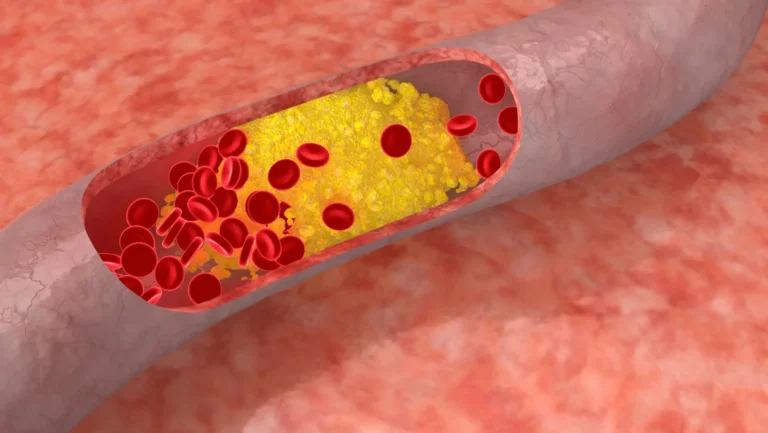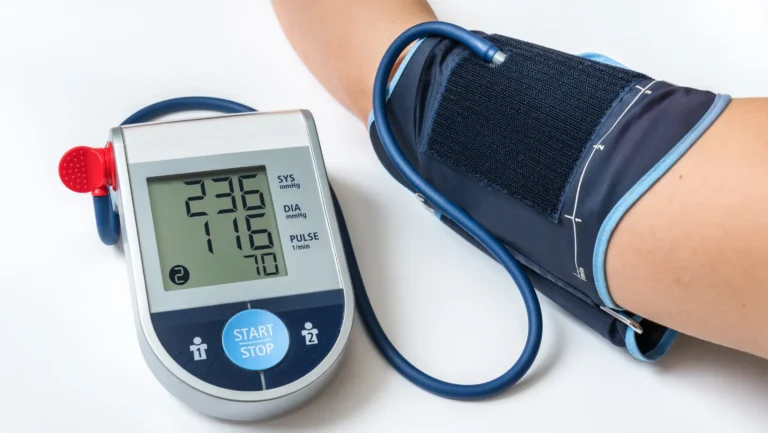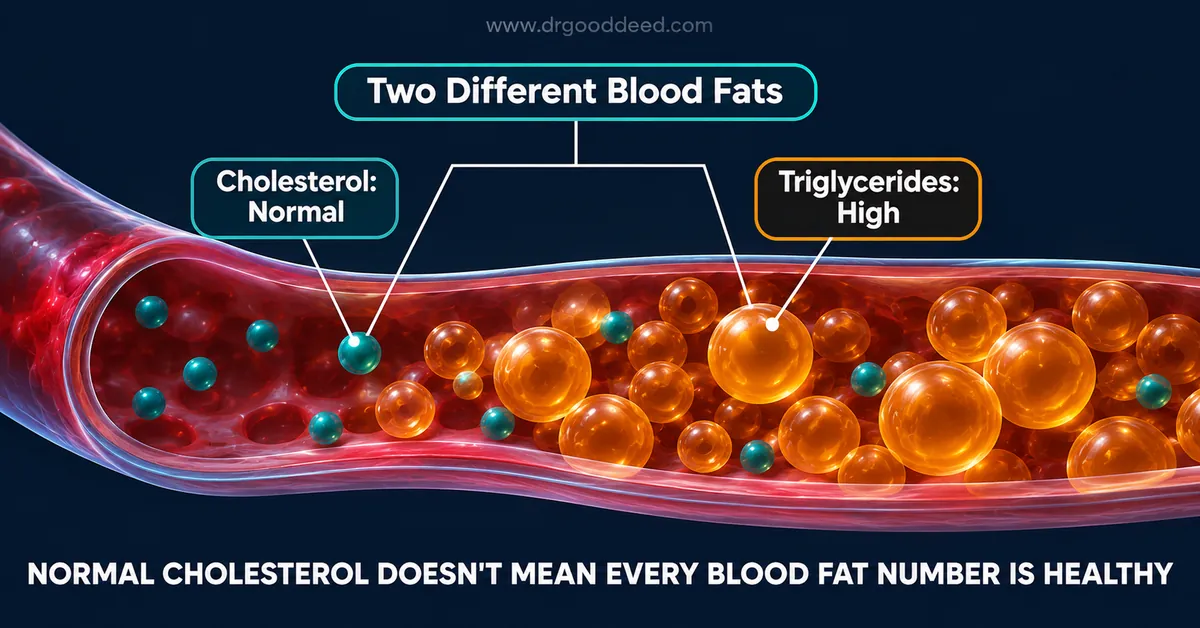

High triglycerides but normal cholesterol is possible because triglycerides and cholesterol are different types of fat in your blood. Both appear on a lipid panel, but they do different jobs and can change independently. Triglycerides store unused calories for energy, while cholesterol helps build cells and make hormones.
High triglycerides can raise your risk of heart disease and, at very high levels, acute pancreatitis. Knowing what your results mean helps you understand the causes of high triglycerides, choose the right lifestyle changes, and know when to see a doctor. A normal cholesterol result does not mean every part of your blood fat profile is healthy.
Key Takeaways
· High triglycerides but normal cholesterol is possible and still matters, because triglycerides carry their own heart and pancreas risks.
· Triglycerides and cholesterol are measured separately, so one can be high while the other is normal.
· Fasting triglycerides below 150 mg/dL (1.7 mmol/L) are generally considered healthy.
· 500 mg/dL (5.7 mmol/L) or more raises the risk of pancreatitis.
· Excess sugar, alcohol, extra weight, insulin resistance, thyroid problems and some medicines can all raise triglycerides.
| Fasting triglyceride level | mmol/L | What it usually means | Next step |
| Below 150 mg/dL | Below 1.7 | Healthy | Keep up a healthy diet, activity and routine checks |
| 150 to 199 mg/dL | 1.7 to 2.2 | Borderline high | Make lifestyle changes; ask about other risks |
| 200 to 499 mg/dL | 2.3 to 5.6 | High | See your doctor or GP to look for causes |
| 500 mg/dL or higher | 5.7 or higher | Very high; pancreatitis risk rises | See your doctor soon; severe belly pain needs 911 or 999 |
Can You Have High Triglycerides but Normal Cholesterol?
Yes, you can have high triglycerides even if your total cholesterol and LDL cholesterol look normal. Triglycerides are a different blood fat from cholesterol, and excess calories, especially from sugar and refined carbohydrates, raise triglycerides without causing the same change in cholesterol.
Your body turns calories it does not use right away into triglycerides and stores them for later. If you regularly eat more calories than you burn, your triglycerides can rise gradually over time.
HDL, also known as good cholesterol, is another number to watch. People with high triglycerides often have low HDL, a combination linked with premature heart disease that often comes with weight around the middle, according to HEART UK.
Because triglycerides and cholesterol are measured separately, read the lipid panel as a whole rather than judging it by total cholesterol alone. Your doctor may also look at LDL, HDL, blood sugar, blood pressure, medical history, and family history.
For more information on cholesterol concerns, read our high cholesterol warning signs guide.
What Are Normal Triglyceride Levels?
Healthy fasting triglyceride levels are generally below 150 mg/dL (1.7 mmol/L), according to Mayo Clinic and Cleveland Clinic. In the UK, HEART UK recommends below 1.7 mmol/L when fasting and below 2.0 mmol/L when not fasting.
Sources name the bands slightly differently. Mayo Clinic and Cleveland Clinic use healthy, borderline high, high, and very high, while the American Family Physician review uses normal (under 150 mg/dL), high (150 to 499 mg/dL), and severe (500 mg/dL or more). For children and teens, Cleveland Clinic gives a lower healthy cut-off of under 90 mg/dL (1.0 mmol/L).
A fasting test means you eat or drink nothing except water for the time your healthcare provider sets. Many standard tests use a fasting period of 9 to 12 hours, but this varies with the test and the clinical situation.
Triglycerides are measured in milligrams per deciliter (mg/dL) in the US and millimoles per liter (mmol/L) in the UK. To convert mmol/L to mg/dL, multiply by about 88.5.
As for how often to test, Cleveland Clinic suggests a check every 4 to 6 years from your 20s to your early 40s, and yearly for men over 45 and women over 55. Your doctor may suggest a different schedule based on your own risk.
Important: A nonfasting result may differ from a fasting result. Ask your doctor whether you need a repeat test before concluding an unexpected reading.
What Causes High Triglycerides but Normal Cholesterol?
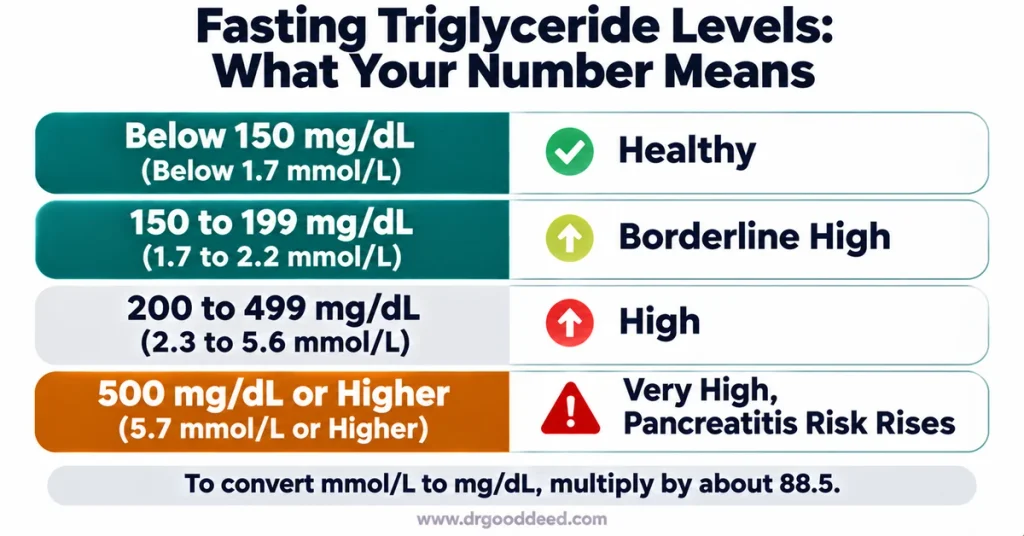
The causes of high triglycerides include diet, alcohol, extra weight, medical conditions, hormonal changes, certain medicines, and inherited disorders. Knowing which of these causes of high triglycerides applies to you helps your healthcare provider choose the right plan.
Lifestyle factors:
- Excess calories, sugary drinks, sweets, and refined carbohydrates.
- Regular or heavy drinking. The American Family Physician review defines excess alcohol as more than 2 drinks a day for men and more than 1 for women.
- Extra weight, especially around the waist, and physical inactivity.
- Smoking and poor sleep, both listed by Cleveland Clinic.
Medical and hormonal conditions:
- Type 2 diabetes and prediabetes, which often come with insulin resistance.
- Insulin resistance, which interferes with normal fat metabolism and often occurs with raised blood sugar and weight around the middle.
- Metabolic syndrome, a cluster of several heart risk factors.
- An underactive thyroid, fatty liver and kidney disease.
- Pregnancy, menopause and autoimmune diseases such as lupus and rheumatoid arthritis.
Medicines and genetics:
- Some diuretics, beta blockers, steroids, oral estrogen and retinoids.
- Certain antipsychotic and HIV medicines.
- Inherited conditions that affect how the body processes fat.
Practical tip: Ask your doctor whether to check your blood sugar, thyroid, liver, and current medicines. Do not stop or change a prescribed medicine without asking the prescriber first.
Do High Triglycerides Matter if Cholesterol Is Normal?
Yes. High triglycerides but normal cholesterol still matters, because triglycerides and cholesterol carry separate risks. Raised triglycerides are linked with heart disease, and very high levels can lead to acute pancreatitis.
Overall heart risk also depends on other factors, such as diabetes, blood pressure, smoking and HDL. A 2013 Harvard Health article said high triglycerides raise heart disease risk even with normal cholesterol, especially in postmenopausal women.
Pancreatitis risk rises when triglycerides reach 500 mg/dL (5.7 mmol/L) or more. The American Family Physician review reports that the risk rises roughly in a line above about 177 mg/dL (2.0 mmol/L), and that levels of 1,000 to 2,000 mg/dL (11.3 to 22.6 mmol/L) or more contribute to an estimated 2 to 4% of acute pancreatitis cases.
Most people with high triglycerides have no symptoms, according to Cleveland Clinic. That makes regular blood tests important, especially if you have diabetes, carry extra weight or have a family history of heart disease.
Your doctor will look at your whole lipid profile and overall risk, not one number alone.
How Can You Lower High Triglyceride Levels Naturally?
How to lower triglycerides depends on the cause, but lifestyle changes usually come first. Diet changes, regular exercise, and managing related conditions can bring raised levels down over time.
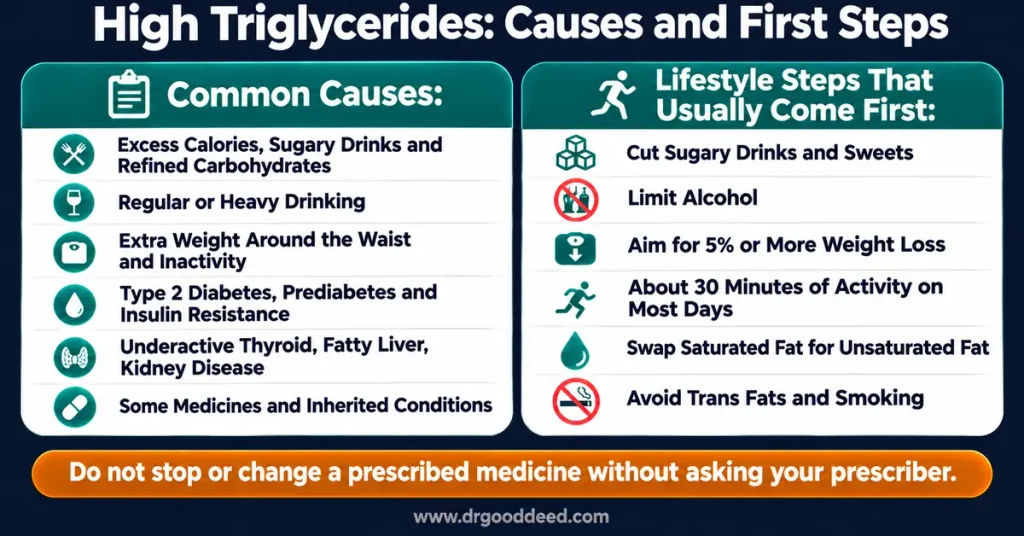
- Reduce sugar: Cut back on sugary drinks, sweets, and refined carbohydrates.
- Limit alcohol: Drink less, and avoid alcohol completely if your levels are very high, as Mayo Clinic advises.
- Manage weight: Losing 5% or more of body weight lowers triglycerides, according to the American Family Physician review.
- Exercise regularly: Aim for about 30 minutes of activity on most days, as Mayo Clinic recommends, at a level that suits your health.
- Choose healthier fats: Replace saturated fat with unsaturated fat where you can.
- Eat omega-3 rich fish: Include oily fish as part of a balanced diet.
- Avoid trans fats: Check food labels and limit products with industrial trans fats.
- Stop smoking: Quitting helps both your triglycerides and your heart; ask your doctor or GP about support.
- Manage medical conditions: Follow your treatment plan for diabetes, thyroid problems and other contributing conditions.
If you have other health conditions, ask your doctor or GP how to lower triglycerides safely and when to repeat your blood test.
For dietary advice, see our article on the worst foods for high cholesterol.
Essential tip: Avoid crash diets and unproven detox products. Steady changes and follow-up blood tests are a better way to track progress.
Which Medicines Can Help Lower High Triglycerides?
Medicine usually comes after lifestyle changes in how to lower triglycerides. Doctors may recommend statins, fibrates, prescription omega-3 fatty acids or, in some cases, niacin, depending on your triglycerides, heart risk, medical history and other medicines.
Statins mainly lower heart risk and can also reduce triglycerides. Fibrates and prescription omega-3 medicines may be used when triglycerides are very high.
Not everyone with a raised result needs medicine. The American Family Physician review says medicine for prevention is not usually indicated below 500 mg/dL (5.7 mmol/L), and that statins may be considered at 150 to 499 mg/dL (1.7 to 5.6 mmol/L) depending on your 10-year heart risk. Treatment decisions take the whole lipid profile into account, including whether the main aim is preventing pancreatitis or lowering heart risk.
Over-the-counter fish oil supplements are not the same as prescription omega-3 medicines and may not reliably lower triglycerides. Mayo Clinic notes that fish oil and nonprescription niacin can also interact with other medicines.
Mayo Clinic also says a referral to a lipid clinic may suit people whose triglycerides stay very high despite treatment, or who have a family history of high triglycerides or early heart disease.
Medical advice: Do not start supplements or change prescribed treatment without speaking to your healthcare professional.
When Do High Triglyceride Levels Require Emergency Medical Care?
High triglycerides without symptoms are not usually an emergency, but very high levels can raise the risk of acute pancreatitis.
Seek emergency care if you have any of these symptoms:
- Severe upper abdominal pain that can spread to your back.
- Severe abdominal pain with nausea or vomiting.
- Chest pain, fainting or signs of a stroke.
These symptoms need urgent attention, whatever your cholesterol results show. In the US, call 911; in the UK, call 999 or go to A&E.
If your triglycerides are 500 mg/dL (5.7 mmol/L) or higher but you feel well, call your doctor or see your GP soon for advice. Do not wait for symptoms before booking a follow-up.
Frequently Asked Questions
Is a triglyceride level of 200 too high?
Yes. A fasting result of 200 mg/dL (2.3 mmol/L) falls in the high band for triglyceride levels. Your doctor can look for causes, review your other heart risk factors and recommend lifestyle changes or treatment if needed.
Do I need to fast before a triglyceride test?
Not always. Some tests can be done without fasting, but a clinician may ask you to fast for about 9 to 12 hours. HEART UK gives a separate nonfasting limit of under 2.0 mmol/L (about 177 mg/dL), so follow your lab’s instructions and ask whether your result needs confirming.
Can high triglycerides cause symptoms?
Usually, no. Most people have no obvious symptoms. In severe cases, Cleveland Clinic notes that fatty skin bumps called xanthomas can appear, and very high levels can cause pancreatitis with severe upper abdominal pain, nausea and vomiting. Seek emergency care for these warning signs.
Does fish oil lower triglycerides?
Prescription omega-3 medicines can lower triglycerides in the right patients. Over-the-counter supplements may not have the same effect and can interact with other medicines, according to Mayo Clinic. Ask your doctor before using fish oil to treat a blood test result.
Why are my triglycerides normal but cholesterol high?
The reverse pattern happens for the same reason: triglycerides and cholesterol are separate blood fats. LDL cholesterol can rise because of inherited conditions or a diet high in saturated fat while triglycerides stay normal. Your doctor will judge your heart risk from the whole lipid panel.
Sources
- Mayo Clinic, Triglycerides: Why do they matter? link
- Cleveland Clinic, Hypertriglyceridemia: Causes, Risk Factors and Treatment link
- Cleveland Clinic, Triglycerides link
- American Family Physician, Management of Hypertriglyceridemia: Common Questions and Answers (2020) link
- HEART UK, Understanding your cholesterol test results link
- Harvard Health Publishing, Ask the doctor: Do I need to worry about high triglycerides if I have normal cholesterol? (2013) link
- National Heart, Lung, and Blood Institute, High Blood Triglycerides link
- MedlinePlus, Triglycerides Test link
Medical Disclaimer: This article is for general information only and is not medical advice. It does not replace a diagnosis, treatment plan, or guidance from a qualified healthcare professional. Always talk to your doctor about your own symptoms and before starting, stopping, or changing any treatment. If you think you may be having a medical emergency, call 911 or go to your nearest emergency room.